
Reviewed · WALKING TOURS
The Hague: Courtyard Walking Tour
The best part of this walk is the change in mood. One minute you are in central The Hague, and the next you are looking through a doorway into a quiet courtyard shaped by 16th-century Dutch charity. I like the contrast between busy city streets and peaceful shared gardens, and I like that the walk shows how ordinary people once lived, not just grand buildings.
I also like the small-group limit of 10, which gives guides such as Hans and Kees room to explain details and adjust the talk when international visitors join. The main consideration is that the tour is in Dutch, and the number of courtyards you enter can vary. One participant hoped to see more traditional hofjes, even though the rest of the route made up for it.
Key points to know before you book
- Courtyards hidden behind city walls: Look for quiet entrances that are easy to miss from the street.
- A 400-year-old living tradition: These hofjes began as charitable housing for poor and elderly residents.
- Dutch-speaking local guides: Hans and Kees are named guides praised for clear, lively storytelling.
- A small 10-person group: The size suits questions and makes narrow entrances easier to manage.
- A wider central-city walk: Expect monuments and other notable places between the courtyards.
- An inexpensive short tour: At $9 for 1.5 hours, it offers a low-cost way to see a less familiar side of The Hague.
Why The Hague’s courtyards matter
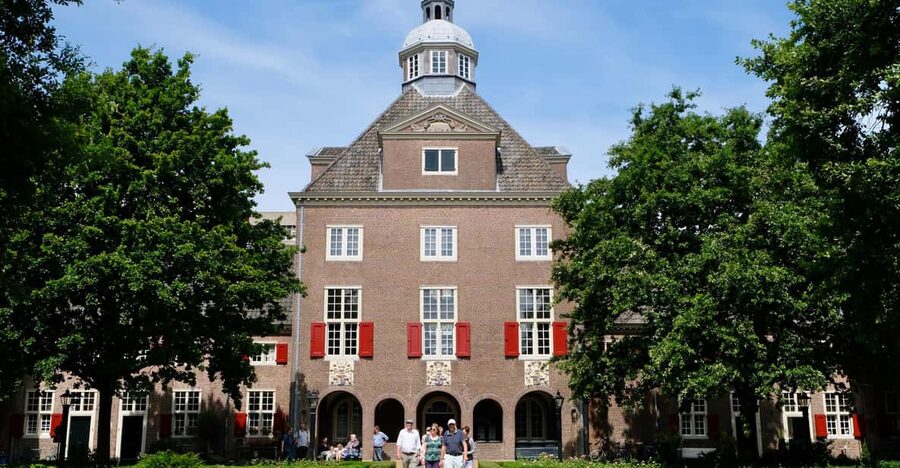
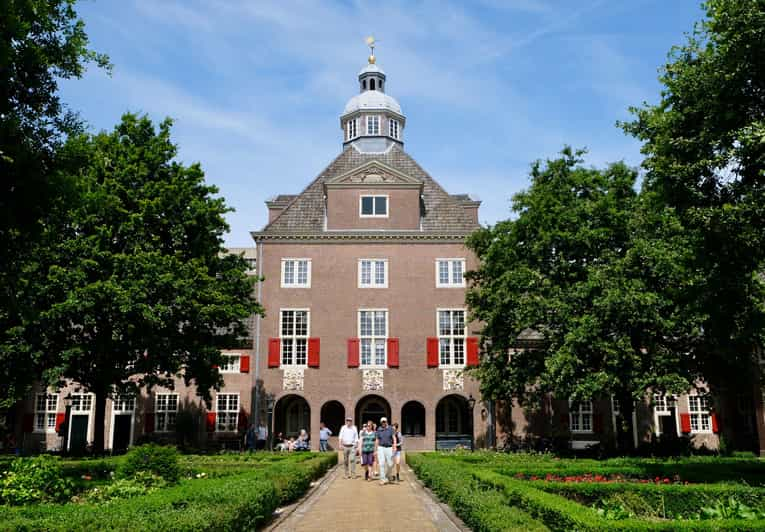
The Hague is known for government buildings, royal connections, grand avenues, and major museums. Yet the city also has a quieter architectural tradition: the hofje, a group of small homes arranged around a shared courtyard.
These places were often founded through charity. Poor residents and older people lived in the houses, usually behind walls that kept the courtyard calm and private. The design offered shelter without placing the residents in the middle of the city’s noise.
That social history gives the walk its purpose. You are not simply looking at pretty doors, brick walls, and garden paths. You are seeing an early form of organized housing, built around care and community. The buildings also show how Dutch cities made good use of limited urban space.
The tradition began in the 16th century and has remained part of The Hague for roughly 400 years. Today, the courtyards are still residential places. That matters when you visit. You are entering a lived-in setting, not a museum display, so quiet behavior and respect are part of the experience.
More Walking Tours in The Hague
- Food Walking Tour of The Hague – by Bites & Stories
★ 5.0 · 188 reviews - Centre The Hague On Foot with Wonderful Storyteller – 2hr
★ 4.4 · 175 reviews - The Hague: City Walking Tour
★ 4.5 · 156 reviews
Meeting at ’t Goude Hooft
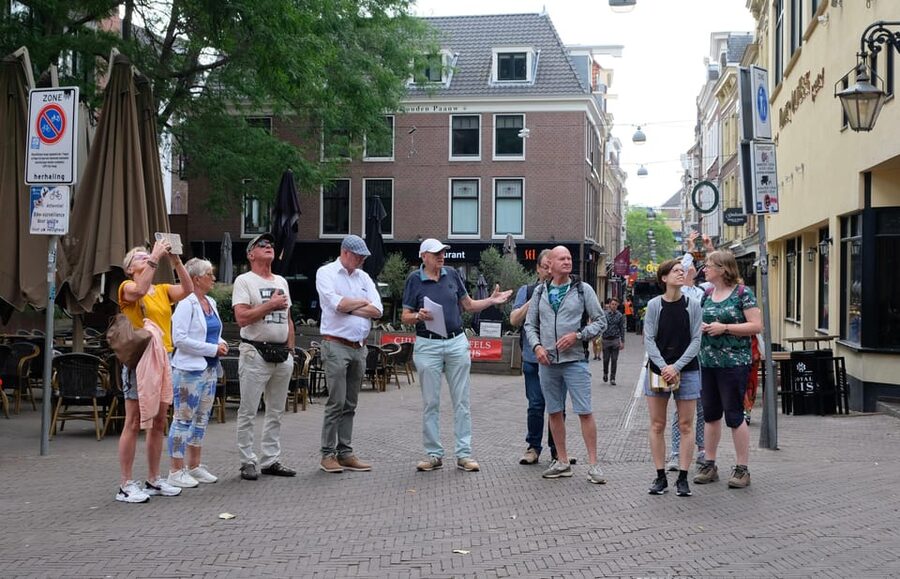
The walk begins at ’t Goude Hooft, at the small square beside it. This gives you a central starting point and places you near the older part of The Hague from the first minute.
The meeting point is worth noting carefully because the courtyards themselves can be hard to identify from the street. You should arrive with the name of the starting place ready on your phone, then look for the guide and the group near the little square.
The activity lasts 1.5 hours. That is long enough to build a story about the hofjes and connect them with nearby monuments, but short enough to fit before a museum visit, lunch, or another city stop. At $9 per person, it is also a modest addition to a day in The Hague.
The group is limited to 10 people. I consider that one of the tour’s best practical features. A large crowd would make narrow passages awkward and could disturb residents. A small group keeps the walk more personal and helps you hear the guide without the constant shuffle of people at the back.
Entering the first quiet hofjes
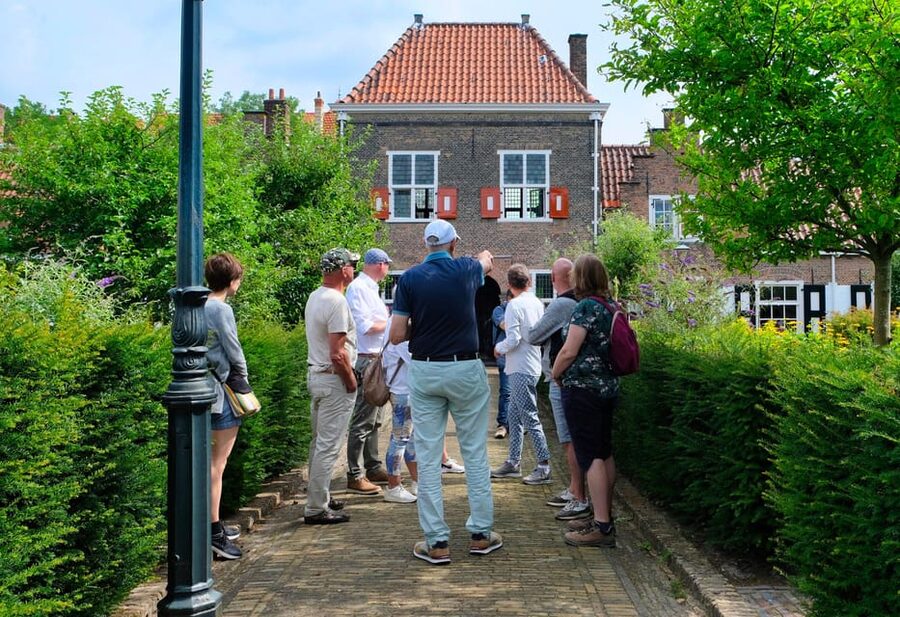
The courtyards are often hidden behind walls and houses. Some entrances may be barely visible from the public street, which is part of the fun. The guide helps you notice the openings, doors, and passageways that you might otherwise walk past.
Once inside, the atmosphere changes. The noise of the city drops away, and the shared courtyard feels separate from the streets around it. The homes are arranged around a common space, giving the residents a sense of privacy while keeping them close to one another.
The appeal is not based on one spectacular monument. Instead, it comes from small details working together: the arrangement of the homes, the enclosed space, the old building style, and the idea behind the housing. You get a better sense of The Hague by seeing how the city made room for people with limited money and few options.
The term hofje is useful to know, but the experience is more than learning a Dutch word. You see a practical housing pattern that combined charity, order, and community. The guide’s job is to connect those pieces so the courtyards do not seem like isolated architectural curiosities.
Renaissance details and everyday housing
Renaissance influence is one of the stated themes of the walk. The guide may point out features that link the courtyards and nearby buildings to the period, along with the design choices that make each place different.
Do not expect a tour focused only on famous masterpieces. The pleasure comes from seeing how architectural ideas appeared in everyday housing. The courtyards show how decoration and practical needs could share the same small space.
The walk also puts grander sights into context. As you move between courtyards, the guide discusses other locations and monuments along the route. This makes the tour feel like a broader introduction to the historic center rather than a single-subject lecture.
The exact number of real hofjes you see may not match your hopes. One person wanted more traditional courtyards, so you should book this as a walk about The Hague’s courtyards and related history, not as a guaranteed checklist of secluded residential compounds. The extra streets, monuments, and stories are part of the design.
Same base, a completely different sort of day:
- The Hague: Mauritshuis Entrance Ticket
★ 4.7 · 2,706 reviews - The Hague: City Canal Cruise
★ 4.6 · 2,024 reviews - The Hague: Madurodam Miniature Park Entry Ticket
★ 4.6 · 1,559 reviews - The Hague: The Pier SkyView Ticket with Drink and Snack
★ 4.4 · 1,398 reviews
Charity, age, and the people who lived here
The strongest human element is the story of who used these homes. The courtyards were created for poor and elderly people, which gives the buildings a different meaning from a wealthy private residence or a royal site.
This is where a good guide can make the route memorable. Hans is described as someone who knows a great deal and treats the courtyards and their residents with care. Kees is praised for enthusiasm and for bringing fresh impressions to a familiar city. Those qualities matter because the subject calls for respect rather than loud performance.
The guides also appear able to adjust the Dutch tour when foreign visitors are present. That does not change the official language, which is Dutch, but it suggests that the guide may take account of the group when explaining the route.
You should be realistic about language. The live guide speaks Dutch, and the activity is officially listed only in Dutch. If you do not understand Dutch, much of the historical explanation may be difficult to follow. If you do speak Dutch, the tour’s simple format and small group make it a useful way to hear local history from a city guide rather than read it from a sign.
Meeting Hans or Kees on the route
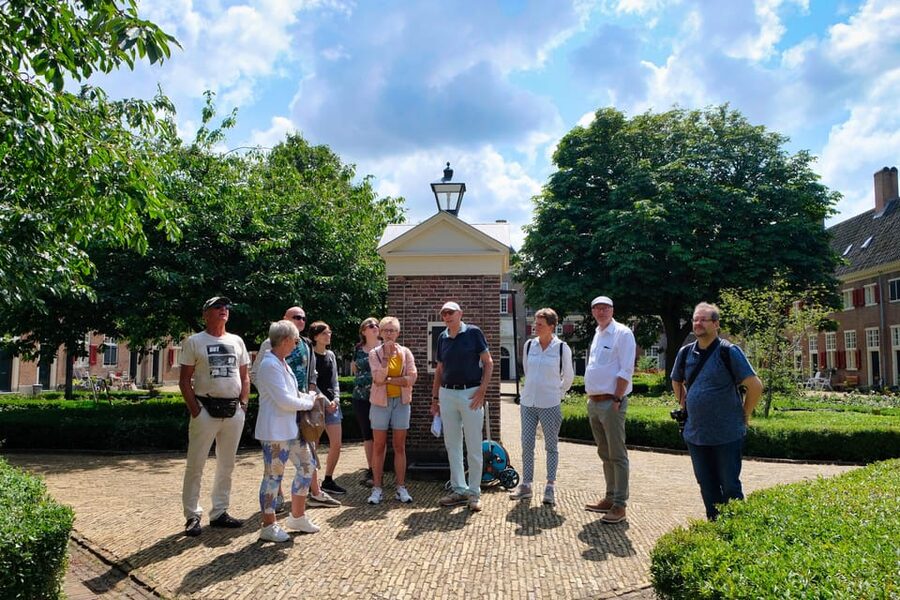
The named guides associated with this experience are Hans and Kees. Hans is noted for explaining a great deal, treating the courtyards respectfully, and adapting the Dutch presentation for two people from abroad. Kees is described as enthusiastic and able to offer new impressions, even to someone who already knows The Hague.
A guide makes a real difference here because the courtyards are not always self-explanatory. Without context, you might notice a peaceful enclosed garden and a row of small homes, then move on. With context, you can think about the charitable purpose, the residents, and the way the city has preserved a traditional form of housing.
The guide also fills the spaces between the main courtyard visits. Other monuments and interesting locations appear along the way, and the guide takes time to explain their history or a notable feature. That wider route helps if you are hoping to understand the center of The Hague rather than simply enter one courtyard after another.
The tone seems more informative and friendly than theatrical. One Dutch participant described the experience as interesting, pleasant, and entertaining. That is a good fit for a city walk where careful observation matters more than spectacle.
What the 1.5-hour route feels like
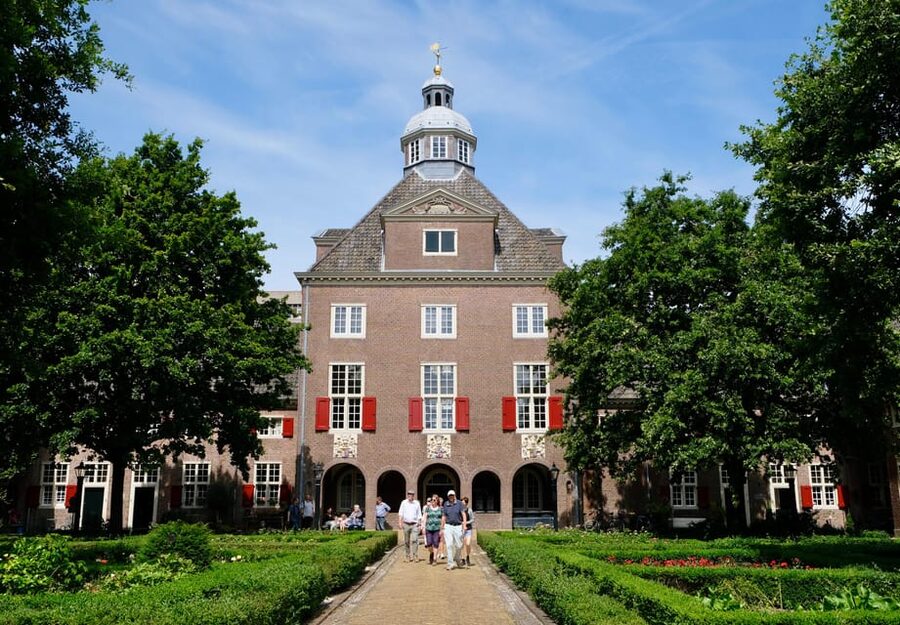
The route begins in the central city, then moves toward the less obvious spaces behind the main streets. You will pass through public areas before reaching entrances that reveal the courtyards.
Inside the hofjes, the pace should be slower. The guide needs time to explain why the homes were built, who lived there, and how the shared space worked. You may pause at entrances, gardens, walls, or small architectural details.
Between these stops, the walk returns to the streets and passes other monuments. This gives the route a natural rhythm: public city, quiet courtyard, public city again. The change helps you understand why the hofjes were designed as enclosed places.
The route is not presented as a strenuous hike. It lasts 90 minutes and is listed as wheelchair accessible. That is useful for anyone who needs step-free access, although the supplied information does not specify the surface or access conditions at every courtyard. If that detail matters to you, confirm it before booking.
Because the homes remain residential, the walk depends on good conduct. Keep your voice low, stay with the guide, and do not treat the courtyards as photo sets. The history of charity is more meaningful when the people who live there now are given the same consideration as those who lived there centuries ago.
The value of a $9 walking tour
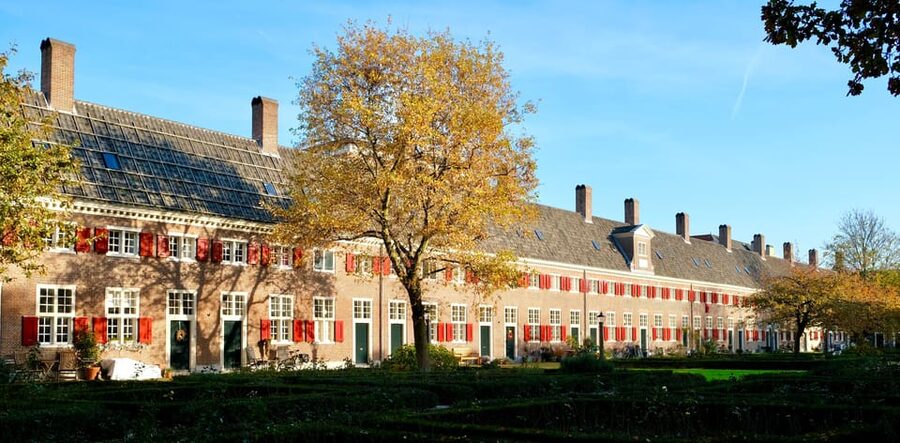
At $9 per person, this is an unusually affordable way to spend 1.5 hours in The Hague. You receive a live Dutch-speaking guide, a small group capped at 10, and an introduction to places you may not notice on an ordinary city stroll.
The value is strongest if you care about local history and urban design. The tour does not promise a famous museum collection or a major landmark interior. Instead, it gives you access to a quieter part of the city and explains why those spaces exist.
The price also makes the tour easy to add to a larger itinerary. You can use it as a short orientation walk, then visit a museum or monument afterward. It is not a major financial commitment, and you can cancel up to 24 hours before the start for a full refund. You can also reserve now and pay later, which helps if your city plans are still changing.
At this price, do not expect a private guide or an extended route through every courtyard in The Hague. The small group improves the experience, but the tour still follows a fixed 90-minute format. Its value comes from the subject, the guide, and the access to less obvious corners of the city.
Who will enjoy this walk most
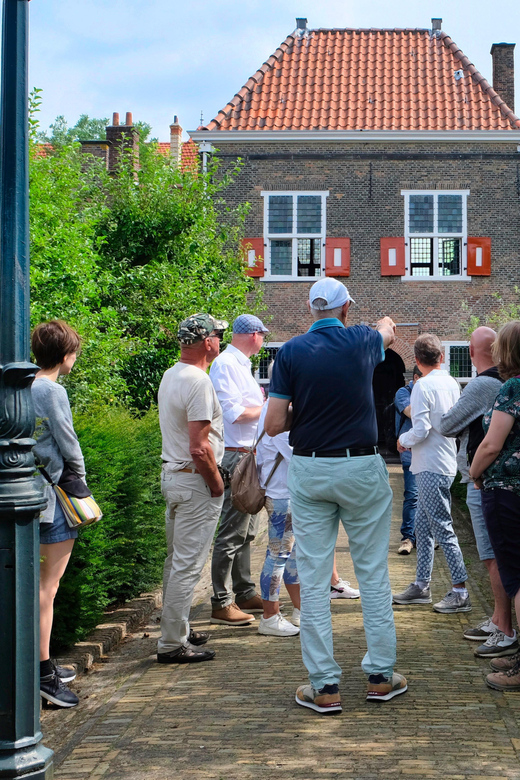
I would choose this tour if you have already seen The Hague’s main sights and want a different view of the center. It also works well early in a visit because the guide points out other locations and monuments you can return to later.
It suits people who enjoy architecture, social history, old neighborhoods, and quiet spaces. Families with older children may appreciate the clear story of charity and housing, though the official information does not list a specific minimum age.
Dutch speakers will get the most from the live explanations. People who do not speak Dutch may still enjoy the courtyards and route, but the language limit is an important drawback. Ask yourself whether you are happy to experience the setting visually while missing some of the detail.
The walk is also a good choice for visitors who prefer a small group. Ten people is large enough to feel social but small enough for the guide to respond to questions and adjust the explanation. If you dislike crowded tours, this format is a strong point.
Practical cautions before you reserve
Pets are not allowed, although assistance dogs are permitted. There was confusion about dogs on one occasion, with a guide making an exception, but you should follow the stated rule rather than count on special permission.
The language is Dutch. That is the single most important booking detail. If you are not comfortable with Dutch, check whether you have a companion who can translate, or consider a different activity if the historical explanation is your main reason for going.
The tour is wheelchair accessible, which makes it more broadly usable than many old-city walks. Still, the information does not describe each courtyard entrance, so anyone needing precise access details should confirm them directly before booking.
The group meets at ’t Goude Hooft, at the small square. The duration is 1.5 hours, and starting times depend on availability. A booking can be canceled up to 24 hours ahead for a full refund, and payment can be delayed when you reserve.
Should you book the Courtyard Walking Tour?
Book it if you want to see The Hague through its charitable housing, quiet courtyards, and everyday history. The $9 price is fair, the 10-person limit is helpful, and guides such as Hans and Kees bring local knowledge and a respectful tone to places that can be easy to miss.
Think twice if you want a tour conducted in English, a long list of courtyard interiors, or a route centered only on major landmarks. The walk may include fewer traditional hofjes than you expect, but it adds monuments and other central-city stories along the way.
For Dutch speakers, architecture fans, and anyone who likes finding a calmer side of a city, this is an easy recommendation. You get a short, affordable introduction to a distinctly Dutch way of living, with enough time left in the day for the rest of The Hague.
FAQ
Where does the Courtyard Walking Tour meet?
The meeting point is ’t Goude Hooft, at the small square beside it.
How long does the tour last?
The walk lasts 1.5 hours.
How much does the tour cost?
The price is $9 per person.
What language is the tour in?
The live tour guide speaks Dutch. Dutch is the only listed tour language.
How many people can join the group?
The activity is a small-group tour limited to 10 participants.
Is the tour wheelchair accessible?
Yes, the activity is listed as wheelchair accessible.
Are pets allowed?
Pets are not allowed. Assistance dogs are permitted.
What does the tour focus on?
The walk focuses on The Hague’s courtyards, Renaissance features, charity housing, and other monuments and interesting places along the route.
Can I cancel the booking?
Yes. You can cancel up to 24 hours in advance for a full refund. You can also reserve now and pay later.
Just added around The Hague
- The Hague Tower Guided Tour★ 4.5 · 45 reviews
- The Hague: Powerboat Tour Scheveningen★ 4.5 · 15 reviews
- The Hague Walking Tour★ 4.5 · 16 reviews
- The Hague: Ping Pong Table Rental at a Secret Ping Pong Bar★ 4.5 · 7 reviews
- The Hague: Private Boattour up to 10 persons★ 4.9 · 37 reviews
- The Hague: Prison Gate Museum★ 4.5 · 58 reviews
- The Hague: Highlights Bike Tour★ 4.6 · 135 reviews
- The Hague : Must-See attractions Private Walking Tour★ 4.8 · 9 reviews
Walking Tours, compared.
Anne Frank’s Story – Guided Walking Tour through Amsterdam
Read our review →
Life of Anne Frank and World War II Walking Tour
Read our review →
Absolutely Amsterdam – the Essential Introductory Walking Tour
Read our review →

Anne Frank Walking Tour – Guided in EN/DE/IT/ES
Read our review →

Anne Frank Walking Tour Amsterdam Including Jewish Cultural Quarter
Read our review →Browse the lists this tour appears in