

Reviewed · ANNE FRANK TOURS
Amsterdam: Anne Frank Walking Tour – Guided in EN/DE/IT/ES
Amsterdam’s Jewish Quarter tells two very different stories: the rise of a Jewish community that helped shape the city, and the near destruction of that community under Nazi rule. This two-hour walking tour links those stories through Nieuwmarkt, the Portuguese Synagogue, the Auschwitz Monument, and the National Holocaust Names Monument, with passages from Anne Frank’s diary along the way.
I like the way the route joins famous places with quieter details, including Stolpersteine, old homes, memorials, and the gate of a former plague cemetery. I also like the guides’ use of diary passages to give the history a human voice. Guides such as Valentina, Josh, Emilia, Julia, Charlotte, Deborah, and David have been praised for clear storytelling and a respectful approach.
The main thing to know is that this is not a visit to the Anne Frank House. You will not see or enter it, and the tour focuses on the Jewish Quarter east of the historic center. The walk covers about 2 to 3 kilometers, often on city streets, so comfortable shoes matter.
Key points to know before booking

- Anne Frank’s diary shapes the tour: Passages from the diary help connect Amsterdam’s streets with the experience of hiding, fear, and loss.
- The route covers major memorial sites: You visit the Portuguese Synagogue, Auschwitz Monument, The Dokwerker, and the National Holocaust Names Monument.
- The focus is broader than Anne Frank: You also learn about Amsterdam’s Jewish community, the February Strike, resistance networks, and Jewish life today.
- Guides make a real difference: Valentina, Josh, Emilia, Julia, Charlotte, Deborah, and David are among the guides praised for clear, passionate presentations.
- It is a compact but serious walk: Expect about 2 to 3 kilometers over two hours, with stops for stories and discussion.
- You choose one language: Tours are offered in English, German, Italian, or Spanish. The experience is not bilingual.
Starting at Waag in Nieuwmarkt

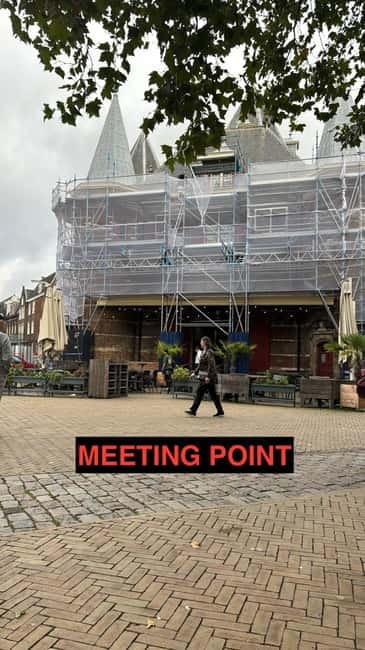
The meeting point is outside De Waag, the old castle-like building in the middle of Nieuwmarkt. Find the entrance to the restaurant and look for a guide wearing a red name tag.
This detail matters because mapping apps can send you to the back of the building. If you see the Jolly Joker coffeeshop, you are on the wrong side. Walk around De Waag to the front entrance. Nieuwmarkt is a useful place to arrive early, with cafés and restaurants nearby, but do not count on a last-minute sprint across the square.
The tour begins in one of Amsterdam’s oldest central areas and then moves into the Jewish Quarter. That change in setting helps frame the story. You are not simply following one famous person. You are looking at a district shaped by migration, trade, religion, art, war, and remembrance.
More Walking Tours in Amsterdam
- Anne Frank’s Story – Guided Walking Tour through Amsterdam
★ 5.0 · 11,619 reviews - Amsterdam: Life of Anne Frank and World War II Walking Tour
★ 4.8 · 10,467 reviews - Absolutely Amsterdam – the Essential Introductory Walking Tour
★ 5.0 · 3,629 reviews
From Nieuwmarkt to Zuiderkerk
Nieuwmarkt Square is the first guided stop, with about ten minutes devoted to the area. Here, the guide begins explaining how Jewish residents shaped Amsterdam after being expelled from parts of Europe by the Spanish Inquisition.
The story is not presented as a simple tale of arrival and success. Jewish residents helped make Amsterdam an important commercial center, and their presence influenced the city’s buildings, streets, businesses, and institutions. The guide also explains why this part of Amsterdam became an important place for Jewish settlement.
The next stop is Zuiderkerk, where you spend about ten minutes. This is a useful point for understanding the mixed character of the neighborhood. Jewish and non-Jewish residents lived near one another, and the quarter was never sealed off from the rest of Amsterdam.
I appreciate this early context because it keeps the tour from becoming only a World War II memorial walk. You first see the community as a living part of the city, with work, homes, faith, and public life. That makes the later discussion of persecution more painful and more meaningful.
Huis de Pinto and the Jewish Triangle
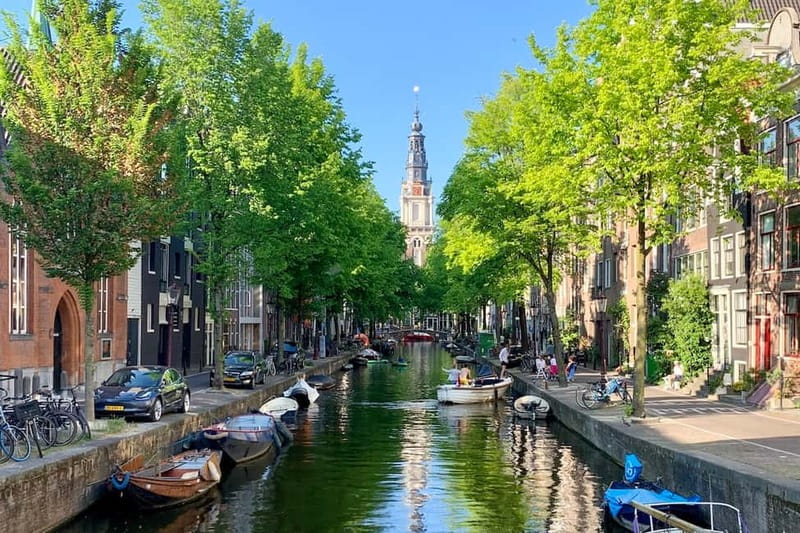
At Huis de Pinto, the guide gives a shorter five-minute stop. The house helps show the connection between Amsterdam’s grand homes and its Jewish past. The route then continues toward the Rembrandt House, in the heart of the area often called the Jewish Triangle.
This section is especially useful if you want to understand why the Jewish Quarter mattered beyond its religious buildings. It was a neighborhood where Jewish life developed alongside the lives of other Amsterdammers. You may also hear about famous non-Jewish residents, including Rembrandt van Rijn, who lived in the middle of the Jewish quarter.
The short stop at Huis de Pinto will not satisfy anyone looking for a long architectural visit. That is not its purpose. The guide uses the building as part of a moving street lesson, not as a museum visit.
Rembrandt House and Sint Antoniesluis
The Rembrandt House receives about fifteen minutes, making it one of the longer stops on the first half of the walk. The guide links the painter’s home to the surrounding district and explains how Jewish and non-Jewish stories overlapped in this part of Amsterdam.
This is one of the route’s strongest ideas. You see that the Jewish Quarter was not an isolated pocket visited only by Jewish residents. It was part of the city’s everyday life, and its streets held homes, businesses, places of worship, and artistic connections.
At Sint Antoniesluis, the guide spends about ten minutes. The stop continues the neighborhood story before the tour turns more directly toward Jewish institutions and wartime memory. You will be walking through an ordinary part of Amsterdam while hearing about events that changed the lives of thousands of people.
Bring water and wear shoes that can handle uneven city walking. The pace is intended to be manageable, and several guides have been praised for checking in with the group, answering questions, and allowing an occasional practical pause. Still, two hours on foot can feel longer if you arrive tired.
More Anne Frank and wartime walks:
- Amsterdam: Anne Frank Guided Small Group Walking Tour
★ 4.8 · 2,722 reviews - Anne Frank Walking Tour Amsterdam Including Jewish Cultural Quarter
★ 5.0 · 1,879 reviews - Anne Frank’s Last Walk & See Anne Frank House in Virtual Reality
★ 5.0 · 957 reviews - Anne Frank and Jewish Quarter Amsterdam Private Walking Tour
★ 5.0 · 684 reviews
The Portuguese Synagogue and Jewish Historical Museum
The Portuguese Synagogue is a photo stop and a guided stop of about ten minutes. Its presence reflects the long-standing Portuguese Jewish community in Amsterdam and the religious life that developed here.
You do not pay admission fees during this walking tour, and the route does not function as an interior museum visit. The value comes from seeing the building in context and hearing how Jewish communities helped shape Amsterdam across several centuries.
The Jewish Historical Museum receives about five minutes. That is enough for a concise explanation, but not enough for a full museum visit. If you want exhibits, objects, and extended time with Amsterdam’s Jewish past, plan a separate visit. This tour gives you the street-level framework first.
The route also points out Jewish relics and memorial traces, including Stolpersteine. These small brass-covered stones, set into pavements in many European cities, mark the former homes of people murdered or persecuted by the Nazis. They are easy to miss if you are walking alone. A guide helps you notice these quiet markers and understand why they matter.
Anne Frank’s story without the Anne Frank House
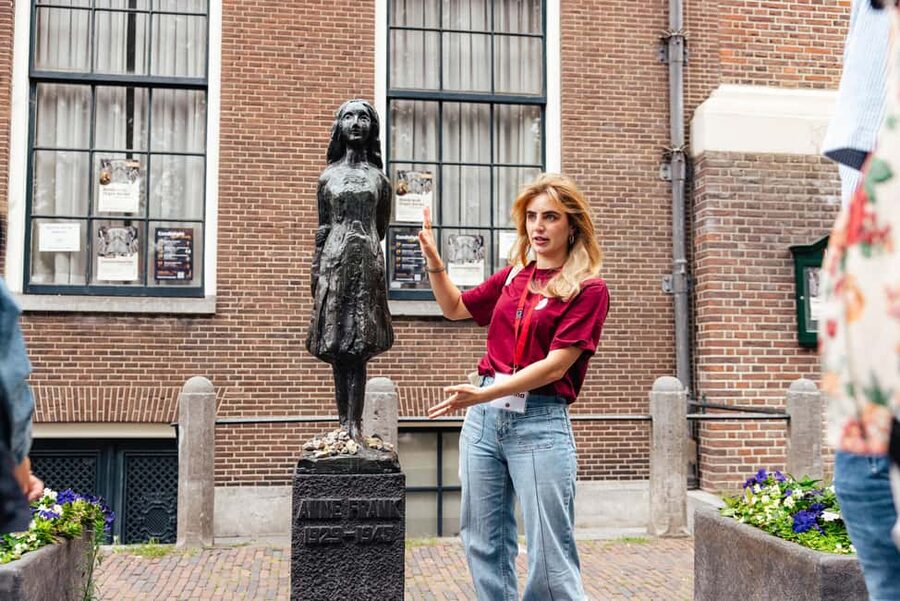
Anne Frank’s story is present throughout the walk, but the Anne Frank House is not visited or even seen. That is the most important booking warning.
The guide uses selected passages from Anne’s diary to connect the wider history with one young person’s experience. Several guides, including Lili, Valentina, Julia, Kaya, and David, have been praised for reading passages clearly and respectfully. This approach gives the tour an emotional thread without pretending that the route can recreate the secret annex.
You should book this experience if you want historical context around Anne Frank. You should not book it as a substitute for a ticket to the Anne Frank House. The two experiences serve different purposes. This walk explains the surrounding Jewish community, occupation, deportation, and resistance. The house visit, when available, focuses on the hiding place and the Frank family’s immediate surroundings.
The diary passages also help prevent the tour from becoming a list of dates and monuments. They bring attention back to a young writer trying to make sense of fear, confinement, hope, and ordinary life during extraordinary danger.
Auschwitz Monument and The Dokwerker
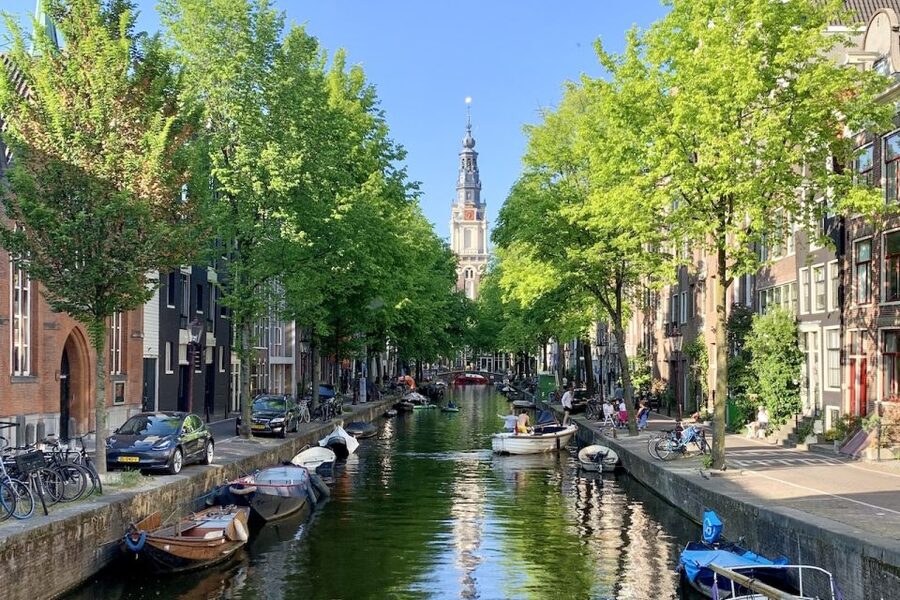
The Auschwitz Monument receives about ten minutes of guided time. This is one of the route’s most solemn stops, and the guide explains the connection between Amsterdam’s Jewish community and the deportations during World War II.
The story here is difficult. Thousands of Amsterdam’s Jews were deported, and very few returned. The guide places that loss within the larger system of discrimination, Nazi occupation, deportation, and murder. Expect a serious tone. This is not a light sightseeing walk, and families with young children should consider how they want to approach the subject.
The Dokwerker follows with a shorter five-minute stop. The statue recalls the February Strike of 1941, when workers in Amsterdam protested the persecution and deportation of Jewish residents. The strike did not stop the Holocaust, but it remains an important example of public resistance.
The tour also addresses resistance by Jewish and non-Jewish residents. You hear about people who helped others hide or escape, often at great personal risk. This gives the history another necessary layer. The period was marked by collaboration and persecution, but also by people who refused to accept what was happening.
National Holocaust Names Monument
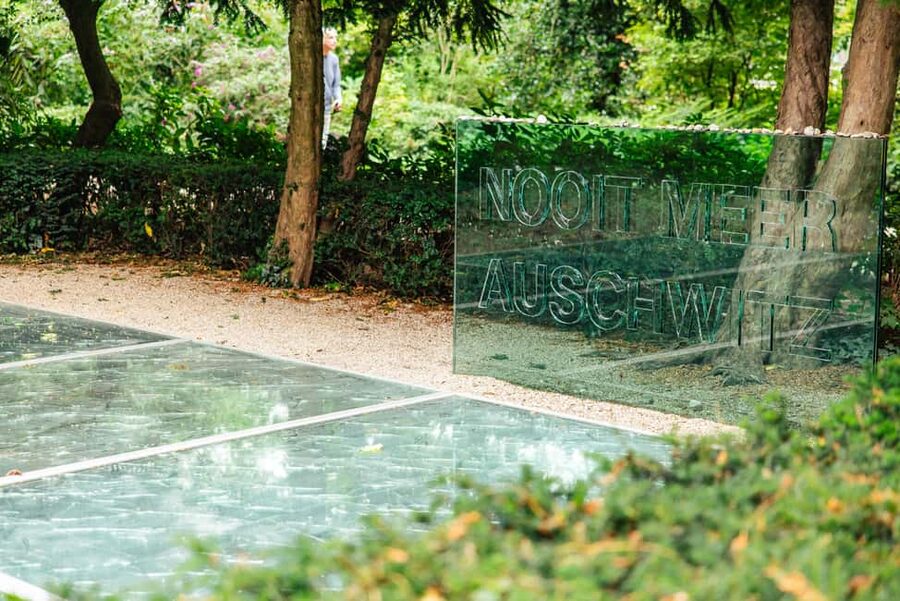
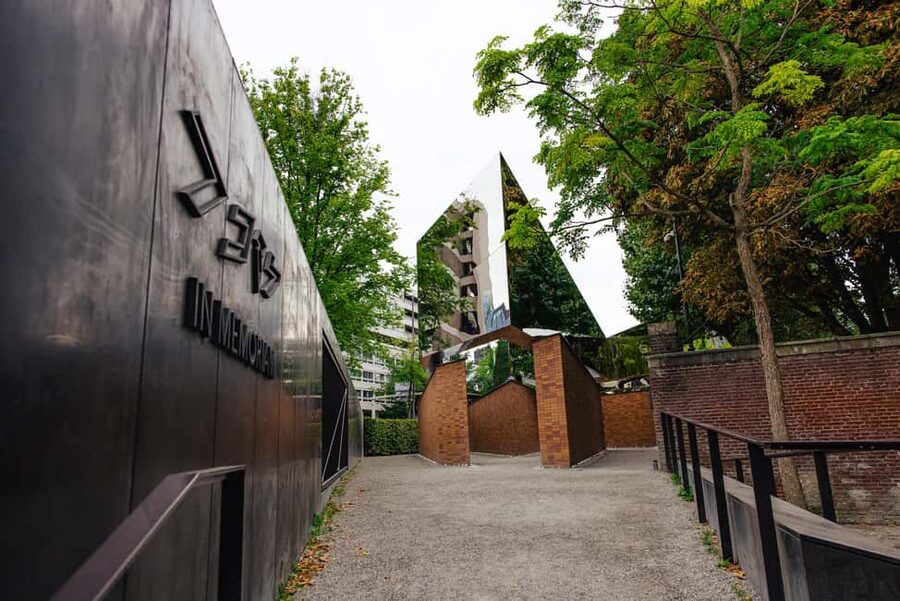
The final major stop is the National Holocaust Names Monument, where the guided visit lasts about fifteen minutes. The monument is also a photo stop, though the subject calls for restraint and respect.
Here, the scale of the loss becomes harder to avoid. Names are more personal than a statistic. A guide can explain the monument and help you connect the individual names with the larger story of Amsterdam’s Jewish community.
The published route finishes at the National Holocaust Names Monument. The meeting-point information also says the activity ends back at the starting point, so check the exact end instructions for your departure. Either way, allow a little time afterward before scheduling another activity.
This final stop is a strong reason to take the tour early in your Amsterdam visit. It gives you a framework for other sites, museums, plaques, and memorials you may encounter during the rest of your stay.
What the guides do best

The most praised part of this experience is the guide’s delivery. Valentina is noted for her strong command of the subject and her use of diary passages. Josh is praised for patient explanations, personal insights, and a large store of historical detail. Emilia receives praise for explaining each location carefully and answering questions.
Other guides bring different strengths. Deborah is described as clear and helpful with both Jewish Quarter history and Dutch life. Charlotte is praised for an easy, friendly presentation that moves away from crowded areas quickly. David is noted for a well-paced tour and thoughtful readings from the diary.
These individual names matter because a history tour depends heavily on the person leading it. The guides are expected to be enthusiastic and respectful, but each may tell the story in a slightly different way. You can choose English, German, Italian, or Spanish, but the tour is offered in one language only.
The strongest guide approach combines three things: solid historical explanation, careful use of Anne’s words, and room for questions. That mix appears repeatedly in the feedback, and it is what makes the walk feel like more than a standard city orientation.
Price, pace, and practical value
At $28 per person, this is a reasonable price for a two-hour guided walk covering about 2 to 3 kilometers. You are paying for a structured route, a live guide, language choice, and historical interpretation rather than entry to paid attractions.
The value is best if you want orientation and context. A guide can point out details you would likely pass, connect the Portuguese Synagogue with the wider community, and explain why the February Strike and resistance movement matter. The tour also saves you from trying to assemble the route yourself.
The price is less appealing if you want long interior visits. Admission is not included because the route does not require admission fees, and the experience is primarily outdoors. Food and drinks are also not included.
Free cancellation up to 24 hours before the start gives you some flexibility, and you can reserve now and pay later. The tour runs in all weather, so bring an umbrella or rain jacket when needed. It is wheelchair accessible, and private groups are available.
Who should take this walk
I would choose this tour if you want a clear introduction to Amsterdam’s Jewish Quarter, World War II, Anne Frank’s wider context, and present-day Jewish life. It suits first-time visitors, history-minded adults, and anyone who wants a meaningful activity away from the busiest central sights.
It is also a good first-day choice. The route can help you understand memorials and Jewish sites you encounter later, and guides may answer wider questions about Amsterdam along the way.
I would be more cautious if you are looking for a relaxed sightseeing stroll. The subject is painful, the walk takes two hours, and several stops call for quiet attention. It is not a replacement for the Anne Frank House, a museum visit, or a full study of Dutch wartime history.
Should you book it?
Book this tour if you want human stories tied to real places, especially if you value diary readings and a guide who can explain difficult history with care. The combination of Anne Frank’s words, the Jewish Quarter, resistance stories, and major memorials gives you a useful picture of Amsterdam before, during, and after the war.
Skip it if you mainly want to enter the Anne Frank House or spend most of your time indoors. For everyone else, $28 buys a focused, serious walk with a strong route and a practical introduction to one of Amsterdam’s most important subjects.
FAQ
How long does the Anne Frank walking tour last?
The tour lasts two hours.
How far does the walking route cover?
The walk covers about 2 to 3 kilometers.
Does the tour visit the Anne Frank House?
No. The Anne Frank House is not visited or seen during this tour.
Which languages are available?
The tour is available in English, German, Italian, or Spanish.
Is the tour bilingual?
No. You choose one language for the tour rather than receiving a bilingual presentation.
Where does the tour start?
It starts at the entrance to the restaurant De Waag, in the middle of Nieuwmarkt Square.
How do I find the guide at De Waag?
Look for a guide wearing a red name tag. Mapping apps may send you to the back of the building, so walk around De Waag if you see the Jolly Joker coffeeshop.
Does the tour include entrance fees?
No admission fees are needed during the walking tour. Food and drinks are not included.
Is the tour wheelchair accessible?
Yes, the activity is listed as wheelchair accessible.
Can I cancel the booking?
Yes. You can cancel up to 24 hours in advance for a full refund.
Just added around Amsterdam
- Private sightseeing tour to Bruges and chocolate from Amsterdam★ 5.0 · 11 reviews
- Amsterdam: Rijksmuseum (Private Tour & Priority Access)★ 5.0 · 27 reviews
- Amsterdam: Private Romantic Evening Canal Cruise + Bubbles/Snacks★ 5.0 · 46 reviews
- Amsterdam Private Shopping Experience★ 5.0 · 7 reviews
- Rijksmuseum Amsterdam Private Guided Tour★ 5.0 · 57 reviews
- Amsterdam Rijksmuseum PRIVATE TOUR with a Local Private Guide★ 5.0 · 159 reviews
- Private Photo Session in Amsterdam★ 5.0 · 15 reviews
- Private One way Transfer Amsterdam Airport to Amsterdam★ 3.5 · 42 reviews
Anne Frank Tours, compared.
Anne Frank’s Story – Guided Walking Tour through Amsterdam
Read our review →
Life of Anne Frank and World War II Walking Tour
Read our review →
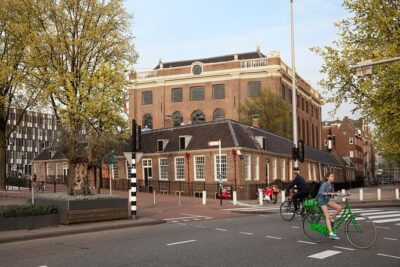
Anne Frank Walking Tour Amsterdam Including Jewish Cultural Quarter
Read our review →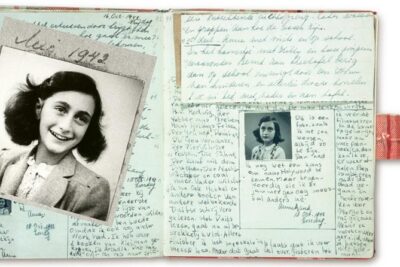
Anne Frank’s Last Walk & See Anne Frank House in Virtual Reality
Read our review →
Anne Frank and Jewish Quarter Amsterdam Private Walking Tour
Read our review →

Browse the lists this tour appears in