
Reviewed · WALKING TOURS
2H Walking Tour Maastricht
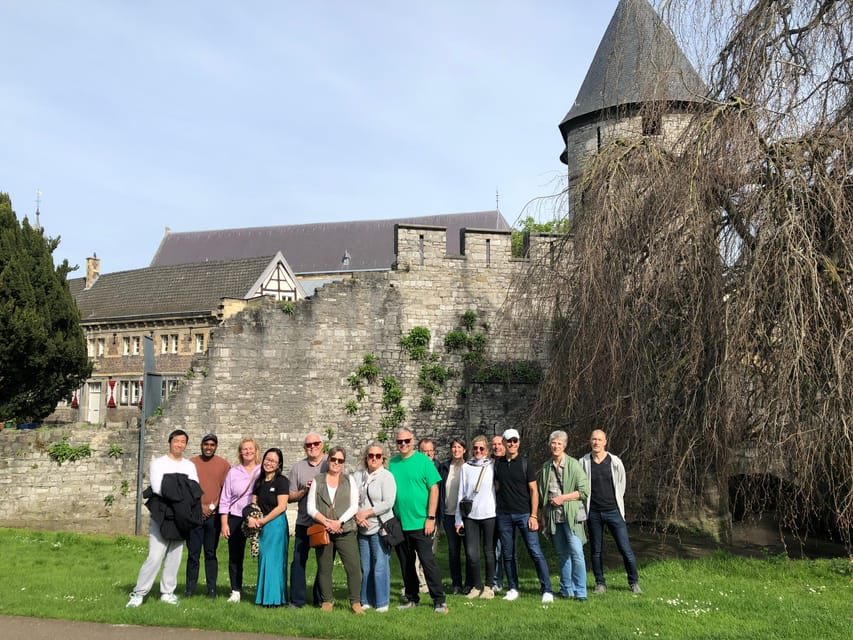
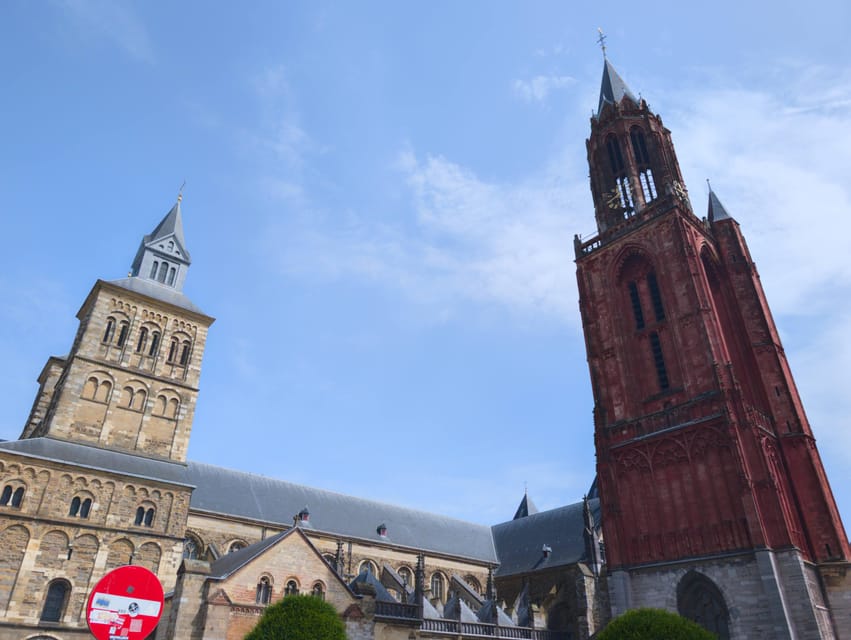
Maastricht reveals itself best on foot, one old lane at a time. This two-hour walk links Our Lady’s Basilica, Vrijthof, Saint Servatius, and Helpoort with courtyards and side streets that are easy to miss on your own.
I like the small group, limited to eight, and the guide’s personal approach. I also like the mix of famous sights and quieter corners, with Ronan praised for clear English, humor, and local knowledge. The main consideration is that this is a tip-based tour, so the low $3.41 booking price is not the full cost of the experience.
Key points at a glance
- A compact two-hour route: Walk about 2 to 3 kilometers and return to the starting point.
- The white umbrella meeting point: Begin at the Basilica of Our Lady, where the guide is easy to spot.
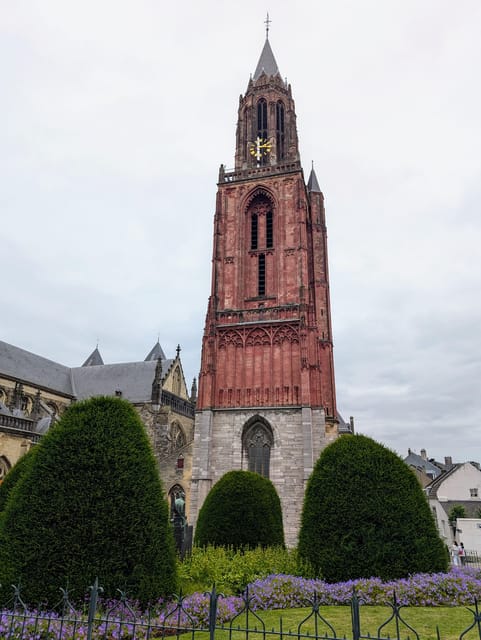
- Maastricht’s major squares and churches: See Onze Lieve Vrouweplein, Vrijthof, and the Basilica of Saint Servatius.
- A look at the Jeker Quarter and Helpoort: Add older lanes, local stories, and one of Maastricht’s notable city gates.
- A genuinely small group: With no more than eight participants, you can ask questions without shouting across a crowd.
- A tip-based format: The listed price is only a booking price, so plan to tip according to the value you receive.
Why two hours works well in Maastricht
Maastricht is a city that rewards a slow look. The central streets are compact, and many important sights sit close enough together for a walking route to connect them without a bus or taxi. In two hours, you can get a useful first picture of the city before deciding where to return later.
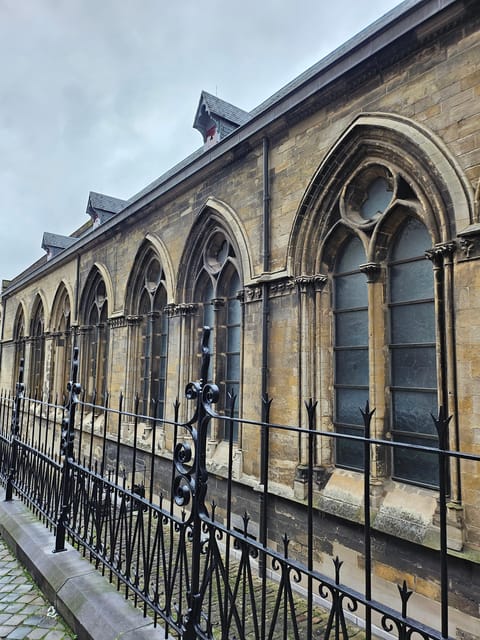
This is not a museum-heavy outing. It is built around streets, squares, churches, old defenses, courtyards, and stories. That matters because Maastricht’s character comes from the way these places fit together. You are not simply checking off a church and a gate. You are walking through the parts of town where the city’s past and present meet.
The route covers about 2 to 3 kilometers, or roughly 1 mile. That is manageable for most people, though you should still wear sensible shoes. The pace includes guided stops, photo opportunities, and time for questions rather than a nonstop march.
I would use this tour early in a Maastricht visit. You will learn the basic shape of the center, collect a few local suggestions, and gain enough context to make later wandering more rewarding. It also suits a short stay, since two hours gives you orientation without taking up a whole afternoon.
A few more Maastricht half-days worth comparing
- Maastricht 2-Hour Walking Tour | Discover The City With A Local
★ 4.5 · 57 reviews - Amsterdam: 2-Hour Canal Cruise incl. Drinks & Dutch Snacks
★ 5.0 · 594 reviews - Amsterdam 2-hour Private Canal Cruise with Live Guide and Drinks
★ 5.0 · 296 reviews
Starting at the Basilica of Our Lady
The meeting point is at the Basilica of Our Lady, with the guide waiting beneath a white umbrella. This is a practical arrangement in a busy city center, especially if you arrive a few minutes early and need to find the group quickly.
The basilica also makes a fitting starting point. It places you near one of Maastricht’s central historic areas and gives the walk an immediate sense of age and place. From here, the guide leads you into the surrounding streets rather than keeping you at one single monument.
You should bring a charged phone. The tour notes specifically suggest doing so for photos, and you will likely want your camera ready as the route moves through squares, narrow lanes, and older parts of town. Bring water too, since food and drinks are not included.
The Jeker Quarter, where the route slows down
The Jekerkwartier, or Jeker Quarter, receives a guided stop of about 20 minutes. This is one of the more appealing parts of the walk for people who prefer atmosphere and local texture over a list of major monuments.
The quarter is presented through its streets and stories, with the guide pointing out details you could easily pass without noticing. Expect the focus to be on Maastricht’s older setting, local tales, and the way the area feels different from the large public squares.
I like having this section near the start of the route. Famous landmarks are easy to find on a map. Smaller lanes and courtyards need a guide who can explain why they matter. The tour’s emphasis on personal insight and local legends is most useful here.
The drawback is that the supplied plan does not name individual courtyards or alleys. If you want a precise list of every lane before booking, you will not get that level of detail in advance. The experience is better understood as a guided introduction to the area than as a formal architectural survey.
Saint Servatius and the grand scale of Maastricht
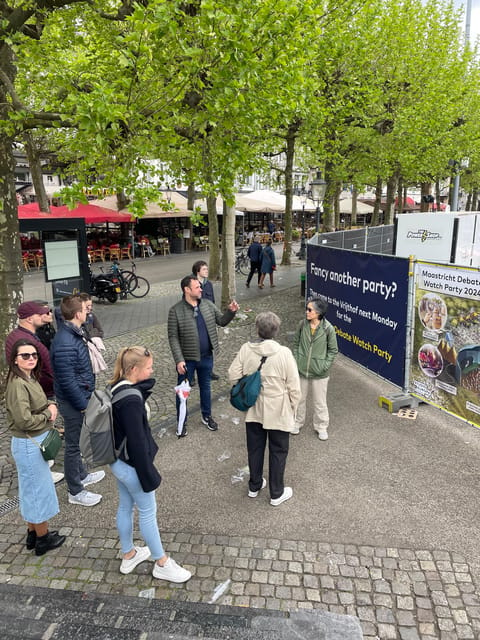
The Basilica of Saint Servatius receives another 20-minute guided stop. Its presence adds a grander scale to the walk after the more intimate streets of the Jeker Quarter.
You can expect the guide to explain the basilica and its place in Maastricht’s story, while also giving you time to take in the setting. Since the tour is conducted in English, the stop is designed for spoken explanation rather than a self-guided visit with written material.
This is one of the points where a small group helps. A group of eight or fewer allows the guide to keep everyone together and makes questions practical. The experience is not built around a large audio system or a distant lecture. It is meant to feel like a conversation as you move through the city.
Keep your expectations measured. The listed experience offers a guided tour around the city’s highlights, but it does not state that admission to interior areas is included. Treat this as an exterior and city-walk stop unless the guide tells you otherwise on the day.
More Walking Tours in Maastricht:
- Maastricht Privat Sightseeing City Walk
★ 5.0 · 76 reviews - Best of Maastricht: Private Walking Tour with a Local
★ 5.0 · 10 reviews - Anne Frank’s Story – Guided Walking Tour through Amsterdam
★ 5.0 · 11,619 reviews - Amsterdam: Life of Anne Frank and World War II Walking Tour
★ 4.8 · 10,467 reviews
Helpoort and the old edge of the city
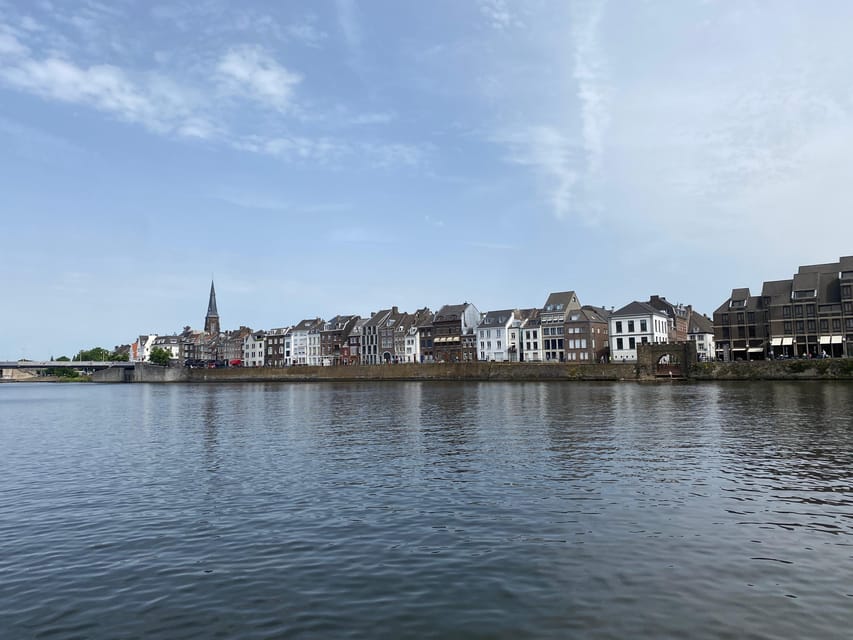
The route continues to Helpoort, with about 20 minutes of guided explanation. The gate gives the walk a defensive and historic note, showing another side of Maastricht beyond churches and squares.
A city gate can be easy to view in a few seconds. The value here comes from having someone explain what you are looking at and connect it to the streets around it. Local stories and legends are part of the tour’s style, so this stop should feel less like a quick photograph and more like a short story attached to a real place.
The route does not provide a full military-history program, and that is probably a good fit for a general city introduction. You receive a broad sense of Maastricht rather than a specialist lecture. If you want a focused study of fortifications, this two-hour walk may feel too light. If you want one memorable defensive landmark folded into a wider city tour, it fits well.
Onze Lieve Vrouweplein and the city’s public rooms
Onze Lieve Vrouweplein is one of the named highlights, and its position near the starting point helps frame the walking route. Squares are where Maastricht becomes easiest to read. They give you room to pause, look around, and understand how the surrounding streets connect.
The square also provides a useful contrast with the narrower lanes and courtyards. You move between enclosed spaces and open public areas, gaining a better feel for the city’s layout. The guide’s role is important here because a square can otherwise become just another stop for a quick picture.
The tour’s interactive format is a plus. You can ask about what you are seeing, request personal recommendations, and clarify details as you go. The experience includes tips for exploring Maastricht after the walk, which can be more useful than a long list of dates.
Vrijthof and the broadest view of the center
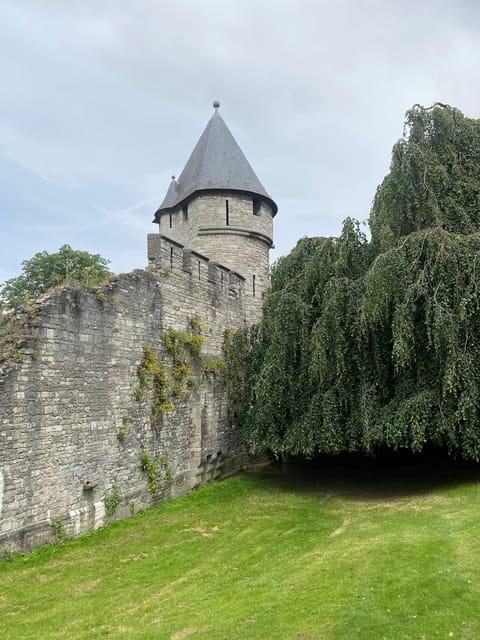
Vrijthof Square is another major highlight. Its scale gives you a different view of Maastricht from the tighter streets around the basilicas and the Jeker Quarter.
I like the way a route that includes both Vrijthof and smaller lanes can prevent the city from feeling one-dimensional. You get the formal, open face of Maastricht as well as its quieter corners. The guide can also help you understand how the landmarks relate to one another, rather than leaving you with isolated points on a map.
The exact timing at Vrijthof is not separately stated, since the final parts of the walk are listed as broader 30-minute guided sections. That means the guide may combine several nearby sights and streets into a longer stretch. You should expect a flexible walking sequence, not a rigid timetable with a separate lecture at every landmark.
The final 60 minutes and the return to Our Lady’s Basilica
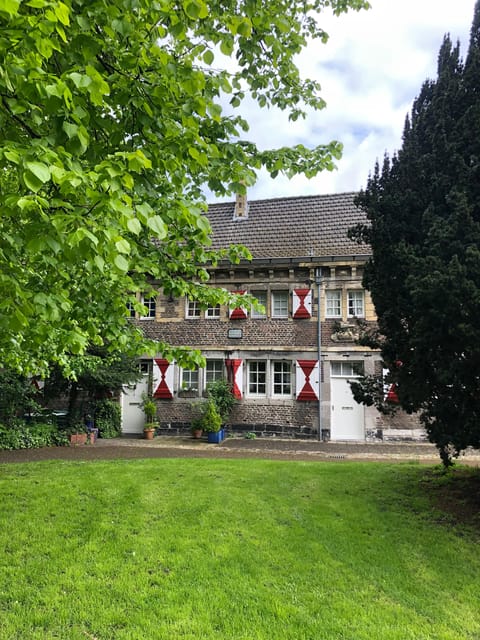
After the named stops, the plan includes one 30-minute guided section and another 30-minute guided section in Maastricht before returning to the Basilica of Our Lady. These portions are not given individual place names, so the guide has room to shape the final hour around the group and the streets along the route.
That flexibility can be useful. A guide may spend more time answering questions, pointing out an overlooked courtyard, or offering suggestions based on what interests the group. It also means you should not expect a detailed, fixed schedule for every minute.
The walk ends where it began. This is convenient if you want to continue exploring the center, find a café, or make your way to another appointment. You are not left at an unfamiliar edge of town, and there is no transport segment to organize afterward.
What the guide adds to the walk
The experience depends heavily on the person leading it. The advertised format calls for a good storyteller, personal tips, local legends, and an interactive style. That is a stronger fit for you if you enjoy conversation and context rather than reading facts from a printed sheet.
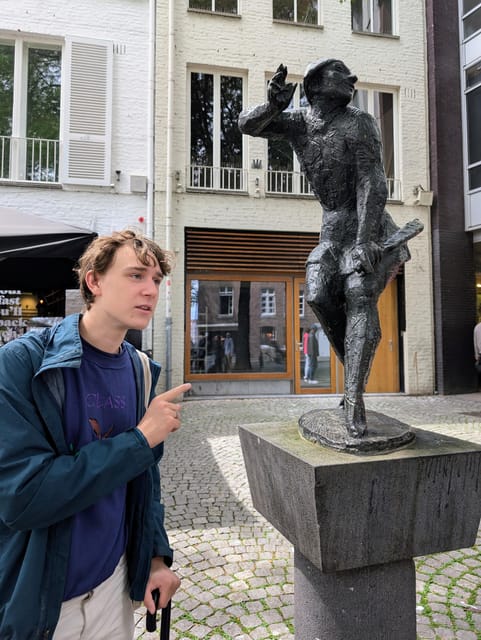
Ronan is specifically praised for introducing Maastricht’s attractions well. Another guide is described as using clear English, good humor, and strong local knowledge. The guide’s name is not provided for that second host, but the useful point is clear: communication and personality are central to the experience.
You should feel free to ask questions. The group is small enough that you can do so without interrupting a large crowd. If you like hearing why a street matters, how a local story fits a building, or where to continue after the tour, this format should suit you.
The tradeoff is that a storytelling walk can vary with the guide and the group. One departure may spend more time on legends, while another may focus more on landmarks or recommendations. That is part of the personal format, but it is less predictable than a formal history tour.
The $3.41 price and the tip-based setup
At $3.41 per person, the booking price looks remarkably low for two hours of guiding. The reason is that this is a tip-based tour. You reserve a place at the listed price, then decide what to pay the guide based on the experience.
That makes the tour flexible for a budget-conscious visitor, but you should not treat $3.41 as the complete expected payment. Carry enough money, or be ready to use the payment method the guide accepts, so you can give a fair tip after the walk.
The value depends on what you want. For a short orientation, a small group, and a guide who brings the streets to life, the format can be excellent value. You are paying for access to local explanation and a planned route, not for food, transport, or a long series of paid interior admissions.
Food and drinks are not included. Bring water, particularly in warm weather, and plan a snack or meal before or after the tour. Since the walk returns to its starting point, adding your own café stop afterward is easy.
Practical details that affect your day
The tour is conducted in English, and the group is limited to eight participants. That limit is one of the strongest practical features because it keeps the walk personal and makes it easier to hear the guide in narrow streets or public squares.
The activity is wheelchair accessible, according to the provided details. You may still want to confirm the exact route and current street conditions if you have specific mobility needs, since the experience takes place outdoors across historic streets and lanes.
Dress for changing weather. The Netherlands can shift from bright skies to rain, and this is a fully outdoor walking experience. Comfortable footwear, a light waterproof layer, and water are sensible choices.
Free cancellation is available up to 24 hours before the activity for a full refund. You can also reserve now and pay later, which helps if your schedule is still moving. Check the available starting times before booking, since the tour lasts two hours but does not list one fixed departure time.
Who will enjoy this Maastricht walk
I would recommend this tour to first-time visitors who want an introduction without giving up half a day. It also suits solo visitors and couples who prefer a small group, along with families or friends who like asking questions as they go.
History fans may enjoy the churches, gate, older quarters, and stories, though the tour stays broad rather than scholarly. It is also a good choice for anyone who wants local suggestions at the start of a visit.
You may want a different experience if you prefer a silent audio guide, a fixed lecture, or extensive interior access. The walk is social, conversational, and outdoors. Its strength is the human explanation between the sights.
Should you book the 2H Walking Tour Maastricht?
Book it if you want a short, friendly introduction to Maastricht that combines major landmarks with streets and courtyards you might overlook alone. The small group, English guide, return to the original meeting point, and two-hour length make it easy to fit into most itineraries.
Go in with the right price expectation. The $3.41 listing is a starting cost for a tip-based tour, not the whole payment. Bring water, dress for rain or sun, charge your phone, and arrive at the Basilica of Our Lady looking for the white umbrella.
For the best match, choose this walk when you value stories, humor, questions, and local recommendations more than a detailed monument-by-monument lecture. That is where this experience offers its strongest value.
FAQ
How long does the walking tour last?
The tour lasts two hours.
How far will I walk?
You will walk about 2 to 3 kilometers, or roughly 1 mile.
Where does the tour start?
The tour starts at the Basilica of Our Lady. Look for the white umbrella.
Where does the tour end?
The activity ends back at the meeting point, at the Basilica of Our Lady.
Which language is the tour conducted in?
The live tour guide speaks English.
How large is the group?
The tour is limited to eight participants.
Is the tour wheelchair accessible?
Yes. The activity is listed as wheelchair accessible.
Just added around Maastricht
- Maastricht: Segway City Tours★ 4.9 · 9 reviews
- Maastricht: Day trip from Amsterdam with 3 country point★ 5.0 · 4 reviews
- Best of Maastricht: Private Walking Tour with a Local★ 5.0 · 10 reviews
- Explore Maastricht with Passionate Tour Guides★ 3.9 · 32 reviews
- Maastricht Medieval Mystery: Interactive City Game & Tour★ 4.0 · 25 reviews
- Discover Maastricht with a self-guided Outside Escape city game★ 5.0 · 29 reviews
- Maastricht Hidden Gems Tour Uncover the Unexpected★ 4.7 · 44 reviews
- Maastricht 2-Hour Walking Tour | Discover The City With A Local★ 4.5 · 57 reviews
Walking Tours, compared.
Anne Frank’s Story – Guided Walking Tour through Amsterdam
Read our review →
Life of Anne Frank and World War II Walking Tour
Read our review →
Absolutely Amsterdam – the Essential Introductory Walking Tour
Read our review →

Anne Frank Walking Tour – Guided in EN/DE/IT/ES
Read our review →


Anne Frank Walking Tour Amsterdam Including Jewish Cultural Quarter
Read our review →Browse the lists this tour appears in