
Reviewed · LIMBURG TOURS
Maastricht Hidden Gems Tour Uncover the Unexpected
Maastricht’s story begins at the Maas River, where Roman soldiers created a crossing around 50 AD. This private walk follows that old route through Roman remains, medieval churches, city walls, and lanes that are easy to miss on your own. Fons Bollen leads the way in English, Dutch, or German.
I like the small-group format and the chance to shape the conversation around history, art, or food. I also like that the tour includes hotel pickup in central Maastricht, which saves you time finding the meeting point. The main limitation is pace: two hours is short for this many stops, so expect a lively overview rather than long visits inside buildings.
Key points to know before you book
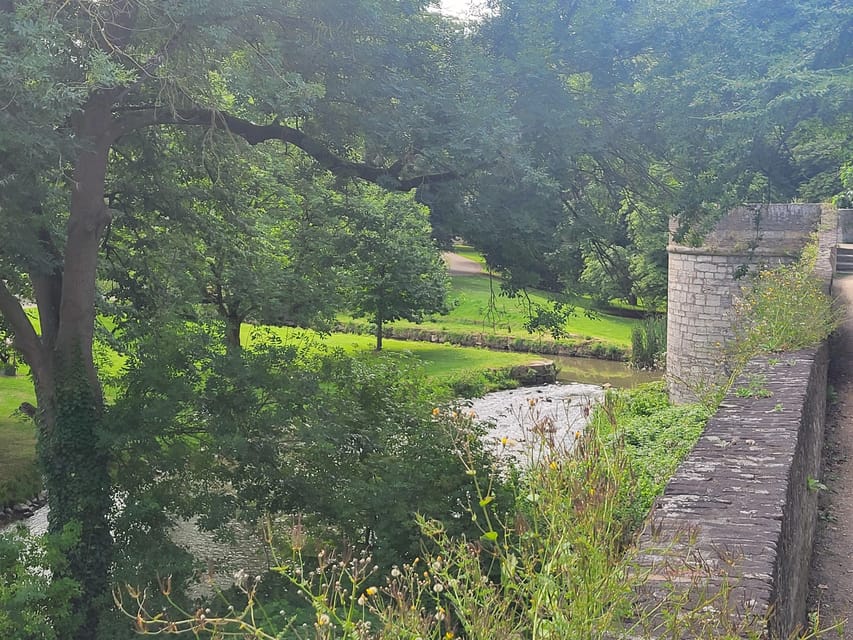
- Roman Maastricht begins at the Maas: Learn how Mosa Trajectum grew around a river crossing and trade route.
- A private group of up to 14: You get a more personal walk than on a large shared tour, with room for questions.
- Thirteen points of interest in two hours: Expect steady walking and brief stops rather than extended museum visits.
- Fons Bollen leads in three languages: Tours are available in English, Dutch, and German.
- The Mestreechter Geis matters: The walk connects monuments with the friendly, sociable character of Maastricht.
- $235 works best for a group: Split among several people, the fixed price can offer good value, but it is costly for one or two guests.
Start at Maastricht-Centrum and follow the Roman crossing
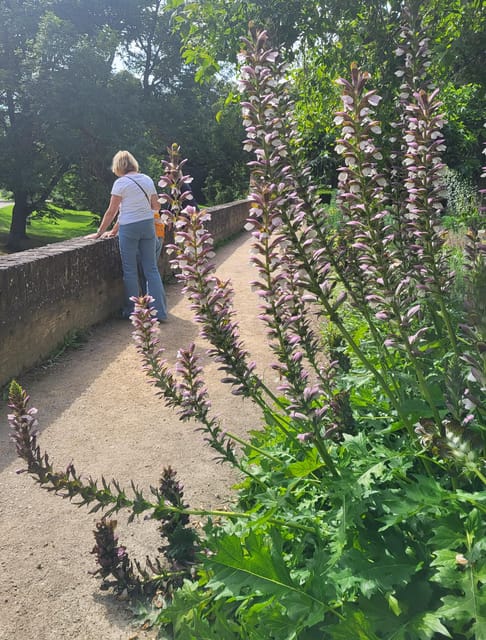
The tour begins in Maastricht-Centrum, with pickup available from a hotel in the city. That is useful if you are staying centrally and want to begin without arranging extra transport. The walk returns to the same general central area, so you will not need to plan a complicated ride back.
Fons sets the historical frame early. Maastricht was founded around 50 AD, when the Roman army created a crossing over the Maas River and called the place Mosa Trajectum. The name points to the city’s first major role: a practical crossing used for movement, trade, and defense.
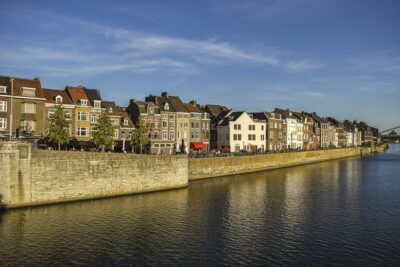
At Sint Servaasbrug, you get one of the clearest links between the river and the city’s growth. The bridge is a natural place to pause for photographs and hear how the Maas shaped Maastricht’s position. I like this opening because it gives the rest of the walk a clear thread. You are not simply moving from one pretty street to another. You are following the reasons the city exists where it does.
The guide-led format also helps here. Roman remains can be easy to pass without noticing, especially when modern streets cover much of the old settlement. Fons points out what survives and explains the connection between the crossing and the later city.
A few more Maastricht half-days worth comparing
- Highlight Running Tour
★ 5.0 · 118 reviews - e-Scavenger hunt Maastricht: Explore the city at your own pace
★ 4.5 · 110 reviews - Maastricht: Museum of Illusions Entry Ticket
★ 4.2 · 82 reviews
Meet the Mestreechter Geis in the streets
The tour includes a stop devoted to the Mestreechter Geis, the local spirit associated with warmth, friendliness, and a strong enjoyment of life. This is more than a history lesson about dates and rulers. It gives you a way to read Maastricht’s cafés, markets, festivals, and public squares.
You will hear how the character of the city developed through its unusual political past. Maastricht was linked to both the Bishop of Liège and the Duke of Brabant. That dual allegiance helped shape the city’s institutions and identity, and Fons uses it to explain why Maastricht feels distinct within the Netherlands.
This part should appeal if you like local character as much as major monuments. The concept can be hard to understand from a guidebook, but a local guide can connect it to the way people use the city today. Fons is also described as open to questions and input, so you can steer the discussion toward daily life, food, art, or history.
See Roman remains at Op de Thermen
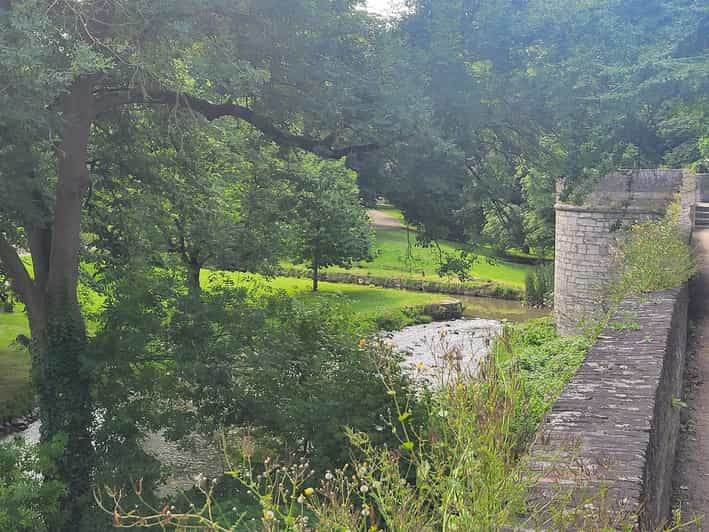
Op de Thermen brings the ancient city closer into view. The stop is connected to Roman remains and helps show that Maastricht’s earliest settlement was not just a name on a map. You will see evidence of the Roman presence while Fons explains how the crossing point supported the city’s first phase.
Do not expect a long archaeological visit or a museum-style display. This is a walking stop, with a photo opportunity and a guided explanation. Its value comes from seeing ancient traces within the modern center, then comparing them with the medieval buildings farther along the route.
For history-minded visitors, this is one of the most useful stops. It gives context before the tour shifts to churches, mills, lanes, and defensive walls. For children, it may also make the Roman story easier to grasp because the remains are encountered as part of an active city rather than in isolation.
Compare the Basilica of Our Lady with Maastricht’s medieval center
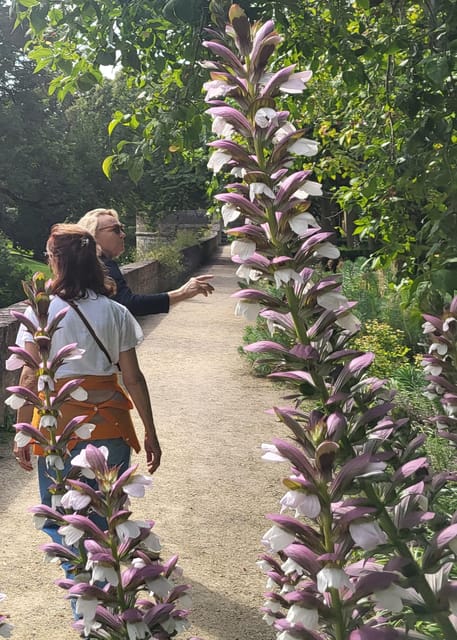
The Basilica of Our Lady provides a change of scale and mood. Its medieval architecture adds a strong religious layer to a city already shaped by Roman roads and political power. Fons explains the church’s place in Maastricht’s development while you look at the structure and surrounding streets.
The tour also includes the Basilica of Saint Servatius area, giving you a chance to see more than one important church tradition. These buildings help explain how religion influenced public life, travel, and power in medieval Maastricht.
The schedule calls for a photo stop and guided walk, not a guaranteed interior visit or museum tour. That distinction matters. If you want to study architectural details at length or visit church collections, you may need extra time after the tour. Still, the short format lets you see the buildings in their urban setting, where squares, lanes, and nearby homes add meaning.
Same base, a completely different sort of day:
- Maastricht Privat Sightseeing City Walk
★ 5.0 · 76 reviews - 2H Walking Tour Maastricht
★ 4.8 · 57 reviews - Maastricht 2-Hour Walking Tour | Discover The City With A Local
★ 4.5 · 57 reviews - Explore Maastricht with Passionate Tour Guides
★ 3.9 · 32 reviews
Pause at Bisschopsmolen and walk through Jekerkwartier
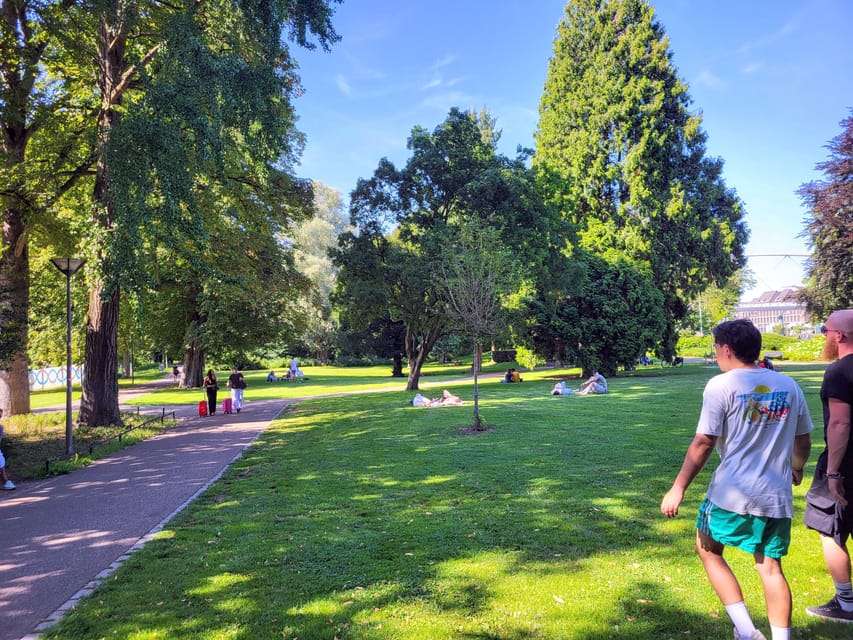
Bisschopsmolen adds a more everyday side of Maastricht. The name connects the site with the city’s religious and civic past, while the mill itself points to practical work and local food traditions. This stop broadens the tour beyond major churches and formal monuments.
From there, the route continues toward Jekerkwartier. This district is known on the tour for its narrow streets, historic houses, and quieter atmosphere. You will get a feel for how Maastricht changes from open public squares to smaller lanes where the city’s age is visible in the buildings and street plan.
I especially like this section for people who want more than a checklist of famous sights. A city often reveals itself best in the spaces between headline monuments. Here, Fons can explain the connection between the district’s architecture and Maastricht’s long civic life without requiring you to enter a museum.
The tradeoff is that the route covers several places in a short time. You may stop for photographs and a story, then move on before you have fully explored a lane or building. If one location catches your attention, tell Fons. The tour can be adjusted around your interests.
Walk beside Helpoort and the Jeker city wall
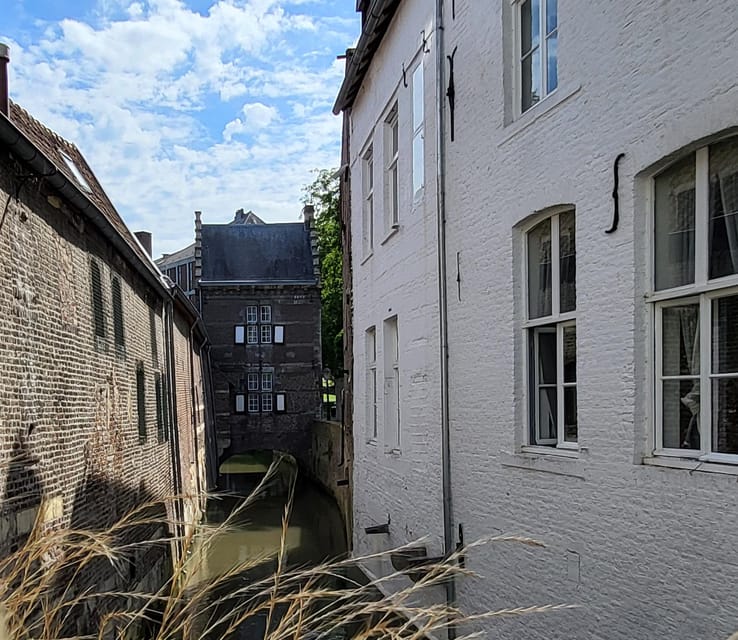
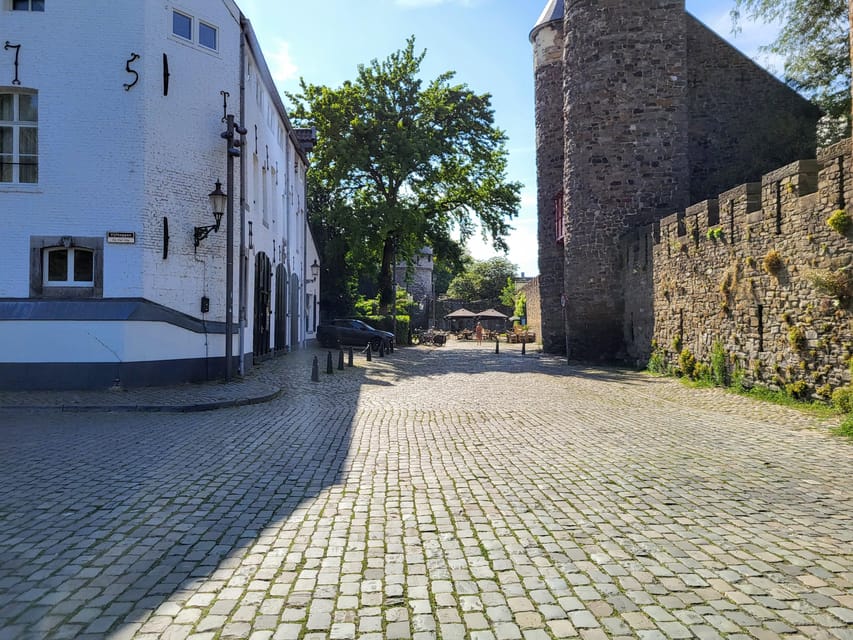
Helpoort is one of the strongest defensive reminders on the route. The gate and nearby walls show how Maastricht protected itself and controlled movement into the city. This is where the earlier discussion of Roman defense and medieval power becomes easier to picture.
The city wall at the river Jeker adds another useful view of Maastricht’s defenses. Rather than treating the wall as a single monument, the walk lets you see how it worked with the gate, river, and surrounding district. Fons can connect these pieces to the city’s growth and its role as a contested strategic place.
Het Vagevuur brings another atmospheric stop in this part of the walk. The name alone suggests the kind of local detail that can disappear if you follow only the main streets. You will hear the story behind the place and see how Maastricht’s old quarters preserve names and settings from earlier periods.
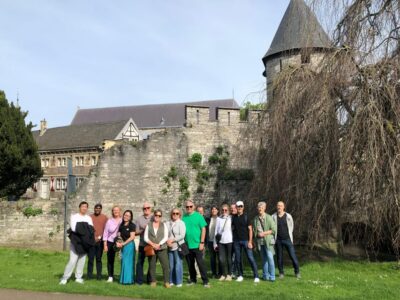
These stops are also good for photographs. The route includes several opportunities to capture stone walls, old passages, and the meeting of water, streets, and historic buildings. Keep in mind that the tour is on foot throughout, and the number of stops means you should wear comfortable shoes.
Finish at Vrijthof and Dominicanerkerkstraat
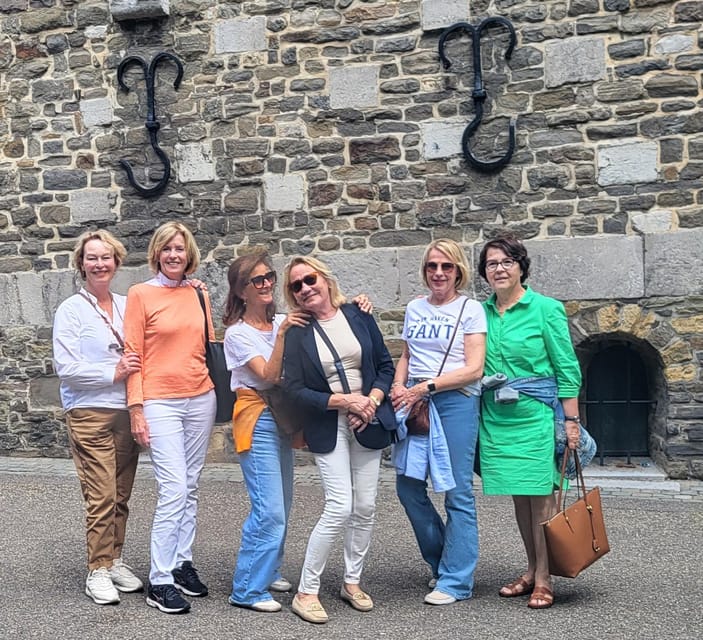
Vrijthof is Maastricht’s best-known public square and a natural late point in the tour. After smaller lanes and defensive remains, the open space gives you a broad view of the city’s public life. Fons explains its role and points out the buildings that make the square central to Maastricht’s identity.
The stop also helps connect the city’s past with its present. Vrijthof is not only a historic setting. It is part of the city’s social life, with cafés, events, and gatherings shaping the way people use it today. This is where the idea of the Mestreechter Geis should make the most sense.
Dominicanerkerkstraat provides a quieter final contrast. Its historic setting and narrow urban form bring the walk back to the smaller details that make central Maastricht enjoyable on foot. The tour then returns to Maastricht-Centrum.
Because the route includes Vrijthof near the end, you can use the square as a starting point for your own plans afterward. The tour does not include food, drinks, or museum tickets, so you can choose your next stop rather than being tied to a group meal or scheduled admission.
What $235 means for value
The price is $235 per private group of up to 14 people. That is a fixed group rate, not a per-person price. A full group would pay roughly $17 per person, while two people would pay about $117.50 each. The value changes sharply depending on your party size.
For a family, friend group, or small organization, the price can make sense. You receive a private guide, a central walking route, hotel pickup within the city, and the chance to ask questions without competing with a large crowd. A private format also makes it easier to focus on Roman remains, churches, food, or local culture.
For one or two people, the cost is harder to justify unless you place a high value on private guiding and flexibility. A shorter shared walk might cost less, but this experience offers a more personal conversation and a route shaped around your group.
You should also budget for anything you want to do after the walk. Food, drinks, and museum tickets are not included. The tour itself remains focused on outdoor sights and guided stops.
Fons Bollen’s guiding style
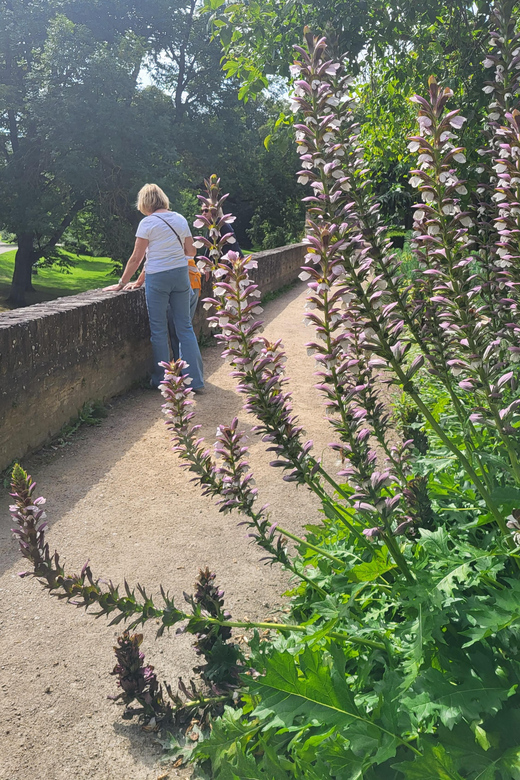
Fons Bollen leads in English, Dutch, and German. His style appears best suited to people who enjoy conversation rather than a rigid speech delivered without interruption. He stays calm with a demanding group and welcomes questions, which is useful when several people have different interests.
The tour can be adjusted toward history, art, or local cuisine. That does not mean every subject receives a full specialist visit in two hours. It means you can tell Fons what matters most and use the limited time wisely.
I would ask your group to choose one or two priorities before starting. If everyone wants Roman archaeology, ask for more time around Op de Thermen. If the group cares about local life, focus on the Mestreechter Geis, Bisschopsmolen, Jekerkwartier, and Vrijthof. Clear preferences will help the private format deliver better value.
The overall rating is 4.7 from 44 reviews, with praise focused on Fons’s calm manner, detailed storytelling, enthusiasm, and openness to questions. That combination matters more than a long list of stops. A guide who listens can make a short city walk feel personal rather than rushed.
Who should choose this two-hour walk
This tour suits first-time visitors who want a strong introduction before exploring Maastricht alone. It also works well for groups that prefer a private guide and want to connect famous sights with less obvious lanes and walls.
History fans will appreciate the Roman crossing, Op de Thermen, Sint Servaasbrug, medieval churches, Helpoort, and the Jeker defenses. You will not receive a full archaeological or architectural course, but you will get a useful framework for understanding the city.
It is also a good fit for people who want local character. The discussion of the Mestreechter Geis, cafés, markets, festivals, and food gives the walk a present-day focus alongside the older monuments.
The tour is wheelchair accessible, and the entire experience is a walking tour. Since the route covers many stops in two hours, confirm that the pace and distance work for your group when booking. The accessible format is helpful, but the supplied details do not specify the surface or exact route conditions at every stop.
Free cancellation is available up to 24 hours before the tour for a full refund, and you can reserve now and pay later. These policies are useful if your Maastricht plans may change, but the main booking decision is still the price and the private format.
Should you book Maastricht Hidden Gems Tour?
Book it if you want a private introduction to Maastricht that links Roman origins, medieval power, defensive walls, churches, and local life. Fons Bollen’s calm, question-friendly approach is a strong match for groups that want more conversation and less scripted sightseeing.
Think twice if you want long interior visits, museum time, or a relaxed pace at every stop. Two hours covers a lot, so the experience works best as an informed orientation walk rather than a complete study of each monument.
For a group of several people, $235 can be a fair way to share a local guide. For two people, the choice depends on how much you value privacy and customization. If you want to understand why Maastricht feels different from other Dutch cities, this walk gives you a useful starting point and plenty of ideas for what to explore next.
FAQ
How long does the Maastricht Hidden Gems Tour last?
The tour lasts approximately two hours.
How much does the private tour cost?
The price is $235 per private group of up to 14 people.
Where does the tour begin and end?
The tour begins in Maastricht-Centrum and returns to Maastricht-Centrum. Hotel pickup is included for hotels within the city.
Which languages does Fons Bollen speak during the tour?
The live tour guide is available in Dutch, German, and English.
Is the walking tour wheelchair accessible?
Yes, the activity is listed as wheelchair accessible.
Are food, drinks, and museum tickets included?
No. Food, drinks, and museum tickets are not included in the tour price.
Just added around Maastricht
- Maastricht: Segway City Tours★ 4.9 · 9 reviews
- Maastricht: Day trip from Amsterdam with 3 country point★ 5.0 · 4 reviews
- Best of Maastricht: Private Walking Tour with a Local★ 5.0 · 10 reviews
- Explore Maastricht with Passionate Tour Guides★ 3.9 · 32 reviews
- Maastricht Medieval Mystery: Interactive City Game & Tour★ 4.0 · 25 reviews
- Discover Maastricht with a self-guided Outside Escape city game★ 5.0 · 29 reviews
- 2H Walking Tour Maastricht★ 4.8 · 57 reviews
- Maastricht 2-Hour Walking Tour | Discover The City With A Local★ 4.5 · 57 reviews
Limburg Tours, compared.

e-Scavenger hunt Maastricht: Explore the city at your own pace
Read our review →

Maastricht 2-Hour Walking Tour | Discover The City With A Local
Read our review →

Browse the lists this tour appears in