
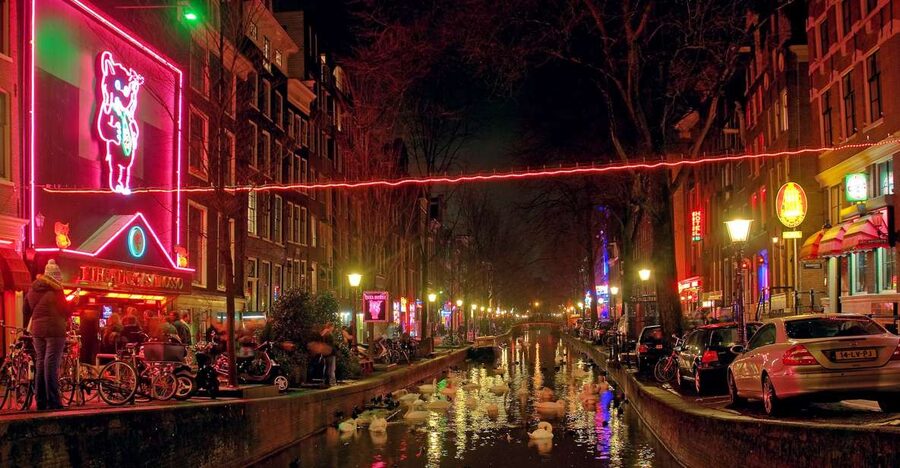
Reviewed · WALKING TOURS
Amsterdam: Sex, Drugs, and Freedom Walking Tour
Amsterdam’s famous freedoms make more sense when you see the streets where they took shape. This two-hour walking tour moves through the Red-light District and Old Center, linking prostitution, coffeeshops, soft-drug policy, gay rights, and sexual liberty to the city’s broader social history.
I like the way the tour mixes major sights, such as the Old Church, Dam Square, and Royal Palace, with corners known mainly to locals. I also like that the guides leave room for questions. Guides such as Martin, David, Stan, Jesse, and others have been praised for clear explanations, humor, patience, and personal stories. The main drawback is pace: two hours gives you a useful introduction, but not a full study of Dutch drug policy or the economics of prostitution.
Key points to know before booking
- Amsterdam’s liberal image gets a reality check: You learn how prostitution, coffeeshops, and social policy work, rather than simply touring colorful streets.
- The Red-light District is treated as a workplace and community: The guide discusses legalization, sex workers, and the changes shaped by regulation.
- The route includes major landmarks: Expect the Old Church, Condomerie, Dam Square, Royal Palace, and lesser-known local stops.
- Guides make the difference: Martin, David, Stan, Jesse, and other guides have been singled out for warmth, humor, patience, and strong storytelling.
- The tour is easy to fit into a first day: It lasts two hours and can help you get your bearings around central Amsterdam.
- Comfortable shoes matter: You’ll walk through winding streets and alleyways, and the activity is not suitable for people with mobility impairments.
Why this walk is more than a Red-light District photo stop
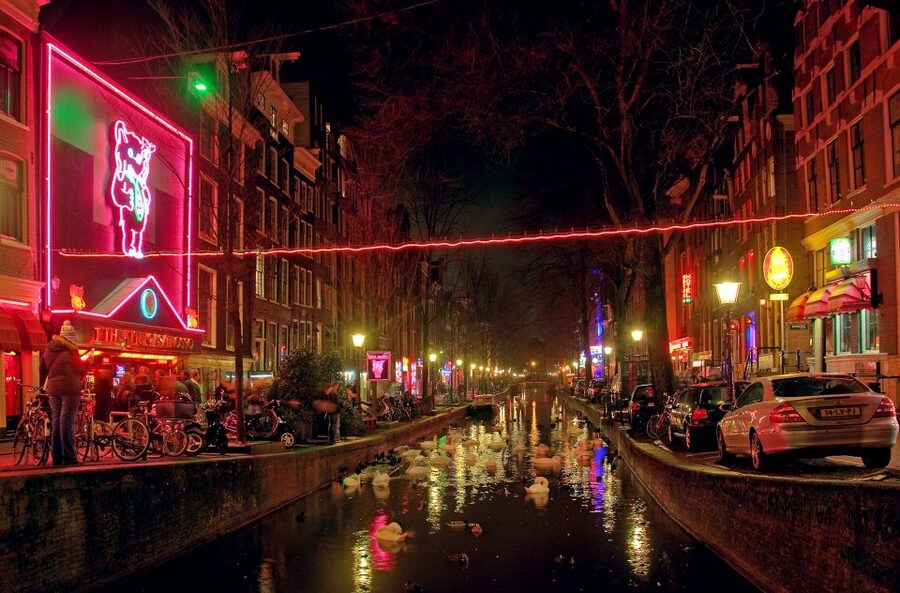
Amsterdam’s Red-light District is often reduced to neon windows, coffeeshops, and jokes. This tour tries to put those sights into context. You walk through an area where religion, commerce, sex work, tourism, and public policy have shared the same tight streets for centuries.
The useful part is the explanation. You learn how prostitution became legal in the Netherlands and how that decision shaped the district. The guide also discusses what it is like to work as a prostitute, how the sex industry operates, and the difficult questions that remain around regulation and safety.
I appreciate that this approach avoids treating the area as a sideshow. The subject matter is adult, but the focus is social and historical. You can ask direct questions without needing to rely on rumors or the usual tourist folklore.
The walk also explains Amsterdam’s unusual attitude toward drugs. You hear about coffeeshops, the origins of the policy, and the use and manufacturing of soft drugs. The tour is not a license to behave carelessly. Instead, it helps you understand the gap between what is tolerated, what is regulated, and what is actually legal.
That distinction matters. Many people arrive with a simplified idea that everything is legal in Amsterdam. The guide’s job is to replace that shortcut with a more useful picture of Dutch policy and social practice.
More Walking Tours in Amsterdam
- Anne Frank’s Story – Guided Walking Tour through Amsterdam
★ 5.0 · 11,619 reviews - Amsterdam: Life of Anne Frank and World War II Walking Tour
★ 4.8 · 10,467 reviews - Absolutely Amsterdam – the Essential Introductory Walking Tour
★ 5.0 · 3,629 reviews
Starting among the Old Church and narrow lanes
The exact meeting point can vary depending on the option you book, so check your confirmation carefully. Once the walk begins, expect the route to use central streets, winding lanes, and alleyways rather than a coach or fixed indoor venue.
The Old Church gives the tour an important anchor. It is one of the major landmarks in the district, but here it also helps explain the area’s contrasts. A historic church sits close to the sex industry, coffeeshops, souvenir shops, and busy public squares. That physical closeness tells you something about how Amsterdam developed: different activities were not always pushed into separate zones.
The route around the church can be crowded and distracting. Keep close to the group, especially if you are listening while walking. One guide handled a group that included people who were tipsy and kept wandering off, staying calm and encouraging everyone to remain together. That is a small but useful sign of the practical side of guiding in this part of town.
You should also expect plenty of street activity. This is not a quiet museum tour. The guide has to compete with traffic, pedestrians, and the attention-grabbing nature of the district itself. A patient guide who can keep the story moving is a real advantage.
Seeing the Red-light District as a regulated workplace
The strongest part of the tour is its treatment of prostitution. You learn about the legalization of prostitution in the Netherlands, how the Red-light District developed, and how regulation has affected the area over time.
The guide also discusses what it is like to work as a prostitute. That human angle keeps the subject from becoming abstract. Instead of seeing only windows and signs, you are asked to consider the people, choices, risks, and social attitudes connected to the industry.
This section may challenge visitors who expect a lighthearted stroll. The topic is not presented only for entertainment. You will hear about the complex issues surrounding prostitution, and you may leave with a more mixed view than you had at the start. That is a strength if you want substance, but it may feel heavier than expected if you came mainly for amusing stories.
The tour also touches on the history of the Red-light District. You learn how the area has changed and how Amsterdam’s approach to sex and public life helped shape its reputation. The subject is handled through stories and explanation rather than a long academic lecture, which keeps the material accessible.
Photography requires common sense and respect. The provided information does not set out a separate photography policy, but the tour’s focus on sex workers makes discretion essential. Listen to your guide and avoid treating people at work as scenery.
Condomerie, coffeeshops, and Amsterdam’s sexual culture
The Condomerie is one of the route’s more distinctive stops. It fits the tour’s wider theme of sexual health, frank discussion, and Amsterdam’s open approach to sexuality. It also gives you something more specific than a general talk about liberal attitudes.
The tour connects sexual liberty with the Netherlands’ broader fight for social awareness and equality. You learn how the Dutch became pioneers in the fight for equality and how Amsterdam grew into a city that welcomes people from different backgrounds.
The discussion includes gay rights as well as sexual freedom. That wider frame is important. The tour is not only about the Red-light District or drugs. It presents Amsterdam’s permissive reputation as part of a longer social story involving civil rights, changing public attitudes, and the question of how much freedom a city should protect.
A good guide can make this section feel connected rather than scattered. One guide, Jesse, was praised for clever humor while still helping the group understand the needs behind choices involving sex and drugs. That balance is useful. The subject can easily become either moralizing or silly, and the better guiding keeps both extremes in check.
Same base, a completely different sort of day:
- Amsterdam: Van Gogh Museum Ticket
★ 4.7 · 52,054 reviews - Amsterdam Classic Saloon Boat Cruise with Drinks and Cheese
★ 5.0 · 31,825 reviews - Amsterdam Luxury Canal Cruise + Unlimited Drinks & Bites option
★ 5.0 · 30,518 reviews - Amsterdam: Heineken Experience Ticket
★ 4.6 · 30,055 reviews
Coffeeshops and the facts behind soft-drug policy
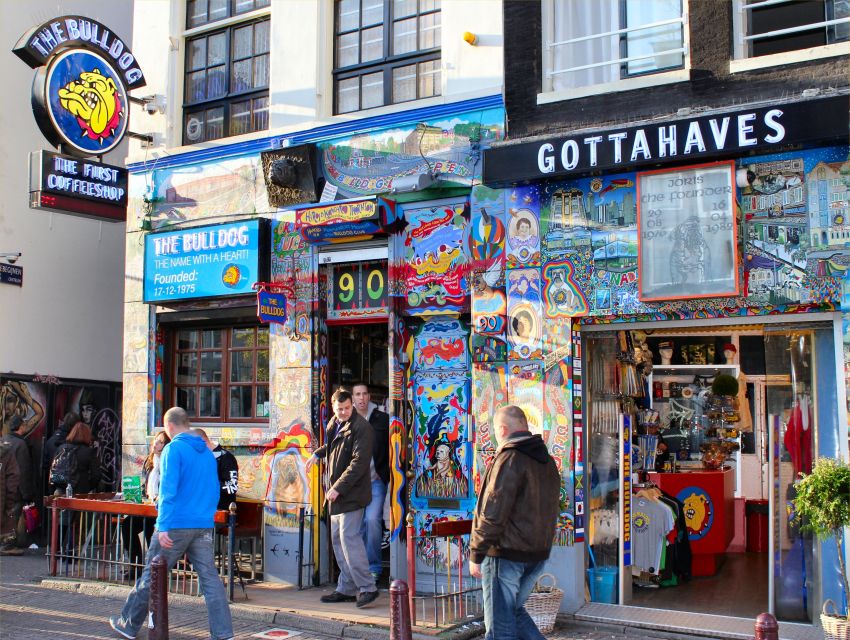
The drug section explains the history and origins of Amsterdam’s coffeeshops, along with the use and manufacturing of soft drugs. This is likely to be one of the main reasons you book the walk, but keep your expectations measured.
The tour gives you a clear introduction rather than a full policy seminar. It explains Amsterdam’s peculiar drug regulations and helps separate common assumptions from the actual framework. You will gain context for why coffeeshops exist and how they fit into the city’s public culture.
One visitor wished there had been more detail about the drug economy and the Netherlands’ wider economy. That is a fair limitation. With only two hours, the guide has to divide time among prostitution, drugs, equality, landmarks, and local stories. If you want an intensive study of Dutch narcotics policy or the financial side of the industry, this is only a starting point.
I would treat the coffeeshop discussion as preparation for the rest of your stay. It can help you understand what you see later, while also reminding you that Amsterdam’s reputation is more complicated than a simple anything-goes slogan.
Dam Square and the Royal Palace add the wider city context
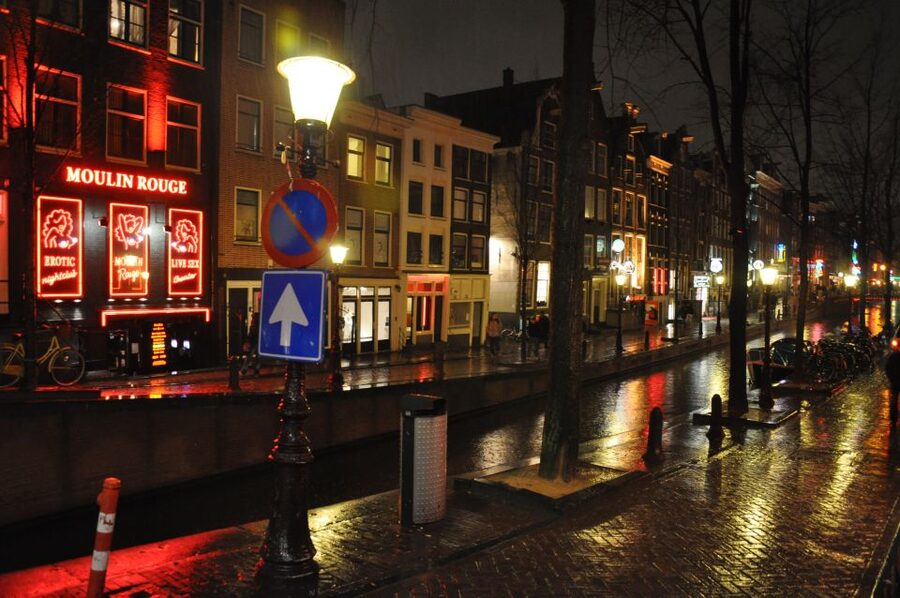
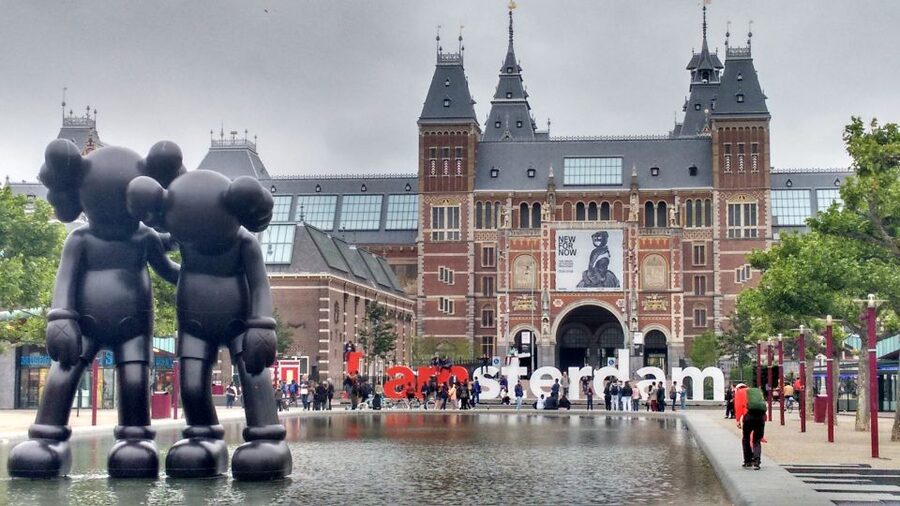
The Royal Palace and Dam Square broaden the route beyond the Red-light District. These landmarks help show that the tour is also an introduction to central Amsterdam, not just a themed walk through adult entertainment venues.
Dam Square is a natural place to connect political power, public life, tourism, and social change. The Royal Palace adds another layer, giving the guide a chance to place Amsterdam’s liberal culture beside its formal civic and royal identity.
You should not expect a palace visit or an interior tour from this activity. The supplied details identify the Royal Palace as a sight on the walking route, while the included experience is an expert-guided walk. Think of these stops as visual reference points and story settings.
This is also where the tour can help on your first day. Several people found it useful for getting their bearings around the district and central city. You see the main landmarks, learn how the streets fit together, and get suggestions for how to read the area with more care.
Local corners and the value of a human guide
The advertised route includes places known only to locals. The exact locations are not specified, which is sensible for a walking tour that may adjust its path. The value lies less in collecting secret addresses and more in seeing how the guide interprets ordinary corners.
Stories can change the feel of a street. A detail such as sleeping in the monkey, mentioned as one memorable anecdote, gives the walk a local flavor that a standard landmark tour may lack. The best stories are not simply strange for the sake of being strange. They help you understand the language, customs, and odd history attached to the district.
Guide quality matters here more than any single stop. Martin was described as friendly and well informed. David shared local and family history while covering the main sights. Stan helped explain sex work, coffeeshops, and the Red-light District. Jesse brought wit, patience, and thoughtful discussion.
The tour is available in English, Dutch, Spanish, and German. A private group option is also available. If you want to ask many questions or prefer a more personal pace, a private booking may be worth considering, though the supplied price of $31 applies to the listed per-person experience and may not represent every private option.
How much value do you get for $31?
At $31 per person, the tour is priced like a focused city walk rather than a major attraction visit. There are no food or drink inclusions, but that is not a serious weakness for this format. Your money pays for two hours of guiding, interpretation, and access to local stories, not refreshments.
I think the value is strongest if you are new to Amsterdam or want to understand the city before exploring the district independently. A good guide can save you from spending your first evening with only a vague idea of what you are seeing.
The value is less certain if you already know the Red-light District well or want a long, specialist lecture on one topic. The tour covers a lot: prostitution, drugs, coffeeshops, equality, gay rights, sexual liberty, landmarks, and local customs. That breadth makes it approachable, but it limits detail.
The overall rating is 4.6 from 74 ratings, and the repeated praise centers on clear explanations, engaging personalities, good pacing, and useful local perspective. I would place more weight on those repeated traits than on any single entertaining anecdote. For this kind of walk, a calm guide who can answer questions is more valuable than a flashy route.
Timing, walking comfort, and who should book
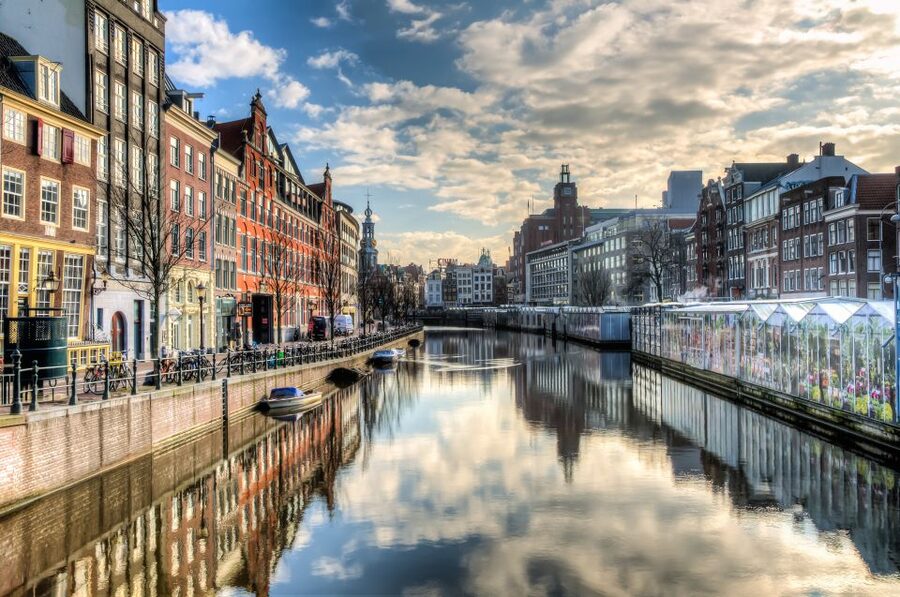
The tour lasts two hours, with starting times available according to the date you choose. Since the walk uses streets and alleyways, wear comfortable shoes and bring water. Comfortable clothing will help, especially if you are visiting in changeable weather.
The activity is not suitable for people with mobility impairments. The information does not provide a detailed accessibility assessment, so you should contact the provider before booking if uneven streets, narrow lanes, or extended walking could be a problem.
This tour suits adults who want context and are willing to discuss sensitive subjects in a respectful way. It works particularly well for:
- First-time visitors who want to get their bearings around central Amsterdam
- People curious about the facts behind coffeeshops and soft-drug policy
- Anyone interested in prostitution law and the social history of the Red-light District
- Visitors who want a local guide rather than a self-guided walk
- Small groups that prefer the option of a private experience
It may not suit you if you want a quiet architectural tour, a family-focused activity, or a highly detailed academic study of Dutch economics and drug policy.
Cancellation is flexible, with a full refund available when you cancel at least 24 hours in advance. You can also reserve now and pay later, which helps if your schedule is still shifting.
Should you book the Sex, Drugs, and Freedom Walking Tour?
Book it if you want Amsterdam’s famous freedoms explained rather than simply displayed. The two-hour route gives you a useful framework for the Old Church, Condomerie, coffeeshops, Red-light District, Dam Square, and Royal Palace, while opening discussion about prostitution, drugs, gay rights, and equality.
I would book this early in an Amsterdam stay, especially if the city is new to you. You will leave with better questions and a clearer sense of what you are seeing. Just keep the limits in mind: this is an engaging introduction, not a complete course on Dutch policy.
If you prefer a guide who welcomes questions, explains sensitive issues without grandstanding, and adds local stories to familiar streets, the $31 price is reasonable. If your priority is depth on one narrow topic, choose a more specialized activity instead.
FAQ
How long is the Amsterdam Sex, Drugs, and Freedom Walking Tour?
The walking tour lasts two hours.
What sights are included on the walking route?
The route includes the Old Church, the Condomerie, the Royal Palace, Dam Square, the Red-light District, and places known mainly to locals.
What topics does the guide cover?
The guide discusses prostitution and its legalization in the Netherlands, the history of the Red-light District, coffeeshops, soft-drug regulations, soft-drug use and manufacturing, gay rights, equality, social awareness, and sexual liberty.
Which languages are available?
The tour is offered in English, Dutch, Spanish, and German.
Is a private group available?
Yes. A private group option is available.
Is the tour suitable for people with mobility impairments?
No. The activity is listed as unsuitable for people with mobility impairments. Comfortable shoes, water, and comfortable clothing are recommended.
Just added around Amsterdam
- Private sightseeing tour to Bruges and chocolate from Amsterdam★ 5.0 · 11 reviews
- Amsterdam: Rijksmuseum (Private Tour & Priority Access)★ 5.0 · 27 reviews
- Amsterdam: Private Romantic Evening Canal Cruise + Bubbles/Snacks★ 5.0 · 46 reviews
- Amsterdam Private Shopping Experience★ 5.0 · 7 reviews
- Rijksmuseum Amsterdam Private Guided Tour★ 5.0 · 57 reviews
- Amsterdam Rijksmuseum PRIVATE TOUR with a Local Private Guide★ 5.0 · 159 reviews
- Private Photo Session in Amsterdam★ 5.0 · 15 reviews
- Private One way Transfer Amsterdam Airport to Amsterdam★ 3.5 · 42 reviews
Walking Tours, compared.
Anne Frank’s Story – Guided Walking Tour through Amsterdam
Read our review →
Life of Anne Frank and World War II Walking Tour
Read our review →
Absolutely Amsterdam – the Essential Introductory Walking Tour
Read our review →

Anne Frank Walking Tour – Guided in EN/DE/IT/ES
Read our review →

Anne Frank Walking Tour Amsterdam Including Jewish Cultural Quarter
Read our review →Browse the lists this tour appears in