
Reviewed · WWII HISTORY TOURS
Amsterdam: Private World War Two History Walking Tour
Amsterdam’s wartime story is not tucked away in one museum. It is spread across streets, squares, monuments, and ordinary-looking buildings. This three-hour private walk connects those places with photographs, names, and stories from the Nazi occupation, including the May 7, 1945 shooting on Dam Square and the fate of Jewish residents sent to Auschwitz and Sobibor.
I like the tiny group size, limited to four people, and the use of printed photographs at the very places where events happened. I also like the focus on overlooked details, such as food dropped during the winter of hunger and a small book recording where every Jewish resident of one Amsterdam street died. The main consideration is that this is a serious history walk, not a broad sightseeing tour, and it does not include entry to the Anne Frank House or other wartime museums.
Key points to know before you book
- A personal English-language walk: Retired historians lead the tour without an audio system, so you can ask questions and set the walking pace.
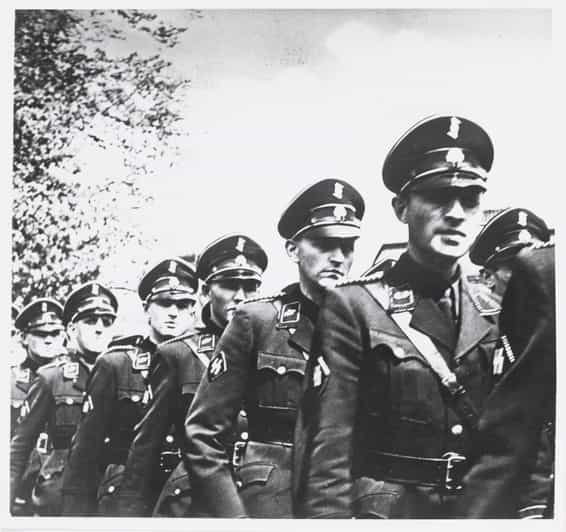
- A street-level view of occupation: You visit sites tied to the German army’s arrival, resistance activity, wartime shortages, liberation, and persecution.
- A deeply specific Jewish history: The guide follows the fate of all Jewish residents from one Amsterdam street, with names and photographs in a small book.
- Important final days of the war: Dam Square’s May 7, 1945 shooting is explained as part of the city’s tense transition from occupation to liberation.
- Private value for small groups: The $188 price covers up to four people, making it a stronger deal for a family or group of friends than for one person alone.
- A practical, accessible format: There is a coffee and restroom break around the halfway point, and the route can be adapted for wheelchair users if arranged in advance.
Why this walk feels different from a museum visit
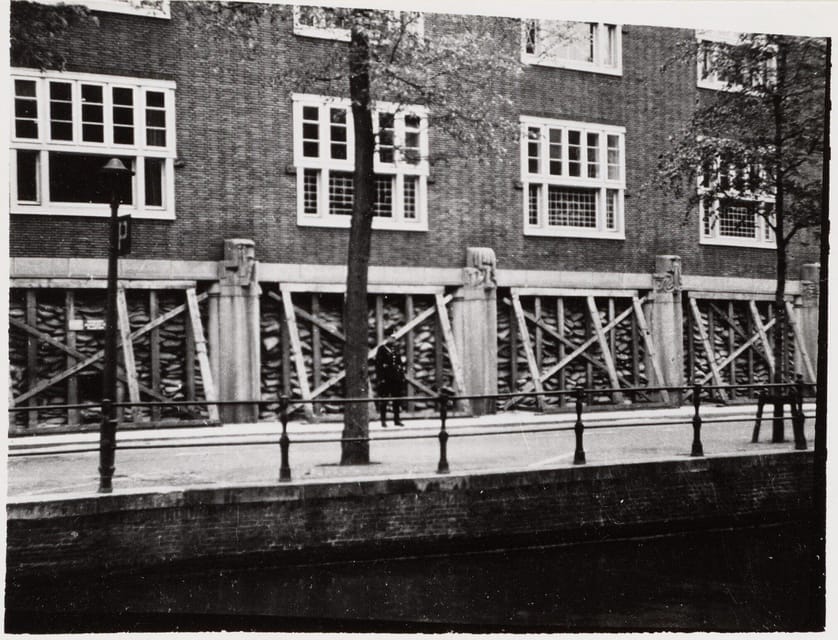
Amsterdam has several excellent places devoted to the Second World War, but this experience takes you outside. You move through the city where occupation, resistance, persecution, hunger, and liberation actually unfolded.
That matters because wartime history can feel distant when it is presented only in display cases. Here, the guide can point to a building, square, or monument and then show you a preserved photograph from that same setting. The contrast between the present-day city and the wartime image becomes part of the lesson.
The tour is led by three retired historians with a strong interest in the German occupation. Your individual guide may be Peter Schaapman, whose clear explanations and exceptional storytelling have earned especially warm praise. The format is informal and direct. You are not listening to a recording while trying to keep up with a large group. You can stop, ask questions, and request more detail when a particular subject catches your attention.
This is also a useful choice if you have already seen Amsterdam’s most famous sights. The route is built around a less familiar side of the city, though it begins at a place many people know well.
More History Tours in Amsterdam
- Amsterdam Food and Cultural Tour with Tastings
★ 5.0 · 2,442 reviews - Amsterdam: Haunted History and Ghost Walking Tour
★ 4.5 · 488 reviews - Amsterdam High-End Dutch Food & History Tour – Up to 8 guests
★ 5.0 · 482 reviews
Starting at the old Anne Frank House
The meeting point is at 9:30 a.m. in front of the old Anne Frank House at Prinsengracht 263. Look for a sign marked Anne Frank Huis between the museum and the Lunch Cafe. The guide carries a large notebook, and touching the number plate 263 is the simplest way to confirm that you are in the right place.
This is a meeting point only. The tour does not include admission to the Anne Frank House, and you do not enter it as part of the walk. That distinction is important because many people assume a tour beginning there includes museum tickets.
Starting here gives the morning an immediate historical focus, but the walk is not simply an Anne Frank tour. The route widens into the wider story of Amsterdam under German occupation from 1940 to 1945. If you want to visit the Anne Frank House separately, book that admission on its own.
German troops arrive in Amsterdam
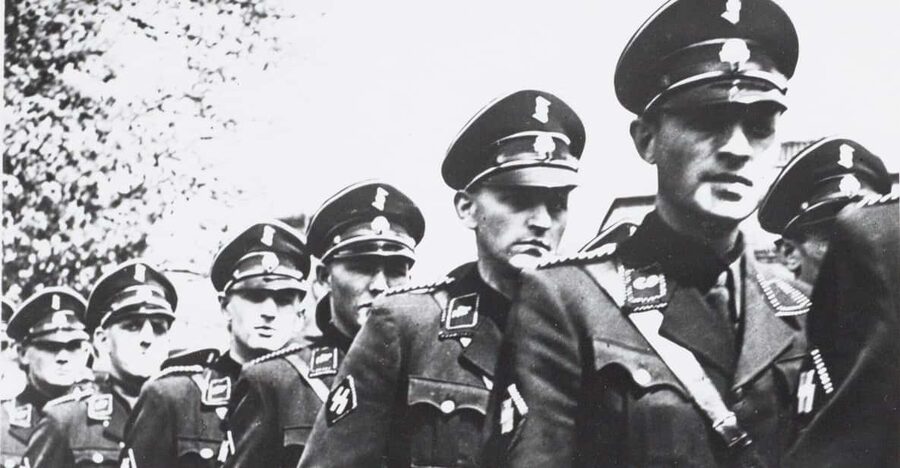
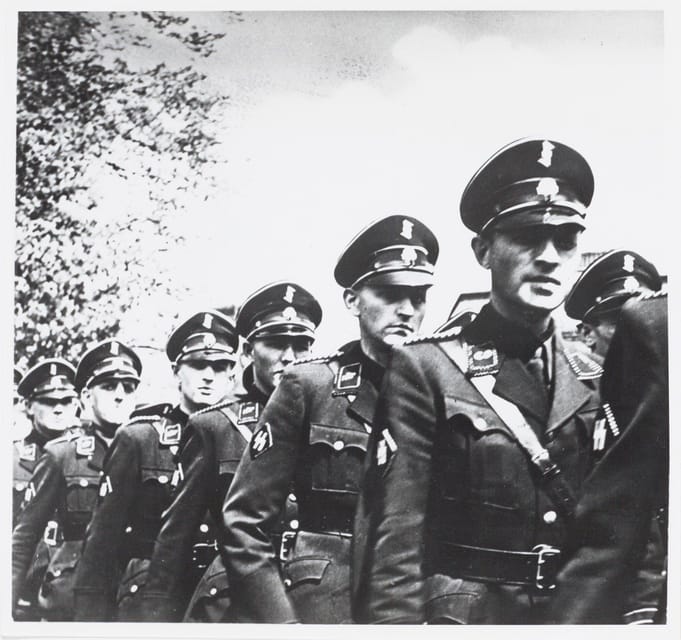
One early focus is the entry of the German army, the Wehrmacht, into Amsterdam. The guide uses photographs to help you picture the arrival and explains how the city responded.
One especially striking location is the former town hall, now the site of The Grand hotel. Photographs taken by Dutch resistance fighters show the German army being welcomed there. The same setting later became associated with the cheering arrival of Canadian troops.
That change in mood is central to the tour. The building itself may look like part of the modern city, but the photographs show how quickly public displays of power and loyalty could change. You get a sense of the occupation not only as a military event, but also as a period in which residents had to judge what could safely be said or shown in public.
The use of resistance photographs is a strong feature. They offer evidence from inside the occupied city and give the guide a chance to explain who took the image, what was happening, and why the scene mattered. You are not left with a list of dates and names. You see how the city looked at a particular moment.
Dam Square and the shooting of May 7, 1945
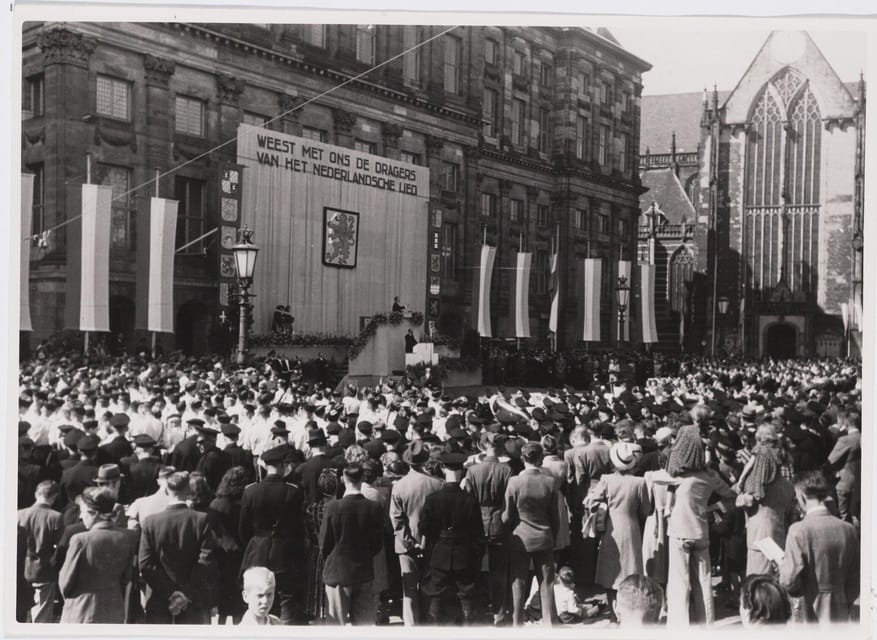
Dam Square is usually linked with royal ceremonies, crowds, and Amsterdam’s grand central setting. This tour asks you to look at it through the tense days immediately after liberation.
The guide discusses the shooting incident that took place on May 7, 1945. The war in the Netherlands was ending, but the danger had not vanished from the streets. The event shows that liberation was not a clean switch from occupation to peace. Confusion, armed men, and fear still shaped daily life.
I appreciate this part of the route because it avoids treating May 1945 as a simple happy ending. The Canadian army was welcomed, but the transition remained unsettled. Seeing the square in person helps you understand why a familiar public space could become a place of danger even as people celebrated the end of German control.
This stop also gives the guide a chance to answer questions in context. With only a few people in the group, you can ask about the sequence of events or return to a detail in one of the photographs. A large group tour would make that harder.
More Walking Tours in Amsterdam
- Anne Frank’s Story – Guided Walking Tour through Amsterdam
★ 5.0 · 11,619 reviews - Amsterdam: Life of Anne Frank and World War II Walking Tour
★ 4.8 · 10,467 reviews - Absolutely Amsterdam – the Essential Introductory Walking Tour
★ 5.0 · 3,629 reviews - Amsterdam: Anne Frank Guided Small Group Walking Tour
★ 4.8 · 2,722 reviews
Hunger winter and the struggle for food
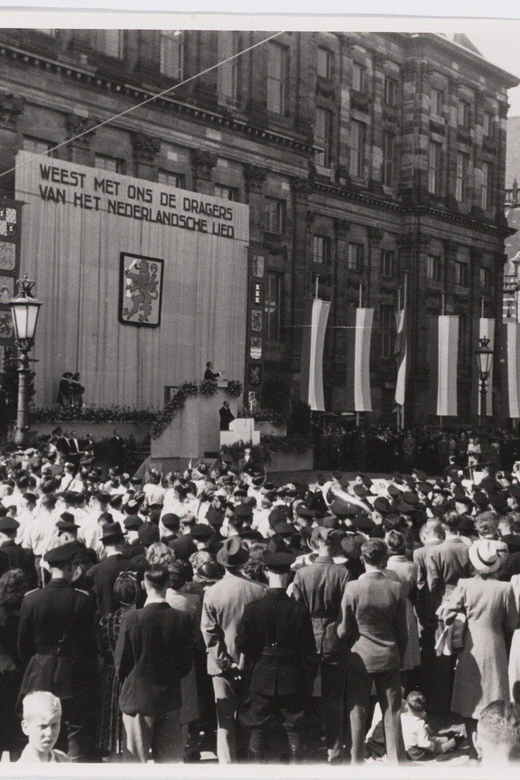
The walk also covers the winter of hunger, a period when food supplies became dangerously scarce. The guide explains food dropping during that winter and places the subject within the wider experience of civilians living under occupation.
This section adds an important everyday scale to the tour. Military movements and deportations are major subjects, but hunger shows how the occupation affected ordinary meals, families, and physical survival. The story is not limited to political leaders or soldiers. It includes people trying to live through shortages in their own neighborhoods.
The topic may be difficult, but it helps you see why wartime memory in the Netherlands includes more than battles and liberation dates. Shortages changed daily life and remained part of the experience of those who survived the occupation.
Around the halfway point, you get a short break for coffee and a restroom visit. Drinks are not included, and the stop may also work for a late breakfast. The tour can run a little longer than three hours, especially if you use the break for food or ask many questions.
Following one Amsterdam street’s Jewish residents
The most specific part of the experience is the examination of all the Jewish residents from one Amsterdam street. The guide has assembled a small book with photographs and names, showing which extermination camp each person died in.
This approach puts individual lives at the center. Instead of hearing only a general figure for Jewish deportations, you encounter a defined group of neighbors who once lived on the same street. The list connects addresses, faces, and names with Auschwitz and Sobibor.
The subject is painful, and the guide treats it as a serious part of the occupation story. You should not expect a light or casual walk. The strength of this section is its precision. A single street becomes a way to understand what happened across the city.
The guide also discusses the deportations of Amsterdam’s Jewish population and the fate of those sent to the extermination camps. You receive printed information during the walk and can keep it afterward. That gives you something concrete to read later, particularly useful if the route introduces more names and details than you can absorb on the spot.
Resistance monuments and photographs in place
The tour passes several resistance monuments and explains the stories behind them. The monuments are not treated as decoration or quick photo stops. The guide uses them to discuss the people, choices, and risks connected with resistance under German rule.
Photographs taken by Dutch resistance fighters are shown at the locations where the events occurred. This is one of the clearest reasons to choose the private format. The guide can hold up an image, compare it with the present view, and give you time to notice what has changed.
The route is built around conversation rather than a loudspeaker. There is no audio system, which suits the small group. You hear the guide directly and can ask questions as the story develops. If you prefer a set script with a fixed sequence and little discussion, this may feel less structured. If you want a historian who can respond to your interests, it is a good match.
The Auschwitz violin player memorial
Another stop is a statue honoring a famous violin player from Auschwitz. The monument brings the concentration-camp story back to an individual figure and to the role of music during one of the darkest parts of the war.
The provided information does not give the statue’s name or a full biography, so you should ask the guide for those details during the walk. What is clear is that the stop forms part of the discussion of Auschwitz, deportation, and remembrance.
It also reinforces the tour’s wider method. You are not moving only from one major monument to another. The route uses memorials to connect a person’s life with the larger system of persecution and extermination. That can make the subject more personal, while still keeping the historical setting in view.
Group size, walking pace, and accessibility
The group never exceeds four people. At $188 per group, that works out to $47 each for four people, before refreshments. For a couple, it is $94 each, and for a solo visitor it is a costly private lesson. The value improves sharply when you fill the four available places.
The small group also changes the feel of the walk. You can ask about a family connection, request clarification, or spend more time with a photograph without holding up a crowd. The guide can adjust the pace to suit you.
Wheelchair users can participate, but you should email in advance. The pace can be adapted, and the guide can take the coffee stop and route into account. Since the experience takes place on city streets and includes a break, advance planning is sensible.
Bring an umbrella. Amsterdam weather can change quickly, and the tour is outdoors. Comfortable walking clothes are also wise, though the guide can set the pace according to the group.
What the price includes, and what it does not
The $188 charge covers the private walking tour for up to four people, an English-speaking live guide, the printed material provided during the walk, and the guide’s photographs and explanations at the sites.
It does not cover coffee, food, or other refreshments during the break. It also does not include the Anne Frank House, the Resistance Museum, or the Hollandsche Schouwburg, the former deportation center.
That can be a good arrangement if you want a focused street tour and prefer to choose your own museum visits. It is less suitable if you want one ticket that combines a guided walk with entry to Amsterdam’s major wartime museums.
You can cancel up to 24 hours before the start for a full refund, and the reserve-now, pay-later option keeps your plans flexible. Check the available start time when booking, since the standard meeting time is 9:30 a.m.
Who should book this Amsterdam history walk
I would choose this experience if you have a serious interest in the occupation of the Netherlands, Jewish persecution, resistance work, or the final days of the war. It also suits anyone who learns best through places and photographs rather than a museum display alone.
Families with older children may find the private format useful because the guide can adjust the explanation and answer questions. The subject is difficult, so parents should decide if the material is appropriate for their children.
I would not make this my first choice if you want a general introduction to Amsterdam, a relaxed sightseeing stroll, or entry to the Anne Frank House. The route stays focused on wartime history and can be emotionally heavy.
The strongest reason to book is the combination of a very small group, retired historians, and highly specific material about Amsterdam’s Jewish residents. Peter Schaapman has been singled out for his strong storytelling and extensive command of the subject, so requesting him may be worth asking about if the schedule allows.
Should you book it?
Book this walk if you want Amsterdam’s Second World War story told at street level, with time for questions and material you can keep. The personal format is especially good for four people sharing the $188 cost.
Skip it if you want museum admission, a broad city tour, or a lighter morning. For the right audience, this is a thoughtful and unusually focused way to understand what occupation, deportation, hunger, resistance, and liberation meant in Amsterdam.
FAQ
Where does the tour meet?
The tour meets at 9:30 a.m. in front of the old Anne Frank House at Prinsengracht 263, between the museum and the Lunch Cafe. Look for a sign marked Anne Frank Huis and a guide holding a large notebook.
Is admission to the Anne Frank House included?
No. The tour begins at the old Anne Frank House but does not include entry. Tickets for the Anne Frank House, the Resistance Museum, and the Hollandsche Schouwburg are not included.
How long does the walking tour last?
The tour lasts about three hours, though it may run a little longer. A short coffee and restroom break takes place around the halfway point.
What language is the tour in?
The live tour guide speaks English.
How many people can join?
The tour is private and limited to four people per group.
What wartime subjects does the tour cover?
It covers the German army’s entry into Amsterdam, resistance monuments and photographs, the shooting incident on Dam Square on May 7, 1945, food dropping during the winter of hunger, Jewish deportations, Auschwitz and Sobibor, and liberation by the Canadian army.
Is the tour wheelchair accessible?
Yes, the tour can accommodate wheelchair users. Email the provider in advance so the walking route and coffee stop can be considered.
Are refreshments included?
No. Coffee, food, and other refreshments during the break cost extra.
What should I bring?
Bring an umbrella because the tour takes place outdoors.
More WWII Tours in Amsterdam
- Amsterdam: Dutch WWII Resistance Museum Entry Ticket
★ 4.7 · 951 reviews - Small Group Tour to Nazi WWII concentration camp from Amsterdam
★ 5.0 · 112 reviews - Amsterdam: Anna Frank and World War II History Walking Tour
★ 4.8 · 86 reviews - Amsterdam: Anne Frank and World War II Walking Tour (TOP RATED)
★ 4.5 · 72 reviews
Just added around Amsterdam
- Private sightseeing tour to Bruges and chocolate from Amsterdam★ 5.0 · 11 reviews
- Amsterdam: Rijksmuseum (Private Tour & Priority Access)★ 5.0 · 27 reviews
- Amsterdam: Private Romantic Evening Canal Cruise + Bubbles/Snacks★ 5.0 · 46 reviews
- Amsterdam Private Shopping Experience★ 5.0 · 7 reviews
- Rijksmuseum Amsterdam Private Guided Tour★ 5.0 · 57 reviews
- Amsterdam Rijksmuseum PRIVATE TOUR with a Local Private Guide★ 5.0 · 159 reviews
- Private Photo Session in Amsterdam★ 5.0 · 15 reviews
- Private One way Transfer Amsterdam Airport to Amsterdam★ 3.5 · 42 reviews
WWII History Tours, compared.

Life of Anne Frank and World War II Walking Tour
Read our review →
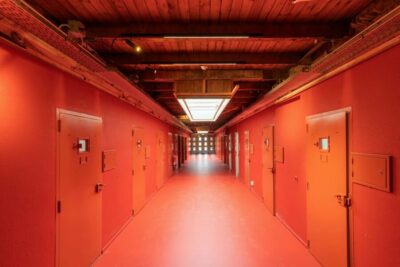
Oranjehotel World War II Prison Entrance Ticket
Read our review →
Rotterdam Walk: Hilights, Gems, Architecture & WWII | 2 or 3hrs
Read our review →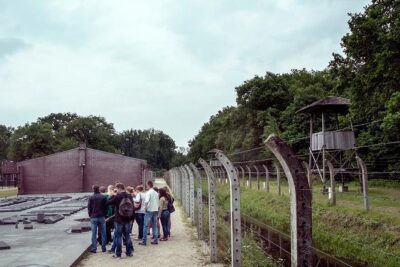
Small Group Tour to Nazi WWII concentration camp from Amsterdam
Read our review →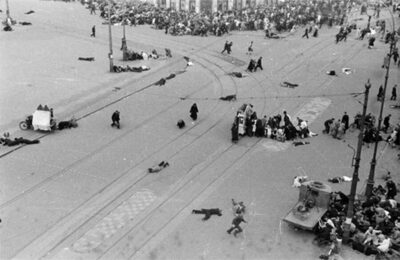
Anna Frank and World War II History Walking Tour
Read our review →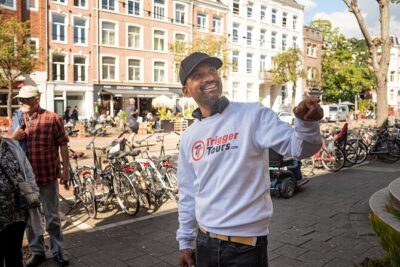
Anne Frank and World War II Walking Tour (TOP RATED)
Read our review →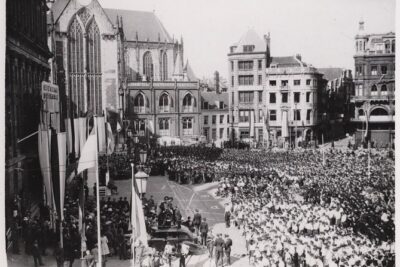
Browse the lists this tour appears in