Reviewed · TOURS
Discover The Netherlands Tour (from Amsterdam)
The most interesting thing about this tour is its range. In one long day, you move from the familiar windmills of Zaanse Schans to the enormous Afsluitdijk, then on to Friesland, a former island, and a walled medieval town. It gives you a useful picture of how the Netherlands was built, protected, and lived in beyond Amsterdam.
I like the small group of no more than seven people, which makes a full-day route like this far more comfortable. I also like the way the stops connect: wind power, land reclamation, fishing, old trading towns, and water control all become part of one story. Guides Simon, Adrian, Adriaan, and Jon have been especially praised for clear explanations and an easygoing approach.
The trade-off is time. Five stops spread across a large part of the country mean several hours in the vehicle, and each place gets about 30 minutes to one hour. If you prefer one town explored slowly, this is not the right outing.
Key points to know before booking
- Five very different Dutch stops: Windmills, a major sea barrier, a Frisian canal town, a former island, and a medieval town.
- A genuine small-group format: The vehicle carries no more than seven people, with private transportation included.
- A strong water-management theme: The Afsluitdijk and Urk help explain how the Netherlands changed its relationship with the sea.
- An English-speaking guide adds the context: Simon, Adrian, Adriaan, and Jon are named in the tour experience, with Simon receiving especially strong praise for his explanations and relaxed manner.
- A long but efficient day: The tour starts at 9:00 a.m., lasts about eight to nine hours, and returns to the Amsterdam meeting point.
- Good value for serious sightseers: At $148.99, you pay for a full day of private transport, guiding, snacks, and access to places that are awkward to connect by public transport.
Why this route gives you a better picture of the Netherlands
Amsterdam is a fine base, but it can give you a narrow view of Dutch life. The capital is full of canals, grand houses, museums, and visitors. This trip takes you into smaller communities and shows you the practical side of the country: how people worked with water, built towns, and adapted to changing coastlines.
I like that the route does not simply string together five photogenic villages. Each stop fills in part of the larger story. Zaanse Schans introduces the windmills and traditional buildings most people associate with the Netherlands. The Afsluitdijk shows the country’s engineering ambition. Sloten gives you a compact Frisian town, while Urk explains life on land that was once surrounded by water. Elburg finishes with a medieval setting and surviving defensive walls.
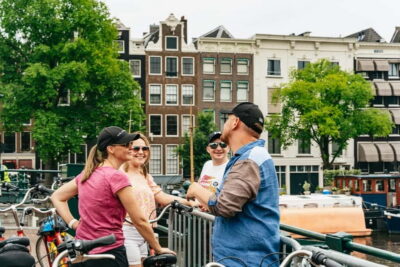
The experience is also more personal than a large coach trip. With a maximum of seven people, you can ask questions and hear explanations without fighting for the guide’s attention. Several guides have been singled out by name, including Simon and Adrian, and the strongest praise focuses on their ability to explain connections between the places rather than simply point out sights.
A few more Amsterdam half-days worth comparing
- Amsterdam: Van Gogh Museum Ticket
★ 4.7 · 52,054 reviews - Amsterdam Classic Saloon Boat Cruise with Drinks and Cheese
★ 5.0 · 31,825 reviews - Amsterdam Luxury Canal Cruise + Unlimited Drinks & Bites option
★ 5.0 · 30,518 reviews
Zaanse Schans: windmills, wooden houses, and an early start
Your first stop is Zaanse Schans, one of the Netherlands’ best-known traditional sights. You get about one hour here, with admission to the area listed as free.
This is the most immediately recognizable stop on the route. Expect water, windmills, wooden houses, and a setting designed to show older Dutch building and working traditions. The visit is a good way to begin because it gives you the familiar postcard view before the day moves into less expected places.
The timing matters. Starting at 9:00 a.m. means Zaanse Schans comes early in the day, before the route reaches its farther stops. One account of the experience specifically appreciated seeing the windmills in the morning and avoiding the biggest crowds. I would still treat this as a short introduction, not a complete visit to every attraction in the area.
Optional activities at Zaanse Schans are not included. Your tour covers the stop and guiding, but you may pay extra if you choose additional attractions. That distinction is important if you are planning your budget.
The Afsluitdijk: a 32-kilometer answer to the sea
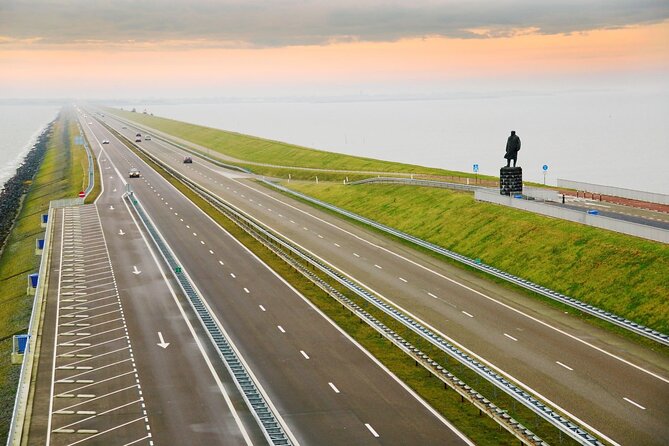
After Zaanse Schans, the route reaches the Afsluitdijk, a 32-kilometer water barrier connecting Noord-Holland and Friesland. You have about 30 minutes here, and there is no admission fee listed.
This is the stop that gives the day its strongest sense of scale. The dike is not just a scenic road. It is a major piece of Dutch water management, built to separate bodies of water and protect land from the sea. The tour uses it to explain how the Netherlands reclaimed and controlled land over time.
You will not have hours to study the structure, but the brief visit works because the dike is so large that the journey across it is part of the experience. This is also where a good guide matters. Simon and Adrian are praised for explaining land reclamation, water control, and the way Dutch provinces and communities developed around these changes.
I especially like this part of the route for people who want more than pretty villages. The Afsluitdijk shows the practical, sometimes audacious side of the country. It also gives the five stops a clear thread instead of making the day feel like a random sightseeing circuit.
Sloten: a small Frisian town with classic gables
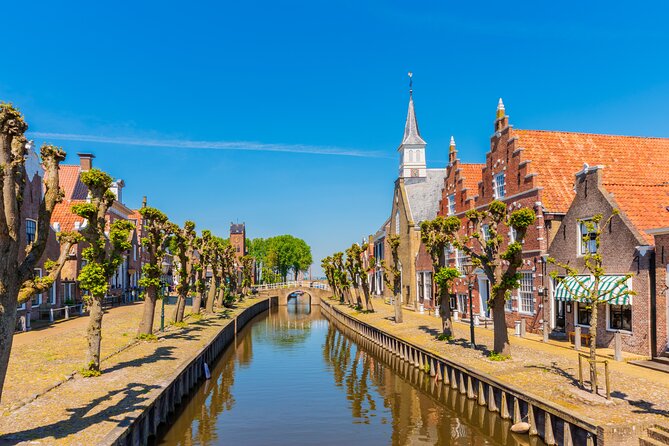
The tour next reaches Sloten, described as the smallest of Friesland’s eleven cities. You spend about one hour walking beside the canal and looking at old houses with different Dutch gables.
Sloten provides a change of pace after the large-scale engineering of the Afsluitdijk. Here, the interest is in proportion and detail. The canal, old homes, and compact streets create the kind of setting where you can understand how a small historic town functions rather than simply photograph it from a bus window.
The stop also introduces Friesland, a province with its own regional identity and long connection to water. You are not given a full regional tour in one hour, but the visit offers a useful sample. The route’s supporters particularly value Sloten because it is less likely to feel overwhelmed by large tour groups than the most famous Dutch sights.
The limitation is simple: one hour passes quickly. You can walk along the canal and take in the old houses, but you should not expect a slow museum visit or a long café break. This stop suits you best if you enjoy a guided stroll and visual details more than a list of formal attractions.
Same base, a completely different sort of day:
- Amsterdam: Heineken Experience Ticket
★ 4.6 · 30,055 reviews - Amsterdam: Rijksmuseum Entry Ticket
★ 4.7 · 25,535 reviews - Amsterdam: Classic Boat Cruise with Optional Cheese & Wine
★ 4.6 · 22,925 reviews - Amsterdam: Evening Cruise with Optional Wine and Snacks
★ 4.4 · 19,696 reviews
Urk: a former island with a fishing-village feel
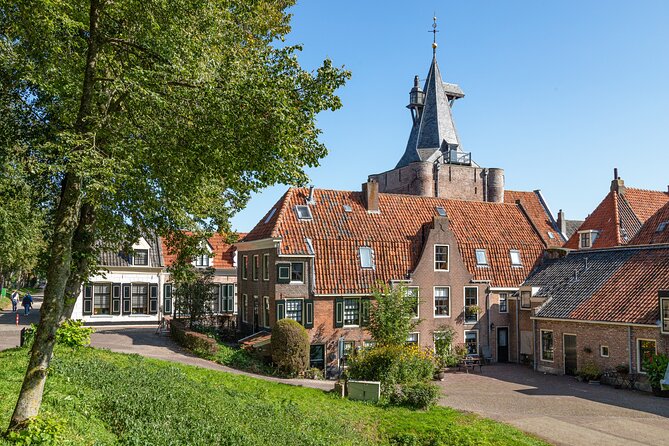
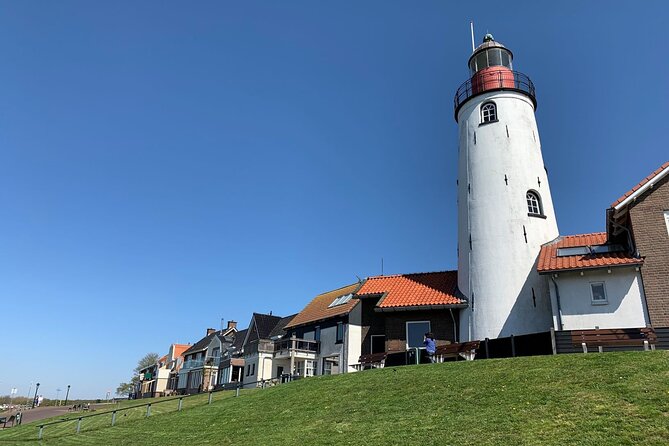
Urk receives another hour. You walk near the lighthouse and old church by the sea, in a place that was once an island before the man-made province of Flevoland was created.
Urk adds a human story to the water-management theme. The country did not only build barriers and reclaim land. These projects changed the setting of communities that had lived with the sea for generations. Knowing that Urk used to be an island makes its position and character easier to understand.
The lighthouse and church give you clear points to see, while the walk provides a break from sitting in the vehicle. This is also one of the places where the route feels less like a standard Amsterdam day trip. You are seeing a fishing community with a distinct past, not another polished version of the capital.
Again, the one-hour limit keeps the visit focused. You will get a walk and an explanation, but not an extended exploration of every corner. I would think of Urk as a compact cultural stop that strengthens the main theme of the day.
Elburg: a medieval finish behind the old gate
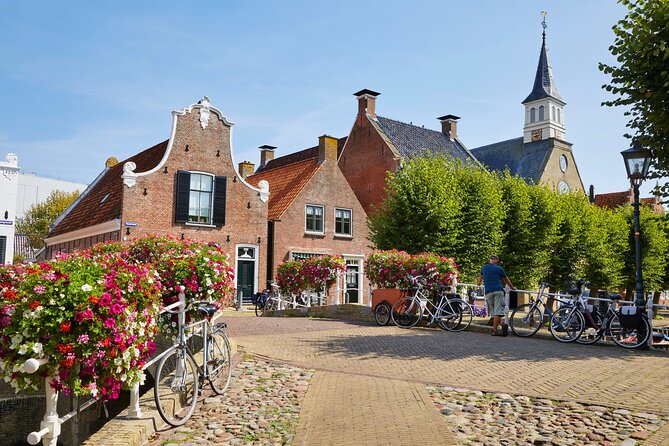
The final stop is Elburg, where a fifteenth-century entrance gate leads into a medieval town. You have about one hour to see the old streets, monuments, and remaining sections of the city wall.
Elburg is an excellent closing stop because its character is different from the earlier villages. The old gate provides a strong arrival point, and the surviving wall helps you picture the town as a defended settlement. The tour information also identifies the entrance gate as dating to 1392, giving the place a very specific sense of age.
I like the way Elburg ends the route with architecture rather than another water project. After a day of dikes, canals, and former islands, you get a compact town where the focus shifts to streets, walls, gates, and monuments.
One hour is enough for an orientation walk and photographs. It is not enough for a detailed visit to every monument. If medieval towns are your main interest, you may wish you had longer here. Still, as the final piece of a five-stop day, Elburg gives the tour a satisfying finish.
How the small-group vehicle changes the day
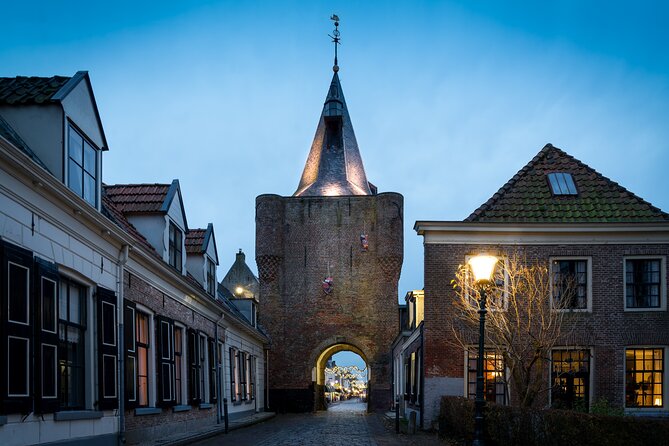
The tour includes private transportation in an air-conditioned vehicle. That matters because the route covers a wide area and links places that would be difficult to combine efficiently on your own in one day.
Public transport could take you to some of these places, but connecting all five would require careful planning and more time. Here, the driving is organized for you, and the guide can explain what you are seeing along the way. The vehicle also gives you a place to rest between walks.
The maximum group size is seven people. That is small enough for a calmer ride and easier conversation, but you should still expect a full touring day rather than a private, custom itinerary. The guide sets the pace, and the stops are fixed.
Snacks are included. Lunch and additional food and drinks are not, so you should plan for that cost and timing. The provided information does not specify a set lunch arrangement. Bring your expectations in line with a snack break rather than a meal included in the price.
What the $148.99 price gets you
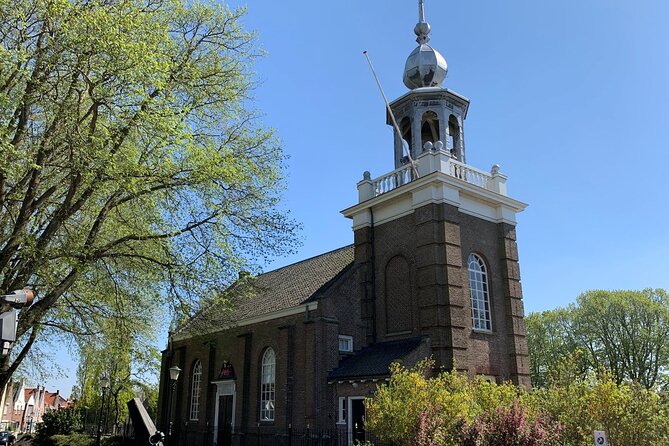
At $148.99 per person, this is not the cheapest way to see one Dutch town. It is easier to judge the value by looking at what the price bundles together: eight to nine hours, private air-conditioned transportation, an English-speaking guide, a maximum of seven people, snacks, and five stops spread across several provinces and regions.
I consider the price reasonable if you want to cover a lot of ground without driving or managing train and bus connections. The route also saves you from arranging separate day trips to Zaanse Schans, Friesland, Urk, and Elburg.
The value is weaker if you only want windmills. Zaanse Schans can be visited on its own, and the optional activities there cost extra. You are paying for the full geographic sweep and the guide’s explanations, not just admission to attractions.
The tour’s strongest value comes from the connections. A guide who explains why the Afsluitdijk matters, how Urk changed from island to mainland community, and how the towns fit into Dutch history gives you more than transport between photo stops.
The pace, walking, and practical fit
The day begins at 9:00 a.m. at the Chamber of Commerce, De Ruijterkade 5, 1013 AA Amsterdam, and returns to that same meeting point. You should allow the full eight to nine hours, since the route includes both driving and short walks.
The physical demands are moderate. The experience is not described as suitable for people with limited physical movement, and a moderate fitness level is recommended. You will walk at each town stop, although one account describes the day as relaxing and not especially heavy on walking.
I would choose this for you if you want an active sightseeing day without a strenuous hike. Comfortable shoes still make sense, since the old streets, canals, and town walls are best enjoyed on foot.
The tour is offered in English, and service animals are allowed. Confirmation is provided at booking, and the meeting point is near public transportation.
The guide can make or break a day like this
This route depends heavily on the guide. Five stops can feel scattered if the explanations are thin. With a good guide, the day becomes a connected lesson in Dutch geography, engineering, regional identity, and town life.
Simon is repeatedly praised for being friendly, professional, clear, and relaxed about time. Adrian and Adriaan are also identified as strong guides, with particular praise for their explanations of land reclamation and the cultural differences around the route. Jon is described as making the day feel like an authentic look at life outside Amsterdam.
You cannot select a particular guide from the information provided, so I would not book on the assumption that one named person is guaranteed. Still, the consistent emphasis on friendly guiding is a good sign for a tour that requires plenty of narration between stops.
Should you book the Discover The Netherlands Tour?
Book it if you want a broad, well-organized look at the country outside Amsterdam. It is especially suitable for a first visit, for anyone interested in Dutch water management, and for people who would rather see several smaller places than spend another day in a major museum.
The tour is also a smart choice if you value a small group and do not want to rent a car. The five stops are varied, and the route gives you far more context than a simple windmill outing.
Skip it if you want long, unhurried visits, a full meal included, or a deep exploration of one town. The schedule is efficient, and the vehicle time is part of the bargain.
For $148.99, I think the tour earns its price through the route, the small group, and the guide-led connections between places. It is a long day, but it is a useful one: you return to Amsterdam with a much clearer sense of how the Netherlands lives with water and how much more there is beyond the capital.
FAQ
Where does the tour start?
The tour starts at the Chamber of Commerce, De Ruijterkade 5, 1013 AA Amsterdam, Netherlands.
What time does the tour begin?
The start time is 9:00 a.m.
How long does the experience last?
The tour lasts approximately eight to nine hours.
Where does the tour end?
The activity ends back at the original meeting point in Amsterdam.
How many people can join the tour?
The tour has a maximum of seven people.
Is lunch included?
No. Snacks are included, but lunch, food, and additional beverages are not included. Optional activities at Zaanse Schans are also extra.
Can I cancel for a full refund?
Yes. You can cancel at least 24 hours before the local start time for a full refund. Cancellations or changes made less than 24 hours before the start are not accepted for a refund. If bad weather or an insufficient number of bookings cancels the tour, you will be offered another date or experience, or a full refund.
Just added around Amsterdam
- Private full-day customizable tour of the Netherlands from Amsterdam★ 5.0 · 9 reviews
- Amsterdam Essence in German: 90-minute waterway trip★ 5.0 · 11 reviews
- Private Daytrip Giethoorn and Windmills of Zaanse Schans from Amsterdam★ 5.0 · 4 reviews
- Bruges Private Custom Tour from Amsterdam★ 4.5 · 13 reviews
- Private Day Tour: Rotterdam and The Hague. English or Spanish★ 4.5 · 20 reviews
- Private day trip to Bruges from Amsterdam★ 5.0 · 6 reviews
- Private day trip to the Dutch castles from Amsterdam★ 5.0 · 10 reviews
- Private Amsterdam City Highlights Bike Tour (PRIVATE GUIDE)★ 5.0 · 28 reviews
Tours, compared.
Zaanse Schans, Edam, Volendam & Marken Bus Tour
Read our review →
Anne Frank’s Story – Guided Walking Tour through Amsterdam
Read our review →
Life of Anne Frank and World War II Walking Tour
Read our review →
Red Light District Tour in German/English/Italian
Read our review →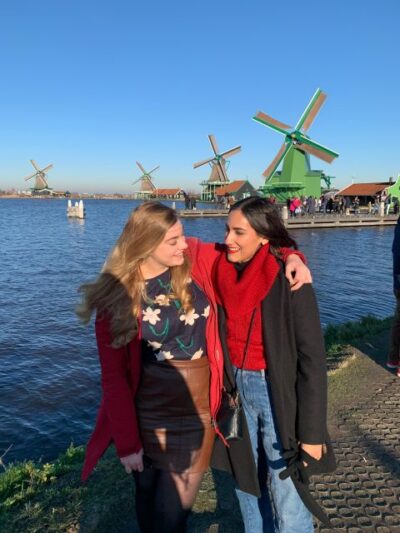
Guided Zaanse Schans, Windmills & Cheese Tour
Read our review →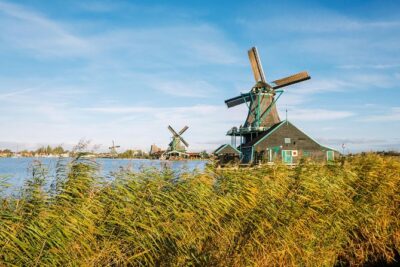
Windmill Tour from Amsterdam, Including Volendam & Marken
Read our review →