
Reviewed · WWII HISTORY TOURS
Eindhoven: Wings of Liberation, The WWII Airborne experience
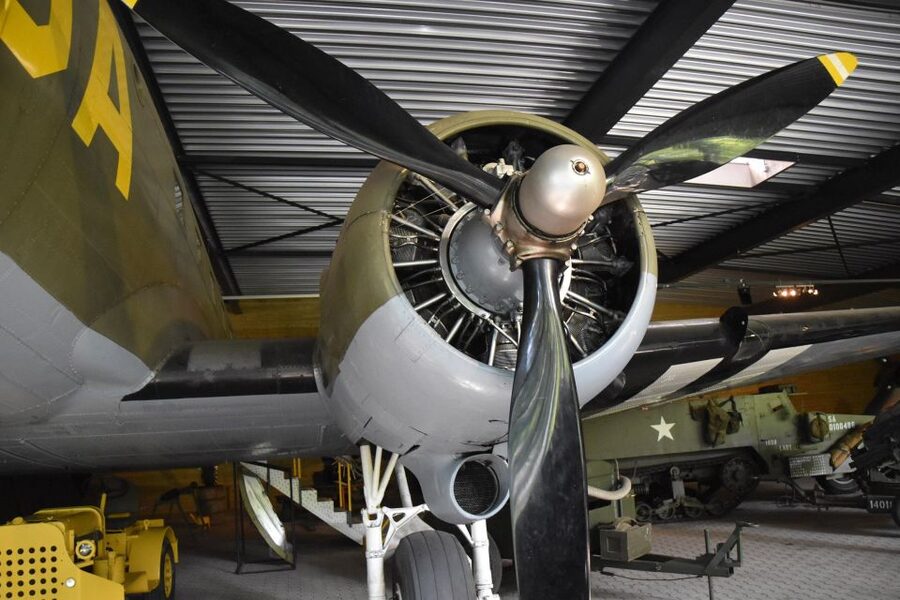
The most striking part of Wings of Liberation is its focus on the actual airborne campaign that helped free the southern Netherlands. You move from the occupation in 1940 through the repression years and into Operation Market Garden, launched here on 17 September 1944. The large aircraft and vehicles make the story physical, not just something you read on a wall.
I like the Dakota C-53 and Horsa glider, two memorable displays that help explain how troops and equipment reached the ground. I also like the Dutch and English audio guide, since it lets you set your own pace through the photos, dioramas, weapons, and aircraft. The main drawback is that this is a museum visit rather than a guided battlefield walk, so you should not expect a personal historian leading you from site to site.
Key points
- Operation Market Garden setting: The museum sits in the North Brabant area where the airborne operation began on 17 September 1944.
- A clear wartime timeline: Follow the story from occupation in 1940 and repression through liberation in the final months of 1944.
- Aircraft you can board: See the famous Dakota C-53 and Horsa glider at close range.
- Real military hardware: The collection includes aircraft, weapons, vehicles, photos, and dioramas connected to the campaign.
- Audio guide included: Dutch and English commentary helps you read the displays with more context.
- Good value for a full day: At $14 per person, you can spend time with a substantial collection without paying a large admission fee.
Starting with the liberation of North Brabant
Wings of Liberation tells a local story with national importance. The museum sits in the part of North Brabant where Allied airborne operations began on 17 September 1944. That date marked the opening of Operation Market Garden and the start of the liberation of the southern Netherlands.
For you, the setting gives the displays a useful sense of place. This is not simply a general military museum with unrelated tanks and aircraft. The collection is tied to the campaign that passed through this region, so the aircraft and weapons connect to the ground below your feet.
I like that the museum does not begin with the dramatic arrival of the paratroopers. It first explains how the Netherlands reached that moment. You start with the German occupation in 1940, move through the repression years from 1940 to 1944, and then follow the liberation during the final months of 1944.
That order matters. Without it, the aircraft can become impressive machines without human meaning. With it, you can understand why the airborne landings mattered to local communities and why liberation was such a major turning point.
More WWII Tours in North Brabant:
- Amsterdam: Life of Anne Frank and World War II Walking Tour
★ 4.8 · 10,467 reviews - Amsterdam: Dutch WWII Resistance Museum Entry Ticket
★ 4.7 · 951 reviews - Oranjehotel World War II Prison Entrance Ticket
★ 4.6 · 708 reviews
Occupation, repression, and the road to 1944
The early part of the museum covers the years when the Netherlands was occupied. You can expect photographs and displays that set out the wartime conditions before the Allied assault. The museum also covers the repression period from 1940 to 1944, giving the military story a wider human frame.
This section should be useful if you know Operation Market Garden mainly as a battlefield event. It reminds you that the campaign came after years of occupation, fear, and pressure. The liberation was not just a matter of moving armies across a map. It affected families, towns, and daily life.
The museum’s photos and dioramas help break up the reading. You get a mix of visual material and military objects rather than a long run of text panels. I would use the audio guide here, especially if you want more background than the display labels provide.
The guide is available in Dutch and English. That makes the museum easier to follow for international visitors, and it lets you choose your pace. You can stop for a closer look, replay information if needed, or move on when a section is less important to you.
Operation Market Garden on 17 September 1944
The heart of the visit is the airborne experience connected with 17 September 1944. Operation Market Garden began with airborne forces entering the Netherlands, including American paratroopers and pilots flying the aircraft that carried troops and equipment.
The museum places that action within the liberation of southern Netherlands. You can use the exhibits to connect the airborne operation with the larger campaign that followed in the final months of 1944.
I find this section most effective when you take your time with the equipment. Aircraft and weapons can look like museum props from a distance, but seeing their size and construction gives you a better sense of what the operation demanded. The displays help you picture the movement of people and machines into a war zone.
The audio guide should add useful explanation as you move through this part. No individual guide names are provided, and this is not presented as a scheduled, live-led tour. You are given the tools to explore independently, with a host or greeter available as part of the experience.
Inside the Dakota C-53
The Dakota C-53 is one of the museum’s most important hands-on displays. Getting on board helps you understand the aircraft as a working part of the airborne operation, rather than viewing it only from the floor.
The Dakota is famous for its role in carrying airborne troops and supplies. Here, the value comes from scale and proximity. You can see how large the aircraft is and use the interior to picture the confined conditions faced by the people who flew in it.
I would make this one of your main stops, even if you are not deeply interested in aircraft. The size of the machine gives the visit a strong physical moment. It also works well for families because the experience is easier to grasp when you can step into the object itself.
Do not expect a modern aviation attraction with moving flight simulators or a long series of interactive rides. The appeal is historical and direct. You are looking at an aircraft connected to the airborne story and considering what it meant to use it in 1944.
A few more North Brabant half-days worth comparing
- Kaatsheuvel: Efteling Theme Park Day Admission Ticket
★ 4.7 · 570 reviews - Biesbosch: Boat Cruise through National Park
★ 4.2 · 470 reviews - Werkendam: Boat Cruise and Biesbosch Museum Entry Ticket
★ 4.4 · 402 reviews - Hilvarenbeek: Safaripark Beekse Bergen Entry Ticket
★ 4.4 · 191 reviews
The Horsa glider and airborne equipment
The Horsa glider adds a different side to the airborne story. A glider had no engine, so its presence helps you think about the logistics and risks of moving troops and equipment through the air.
The museum’s aircraft displays are paired with weapons and other military hardware used during Operation Market Garden. Together, these objects show the operation as a system. Aircraft carried people and supplies, gliders transported equipment, and weapons shaped what happened once forces reached the ground.
This is one reason I would not rush through the collection after seeing the large aircraft. The smaller objects help fill in the story. A photograph or weapon can give context to the vehicles and planes, while the planes provide scale for the smaller pieces.
The collection includes dioramas, which can help you see how equipment and forces fit into a particular scene. You might find these especially useful if you prefer a visual explanation rather than a long written account.
Vehicles, weapons, photographs, and dioramas
The museum has a broad collection rather than a single star object. You can expect military vehicles, aircraft, weapons, photographs, and dioramas. The range gives you several ways to approach the story.
If you are drawn to machinery, the vehicles and aircraft will take most of your attention. The size of the equipment is part of the appeal. If you prefer personal and social history, spend more time with the photographs and the sections covering occupation and repression.
The collection is also useful for families and mixed-interest groups. One person can focus on aircraft while another follows the wartime timeline. The audio guide gives you a way to choose what matters most instead of depending on a single spoken presentation for the entire visit.
A practical tip: allow enough time to read. The museum covers more than the airborne landings, and returning visitors have found that a second visit can reveal additional information. Even on a first visit, the timeline rewards a slower pace.
How the audio guide changes the visit
The included audio guide is available in Dutch and English. That is important because the collection covers a long period and several kinds of material. Without context, a vehicle or aircraft can be interesting but hard to place in the wider story.
You can use the guide to connect the displays to the occupation, repression, airborne operation, and liberation. I would listen to the commentary before moving too quickly through the objects. The explanation may help you notice why a particular aircraft, weapon, or photograph belongs in this museum.
An audio guide also gives you control. You do not have to keep pace with a group, and you can spend longer at the Dakota or Horsa glider if those are your priorities. The tradeoff is that you do not get the back-and-forth conversation of a live expert.
The host or greeter is part of the experience, but no named guide or fixed live commentary is specified. Book this as a self-guided museum visit with support on site, not as a private lecture.
Is $14 good value for a full day?
At $14 per person, I consider this strong value for anyone interested in World War II, aviation, or the liberation of the Netherlands. The price gives you access to a substantial museum collection, the audio guide, and the Dakota C-53 and Horsa glider displays.
The value improves if you take advantage of the full validity period. Your ticket is valid for one day from first activation, so you do not need to treat the visit as a quick stop. The exact time you spend will depend on how closely you read and how much time you give the aircraft and vehicles.
This is not the right $14 choice if you want a guided outdoor tour with battlefield transport or a tightly scheduled historical performance. It is a museum experience, and its strengths are the collection, the scale of the objects, and the freedom to set your own pace.
The booking terms are also flexible. You can cancel up to 24 hours in advance for a full refund, and you can reserve now and pay later. The museum is wheelchair accessible, which makes the visit more practical for many people, though the supplied information does not describe every route or exhibit detail.
Who will get the most from this museum?
I would choose Wings of Liberation if you have a strong interest in World War II, the Allied airborne campaign, military aircraft, or Dutch liberation history. It also suits families who want a museum with large objects rather than a purely text-based visit.
It is a good match for visitors already exploring North Brabant’s wartime sites. The local connection to Operation Market Garden gives the collection a clear geographic purpose. You can use the museum to add background before visiting other places in the region, or to make sense of what you have already seen.
You do not need to be an aircraft expert. The timeline begins with occupation and repression, so the visit works for a broader history interest. The audio guide in English helps if you do not read Dutch.
I would be more cautious if you want a short, highly polished attraction with constant interactive features. The museum’s appeal comes from real equipment, historical explanation, and time spent looking closely. Give it room to work.
Practical booking advice
The activity is listed in Eindhoven, in North Brabant, and lasts one day from activation. Since the exact visit length is not fixed in the information provided, plan around your own interest in the displays rather than expecting a timed performance.
English and Dutch are the available languages. The audio guide is included, and the museum is wheelchair accessible. You can book with a pay-later option, and cancellation is free up to 24 hours before the visit.
The overall rating is 4.7 from 20 bookings, with especially strong praise for the authentic collection, the aircraft, military vehicles, and the amount of information available. I would take that as a sign that the hardware is a major strength, while remembering that the experience suits people who enjoy a self-guided museum.
Should you book Wings of Liberation?
Yes, if you want a focused and affordable look at the liberation of southern Netherlands. The combination of the occupation timeline, Operation Market Garden material, real aircraft, military vehicles, and English audio guide gives you much more than a quick photo stop.
Book it for the Dakota C-53 and Horsa glider, but stay for the wider story. The aircraft may bring you through the door, while the photographs, dioramas, weapons, and occupation displays give the visit its meaning.
Skip it only if you are searching for a live battlefield guide or outdoor tour. For a museum-based World War II experience at $14, Wings of Liberation offers a clear story, substantial objects, and enough flexibility to reward a careful visit.
FAQ
Where is Wings of Liberation located?
The museum is located in North Brabant, Netherlands, and the activity is listed under Eindhoven.
How much does admission cost?
The listed price is $14 per person.
How long is the ticket valid?
The ticket is valid for one day from first activation.
Is an audio guide included?
Yes. An audio guide is included in Dutch and English.
Can I board aircraft at the museum?
The experience includes access to the Dakota C-53 and Horsa glider.
Is the museum wheelchair accessible?
Yes, the activity is listed as wheelchair accessible.
Just added around North Brabant
- Oudenbosch: Tour at Basilica of the Holy Agatha and Barbara★ 4.4 · 10 reviews
- Oudenbosch: Guided City Walk★ 5.0 · 3 reviews
- Overloon: ZooParc Entrance Ticket★ 4.9 · 19 reviews
- Loevestein Castle Entry Ticket★ 4.2 · 16 reviews
- Hilvarenbeek: Speelland Beekse Bergen Entrance Ticket★ 3.7 · 3 reviews
- Eindhoven: Strijp-S Industrial Park Guided Walking Tour★ 4.3 · 21 reviews
- Eindhoven: City Center Walking Tour★ 4.7 · 43 reviews
- Eindhoven Zoo Entry Ticket★ 4.6 · 33 reviews
WWII History Tours, compared.

Life of Anne Frank and World War II Walking Tour
Read our review →
Oranjehotel World War II Prison Entrance Ticket
Read our review →
Rotterdam Walk: Hilights, Gems, Architecture & WWII | 2 or 3hrs
Read our review →
Small Group Tour to Nazi WWII concentration camp from Amsterdam
Read our review →
Anna Frank and World War II History Walking Tour
Read our review →
Anne Frank and World War II Walking Tour (TOP RATED)
Read our review →
Browse the lists this tour appears in