
Reviewed · WWII HISTORY TOURS
Amsterdam: Dutch WWII Resistance Museum Entry Ticket
Amsterdam’s Dutch Resistance Museum shows how ordinary people faced extraordinary choices under Nazi occupation. The strongest part is its focus on daily life: forged documents, hidden people, underground newspapers, strikes, escape routes, and the small acts that could carry enormous risk. Personal stories give the history a human face, while films, photographs, objects, and recreated wartime settings build a clear picture of the period.
I like the handheld audio guide, which lets you choose how much detail you want at each exhibit. I also like the dedicated section on the Dutch East Indies, a part of the wartime story that many visitors know little about. The main thing to consider is time. You can walk through in two hours, but three hours is more realistic if you want to listen and read carefully.
Key points to know before you go
- A serious look at Dutch resistance: The museum covers strikes, forged papers, hiding networks, newspapers, escape routes, espionage, and armed action.
- Many individual stories: Documents and personal accounts show how occupation affected families, workers, collaborators, resistance members, and Jewish Dutch citizens.
- Flexible audio guide: Choose Dutch, English, French, German, Italian, Spanish, or Portuguese, then select the stories that interest you.
- Allow two to three hours: The museum may look modest from outside, but the exhibition continues farther inside and has plenty to read and hear.
- The Dutch East Indies are included: A separate section explains the experiences of people living under Japanese occupation in the former Dutch colonies.
- Practical access: The museum is wheelchair accessible, and the ticket is valid for one day.
Entering Amsterdam’s wartime story
The Dutch Resistance Museum is not simply a display of military equipment or a timeline of battles. It asks a more difficult question: how did Dutch people live, work, cooperate, resist, and survive when Germany occupied the Netherlands?
That approach makes the museum useful even if you already know the broad outline of World War II. You see how occupation entered daily life through rules, shortages, fear, propaganda, surveillance, and pressure to conform. The story is not reduced to heroes on one side and villains on the other. It also shows the hard choices faced by people who had to decide when to help, when to stay silent, and when silence itself became dangerous.
I find this human scale more affecting than a room full of statistics. A document, a personal letter, or a photograph can show what a policy meant for one real person. The museum uses those details to explain the larger story without assuming that you arrive with expert knowledge.
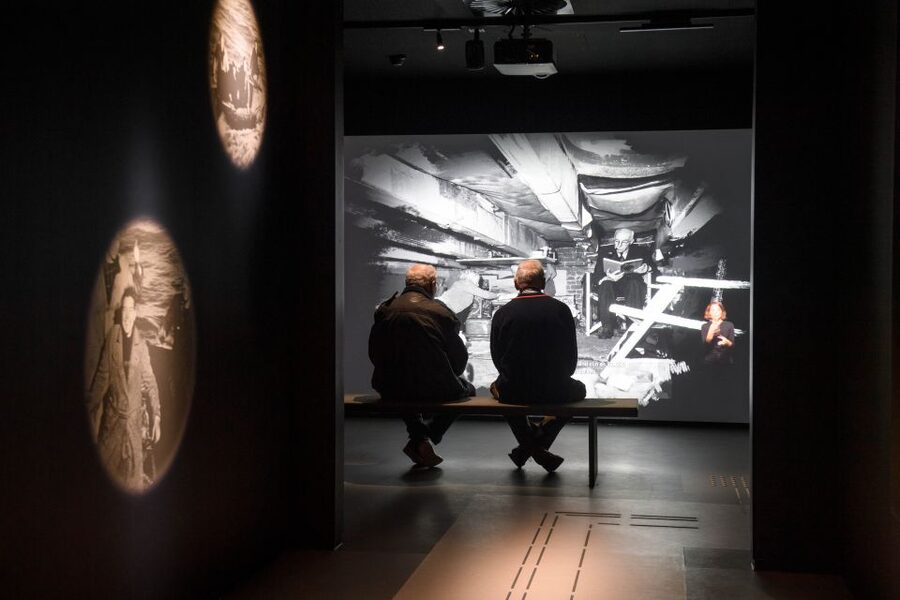
The presentation is also easy to follow. Short films, photographs, objects, written explanations, and audio accounts work together, so you can take in the material in several ways. If you know only the basic story of the war, the clear layout helps. If you have studied the period closely, the personal evidence gives you more to consider.
More Attraction Tickets in Amsterdam
- Amsterdam: Van Gogh Museum Ticket
★ 4.7 · 52,054 reviews - Amsterdam: Heineken Experience Ticket
★ 4.6 · 30,055 reviews - Amsterdam: Rijksmuseum Entry Ticket
★ 4.7 · 25,535 reviews
Following resistance from strikes to secret papers
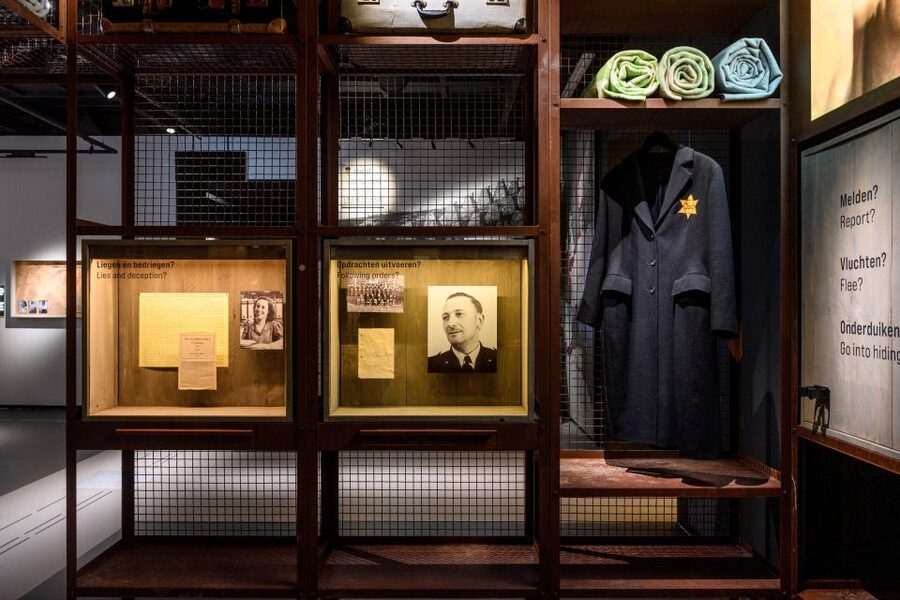
The exhibition covers a wide range of resistance. You learn about strikes, the forging of identity papers, help for people going into hiding, underground newspapers, escape routes, espionage, and armed resistance.
This range matters because resistance was not one single activity. Some people joined organized groups. Others helped in quiet, practical ways, such as passing information, producing false documents, finding shelter, or moving people along an escape route. A strike could be a public act of protest, while hiding someone demanded secrecy for months.
The museum helps you see the risks behind those actions. A forged document was not just a clever piece of paper. It could determine whether someone passed a checkpoint, found work, or avoided arrest. An underground newspaper was not just a political publication. Producing and distributing it could expose an entire network.
You will also encounter the less comfortable side of occupation. The museum addresses collaboration and the choices people made under German rule. That balance is valuable. A wartime museum can become too neat if it presents one national character as brave and united. Here, the picture is more honest: courage existed alongside fear, self-interest, compromise, and betrayal.
Streets, photographs, and the feel of the 1940s
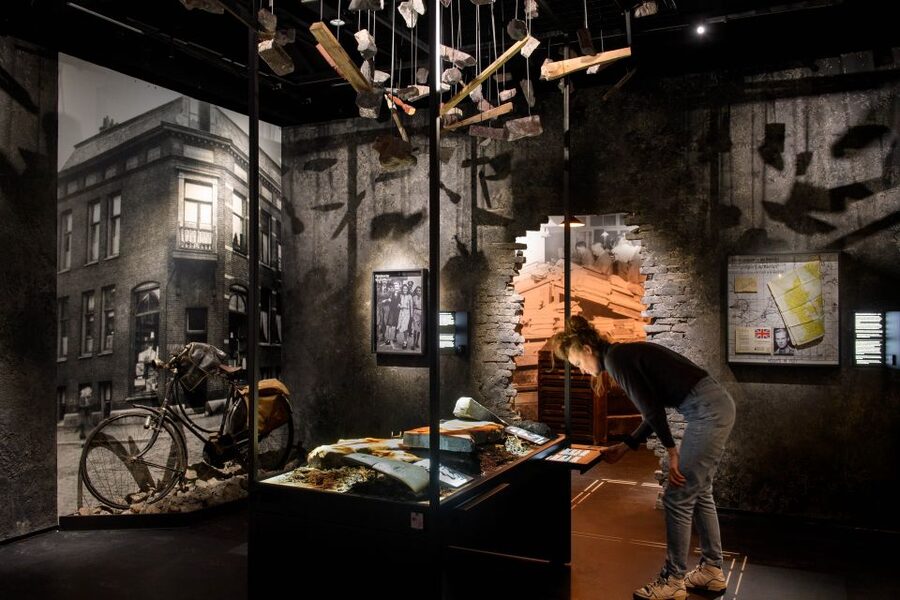
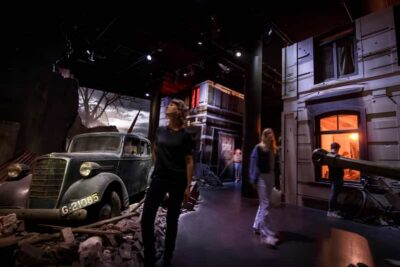
One of the museum’s most effective features is its use of wartime atmosphere. You move through settings that evoke the streets of the Netherlands in the 1940s, with walls covered in photographs and displays that connect public events to private lives.
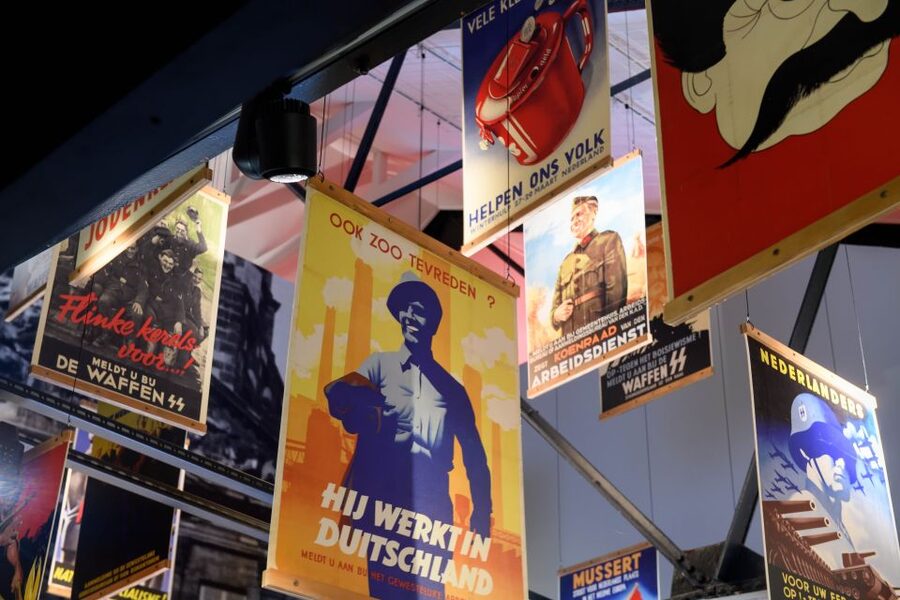
This does not turn the museum into a theatrical attraction. Instead, it gives you a sense of the visual world people saw around them. Propaganda, official notices, family photographs, and wartime objects help explain how occupation was made visible in ordinary places.
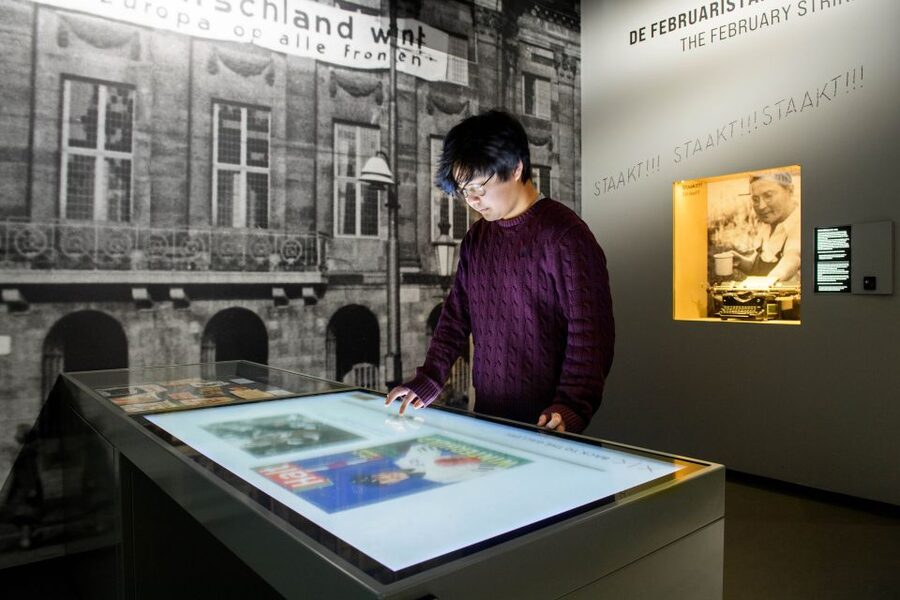
The interactive propaganda material is especially useful because it asks you to look at how messages were shaped and distributed. That is a practical lesson in how governments try to control public opinion. It also gives younger visitors and people who learn best through activity a way into a difficult subject.
The museum is quiet and serious. That suits the material, though it means you should not rush through simply because the building seems small at first. The exhibition extends farther than you may expect, and many displays invite you to stop for an audio story or a longer written account.
The audio guide lets you set your own pace
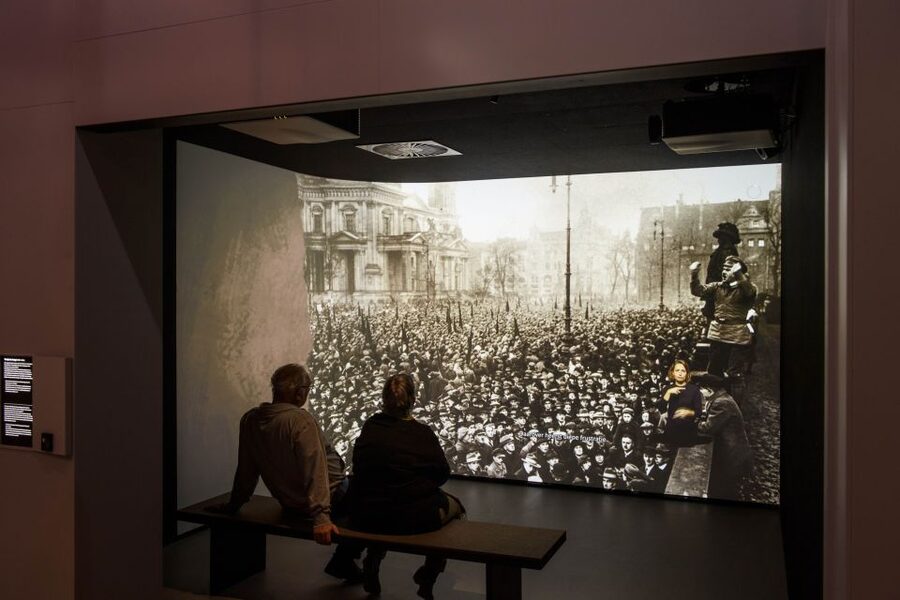
Your ticket includes a handheld audio guide. Audio is available in Dutch, English, French, German, Italian, Spanish, and Portuguese.
I like this system because it does not force you to listen to every explanation. QR codes or scanning points let you choose what to hear, so you can follow the main story or add more detail when a person, object, or event catches your attention. Several accounts are spoken as personal stories, which can make the material feel direct without needing a live guide.
The device also helps if you need to sit down from time to time. One visitor described using the hand unit while resting, then continuing with the exhibition. That is a small but important advantage in a museum with several hours of material.
Take a moment to learn how the scanner works before moving too quickly. An audio selection can restart if the device is triggered again, so deliberate scanning is better than waving it over every exhibit. The system is generally straightforward, but using it carefully will save you a little frustration.
Because there is no live guide included, you control the pace and order of the visit. That is good for independent museum-goers. It also means you should expect to read, listen, and make your own connections rather than follow a guide who explains the whole exhibition aloud.
More Museum Tickets in Amsterdam
- Moco Museum Amsterdam Entrance Tickets with Banksy & More
★ 4.4 · 10,088 reviews - Amsterdam: The Upside Down Museum Entrance Ticket
★ 4.4 · 9,506 reviews - Amsterdam: Red Light Secrets Museum Entry Ticket
★ 4.2 · 5,722 reviews - Amsterdam’s Weirdest Museum: Believe It or Not!
★ 4.5 · 4,086 reviews
Personal choices at the heart of the exhibition
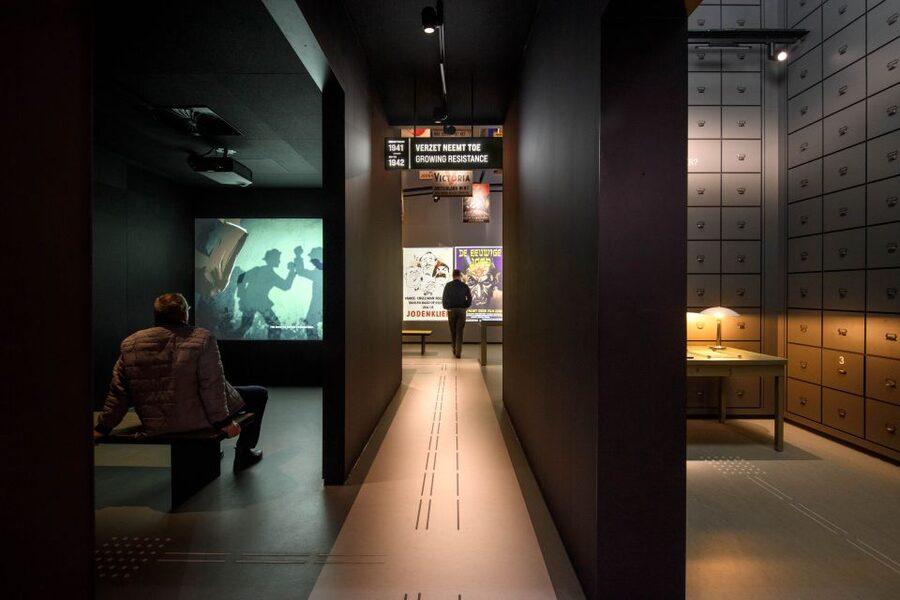
The most moving material concerns people caught in moral dilemmas. Occupation forced decisions that rarely had a clean answer. Should someone hide a neighbor? Pass information? Take a forged identity? Join a strike? Protect a family member? Stay quiet to avoid putting others at risk?
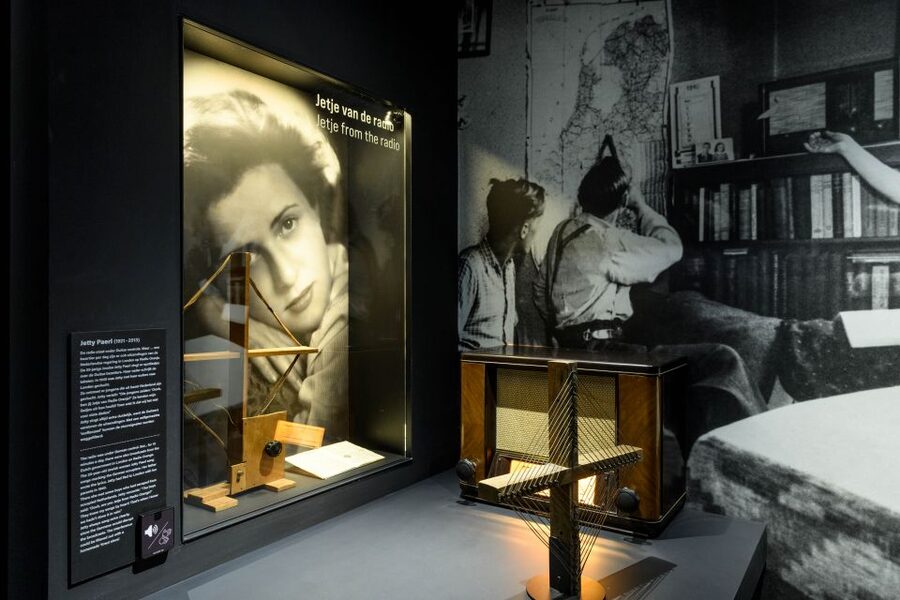
Documents and testimonies bring these questions into focus. You see people not as symbols, but as individuals with families, fears, jobs, and responsibilities. Some stories concern exceptional acts of bravery. Others show ordinary people trying to get through another day.
I appreciate the range of perspectives. You learn about resistance groups, collaborators, people who were targeted, and people whose decisions changed as conditions worsened. The museum does not ask you to admire resistance in the abstract. It shows what resistance demanded from a person standing in a real situation.
The accounts of Jewish Dutch citizens are an essential part of this section of the story. The museum explains the persecution and the pressures created by Nazi rule, while also showing the choices faced by those who tried to help. It is emotionally heavy, so I would not plan this as a quick stop squeezed between several cheerful attractions.
The Dutch East Indies section broadens the picture
A separate part of the museum looks at the former Dutch East Indies during the Japanese occupation. This is one of the most valuable reasons to visit, particularly if your family has a connection to Indonesia or to wartime internment and prisoner-of-war experiences.
The section explains the terror and hardship faced under Japanese rule. It adds an important colonial dimension to the Dutch wartime story, showing that the war was experienced differently across the former Dutch empire.
For many people, this will be unfamiliar material. Amsterdam’s wartime history is often linked mainly with the occupation of the Netherlands and the story of Anne Frank. This museum widens the frame and helps you understand that Dutch wartime experience did not end at the European coastline.
Give this section enough time. It is easy to spend most of your visit on the main Dutch exhibition, then hurry through the colonial material. I would treat it as a major part of the museum rather than an optional appendix.
How long should you plan?
The ticket is valid for one day, but most people will use it for one continuous museum visit. I would set aside two to three hours.
Two hours can work if you listen to selected audio points and keep moving. Three hours is better if you want to hear most of the personal accounts, read the written material, watch the films, and spend time with the objects.
One person who listened at every station spent about two and a half hours. Another found that three hours would have been useful but had to leave for a separate booking. That is a good warning: do not place this museum immediately before a fixed tour unless you are happy to leave material unseen.
A full day is not necessary for most people, despite the ticket’s one-day validity. The validity simply gives you flexibility. You can also take a break if needed, then return later that day, though the supplied information does not specify the exact re-entry procedure. An attached restaurant offers a convenient place to pause after the visit.
Price, access, and who gets good value
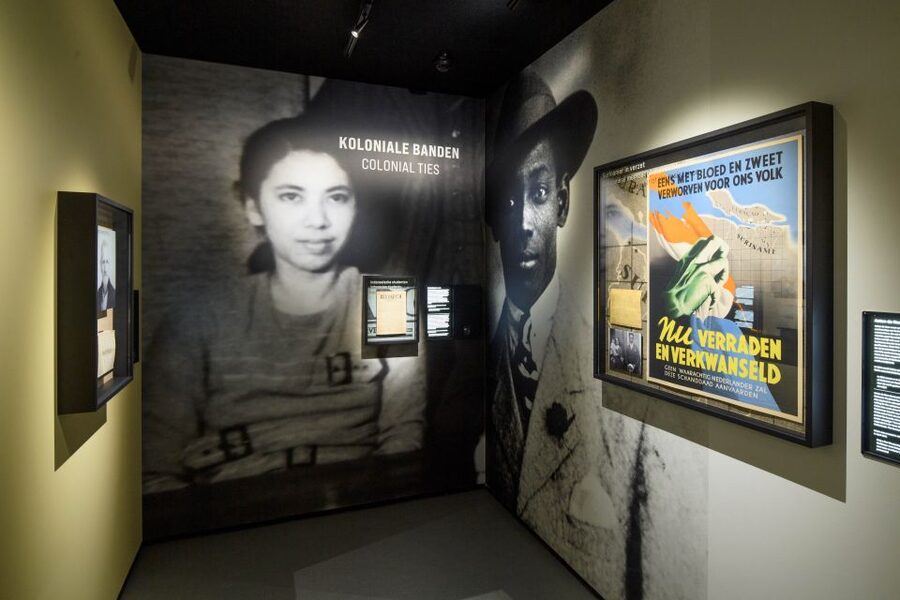
At about $21 per person, this is not Amsterdam’s cheapest museum stop, but the value is solid if you use the audio guide and allow enough time. You are paying for a substantial exhibition with films, objects, photographs, personal accounts, and material in several languages, not just a short display.
The price makes less sense if you plan to rush through in 45 minutes. You will get far more from it if you can give it at least two hours. For anyone interested in World War II, modern European history, Jewish history, resistance movements, or family wartime connections, the cost is reasonable.
The museum is wheelchair accessible. The audio system also helps people who prefer spoken information, need to rest while listening, or find long blocks of text tiring. Access needs vary, so if you require specific assistance beyond wheelchair access, contact the museum before visiting.
You show your ticket at the museum counter. There is no guide included, so the experience is self-guided. You can cancel up to 24 hours in advance for a full refund, and a reserve now, pay later option may help if your schedule is still changing.
How it fits into an Amsterdam day
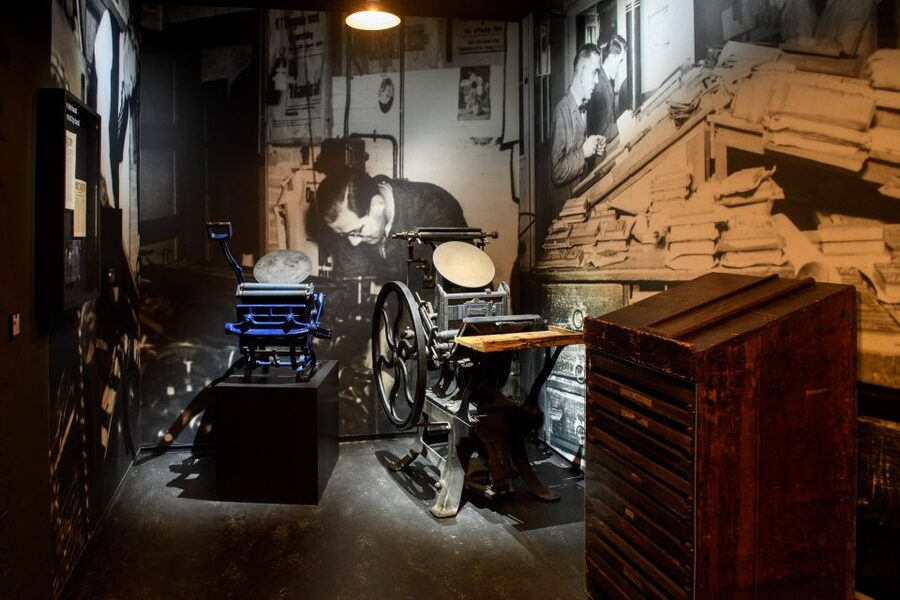
This museum works well as a focused half-day activity. You could pair it with another historical stop, but I would avoid stacking it with several emotionally demanding museums on the same day.
The area also offers a chance to connect the museum’s broader story with other wartime memorial sites in Amsterdam. One nearby memorial site associated with the deportation of Jewish people is the Hollandse Schouwburg. The supplied information identifies it as worth visiting, but you should plan that separately because this ticket covers only the Dutch Resistance Museum.
If you are visiting with a history-loving partner or teenager, the audio choices and interactive displays make it easier for each person to follow at a suitable pace. Families should know that the subject is painful and includes Nazi persecution, deportation, violence, and wartime suffering. It is educational, but not light entertainment.
Who should book this museum?
I would book it if you want to understand how occupation affected ordinary life in the Netherlands, not just learn the dates of battles. It is also a strong choice if you have already visited Amsterdam’s Anne Frank House and want a wider view of resistance, collaboration, persecution, and colonial wartime experience.
You should also consider it if you prefer museums with personal voices, objects, films, and a self-guided format. The handheld audio guide is a real advantage for visitors who want to choose their own level of detail.
I would think twice only if your Amsterdam schedule is extremely tight or if you are looking for a quick, visually light attraction. This museum asks for attention, and the subject can be upsetting. For most people with an interest in World War II or Dutch history, that time is well spent.
Should you book the Dutch Resistance Museum?
Yes, if you can spare two to three hours and want a thoughtful account of the occupation told through real choices and personal stories. The strongest reasons to go are the clear layout, flexible audio guide, wide coverage of resistance, and the often overlooked section on the Dutch East Indies.
Book it as a serious history visit, not a quick photo stop. Take your time with the documents, use the audio guide selectively, and leave room for the museum’s quieter, more difficult questions. At $21, it offers good value when you give the exhibition the time it deserves.
FAQ
Where is the Dutch Resistance Museum?
The museum is in Amsterdam, in North Holland, Netherlands.
What does the ticket include?
The ticket includes museum entry and an audio guide.
Is a live guide included?
No. A live guide is not included. The visit is self-guided with the included audio system.
Which audio guide languages are available?
The audio guide is available in Dutch, English, French, German, Italian, Spanish, and Portuguese.
How long does the museum visit take?
Plan on two to three hours for a useful visit. You can spend less time, but the exhibition includes a large amount of audio, written material, films, photographs, and objects.
Is the museum wheelchair accessible?
Yes. The museum is wheelchair accessible.
What subjects does the museum cover?
It covers strikes, forged documents, help for people in hiding, underground newspapers, escape routes, armed resistance, espionage, collaboration, and daily life under Nazi occupation.
Does the museum cover the Dutch East Indies?
Yes. A dedicated section explains experiences in the former Dutch East Indies under Japanese occupation.
How do I enter the museum?
Show your ticket at the museum counter.
Can I cancel the booking?
Yes. Cancellation up to 24 hours in advance is available for a full refund. A reserve now, pay later option is also available.
More WWII Tours in Amsterdam
- Amsterdam: Life of Anne Frank and World War II Walking Tour
★ 4.8 · 10,467 reviews - Small Group Tour to Nazi WWII concentration camp from Amsterdam
★ 5.0 · 112 reviews - Amsterdam: Anna Frank and World War II History Walking Tour
★ 4.8 · 86 reviews - Amsterdam: Anne Frank and World War II Walking Tour (TOP RATED)
★ 4.5 · 72 reviews
Just added around Amsterdam
- Private full-day customizable tour of the Netherlands from Amsterdam★ 5.0 · 9 reviews
- Amsterdam Essence in German: 90-minute waterway trip★ 5.0 · 11 reviews
- Private Daytrip Giethoorn and Windmills of Zaanse Schans from Amsterdam★ 5.0 · 4 reviews
- Bruges Private Custom Tour from Amsterdam★ 4.5 · 13 reviews
- Private Day Tour: Rotterdam and The Hague. English or Spanish★ 4.5 · 20 reviews
- Private day trip to Bruges from Amsterdam★ 5.0 · 6 reviews
- Private day trip to the Dutch castles from Amsterdam★ 5.0 · 10 reviews
- Amsterdam : Private Walking Tour With A Guide (Private Tour)★ 4.5 · 19 reviews
WWII History Tours, compared.

Life of Anne Frank and World War II Walking Tour
Read our review →
Oranjehotel World War II Prison Entrance Ticket
Read our review →
Rotterdam Walk: Hilights, Gems, Architecture & WWII | 2 or 3hrs
Read our review →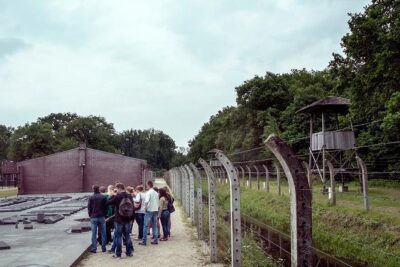
Small Group Tour to Nazi WWII concentration camp from Amsterdam
Read our review →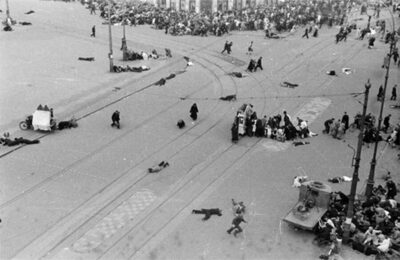
Anna Frank and World War II History Walking Tour
Read our review →
Anne Frank and World War II Walking Tour (TOP RATED)
Read our review →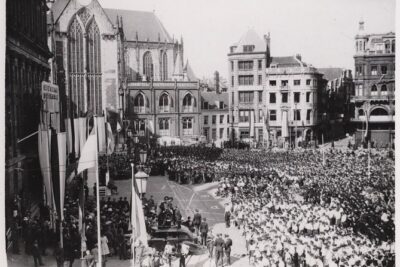
Oosterbeek: Airborne Museum Hartenstein Entry Ticket
Read our review →Browse the lists this tour appears in