
Reviewed · RED LIGHT DISTRICT TOURS
Amsterdam: Red Light District Walking Tour
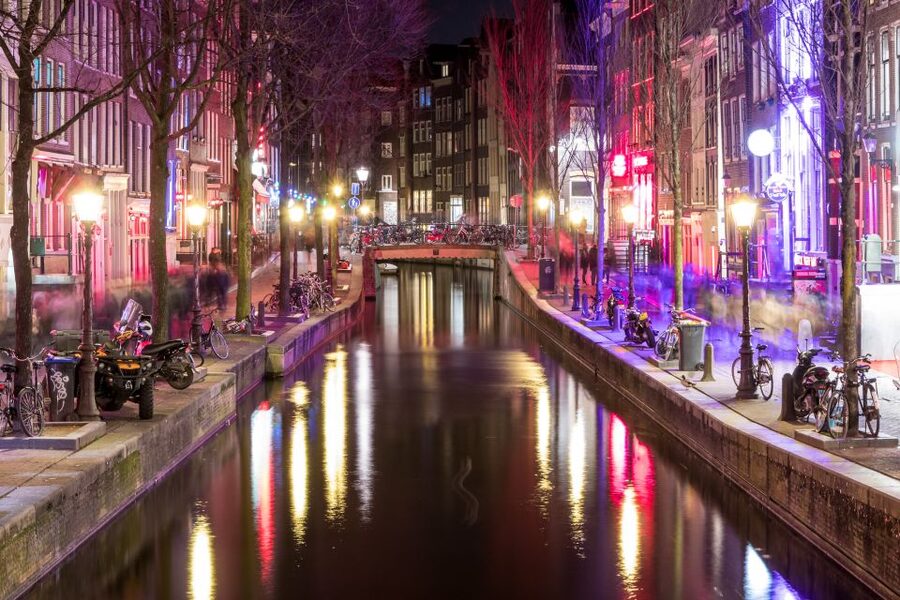
Amsterdam’s Red Light District is more than red-lit windows and late-night bars. It is a compact old quarter where medieval streets, canals, crooked homes, and modern controversy sit almost on top of one another. This walking tour gives you a local guide to explain what you are seeing, rather than leaving you to wander through the crowds without context.
I like the route for two reasons: it links the district to Zeedijk, Chinatown, and Nieuwmarkt, and it deals with the legal and social side of sex work instead of treating the area as a sideshow. The main consideration is simple: the two-hour walk takes place in a busy, adult-oriented district, so it may not suit everyone.
Key points to know before you book
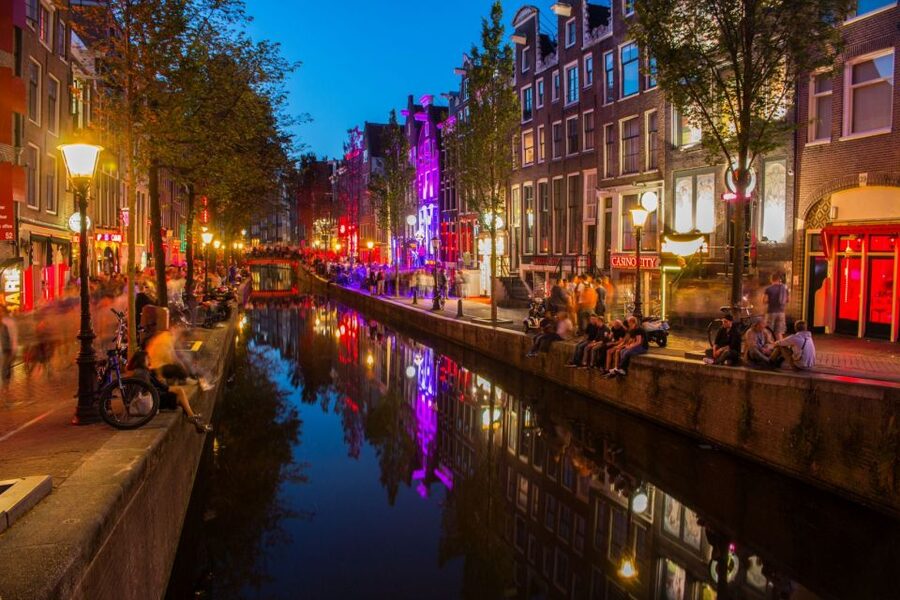
- You see more than the red windows: The route includes Zeedijk, Chinatown, Nieuwmarkt Square, the Waag, canals, crooked houses, pubs, sex shops, and nightlife venues.
- The guide provides the meaning: You learn why prostitution was legalized in the Netherlands and how the word coffeeshop came into use.
- The route includes famous adult venues: Cassa Rosso, peep shows, the Bananenbar, and brothel windows form part of the walk.
- The neighborhood has several layers: An old sailor district, Amsterdam’s Chinatown, medieval defenses, and the modern Red Light District all appear within one compact area.
- Recent guides have a lively style: Ari was described as friendly and upbeat, Aaron as informative, Robin as a storyteller, and Sander as fun and energetic.
- You pay for two hours of local explanation: At $33 per person, the value depends on how much you want history and context alongside the sights.
Why this two-hour walk works
The Red Light District can feel confusing at first. Its streets are narrow, its canals twist around old buildings, and its famous sights are scattered through a working neighborhood rather than arranged in a neat museum route.
A guide helps you connect the pieces. Instead of seeing a red curtain, a Chinese shop, or an old pub as an isolated curiosity, you hear how the district developed and why it still functions as part of Amsterdam’s city center.
This is a walking tour, so you do not spend time waiting for transport. The route moves through the Old Town and the district on foot, with stops at major sights and explanations along the way. Wear comfortable shoes and expect city streets rather than a quiet, polished attraction.
The tour is offered in English or German. A private group option is available, although the supplied details do not specify the private-group price or maximum size. Your exact meeting point can also vary according to the option you book, so check that detail carefully before setting out.
More Walking Tours in Amsterdam
- Anne Frank’s Story – Guided Walking Tour through Amsterdam
★ 5.0 · 11,619 reviews - Amsterdam: Life of Anne Frank and World War II Walking Tour
★ 4.8 · 10,467 reviews - Absolutely Amsterdam – the Essential Introductory Walking Tour
★ 5.0 · 3,629 reviews
Starting on Zeedijk, Amsterdam’s old sailor street
Zeedijk is a useful place to begin because it shows that the Red Light District did not appear in isolation. This was an old sailor neighborhood, and the street still carries traces of its rougher past alongside shops, bars, and everyday city life.
One of the sights here is In’t Aepjen, an old bar associated with the street’s maritime character. The route also points out Amsterdam’s crooked houses, a familiar feature of the historic center. These leaning buildings are not just photogenic. They help you understand how tightly packed and old this part of Amsterdam is.
The guide can give you a sense of how the area changed over time. Zeedijk was once considered unsafe, but it has become a friendlier part of the city. That change adds useful context to the Red Light District, which also continues to shift as Amsterdam debates tourism, public behavior, and the future of sex work in the center.
I like this opening because it keeps the tour from becoming a parade of adult venues. You begin with streets, buildings, and local history, then move toward the more famous part of the district.
Chinatown and the everyday side of the district
From Zeedijk, the walk continues through Amsterdam’s Chinatown. This part of the route includes Chinese stores and other local businesses, giving you a look at a neighborhood that many people might otherwise pass through quickly on the way to the red windows.
The guide explains how an area once seen as unsafe changed into a more welcoming environment. That is one of the tour’s useful themes: city districts are not fixed. Their reputations can change, and the same street can mean different things to residents, workers, business owners, and visitors.
The Chinatown section also gives your eyes a break from the district’s adult advertising. You are still in the same compact historic center, but the emphasis shifts to food shops, storefronts, and the layered character of Amsterdam’s Old Town.
You might want to allow room for a quick snack at one of the market stalls near Nieuwmarkt later in the walk. Food is not included, and the tour price covers the guide and walking route only. That is a small extra cost, but it gives you a chance to make the stop your own rather than treating the walk as a nonstop lecture.
Nieuwmarkt Square and the medieval Waag
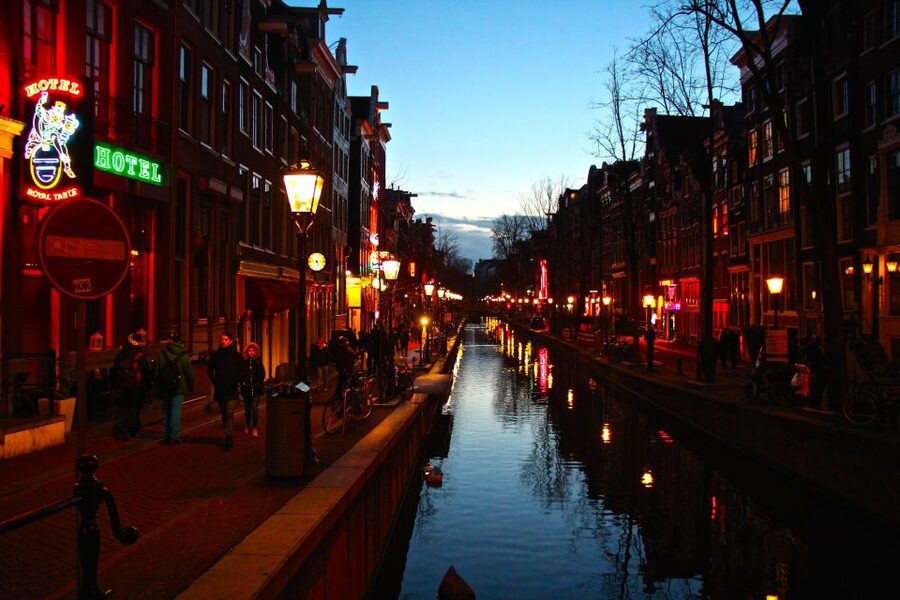
Nieuwmarkt Square adds another period to the story. Here you see the Waag, a historic building that began as a city gate and part of Amsterdam’s defensive walls. It now houses a restaurant, but its original role gives the square a strong link to the city’s medieval past.
This is the kind of stop that makes the route more worthwhile than a simple nightlife walk. You are not only being shown where the modern district is. You are also being shown how it grew around old walls, gates, canals, and trading streets.
The square can be a good point to pause, look around, and understand the city’s layout. The route does not treat Amsterdam as a collection of isolated photo stops. It moves through a connected urban area, with each section adding another piece to the story.
If you are mainly interested in the adult attractions, this portion may feel slower. I think that is a fair trade. Without the Waag and the older streets, the Red Light District would be easier to misunderstand as a single-purpose zone.
More Red Light District walks:
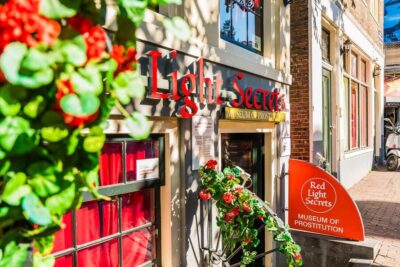
- Amsterdam: Red Light Secrets Museum Entry Ticket
★ 4.2 · 5,722 reviews - Amsterdam: Red Light District Tour in German/English/Italian
★ 4.9 · 5,623 reviews - Amsterdam Red Light District & Coffee Shop Tour
★ 4.6 · 4,134 reviews - Amsterdam: Red Light District Pub Crawl with Unlimited Shots
★ 4.1 · 2,130 reviews
Entering the Red Light District
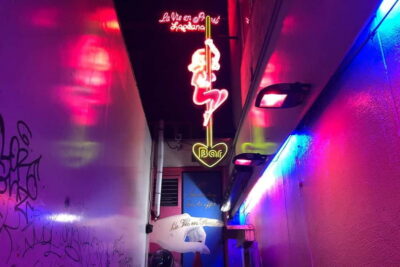
The walk then reaches the center of the Red Light District, where the atmosphere becomes more direct and adult. You can expect to see red curtains and brothel windows, along with sex shops, peep shows, bars, and strip clubs.
Cassa Rosso and the Bananenbar are named stops on the route. The guide explains the role and history of these places rather than simply pointing them out. That distinction matters. Without context, you may see only signs and windows. With a guide, you learn why these venues became part of Amsterdam’s public image and how they fit into the district today.
The tour also covers local customs and the current situation of the area. That can include the tension between a working neighborhood and a place that attracts visitors for its reputation. The supplied information does not promise entry into venues, drinks, shows, or private meetings. You should expect an outdoor walking tour with explanations from the street.
Be respectful while walking here. The district is not a theme park, and the people working behind the windows are not tourist attractions. The route gives you a way to understand the area without treating its workers or residents as scenery.
What the guide explains about Dutch law
One of the strongest reasons to choose a guided walk is the explanation of why prostitution was legalized in the Netherlands. The tour does not present the district only as something provocative. It places sex work within a legal and social framework that helps you understand why these businesses operate openly.
The discussion also includes the origin of the word coffeeshop. That detail is useful because Amsterdam’s coffeeshops are often confused with ordinary cafés. The guide can clarify the local meaning and show how language, law, and tourism overlap in the city.
You should not expect a full academic course on Dutch policy in two hours. The value is more practical. You get a clear introduction while standing in the actual streets where these rules and debates affect daily life.
The mention of recent controversies is also important. Amsterdam’s Red Light District has a changing relationship with tourism, nightlife, and public order. A guide can help you see why the area is debated rather than presenting it as a frozen postcard from the past.
The guide makes the biggest difference
This experience depends heavily on the individual guide. The recent guides connected with the tour include Ari, Aaron, Robin Van Gemer, and Sander.
Ari was described as friendly, upbeat, and engaging. Aaron was praised for being informative, while Robin was presented as a storyteller. Sander was noted for keeping the walk fun and energetic. Those descriptions suggest a tour that aims to be lively rather than formal or dry.
That style matters in a district with a lot of visual noise. You pass signs, windows, bars, old buildings, and crowds in a short time. A guide who can hold your attention helps the route feel coherent.
The tour is also available in German as well as English. If you want a private group, that option is offered. The available information does not promise that you can select a specific guide, so treat the names as examples of guides associated with recent departures, not a guarantee for your date.
The overall rating is 4.9 from 11 reviews, with repeated praise for the guides’ energy and information. That is a small sample, but the pattern is clear: the human element is the main strength.
Is $33 a fair price?
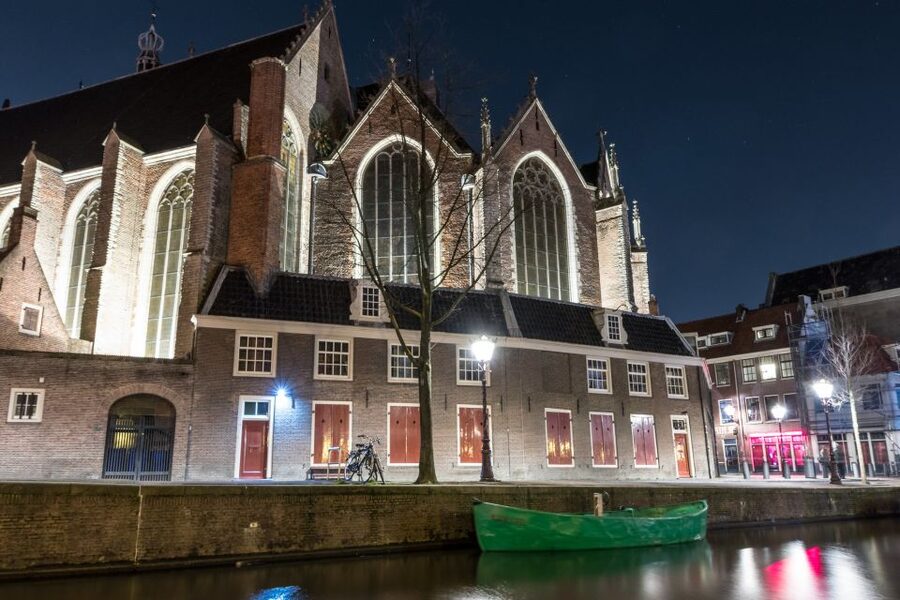
At $33 per person, this is not the cheapest way to walk through the district. You can see many of the streets on your own for free. The price makes sense only if you want the stories, historical links, and explanation of Dutch sex-work policy.
I think the value is strongest for a first visit. If you already know Amsterdam’s Old Town well and only want to photograph the red windows, you may not need a guided walk. If you want to understand how Zeedijk, Chinatown, the Waag, and the adult district fit together, the fee is more reasonable.
The cost includes a local guide and the two-hour walking tour. Transportation, food, drinks, and admission to any venues are not included. Since the route is on foot, you are paying for interpretation rather than tickets or vehicle access.
The option to reserve now and pay later gives you some planning flexibility. You can also cancel up to 24 hours in advance for a full refund. Those policies are helpful, but the main booking decision should still be whether you want a guide in this particular neighborhood.
Who will enjoy this walk most?
I would recommend it to a first-time Amsterdam visitor who wants a clear introduction to the Red Light District without spending the whole evening there. Two hours is long enough to cover the main streets and short enough to fit into a busy city schedule.
It also suits adults interested in urban history, local law, architecture, and the way a neighborhood changes over time. The route offers more than nightlife, with the Waag, old houses, canals, Chinatown, and Zeedijk all included.
The tour may be less suitable if you want a quiet historic walk. It may also feel uncomfortable if you prefer to avoid explicit adult venues, sexual themes, or crowded nightlife streets. The route openly includes brothel windows, peep shows, strip clubs, and sex shops, so the subject matter is not incidental.
Families should consider the adult content carefully. The supplied details do not state an age policy, but the route itself clearly passes through places and topics intended for an adult audience.
Practical advice for the route
Check the meeting point tied to your selected option, since it may vary. Give yourself enough time to find it in the Old Town, especially if you are not familiar with Amsterdam’s narrow streets and canals.
Plan for a full two hours on foot. The itinerary includes several areas rather than one central stop, and the value comes from moving through the district with the guide. Comfortable shoes are sensible, although the tour details do not list a specific dress code or mobility policy.
Bring money if you want a snack from a market stall at Nieuwmarkt. Food is optional and not included. There is no stated transportation component, so do not expect a tram, bus, or boat transfer during the tour.
Finally, keep your phone and camera use respectful in the Red Light District. The supplied details do not set out a photography policy, so ask the guide before taking pictures near working windows or businesses. Good manners matter more here than getting one more street shot.
Should you book it?
Book this tour if you want the context behind Amsterdam’s most famous neighborhood, not just a quick look at its red curtains. The route has a good mix of old streets, Chinatown, the Waag, crooked houses, canals, and adult venues, and the guides appear to bring an upbeat, personal style.
Skip it if you already know the Old Town, dislike adult subject matter, or would rather explore independently. At $33, the tour is worthwhile for explanation and local storytelling, not for access to an attraction. For a first visit, the two-hour route offers a practical way to see the district while treating it as a real neighborhood with a complicated past and present.
FAQ
How long does the Amsterdam Red Light District Walking Tour last?
The walking tour lasts two hours.
What languages are available?
The tour is available in English and German.
What sights are included on the route?
The route includes Zeedijk Street, Amsterdam’s Chinatown, Nieuwmarkt Square, the Waag, crooked houses, canals, Cassa Rosso, the Bananenbar, brothel windows, peep shows, sex shops, pubs, and bars.
Is transportation included?
No. The experience includes a local guide and a walking tour, but transportation is not included.
Is a private group available?
Yes. A private group option is available, although the supplied details do not state its price or maximum group size.
Can I cancel the tour for a refund?
Yes. You can cancel up to 24 hours in advance for a full refund.
Just added around Amsterdam
- Private sightseeing tour to Bruges and chocolate from Amsterdam★ 5.0 · 11 reviews
- Amsterdam: Rijksmuseum (Private Tour & Priority Access)★ 5.0 · 27 reviews
- Amsterdam: Private Romantic Evening Canal Cruise + Bubbles/Snacks★ 5.0 · 46 reviews
- Amsterdam Private Shopping Experience★ 5.0 · 7 reviews
- Rijksmuseum Amsterdam Private Guided Tour★ 5.0 · 57 reviews
- Amsterdam Rijksmuseum PRIVATE TOUR with a Local Private Guide★ 5.0 · 159 reviews
- Private One way Transfer Amsterdam Airport to Amsterdam★ 3.5 · 42 reviews
- Private Rijksmuseum Tour- The Dutch Masters, Rembrandt & Vermeer★ 5.0 · 54 reviews
Red Light District Tours, compared.
Red Light District Tour in German/English/Italian
Read our review →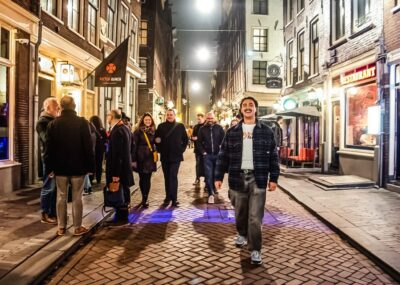
Amsterdam Red Light District & Coffee Shop Tour
Read our review →
Red Light District Pub Crawl with Unlimited Shots
Read our review →

Private Amsterdam Red Light District and Coffee Shop Tour
Read our review →Browse the lists this tour appears in