
Reviewed · FOOD & DRINK
Amsterdam: Private Food Tour with a Local
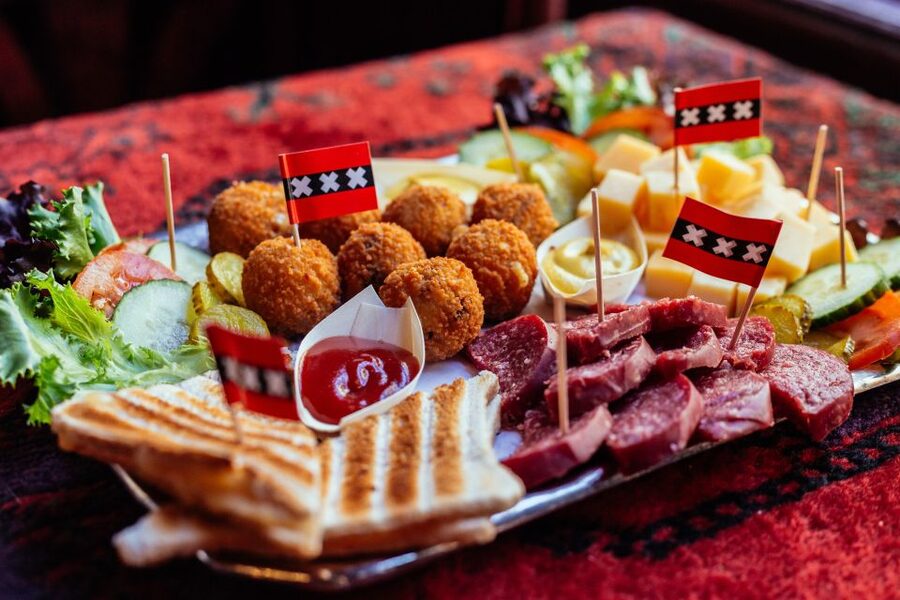
Amsterdam’s food scene is more than cheese, pancakes, and chips. On this three-hour private walk, you’ll sample Dutch staples, taste food shaped by Surinamese and Indonesian culture, and explore the Pijp with a local guide. The day can include stroopwafel, bitterballen, herring, fried cod, cheese, gelato, and small bites at a family-run restaurant.
I like the mix of 10 food and drink tastings and neighborhood walking. You get a useful introduction to Amsterdam’s eating habits, not just a string of snacks. I also like the private format, since guides such as Raoul, Louke, Dina, Olav, and Zohair have tailored stops and shared personal restaurant tips. The main drawback is price: at $224 per person, this is a costly food walk, especially if you are traveling alone.
What makes this Amsterdam food walk worth considering
- Ten tastings in three hours: Expect a broad sample of Dutch snacks, drinks, desserts, and small savory dishes.
- The Pijp as your backdrop: Walk through one of Amsterdam’s most lively districts, where old family restaurants sit beside modern cafés and bars.
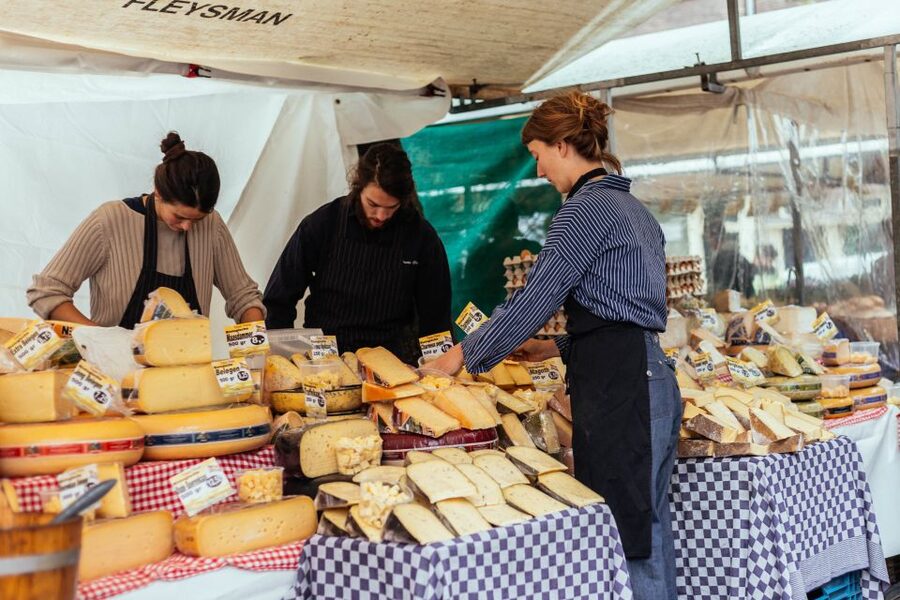
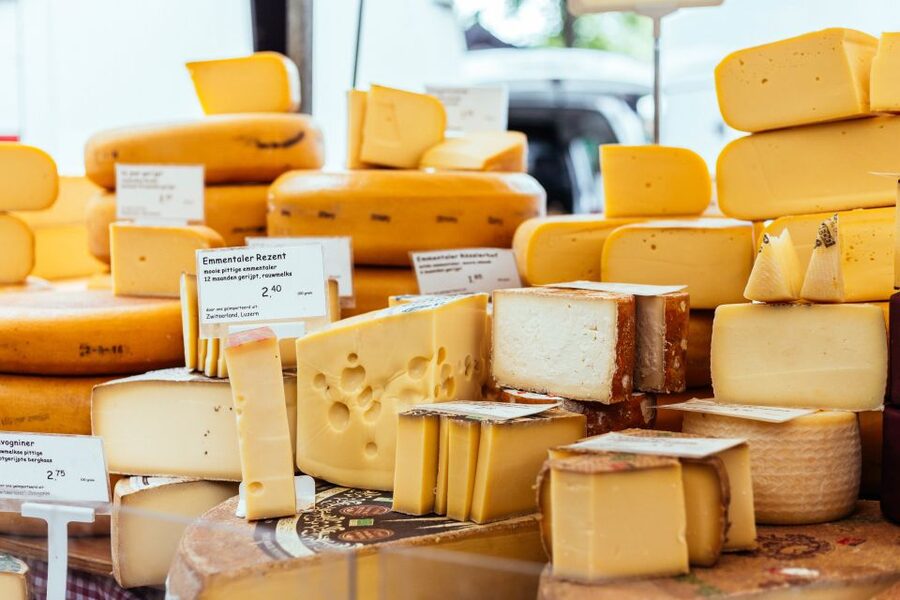
- A wider view of Dutch food: Herring, fried cod, cheese, stroopwafel, bitterballen, and Indonesian or Surinamese bites may all appear.
- A private English-speaking guide: The format gives you more room to ask questions and adjust the pace than a large group tour.
- A major European market: The route includes a visit to the largest market in Europe, according to the tour description.
- Vegetarian alternatives: Ask for these when booking or at the start, since the standard tastings can include fish and meat.
Starting near Museumplein, then heading toward the Pijp
The meeting point is in front of Otemba Gyoza Bar, close to Museumplein. That gives you an easy landmark in a well-known part of Amsterdam, but you should still allow a few minutes to find the exact spot. Your guide meets you there and begins the walk on foot.
The route then moves toward the Pijp, a district known for its mix of cafés, bars, small restaurants, and long-standing family businesses. This is a useful setting for a food tour because the neighborhood lets you see how Amsterdam eats during an ordinary day, rather than confining you to the grand sights around the historic center.
The walking matters. Food stops are spaced through the neighborhood, so you get a sense of the streets between bites. That also means you should wear comfortable shoes. This is not a sit-down meal with a few short transfers. It is a walking tour with food built into the route.
Your guide also points out city sights and explains local customs between stops. The history content is described as informal rather than as a formal museum lecture. That suits the format. You can ask why a dish is popular, where locals buy it, or how Amsterdam’s food culture changed over time.
More Food Tours in Amsterdam
- 10 Tastes of Amsterdam: Food Tour by UNESCO Canals and Jordaan
★ 5.0 · 3,020 reviews - Amsterdam Food and Cultural Tour with Tastings
★ 5.0 · 2,442 reviews - Amsterdam Jordaan Food & Drinks Tour with Eating Europe
★ 5.0 · 2,425 reviews
Tasting Dutch classics, one small bite at a time
The strongest part of this tour is its range. You are promised 10 food and drink tastings per person, though the exact lineup can vary. That flexibility is sensible because market stalls, cafés, and small restaurants do not always offer the same items each day.
Stroopwafel is one of the safest introductions to Dutch food. It is made from thin waffle layers with syrup between them, and it shows the sweet, simple side of local cooking. You may find it warm and soft, which is quite different from a packaged version bought as a souvenir.
Bitterballen offer a savory contrast. These small fried snacks are a familiar Dutch bar food, often eaten with a drink. They are worth trying even if you are not usually drawn to fried food, since they help explain the casual café culture your guide describes.
The tastings can also include pickled herring and fried cod. Herring is a useful test of your willingness to try something strongly associated with the Netherlands. It has a distinct flavor and texture, so this is one place where a food tour earns its keep: your guide can explain how it is eaten and where it fits into local habits.
Fried cod gives you a milder fish option. Other food mentioned in the tour’s tasting history includes local cheeses, pork ribs, gelato, and local beer. You should not assume every item appears on every departure, but the examples show the range: sweet and savory, cold and hot, traditional and influenced by other cultures.
One practical point is worth noting. A previous version of the route promised more tastings than one participant received, with four types of food served instead of seven. The current description promises 10 food and drink tastings, so I would confirm the expected lineup with your guide at the start. Treat the number as a helpful guide to the tour’s scale, not as a guarantee of 10 full portions.
The market stop and the flavor of daily Amsterdam
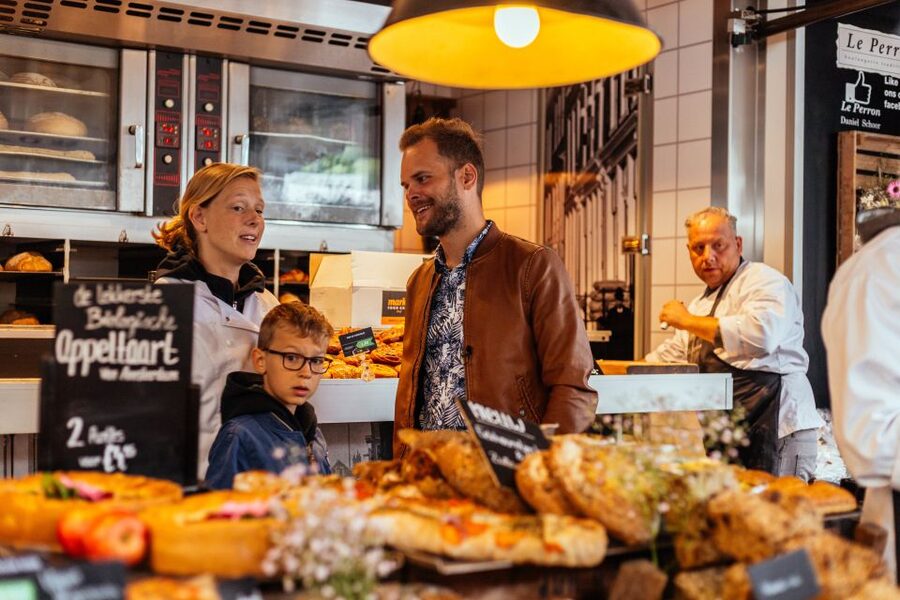
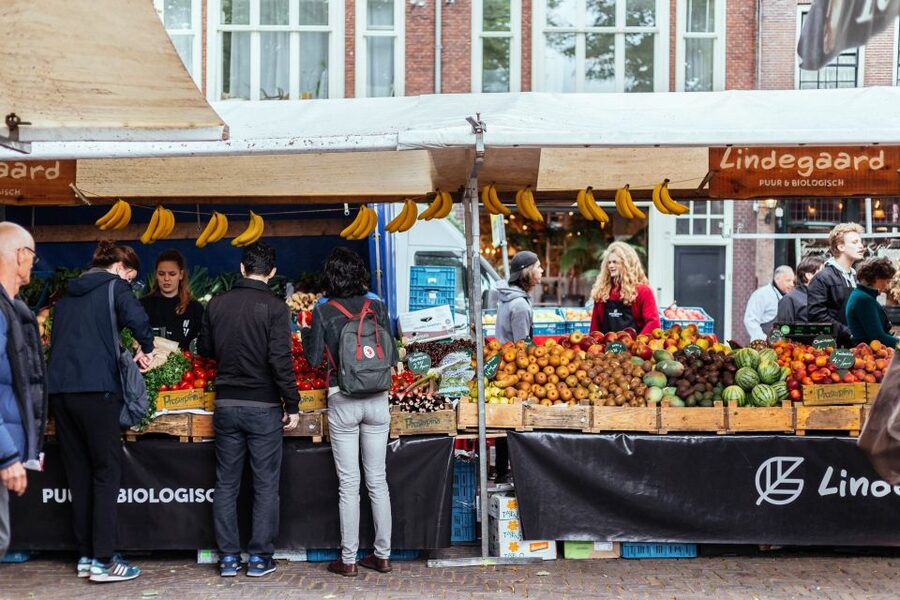
The market visit gives the tour a useful change of pace. Instead of tasting only in cafés and restaurants, you see where fresh food and quick snacks fit into everyday life. The tour identifies this as the largest market in Europe, making it one of the main draws for anyone who enjoys browsing stalls as much as eating.
The market is also where a private guide can add real value. A local can point out the difference between a food meant for a quick snack and one worth ordering as a proper meal. You can ask about ingredients, local habits, and which foods are better suited to a first visit.
Do not expect the market stop to feel like a private feast. Markets are public places, and the pace may depend on crowds and open stalls. The reward is the setting: you see the neighborhood shopping, smell food being prepared, and connect the tasting to the city around it.
Because this tour includes 10 tastings in only three hours, portions are likely to be snack-sized rather than restaurant-sized meals. That is a good arrangement if you want variety. It may feel less satisfying if you arrive very hungry and expect lunch. I would eat a light breakfast first and leave room for the walk.
Surinamese and Indonesian food bring Amsterdam’s wider story
Dutch food cannot be understood through traditional dishes alone. Amsterdam’s eating culture has been shaped by people and cuisines from around the world, and this tour makes that point with a stop at a Surinamese family-run restaurant.
That visit is more than a chance to add another snack. It shows how migration and family businesses have influenced what people eat in Amsterdam. The family-run setting also gives the guide a natural way to talk about recipes passed from one generation to the next.
Indonesian food may also appear in the route. One guide previously included Indonesian snacks near the end of the tour, while another route included a Surinamese restaurant. Again, the exact stop can vary, but you should expect the tour to look beyond a narrow idea of Dutch cuisine.
This is one of the best reasons to choose the private option. You can ask your guide to explain the difference between Dutch dishes and food that became part of Amsterdam’s local restaurant culture. If you have a particular interest in colonial history, migration, or regional food, say so early. The guide can then spend more time on the parts that matter to you.
Vegetarian alternatives are available. Still, tell the guide about your needs before the first stop, since the standard route may include fish, meat, or broths. The tour does not promise specific vegan, allergy-free, halal, or gluten-free substitutions, so you should ask directly before booking if those details affect your decision.
Same base, a completely different sort of day:
- Amsterdam: Van Gogh Museum Ticket
★ 4.7 · 52,054 reviews - Amsterdam Classic Saloon Boat Cruise with Drinks and Cheese
★ 5.0 · 31,825 reviews - Amsterdam Luxury Canal Cruise + Unlimited Drinks & Bites option
★ 5.0 · 30,518 reviews - Amsterdam: Heineken Experience Ticket
★ 4.6 · 30,055 reviews
The Pijp, old restaurants, and newer cafés
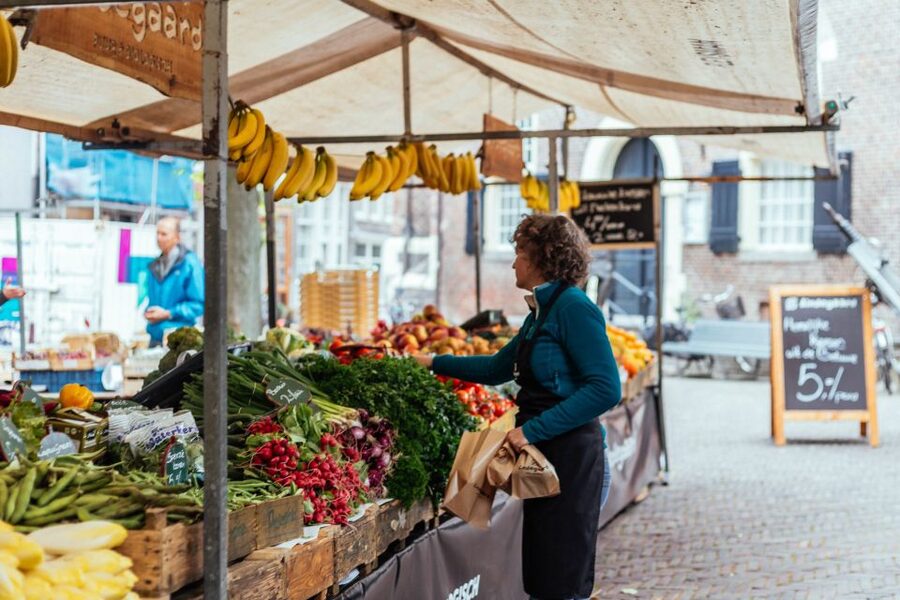
The Pijp gives the tour its local character. It is not presented as a museum district, and that is the point. You walk through an area where old and new businesses sit close together, with family restaurants beside hip cafés and local bars.
That mix gives you something to observe between tastings. You can see how Amsterdam’s neighborhoods change without losing every older business. Your guide may also explain which restaurants have remained in the same family and how local eating patterns have shifted.
Several guides have been praised for adding restaurant suggestions for the rest of a stay. That is a useful extra, especially if the tour takes place early in your visit. You can ask for recommendations suited to your budget and interests, though the tour does not include meals beyond the listed tastings.
The walk is described as a comfortable balance between food and sightseeing. It does not focus on major attractions in the way a conventional city tour would. Instead, the city appears in the spaces between food stops, which works well if you have already seen the main museums or want a break from formal sightseeing.
What the private guide changes
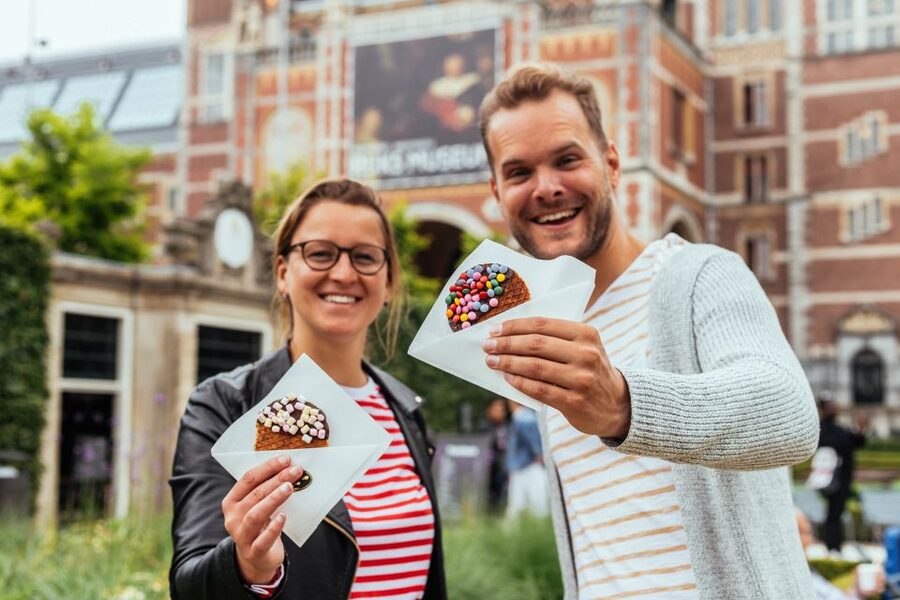
A private group can make a food tour feel less mechanical. You are not following a large crowd from one counter to another, and you have more freedom to ask questions along the way. The guide can also adjust the conversation to your interests, within the limits of the fixed three-hour schedule.
The guide quality matters here. Past guides named in the tour history include Raoul, Louke, Dina, Olav, Tania, and Zohair. The strongest feedback repeatedly centers on friendly, personal guiding, useful local information, and food places that sit slightly away from the usual tourist routes.
One guide took a group to favorite places for herring and fried cod, a small bar for local cheeses, a gelato shop, and an Indonesian restaurant. Another guide offered a relaxed introduction to Dutch specialties that included pickled fish, waffles, local beer, and pork ribs. These examples suggest that the human side of the tour can shape the day as much as the published food list.
There is one caution. Guide assignments can change, and one past booking involved a replacement guide who had only been informed the day before. The replacement still delivered a friendly and informative tour, but this is a reminder not to book solely because a particular guide name appears in old feedback. Focus on the private format and the overall route.
Is $224 per person a fair price?
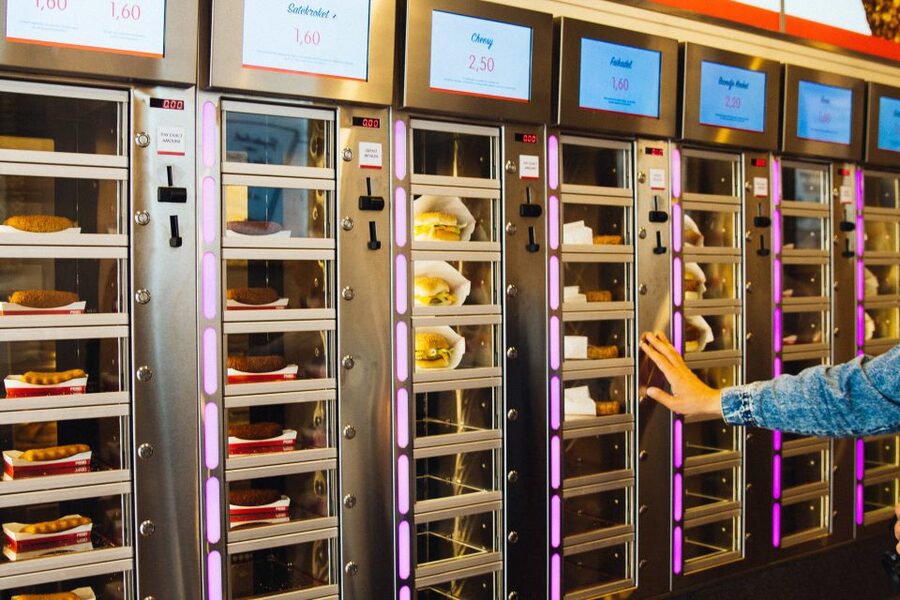
At $224 per person, this is not a cheap way to eat in Amsterdam. You could buy individual snacks at the market and cafés for much less, especially if you are comfortable finding places on your own.
The price makes more sense when you value the guide and the private setting. You are paying for three hours of local context, 10 tastings, a planned route through the Pijp, and access to places you might not notice while walking alone. For a couple or small private group, the cost buys convenience and conversation as well as food.
I would compare it with the cost of a regular lunch plus a self-guided market visit. If you mainly want to fill your stomach, choose the cheaper option. If you want someone to explain the dishes, introduce you to different parts of Amsterdam’s food culture, and give restaurant advice for the rest of your stay, the price is easier to justify.
The carbon neutral format may also matter to you. It does not change the route or the food, but it is a useful detail for anyone who weighs the environmental side of paid activities.
Who should book this food tour?
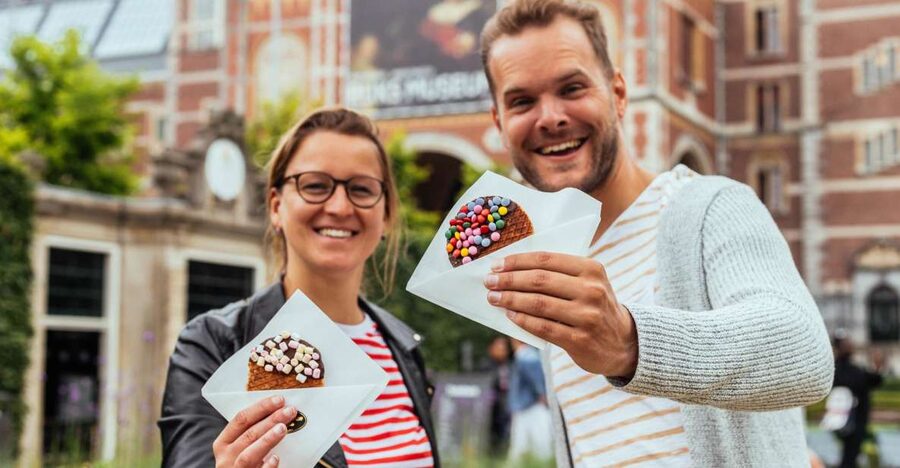
I would recommend it to first-time Amsterdam visitors who want to understand local food without spending hours researching market stalls and restaurants. It also suits repeat visitors who have already seen the main sights and want a neighborhood-based afternoon.
The tour works particularly well for curious eaters. You will taste fish, fried snacks, sweets, cheese, and food connected to Surinamese and Indonesian traditions. That variety makes it a good choice for people who prefer several small discoveries to one formal meal.
It is less suitable if you have limited mobility. The activity is a walking tour and is not suitable for wheelchair users or people with mobility impairments. You also need comfortable shoes and enough interest in walking outdoors between stops.
I would hesitate to book it for a very selective eater unless the guide confirms that suitable alternatives are available. Vegetarians can request alternatives, but the standard tasting plan appears to include several animal-based foods.
Book early in your visit if you want to use the guide’s restaurant advice afterward. Book later if you want to compare the tour with meals you have already tried, though you may find some dishes less surprising by then.
Final decision: a strong food introduction at a premium price
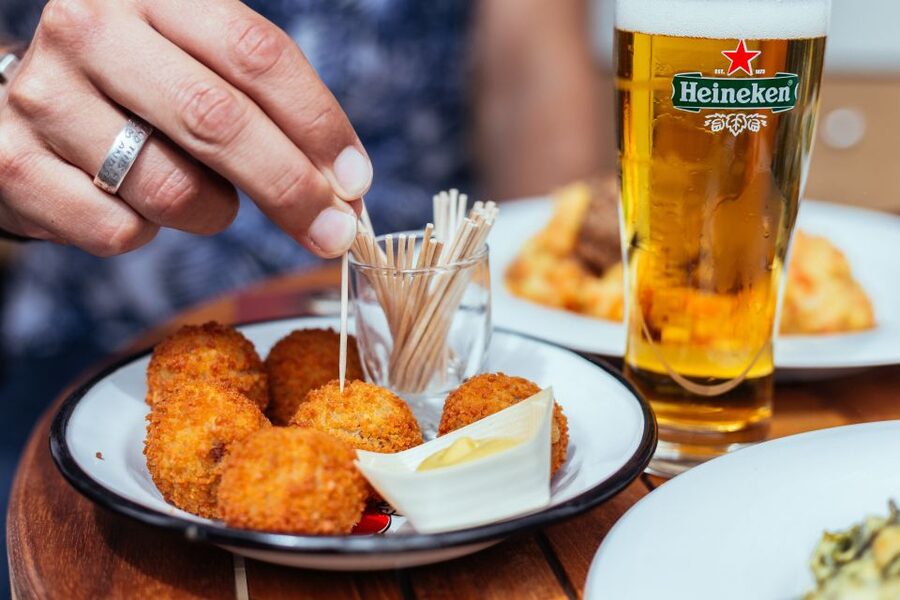
You should book this tour if you want a private, guided introduction to Amsterdam’s food culture and are happy to pay for personal attention. The best parts are the broad tasting list, the Pijp setting, the market visit, and the chance to connect Dutch food with Surinamese and Indonesian cooking.
You should skip it if your main goal is a low-cost meal or if walking for three hours is difficult. At $224 per person, the value depends on the guide and the conversation as much as the snacks. For an independent eater, a market map and a free afternoon will cost less. For someone who wants local direction and a ready-made route, this is a well-rounded way to start eating your way through Amsterdam.
FAQ
How long is the Amsterdam private food tour?
The tour lasts three hours.
What is the price?
The listed price is $224 per person.
Where does the tour meet?
Meet your guide in front of Otemba Gyoza Bar, close to Museumplein.
What language is the tour offered in?
The tour is offered in English with a live guide.
How many tastings are included?
The tour includes 10 food and drink tastings per guest.
Which Dutch foods might I try?
The listed examples include stroopwafel and bitterballen. Past routes have also included herring, fried cod, local cheese, gelato, pork ribs, local beer, and other snacks.
Are vegetarian alternatives available?
Yes. Vegetarian alternatives are available.
Is the tour suitable for wheelchair users?
No. The activity is not suitable for wheelchair users or people with mobility impairments. Comfortable shoes are recommended.
Can I cancel the booking?
You can cancel up to 24 hours in advance for a full refund. The reserve-now-and-pay-later option lets you book without paying immediately.
Just added around Amsterdam
- Private sightseeing tour to Bruges and chocolate from Amsterdam★ 5.0 · 11 reviews
- Amsterdam: Rijksmuseum (Private Tour & Priority Access)★ 5.0 · 27 reviews
- Amsterdam: Private Romantic Evening Canal Cruise + Bubbles/Snacks★ 5.0 · 46 reviews
- Amsterdam Private Shopping Experience★ 5.0 · 7 reviews
- Rijksmuseum Amsterdam Private Guided Tour★ 5.0 · 57 reviews
- Amsterdam Rijksmuseum PRIVATE TOUR with a Local Private Guide★ 5.0 · 159 reviews
- Private Photo Session in Amsterdam★ 5.0 · 15 reviews
- Private One way Transfer Amsterdam Airport to Amsterdam★ 3.5 · 42 reviews
Food & Drink, compared.
10 Tastes of Amsterdam: Food Tour by UNESCO Canals and Jordaan
Read our review →
Amsterdam Food and Cultural Tour with Tastings
Read our review →
Amsterdam Jordaan Food & Drinks Tour with Eating Europe
Read our review →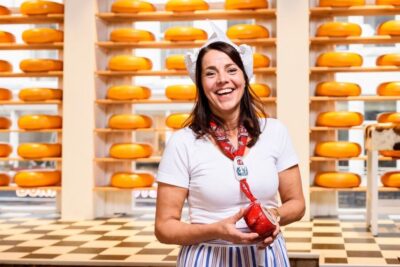
Premium Henri Willig Cheese Tasting Experience
Read our review →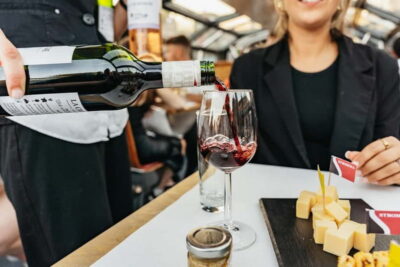
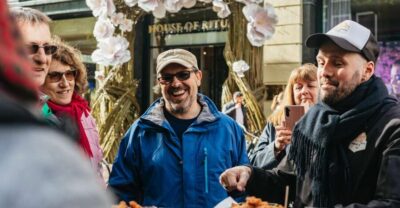

Zaanse Schans and Cheese Tasting Guided Tour from Amsterdam
Read our review →
Browse the lists this tour appears in