

Reviewed · ATTRACTION TICKETS IN NORTH BRABANT
Vught: National Monument Concentration Camp Entry Ticket
Camp Vught is a serious, carefully presented memorial built around the remains of the only SS concentration camp outside Nazi Germany. I like the way the museum puts personal stories and everyday objects ahead of grand political speeches, and I like that the grounds still include a crematorium, watchtowers, freight wagons, and an original barracks. The main drawback is the tone and walking distance: this is not a light sightseeing stop, and the round trip to the execution site is about 4 kilometers.
The ticket gives you a full day, an audio guide, and access to both the museum and outdoor memorial grounds for $14. I especially appreciate the reconstructed barracks and the exhibition covering what happened to the site after the concentration camp closed. Plan for weather, wear good shoes, and give yourself enough time to pause.
Key points to know before visiting
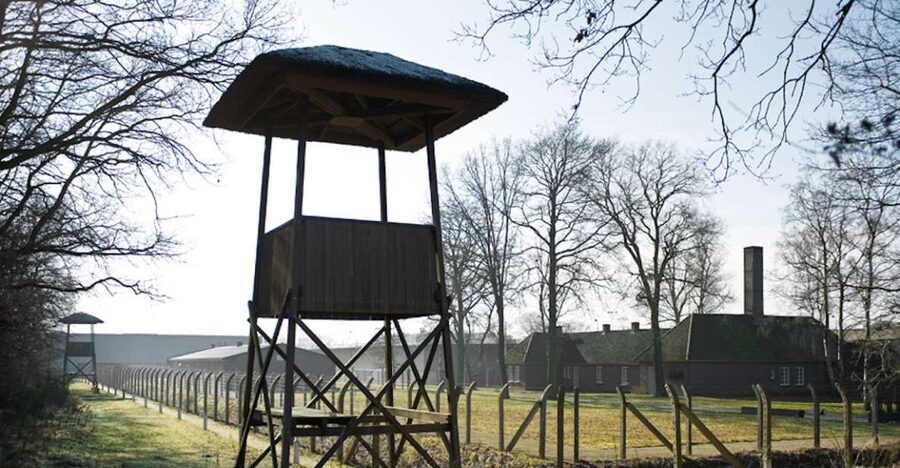
- Camp Vught was the only SS concentration camp outside Nazi Germany, making the site important to the history of the German occupation of the Netherlands.
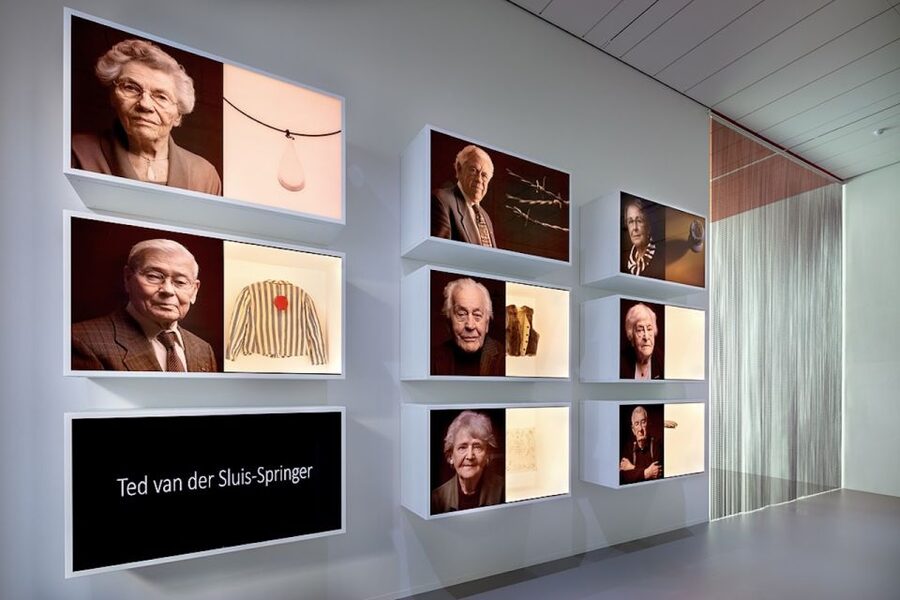
- The exhibition is built around 32,000 individual stories, including people from 35 nationalities.
- Barrack 1B is the last remaining original barracks, while another barracks has been reconstructed to show the camp layout.
- The original crematorium, watchtowers, freight wagons, and children’s transport memorial bring the history outside the museum walls.
- The former execution site is about 4 kilometers away, along a route through the woods.
- Audio guides are included in English, Dutch, German, and French, but no live guided tour is part of the ticket.
Why Camp Vught matters in Dutch history
Camp Vught, also called Konzentrationslager Herzogenbusch, was built during the German occupation of the Netherlands. It was an SS concentration camp, not simply a prison or detention center, and its purpose was tied to the Nazi system of persecution, forced labor, imprisonment, and deportation.
That distinction matters when you visit. You are not just looking at old buildings. You are walking through a site connected to people from 35 nationalities, each caught in the war in different ways. The museum uses their stories to explain how the camp functioned and how the occupation affected Dutch society.
I find this approach more useful than a display made only of dates and military facts. The objects and personal accounts help you understand the camp at human scale. A name, possession, or small detail can make the machinery of persecution easier to grasp, even when the subject remains painful.
Set aside plenty of time. The ticket is valid for one day, so you do not need to rush through the exhibits. That is a real advantage at a memorial site. You can read carefully, listen to the audio guide, and take breaks without treating the museum like another quick stop on a busy itinerary.
More Attraction Tickets in North Brabant
- Kaatsheuvel: Efteling Theme Park Day Admission Ticket
★ 4.7 · 570 reviews - Werkendam: Boat Cruise and Biesbosch Museum Entry Ticket
★ 4.4 · 402 reviews - Hilvarenbeek: Safaripark Beekse Bergen Entry Ticket
★ 4.4 · 191 reviews
The permanent exhibition and 32,000 stories
The main permanent exhibition is called Camp Vught: Seven Seasons and 32,000 Stories. Its focus is the people held at the camp and the many different experiences that unfolded there.
The reference to 32,000 stories is important. It reminds you that the camp was not filled with one single group or one single type of prisoner. People arrived from many backgrounds and nationalities, and their experiences were shaped by why they had been imprisoned, how long they remained, and what happened to them afterward.
The exhibition also explains the origins of Camp Vught and places it within the Nazi regime and the occupation of the Netherlands. If you want a clear introduction before walking around the grounds, start here. The indoor displays give you the context needed to understand the buildings outside.
The audio guide is included with admission and can be used in English, Dutch, German, or French. That makes the visit easier if you prefer listening rather than reading every panel. It also lets you move at your own speed instead of staying with a group.
There is no guided tour included, so the audio guide matters. If you prefer asking questions as you go, this experience may feel less personal than a tour led by a guide. Still, for many people, the ability to stop and reflect without a group moving on will be a better fit.
Seeing the model and reconstructed barracks
After the indoor exhibition, head outside to the area showing the former camp layout. A model of the camp helps you understand its size and organization. It is easy to lose a sense of scale when looking at individual buildings, so take time with the model before walking farther.
The outdoor area includes a reconstructed barracks. This gives you a sense of the basic structures used at the camp and helps connect the museum displays to the physical site. Reconstruction always requires some imagination, but here it serves a practical purpose: it fills in parts of the camp that no longer survive.
Barrack 1B is more significant because it is the last remaining original barracks from Camp Vught. Its opening hours differ from the main museum, so check the schedule before planning your visit around it. It is open Wednesday from noon to 5 p.m. and Saturday and Sunday from 1 p.m. to 5 p.m. During the school holiday period from December 23 to January 5, it opens Monday to Friday from noon to 5 p.m., and Saturday and Sunday from 1 p.m. to 5 p.m.
This is one of the places where your visit may feel most direct. The original structure connects you with the site in a way that a model cannot. Go slowly, and remember that the building is preserved as part of a memorial, not presented as a casual historical attraction.
Watchtowers, crematorium, and the children’s memorial
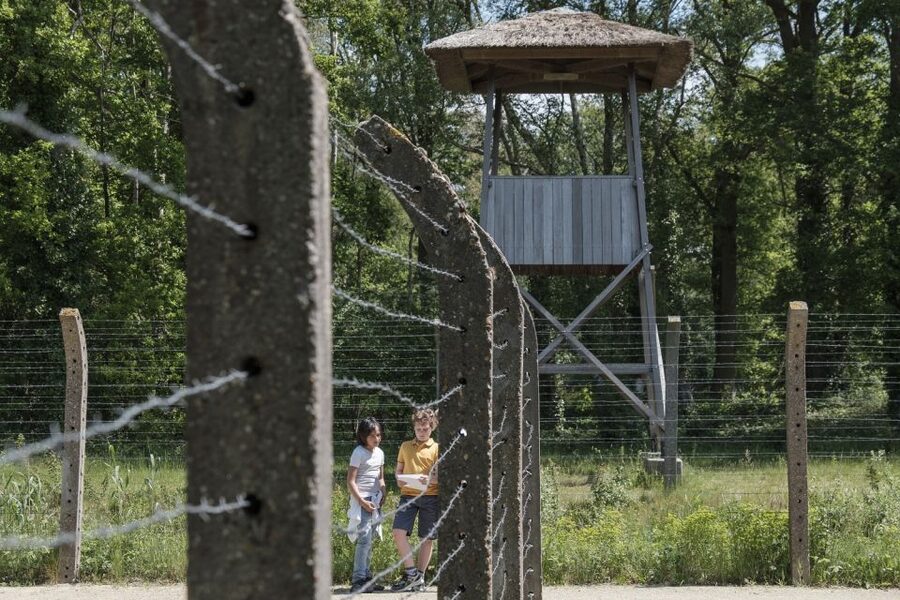
Several watchtowers remain on the grounds. Their presence makes the camp’s system of surveillance visible. You can see how the boundaries of the site were controlled, rather than treating the camp as an abstract idea described only inside the museum.
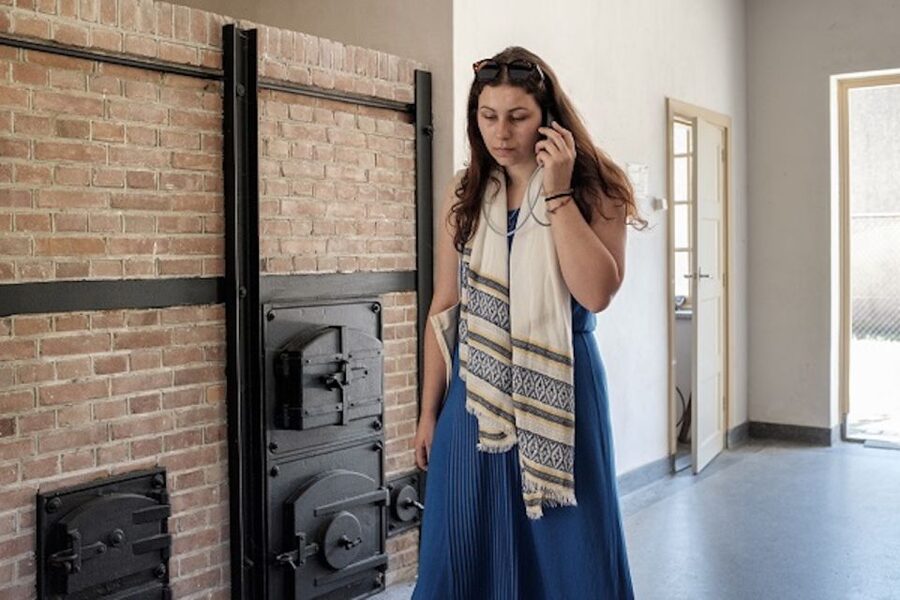
The original crematorium is another difficult but important stop. It is one of the places where the Nazi camp system becomes especially concrete. The museum’s presentation gives you room to understand what happened without turning the building into spectacle.
The outdoor area also includes a memorial to the children’s transports of June 1943. This is a particularly painful part of the visit, and it deserves quiet attention. The memorial helps you focus on the children affected by deportation rather than thinking only in terms of numbers or institutional history.
I recommend moving at the pace the subject requires. You do not need to see every section quickly to say you have visited. The free lockers, available at the museum, make it easier to leave bags behind and walk with less weight.
A few more North Brabant half-days worth comparing
- Biesbosch: Boat Cruise through National Park
★ 4.2 · 470 reviews - Eindhoven: Motion Experience Light Art Playground Ticket
★ 4.0 · 168 reviews - Den Bosch: Bossche Bollen Experience
★ 3.8 · 111 reviews - Eindhoven: PSV Stadium Museum Entry Ticket
★ 4.1 · 101 reviews
Barrack 1B and the four later chapters of the site
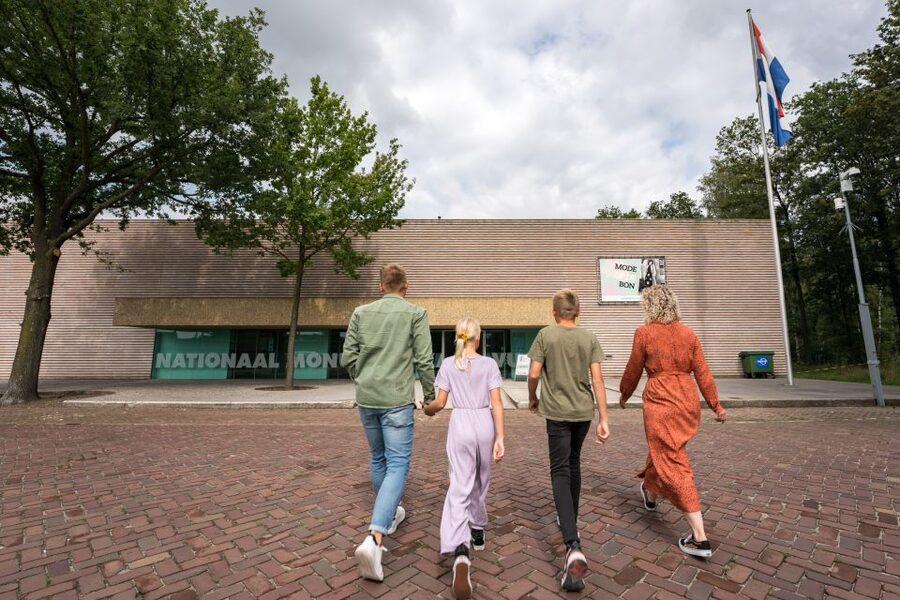
The exhibition If Walls Could Speak looks beyond the concentration camp years. It covers four periods connected with the location:
- The concentration camp from 1943 to 1944
- The use of the site as housing for German civilian evacuees
- The housing of Dutch people suspected of collaboration
- The residence of Moluccan KNIL soldiers and their families
This broader story is one of the strongest parts of the visit. The location did not stop being significant when the concentration camp period ended. The later uses show how the site was reshaped by the war, its aftermath, Dutch political tensions, and the movement of communities.
For you, this means Camp Vught is not only a museum about the Nazi period. It also explains how one place can carry several layers of difficult history. The exhibition adds context without suggesting that these periods were identical. Each one needs to be understood on its own terms.
Barrack 1B is especially useful alongside this exhibition because it connects the later stories to a surviving original building. Check the separate opening hours, particularly if you visit on a weekday or outside the main school holiday period.
Walking to the former execution site
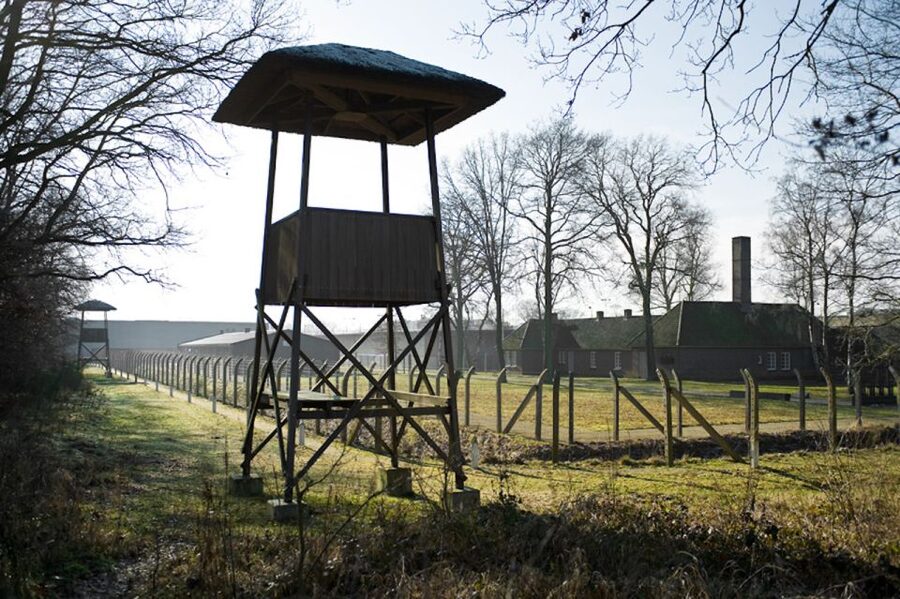
The former execution site is hidden in the woods within walking distance of the museum. The total walking route is approximately 4 kilometers, so this is not a quick step outside for a photograph.
The monument marks the actual place where 329 men were executed. The setting in the woods is quiet, but do not mistake that quiet for comfort. The distance from the museum gives the visit a different rhythm, and the walk allows time to process what you have already seen.
Wear comfortable shoes and weather-appropriate clothing. The route is an important part of the experience, but it is also the point where the visit becomes more physically demanding. If you tire easily, compact museum chairs are available in the hall, and staff can provide a wheelchair if needed. There is one wheelchair at Camp Vught National Memorial and another in Barrack 1B.
The walking route may not suit every person in your group. You can still gain a great deal from the museum and central grounds if the full walk is too much. Ask the counter staff about the available support before setting out.
The freight wagons and the former railway line
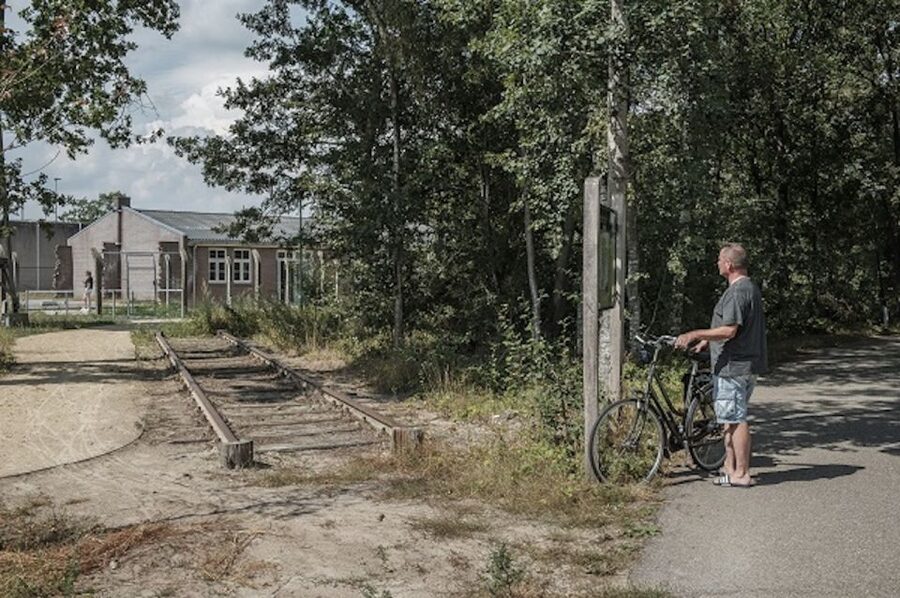
Along the access road to the museum, two restored freight wagons follow the line of the camp’s former railway. Freight wagons became a worldwide symbol of persecution and deportation during the Second World War, and their location here connects the camp to the wider system of transport used by the Nazi regime.
These wagons are easy to overlook if you are focused only on the main entrance. I would make a point of noticing them on arrival or departure. They help explain how the camp was linked to the wider network of imprisonment and deportation.
The wagons also give you a sense of movement and removal, while the remaining buildings show confinement in one place. Together, they make the camp’s operation easier to understand without requiring a long explanation.
How much time should you allow?
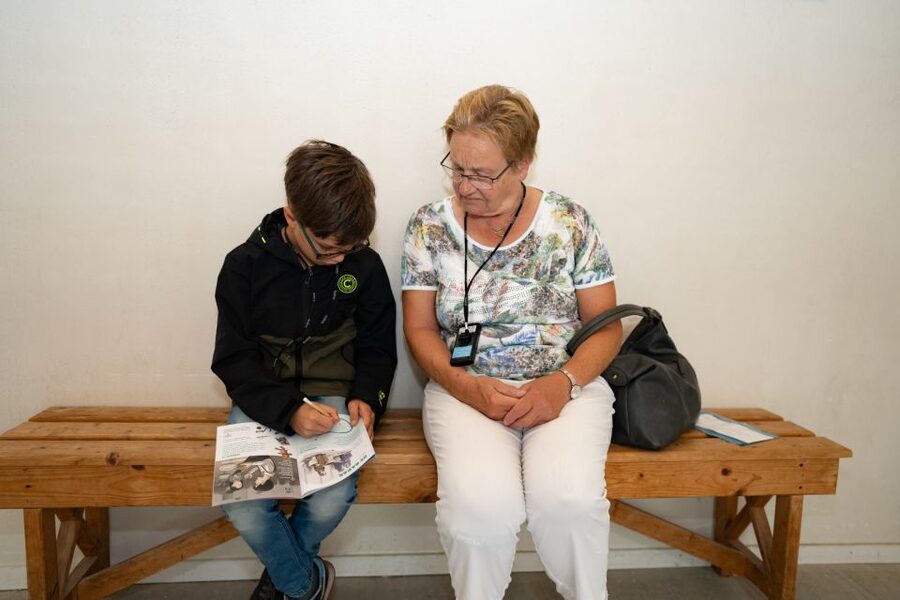
The ticket is valid for one day, and that is useful because Camp Vught rewards a slow visit. The museum, outdoor grounds, Barrack 1B, and execution site are not all the same kind of stop. You will need time to read, listen, walk, and pause.
At minimum, allow enough time for the permanent exhibition and the central grounds. If you want to include the execution site and Barrack 1B, plan for a longer visit rather than squeezing Camp Vught between two fixed appointments.
Opening hours listed for the main museum are Monday to Friday from 10 a.m. to 5 p.m., and Saturday and Sunday from noon to 5 p.m. The published schedule contains an unusual weekday notation of 10 p.m. to 5 p.m., so confirm the current hours before you go. The site is closed on December 25 and December 31. Free entrance is offered on National Memorial Day, May 4, and was also listed for December 8, 2024.
Is the $14 ticket good value?
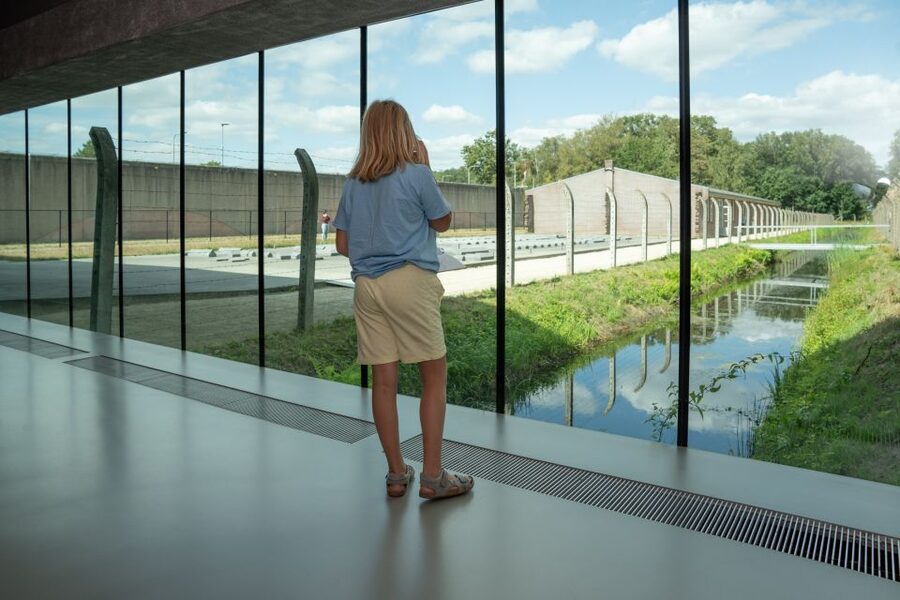
At $14 per person, the ticket is fairly priced for a full day at a memorial museum with indoor exhibitions, outdoor grounds, an audio guide, and access to several original and reconstructed structures.
The value is strongest if you take your time. A short visit focused only on the main room will not make full use of the ticket. The model, Barrack 1B, crematorium, watchtowers, freight wagons, children’s memorial, and execution site each add a different piece to the visit.
The ticket does not include a live guide, so you are paying for entry and the museum’s self-guided materials rather than personal commentary from a tour leader. For readers who prefer freedom and quiet, that is reasonable value. If you want discussion and questions throughout, you may wish to check whether a separate guided option is available, but it is not part of this admission.
Free cancellation up to 24 hours before the visit and reserve-now-pay-later booking make the ticket easier to fit into an uncertain schedule. Those details are practical, but the main value comes from the amount of material you can see in one day.
Accessibility and practical comfort
Camp Vught is wheelchair accessible. People accompanying wheelchair users can receive free entry, as can people accompanying those with visual impairments.
Free cloakroom lockers are available. Umbrellas can also be used, which is handy in the changeable Dutch weather. Portable compact museum chairs are available in the hall for anyone who needs to stop and rest while walking around.
Bring comfortable shoes, comfortable clothing, and weather-appropriate layers. The outdoor route and the walk to the execution site make this more than an indoor museum visit.
The experience is not suitable for children under 10. That guidance makes sense given the subject matter and the way the exhibitions address imprisonment, executions, deportation, and the Nazi regime. Older children and teenagers may find it meaningful, but parents should decide based on their child’s maturity.
Who should book Camp Vught?
I recommend this experience if you want to understand the occupation of the Netherlands through individual lives, original buildings, and a carefully marked historical site. It suits anyone with a serious interest in the Second World War, memorial museums, Dutch history, or the human effects of Nazi persecution.
It is also a good choice if you prefer a self-guided visit. The audio guide lets you choose your pace, and the one-day validity gives you room to stop when the material becomes difficult.
I would not choose it for a quick, cheerful afternoon attraction or for a young family with children under 10. The subject is grave, and the execution-site walk adds time and emotional weight. Even adults should leave space afterward rather than planning a packed schedule.
Should you book this ticket?
Book it if you want a respectful, detailed visit to a concentration camp memorial where personal stories carry as much weight as the buildings. The $14 price is good value when you allow time for the museum, outdoor grounds, Barrack 1B, and the 4-kilometer walk to the execution site.
Skip it only if you have very limited time, cannot manage the walking route, or are looking for a light historical attraction. Camp Vught asks for attention and quiet. In return, it gives you a clear way to understand the camp, the occupation, and the lives caught in both.
FAQ
Where is Camp Vught located?
Camp Vught is in North Brabant in the Netherlands. The site is known as National Monument Camp Vught, or Konzentrationslager Herzogenbusch.
How much does admission cost?
The listed price is $14 per person.
How long is the ticket valid?
The ticket is valid for one day.
Is a guided tour included?
No. A live guided tour is not included, but an audio guide is available in English, Dutch, German, and French.
Is Camp Vught wheelchair accessible?
Yes. Camp Vught is wheelchair accessible. One wheelchair is available to borrow at the memorial and another is available in Barrack 1B.
How far is the former execution site?
The walking route to the former execution site is approximately 4 kilometers.
Can children visit Camp Vught?
The experience is not suitable for children under 10 years old.
What are the opening hours?
The listed main opening hours are Monday to Friday from 10 a.m. to 5 p.m., and Saturday and Sunday from noon to 5 p.m. Barrack 1B has separate hours, so check the schedule before visiting.
Just added around North Brabant
- Oudenbosch: Tour at Basilica of the Holy Agatha and Barbara★ 4.4 · 10 reviews
- Oudenbosch: Guided City Walk★ 5.0 · 3 reviews
- Overloon: ZooParc Entrance Ticket★ 4.9 · 19 reviews
- Loevestein Castle Entry Ticket★ 4.2 · 16 reviews
- Hilvarenbeek: Speelland Beekse Bergen Entrance Ticket★ 3.7 · 3 reviews
- Eindhoven: Strijp-S Industrial Park Guided Walking Tour★ 4.3 · 21 reviews
- Eindhoven: City Center Walking Tour★ 4.7 · 43 reviews
- Eindhoven Zoo Entry Ticket★ 4.6 · 33 reviews
Attraction Tickets in North Brabant, compared.
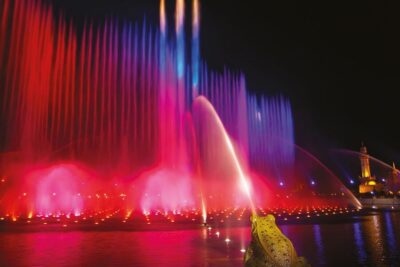
Kaatsheuvel: Efteling Theme Park Day Admission Ticket
Read our review →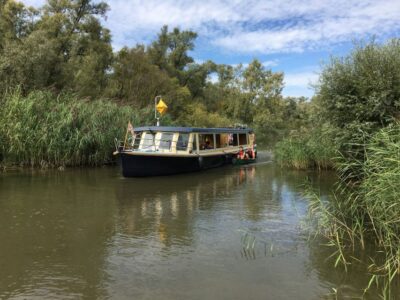
Werkendam: Boat Cruise and Biesbosch Museum Entry Ticket
Read our review →
Hilvarenbeek: Safaripark Beekse Bergen Entry Ticket
Read our review →
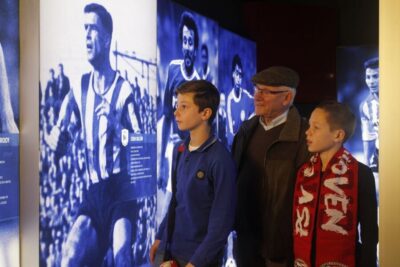
Nuenen: Van Gogh Village Museum Nuenen Entry Ticket
Read our review →
Browse the lists this tour appears in