
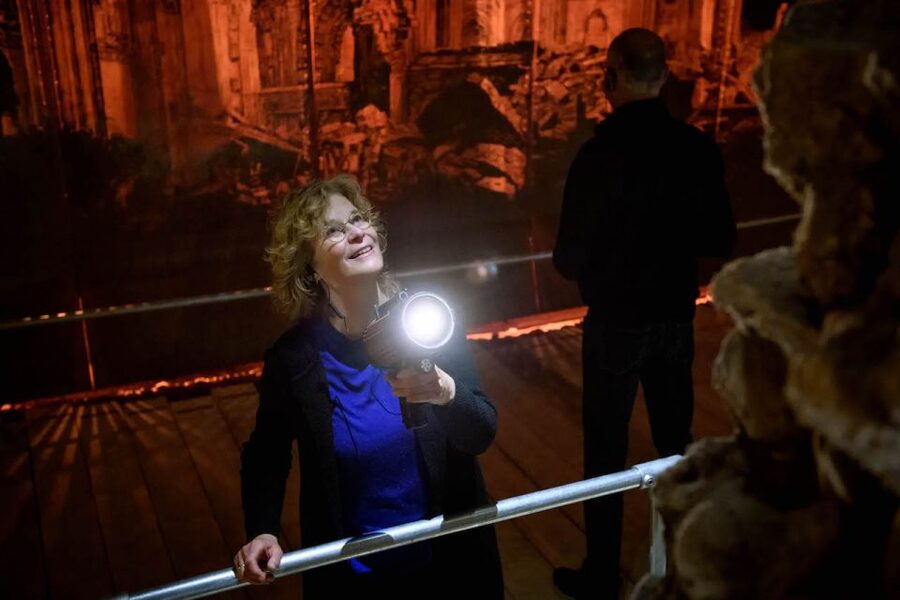
Reviewed · ATTRACTION TICKETS IN UTRECHT
Utrecht: DOMunder Entry Ticket with Guide
Beneath Utrecht’s Dom Square, DOMunder turns archaeology into an active experience. You climb below the city, collect a smart flashlight, and use it to trigger short explanations while standing beside Roman remains, medieval foundations, and stones shaped by centuries of building. The 1674 storm, which brought down the nave of the Dom Church, gives the visit a dramatic climax.
I like the clever mix of live storytelling and self-guided exploration, and I like that you can see the oldest remains of Utrecht rather than only looking at objects behind glass. Guides such as Christine, Stefan, and Joanna have been praised for making the history clear and personal. The main drawback is that the 75 minutes can feel short, and the attraction is not suitable for wheelchair users.
Key points to know before you go
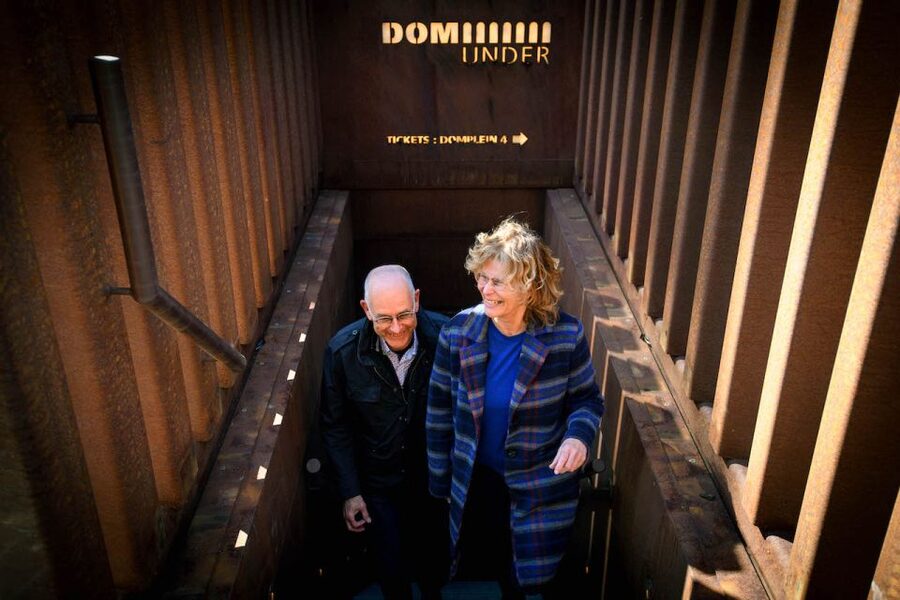
- Walk beneath Dom Square: See archaeological remains below Utrecht’s central church square, including Roman and medieval traces.
- Use a smart flashlight: Point the torch at features in the excavation to activate audio and information.
- Hear the story in sequence: The visit moves from Roman Utrecht through the Middle Ages to the 1674 storm.
- Expect a strong guide-led opening: Your guide sets the historical scene before you head underground.
- The underground section is partly self-paced: You can move between points and spend time on the areas that interest you most.
- Allow 75 minutes: At $17 per person, the visit offers a focused history lesson at a reasonable price, especially if you enjoy archaeology.
Starting at Domplein 9
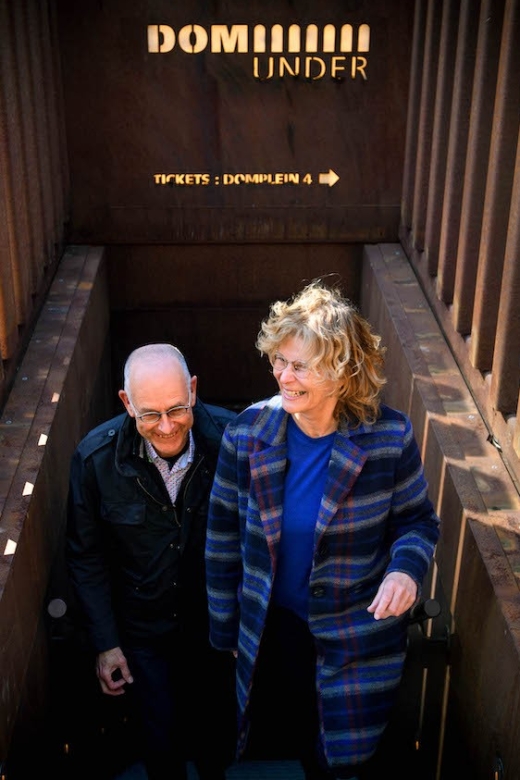
Your visit begins at the Tourist Information Centre at Domplein 9. Scan your ticket at the desk before the tour starts. This detail matters because the entrance to the excavation can be easy to confuse with the meeting point, and one visitor lost time following signs near the underground area before being directed to the correct building.
I suggest arriving with enough time to find the tourist information desk. The meeting point is at Domplein, in the heart of Utrecht, but the attraction itself is below the square. That distinction is not always obvious when you first arrive.
The ticket costs $17 per person and includes the entrance and guide. For Utrecht, that is a fair price for a 75-minute attraction with both a live introduction and a substantial archaeological section. You are not simply entering a basement and reading labels. The visit gives you a guided framework, equipment for independent exploration, and audiovisual material about the city’s changing buildings.
English and Dutch tours are available. The live guide and audio system use those same two languages, so check the available starting time when booking. You can cancel up to 24 hours in advance for a full refund, and the reserve-now, pay-later option can help if your Utrecht plans are still moving around.
More Attraction Tickets in Utrecht
- Utrecht: De Haar Castle & Park Entry Ticket
★ 4.7 · 1,350 reviews - Utrecht: Dom Tower Entry Ticket and Guided Tour
★ 4.6 · 513 reviews - Utrecht: De Haar Castle, Park Entry Ticket
★ 4.6 · 153 reviews
The opening story: Roman Utrecht to the medieval city
The first part of the visit takes place before you head into the excavation. Your guide explains the history of the Domplein area in a time sequence, helping you understand what you are about to see underground.
The Roman chapter is especially important. Utrecht’s early story is tied to the Roman settlement known as Trajectum, and the remains beneath the square connect the modern city to that distant period. You will hear about construction methods, building styles, and how the area changed over time.
This introduction is more than background talk. Without it, the stones below could look like a confusing collection of walls. With the guide’s explanation, you can begin to read the site as a series of rebuilding projects. One layer belongs to an earlier settlement, another reflects medieval construction, and later damage helps explain why the square looks as it does today.
The guides bring different personalities to this part. Christine has been praised for explaining the area from Roman times through the church’s destruction. Stefan has been described as patient and clear, while Joanna used maps and visual material to make the story of the tower and square easier to follow. Your guide will vary, but the format gives you a useful human introduction before the technology takes over.
The English presentation has also received strong marks from international visitors. One Dutch participant was surprised when a guide modestly questioned her own English, since the explanation was easy to follow. That is a useful point for English-speaking visitors who may worry about language quality.
Going underground with a smart flashlight
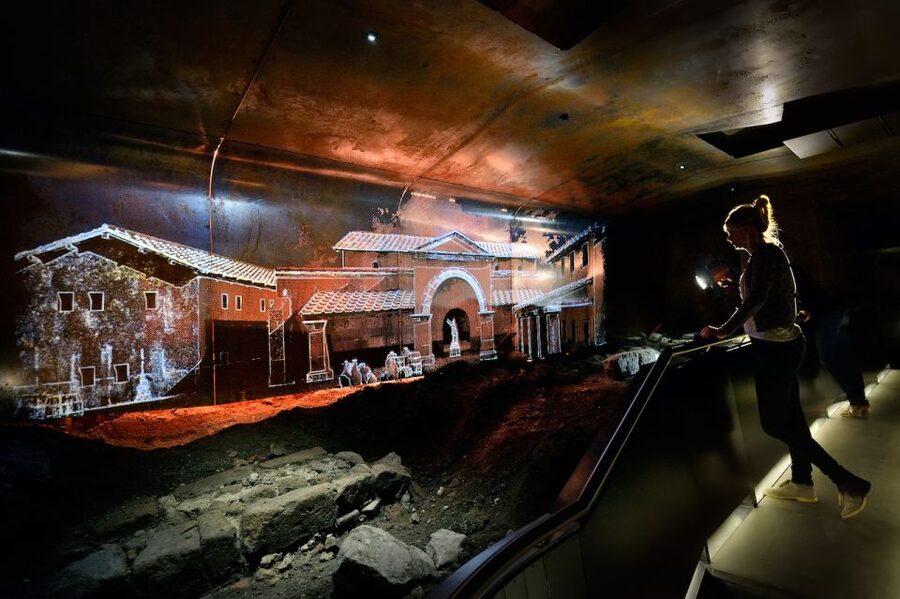
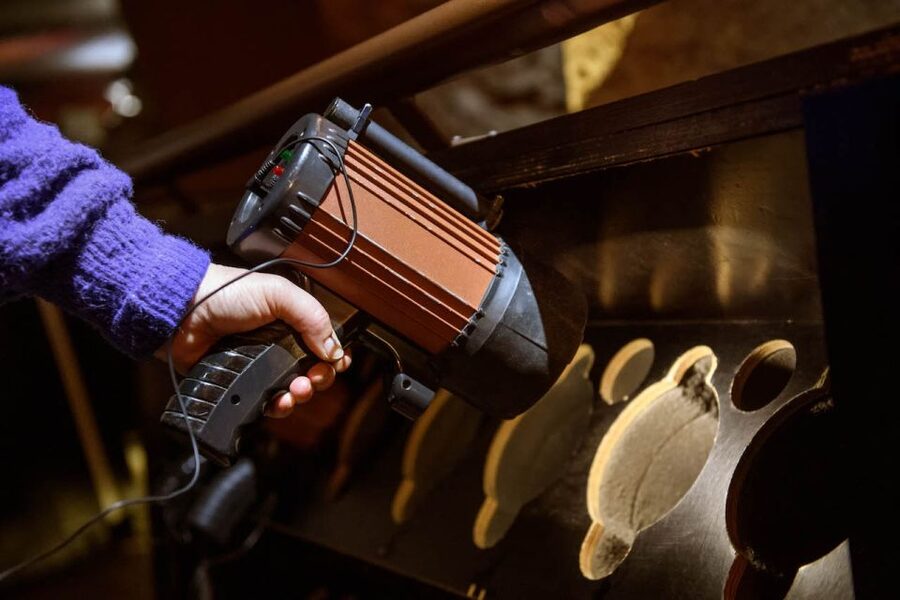
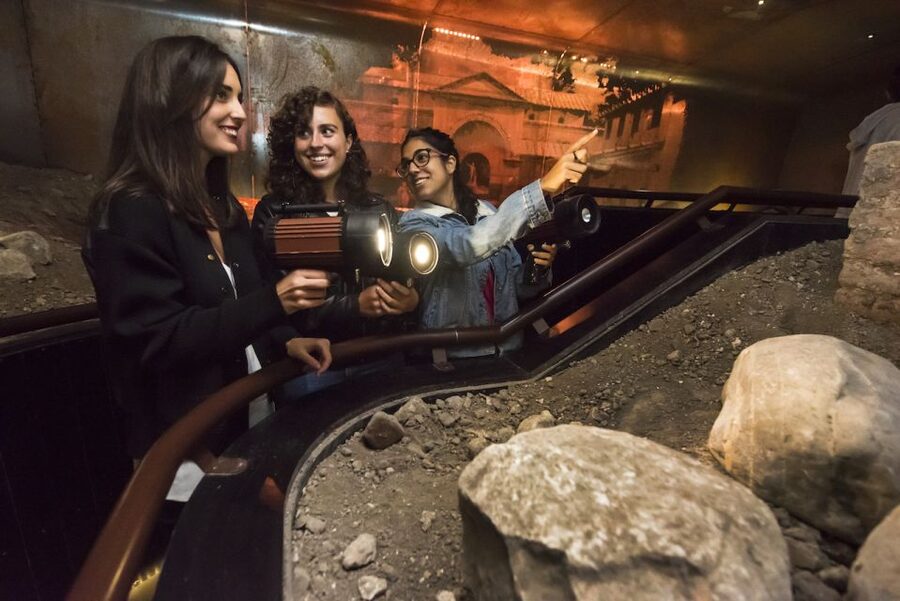
After the introduction, you head below Domplein and receive a smart flashlight, often used with a headset. This is the most distinctive part of DOMunder.
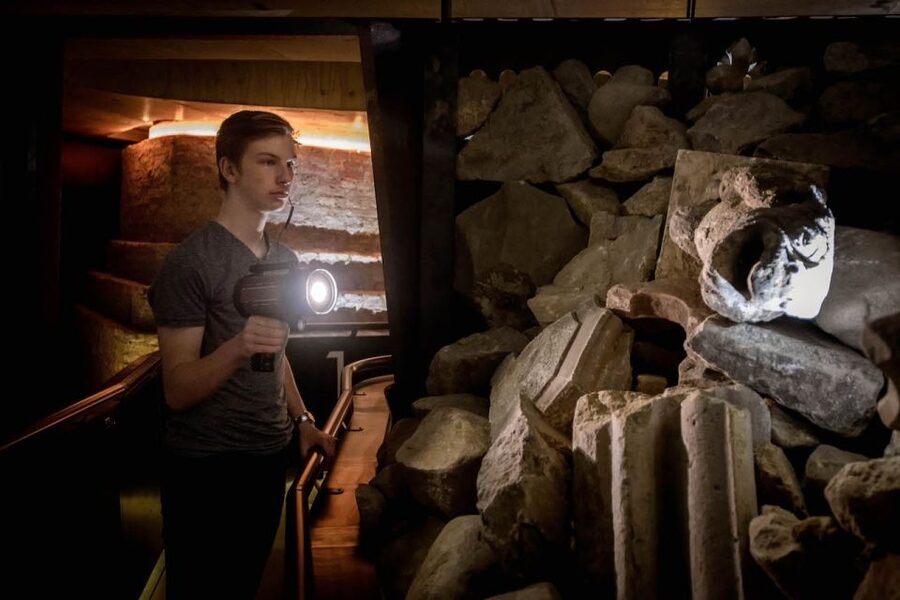
Instead of following one fixed route while a guide talks continuously, you point the flashlight toward selected areas. The device activates short pieces of information connected to what you are viewing. You can move at your own pace and decide which features deserve a closer look.
I like this approach because it gives you something to do with the ruins. You are not merely waiting for the next stop. The torch directs your attention to walls, foundations, construction details, and other archaeological features. The interactive system also keeps the visit from feeling like a standard museum where you move past objects in display cases.
The technology is not perfect. Some visitors have found certain points difficult to activate with the flashlight. If that happens, ask for help rather than wasting time trying to trigger the same feature repeatedly. The guides are there to assist, and the system is meant to support the ruins, not become the main event.
The audio clips are short, which works well in a compact underground site. You can listen, look around, and then move on. If you are the type who likes to study every stone, you may wish the underground portion lasted longer. One of the clearest criticisms is that the full 75-minute visit does not leave unlimited time below.
The Roman and medieval remains beneath the square
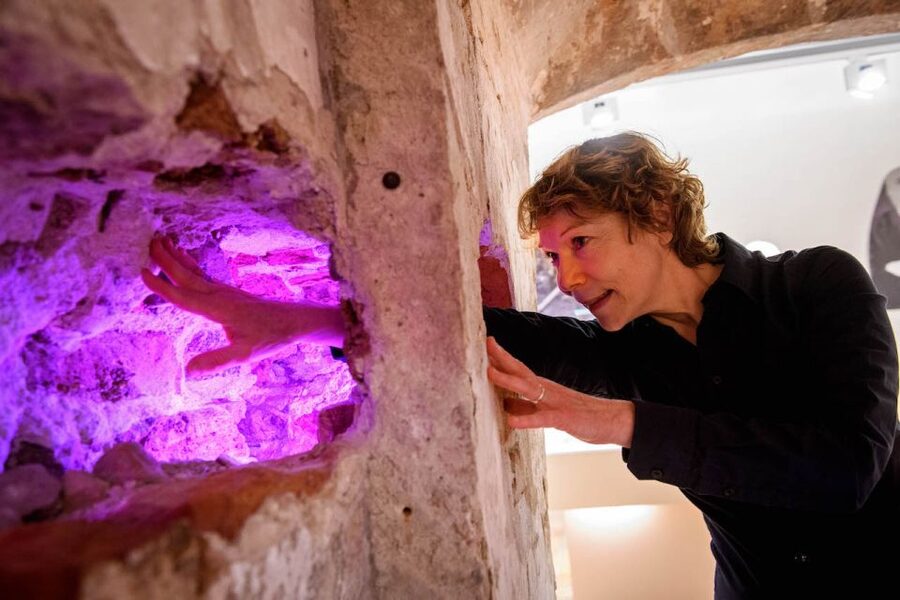
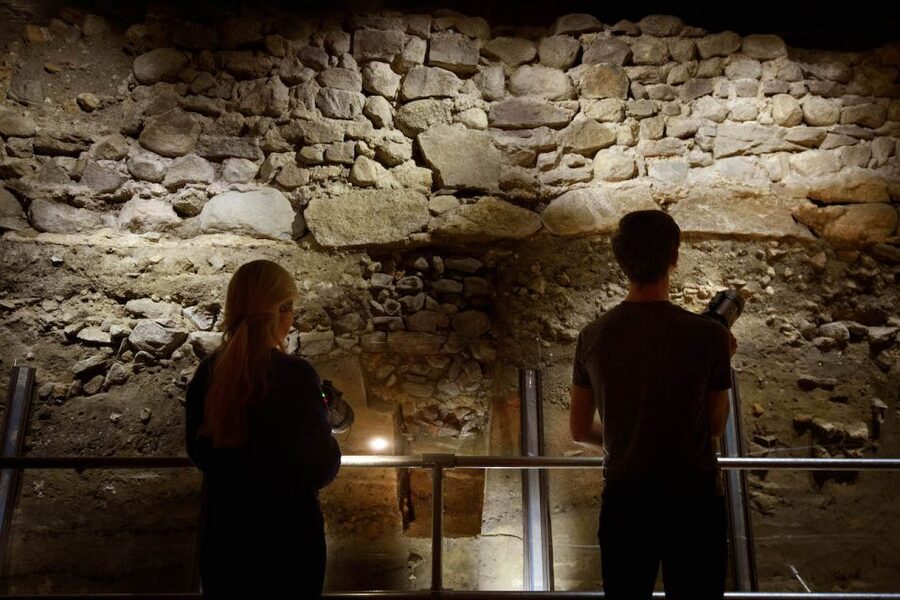
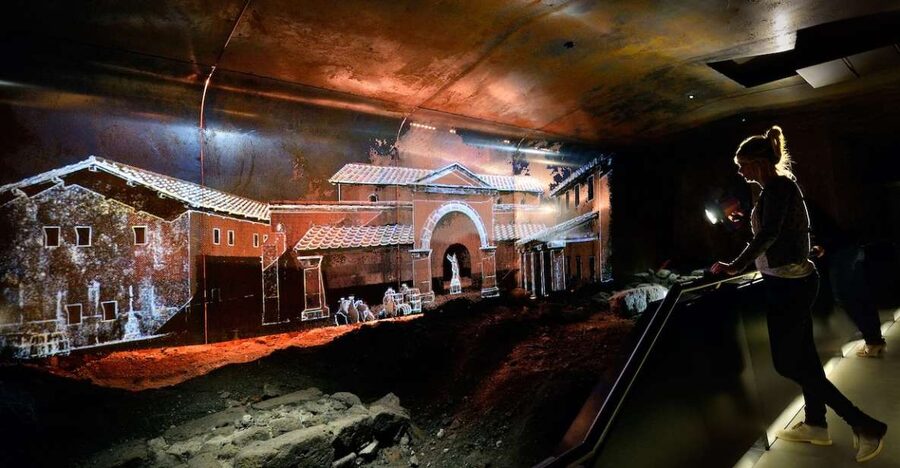
The archaeological area is the reason to book this rather than settle for a quick look at Domplein above ground. You walk beside the oldest remains connected with Utrecht’s city story and see evidence of how the site was built and rebuilt.
The sense of age is physical. You are close to walls and recovered stonework rather than viewing them from a distance. One especially memorable detail is the presence of small paw prints in stone that is more than 2,000 years old. It is an ordinary mark from the past, but it makes the ancient building work feel surprisingly immediate.
The medieval section helps explain the importance of the Dom area. Utrecht’s church complex grew over time, and the buildings required different methods, materials, and plans. The tour’s chronological structure lets you connect the changing construction styles with the broader story of the city.
I find that the site works best for people who enjoy how things were built, not only the names and dates. The explanations cover building styles and construction methods, so you get a sense of the practical work behind the grand church above. You also begin to understand why archaeological remains rarely appear as a neat single building. They are fragments of many stages.
The underground rooms are not a huge archaeological complex. That is worth knowing before you arrive. The attraction is compact and carefully presented, so the value comes from the interpretation and the unusual setting. If you expect a large excavation with long galleries, you may find the visit brief. If you want a focused look at the foundations beneath one of Europe’s historic city squares, the size is manageable.
A few more Utrecht half-days worth comparing
- Utrecht: City Canal Cruise
★ 4.3 · 2,895 reviews - Utrecht 2-Hour Walking Tour | Discover The City With A Local
★ 5.0 · 138 reviews - Rhenen: Ouwehands Zoo Entry Ticket
★ 4.6 · 126 reviews - Utrecht: Rietveld Schröderhuis UNESCO Entry Ticket
★ 4.8 · 119 reviews
The 1674 storm and the making of Dom Square
The final major chapter is the storm of 1674. During this violent event, the nave of the Dom Church collapsed. The open Dom Square you see today was created because the damaged section was not rebuilt.
This is the moment when the underground remains, the present-day square, and Utrecht’s skyline come together. You can look at the broad space above and understand that it was shaped by destruction, not by an original plan for an open plaza.
The presentation includes a reconstruction of the fateful day. Videos and projected material help explain how the church once occupied more of the area and how the collapse changed the city. The visual approach is one of the strongest parts of the visit because it makes the missing nave easier to picture.
There is one small practical warning here. The storm sequence includes dramatic sound and effects, and one group initially thought a fire alarm had gone off. If you are sensitive to sudden noises, it helps to know that the presentation can be theatrical.
The storm story also gives the tour a satisfying ending. You begin with Roman foundations, move through medieval building projects, and finish with a disaster that shaped the square you can visit above ground. It is a clear historical arc rather than a collection of disconnected facts.
What makes the format work
DOMunder succeeds because it combines three types of explanation:
- A guide provides the larger story and answers questions.
- The flashlight links short audio sections to specific ruins.
- Videos and visual material show buildings and events that no longer exist.
That combination suits different learning styles. I can listen to a guide for context, inspect the physical remains, and then use the screens to picture the missing structures. The visit feels more active than a conventional museum without turning into a complicated game.
The equipment also gives you a little control. You can pause at a feature, move ahead, or return to something that caught your eye. Parents may find this more engaging than a long talk, though one guide’s experience suggests that the material may suit older children and adults better than very young children.
The tour remains guided, even though the underground section is partly independent. You are not left to work out the story from scratch. That balance is valuable because archaeology can be hard to understand without context.
Time, comfort, and access
The full experience lasts 75 minutes. A typical visit includes the opening explanation, the walk underground, the flashlight-led exploration, and the audiovisual sections. Plan around the full duration rather than assuming you can drop in for a quick ten-minute look.
There is no wheelchair access, so this attraction is not suitable for wheelchair users. If you have minor mobility concerns, the opening talk may be easier if you can sit. The available information does not promise broader accessibility arrangements, so contact the provider before booking if you need specific assistance.
The meeting area can be confusing, especially because the signs near the excavation and the tourist information centre serve different purposes. Keep your ticket ready for scanning at the desk at Domplein 9. If you arrive late, staff may be able to help, but arriving on time is the safer plan because the introduction establishes the whole story.
The language choice is English or Dutch for both the live guide and audio material. The attraction is therefore easy to fit into a sightseeing day for international visitors, provided you select the right session.
Who will get the most from DOMunder
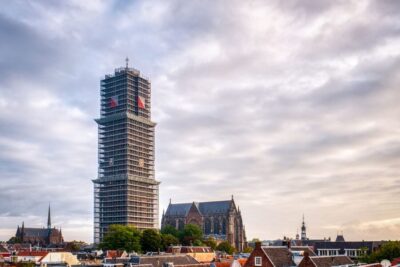
I would choose this for you if you like archaeology, old buildings, city history, or interactive museums. It is also a good match if you have already visited the Dom Tower and want a different view of the same historic area. The tower gives you height and city views; DOMunder gives you foundations, construction details, and the story beneath your feet.
History-minded families may enjoy the flashlight system, particularly if children are old enough to listen and follow the short explanations. The tour also suits visitors who prefer a structured experience rather than an unmarked ruin.
You may want to skip it if you dislike enclosed underground spaces, have mobility needs that make stairs or uneven access difficult, or prefer a large museum with many rooms and extensive displays. The excavation is compact, and the technology can occasionally be fiddly.
At $17, I consider the price reasonable. You receive a guide, an unusual archaeological setting, interactive equipment, and visual material in one visit. The value is strongest when you take time to connect the underground remains with Domplein above. If you rush through Utrecht and only want a quick photograph of the square, the ticket may not fit your plans.
Should you book DOMunder?
Book it if you want Utrecht’s history explained through the actual ground on which it happened. The strongest reasons are the Roman and medieval remains, the tactile feel of the excavation, and the smart flashlight that lets you explore without losing the main story.
I would especially recommend it after visiting the Dom Tower, since the two attractions show opposite sides of the same landmark. Just allow the full 75 minutes, find the tourist information centre at Domplein 9 first, and do not expect wheelchair access.
If you prefer quiet ruins with no technology, the audio triggers and dramatic storm presentation may feel a little busy. For most visitors who enjoy clear storytelling and hands-on history, though, DOMunder offers a useful and memorable look at what lies below Utrecht’s most famous square.
FAQ
How long does the DOMunder visit last?
The experience lasts 75 minutes.
How much does the entry ticket cost?
The listed price is $17 per person.
Where is the meeting point?
Scan your ticket at the desk of the Tourist Information Centre at Domplein 9 in Utrecht.
Which languages are available?
The live guide and audio guide are available in English and Dutch.
Is a guide included?
Yes. The ticket includes a guide as well as entry to DOMunder.
Do I receive an audio guide?
Yes. An English or Dutch audio guide is included as part of the experience.
Is DOMunder suitable for wheelchair users?
No. The attraction is listed as not suitable for wheelchair users.
What will I see underground?
You will see archaeological remains connected with about 2,000 years of Utrecht’s history, including Roman and medieval traces beneath Dom Square.
Can I cancel the booking?
You can cancel up to 24 hours in advance for a full refund. The reserve-now, pay-later option lets you book without paying immediately.
Just added around Utrecht
- Our Utrecht’s Private & Personalized tour★ 5.0 · 3 reviews
- Utrecht – Food Tour: Try out 6 dutch bites★ 4.5 · 6 reviews
- Historical Utrecht: Private Walking Tour with a Local Guide★ 4.6 · 3 reviews
- From Amsterdam: Castle De Haar Guided Tour★ 4.7 · 41 reviews
- Our Utrecht City Tour (Limited group size & optional Lunch)★ 4.9 · 70 reviews
- Utrecht Food Tour with local guide★ 5.0 · 112 reviews
- Utrecht: Rietveld Schröderhuis UNESCO Entry Ticket★ 4.8 · 119 reviews
- Rhenen: Ouwehands Zoo Entry Ticket★ 4.6 · 126 reviews
Attraction Tickets in Utrecht, compared.

Browse the lists this tour appears in