
Reviewed · MUSEUMS
Middelburg: Zeeuws Museum Entry Ticket
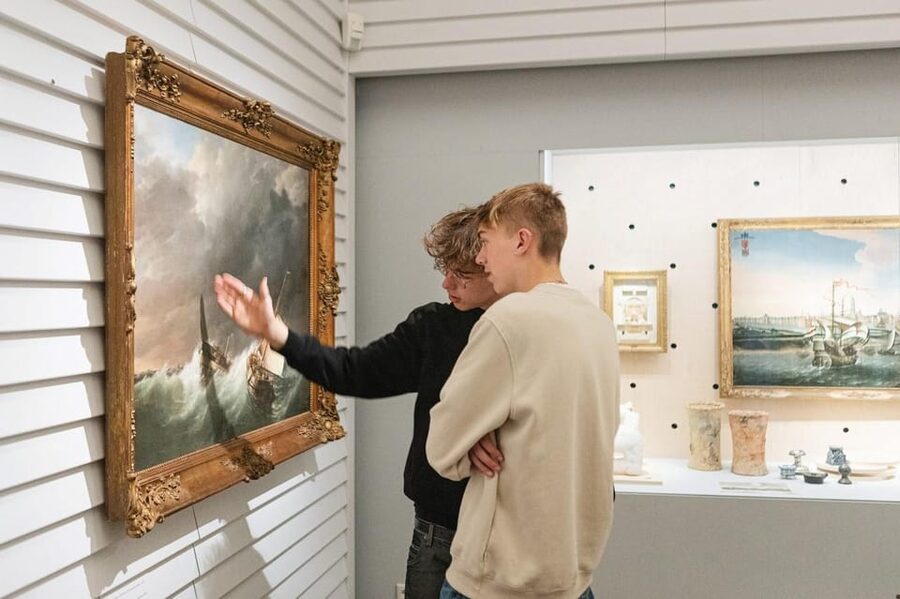
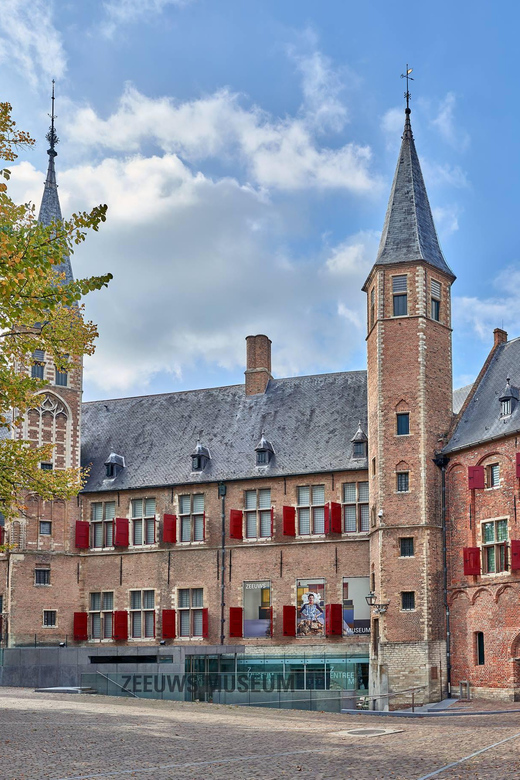
The most striking part of the Zeeuws Museum is the setting: you enter a former abbey to explore Zeeland through objects rather than a single grand story. The collection ranges from archaeological finds and naval battle scenes to regional jewellery, porcelain, silver, and items Zeelanders brought back from faraway places.
I like the way the museum connects everyday life with major events. I also like the changing fashion displays, which give regional costume and jewellery their own spotlight instead of treating them as dusty side notes. The main drawback is that the museum is not always fully open, so check current conditions before you go. One recent visit found an entire floor closed, with limited help at reception.
Key points to know before you go
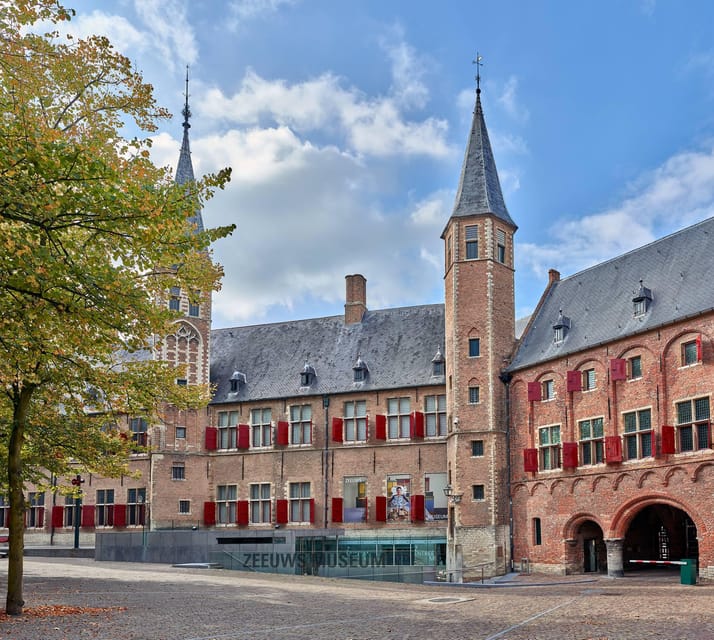
- Former abbey setting: The museum occupies a historic building in Middelburg, giving the visit a strong sense of place before you even reach the galleries.
- Thirty thousand objects: The collection covers archaeology, naval history, costume, jewellery, porcelain, silver, and objects connected to Zeeland’s overseas links.
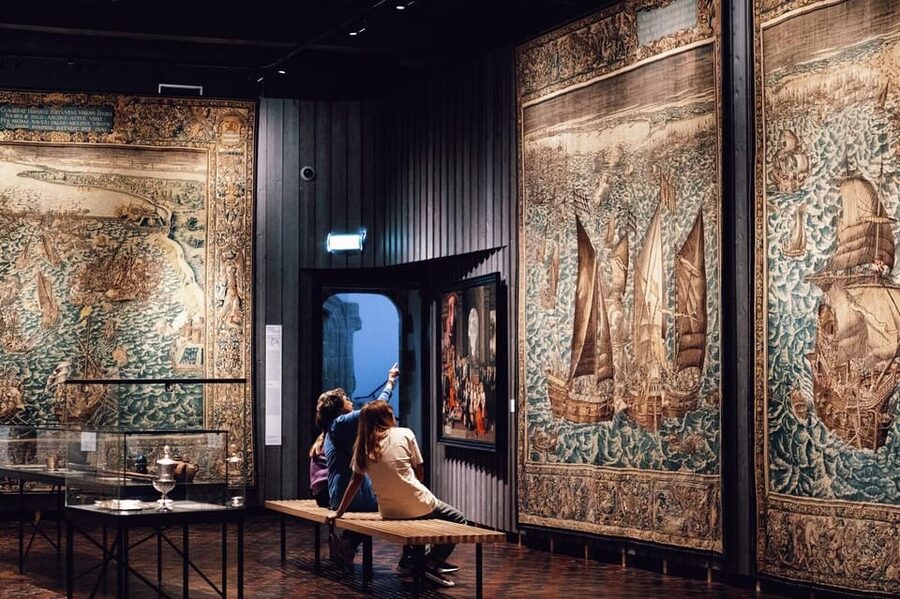
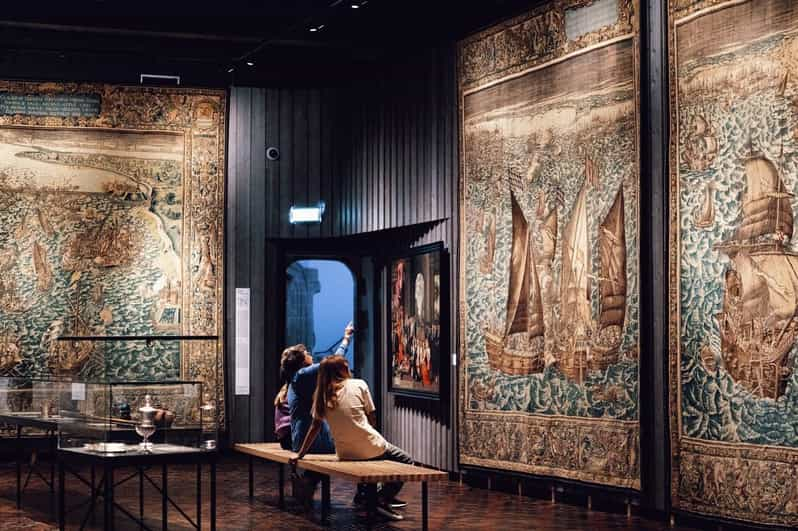
- Naval scenes in woven wall hangings: Large historic works show battles from the Eighty Years’ War in a memorable visual form.
- Fashion changes over time: Temporary displays focus on regional dress and jewellery, so the museum can feel different on repeat visits.
- Self-guided visit: Your $19 ticket covers entry only. No guide is included, and you can use the ticket for one day.
- Access needs planning: Wheelchair access is available for chairs with a maximum turning circle of 150 centimeters. Borrowed wheelchairs are free but must be reserved ahead.
A former abbey with Zeeland at its center
The Zeeuws Museum is not a museum where every room covers the same kind of object. Its purpose is broader: to show how Zeeland developed through local life, trade, conflict, craft, religion, and contact with other parts of the world.
That makes the former abbey an apt home. The building gives your visit a sense of continuity, while the objects inside show how much Zeeland has changed. You are not simply looking at old things. You are asking where they came from, who used them, and what they reveal about the people of this coastal province.
The collection contains about 30,000 objects. You will not see all of them in one visit, of course. Instead, exhibitions select pieces that help tell a particular story, often linking the past with current questions about identity, society, design, and the way communities preserve their traditions.
I appreciate that approach because it keeps the museum from becoming a warehouse of regional antiques. The displays can place a piece of clothing, a piece of silver, or an object from overseas into a wider conversation about Zeeland and its people.
More Museum Tickets in Holland:
- Amsterdam: Van Gogh Museum Ticket
★ 4.7 · 52,054 reviews - Moco Museum Amsterdam Entrance Tickets with Banksy & More
★ 4.4 · 10,088 reviews - Amsterdam: The Upside Down Museum Entrance Ticket
★ 4.4 · 9,506 reviews
Start with the core exhibition
Begin with the main exhibition on Zeeland’s culture and history. This is the best place to get your bearings because it introduces the broad subjects that appear throughout the museum.
Expect a mixture of objects rather than one long chronological march. Archaeological finds help establish the older story of the region. Historical objects show how people lived and worked. Decorative pieces reveal skill, taste, status, and contact with other areas.
The benefit of this variety is that you can follow the subjects that interest you most. If you care about local history, spend more time with the archaeological and historical material. If design catches your eye, move toward the costume, jewellery, porcelain, and silver.
The possible weakness is that a varied collection can feel less straightforward than a museum with one simple route. You may need to pause and read carefully to understand how each object fits into the larger picture. Since no guide is included, this is a visit built around your own pace and attention.
See the naval battles in woven wall hangings
The Eighty Years’ War appears through large woven wall hangings showing naval battles. These works give the military past a visual force that a case of small weapons or written labels cannot match.
The scenes are especially useful for understanding Zeeland’s connection to the sea. Naval conflict was not an abstract event happening somewhere else. For a province shaped by water, ports, islands, and shipping, battles at sea affected politics, trade, security, and daily life.
Take time to look beyond the action. Large historic scenes often contain ships, clothing, flags, buildings, and details of how a battle was presented to its original audience. Even if you are not a military-history fan, the scale and craftsmanship make this part of the museum worth seeking out.
The museum’s naval material also adds balance to the more domestic displays. After seeing clothing and jewellery, you get a reminder that Zeeland’s story includes danger, power, and international conflict as well as family life and local custom.
Regional costume and jewellery deserve extra time
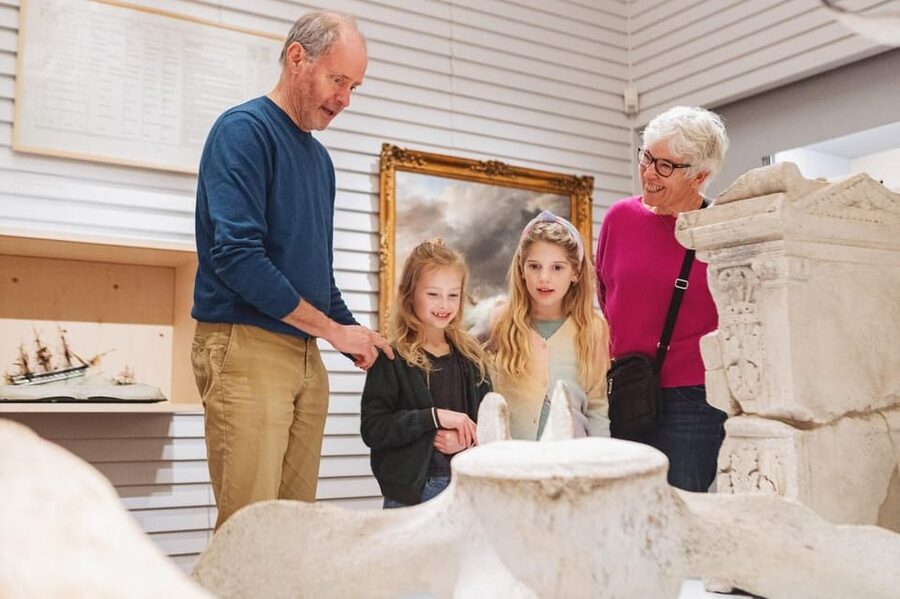
The fashion displays are among the museum’s most appealing sections. Regional costume can tell you about place, income, age, religion, work, and special occasions without using a single sentence.
Jewellery adds another layer. The pieces can be small, but they often carry strong clues about taste and social identity. A necklace, clasp, brooch, or decorative item may show how local traditions were worn and adapted over time.
A recent rating specifically praised the jewellery collection as beautiful and fascinating. That matches the practical advice I would give you: do not rush through this section simply because the objects are smaller than the naval displays. Look closely at materials, shapes, and decoration.
The fashion exhibitions are also dynamic rather than fixed forever. The museum builds changing displays around regional dress and jewellery, so the exact emphasis can vary. If you have visited before, a later trip may offer a different view of the collection.
A few more Holland half-days worth comparing
- Middelburg: City Canal Cruise
★ 4.5 · 527 reviews - Middelburg: Guided City Walking Tour
★ 4.4 · 180 reviews - Self-Guided Electric Boat Rental
★ 4.5 · 60 reviews - e-Scavenger hunt Middelburg: Explore the city at your own pace
★ 4.5 · 55 reviews
Objects from abroad show Zeeland’s wider connections
One of the museum’s most useful ideas is that Zeeland is not presented as an isolated corner of the Netherlands. Zeelanders brought objects home from distant places, and those items became part of local life and memory.
These objects can help you think about travel, trade, collecting, and personal experience. An item from abroad is not only evidence of another culture. It also tells you something about the Zeeland person who obtained it, used it, displayed it, or passed it down.
This is where the collection becomes more personal. A museum display can move from a major historical event to an ordinary household object, then back to international connections. That range helps you see history at different scales.
You might find that these objects raise questions the museum cannot answer in a single label. Who brought this home? Why did it matter? Was it practical, fashionable, valuable, or simply memorable? That room for thought is part of the appeal of a self-guided visit.
How to plan your one-day admission
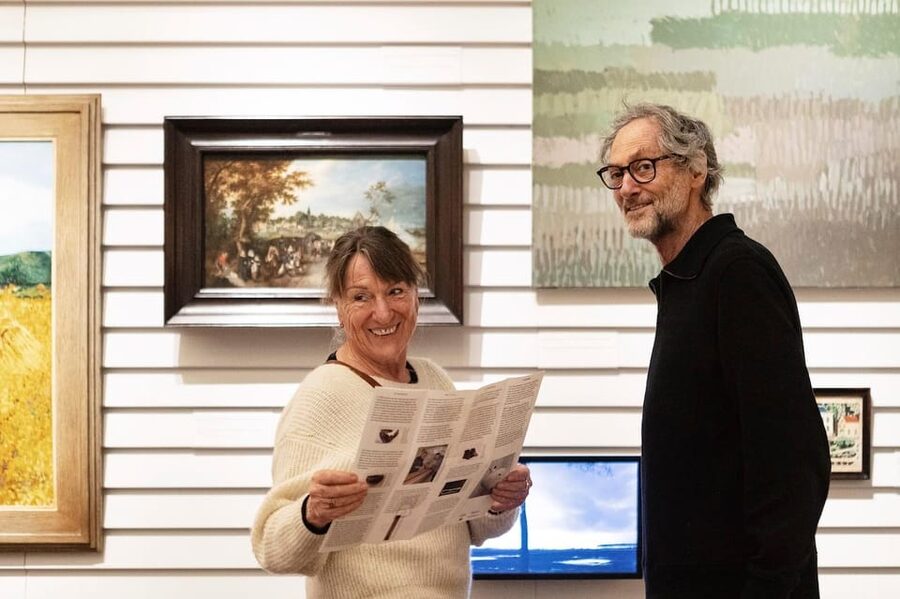
The ticket is valid for one day, and the listed price is $19 per person. For a museum with roughly 30,000 objects and a mix of permanent and changing displays, that is a reasonable price if you enjoy taking your time.
You are not paying for a guided tour, a workshop, or transport. Your ticket covers admission to the museum itself. That makes the value depend on how you use the visit. If you rush through in a short stop, the price may feel less attractive. If you give the core exhibition, naval works, costume, jewellery, and overseas objects proper attention, the full-day validity gives you useful flexibility.
The format suits an independent schedule. You can visit without committing to a fixed starting time, subject to available opening arrangements, and you can move at your own speed. A museum day also works well when Zeeland’s weather is unhelpful, though the experience is cultural rather than scenic.
Check the museum’s current display status before setting out. One recent visit found a whole floor closed, and the lack of clear help at reception made the problem more frustrating. That does not mean every visit will have the same issue, but it is a good reason to confirm what is open if a particular exhibition is important to you.
What the self-guided format means
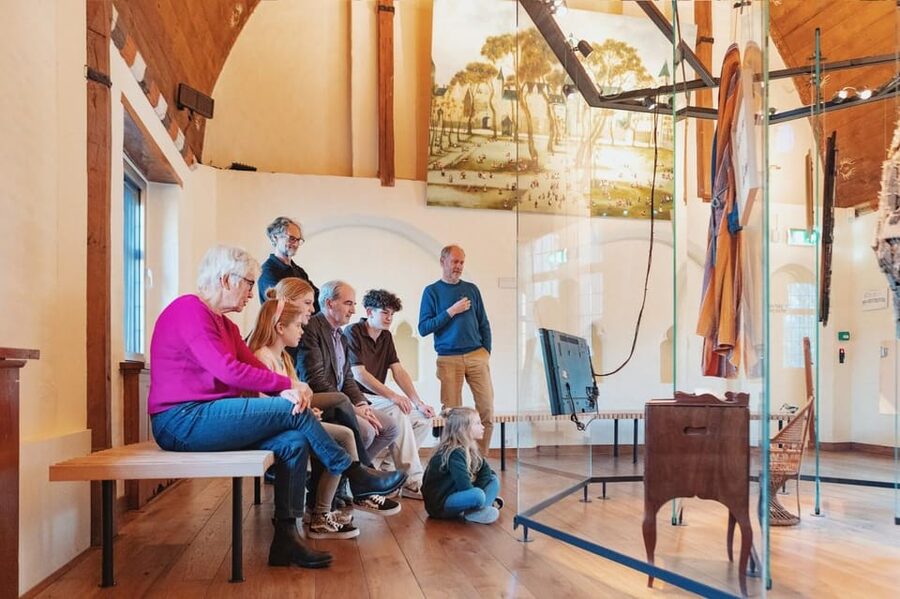
There is no guide included, so you should expect to make your own route through the museum. That is a plus if you dislike being hurried or want to spend ten minutes on one case and only thirty seconds on another.
It is less ideal if you want a person to explain the building, put the exhibits in order, or answer questions as you go. The museum’s broad collection rewards curiosity, but you will need to read the labels and make connections yourself.
I would approach the visit in three passes. First, walk through enough of the core exhibition to understand Zeeland’s main themes. Next, return to the sections that catch your attention, such as the naval scenes or jewellery. Finally, look at the temporary fashion displays and overseas objects with the wider story in mind.
This method keeps the museum from feeling like a long list of unrelated items. It also leaves room for the unexpected, which is often the best part of a collection museum.
Accessibility, bags, and practical limits
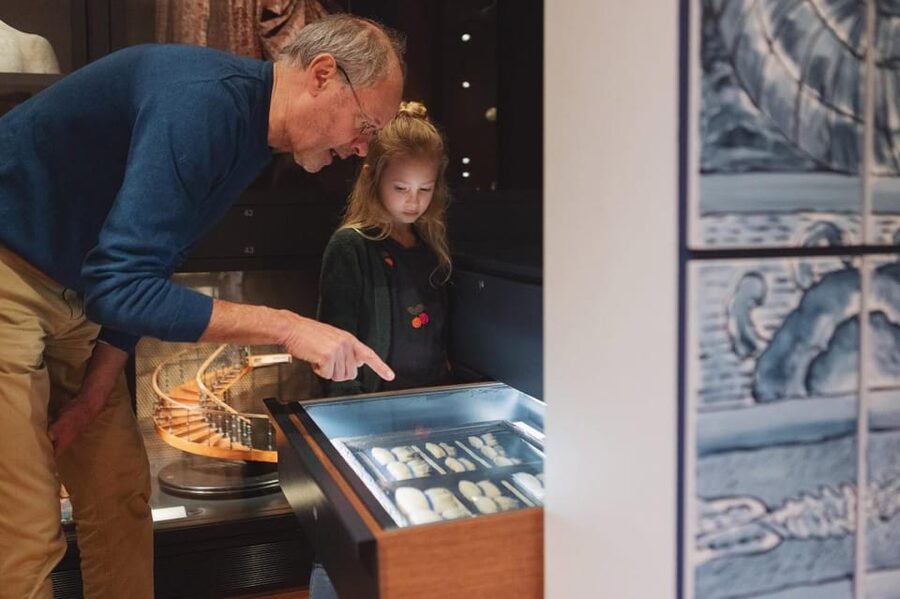
The museum is wheelchair accessible for visitors using a wheelchair with a maximum turning circle of 150 centimeters. Free wheelchairs can be borrowed, but you need to reserve one in advance.
Mobility scooters are not allowed. Bags are also not allowed inside, so plan to travel light and expect to follow the museum’s storage arrangements. The available information does not specify a bag-storage process, so ask before arrival if you need to bring anything larger than a small personal item.
These details matter because the former abbey setting may suggest older, tighter spaces. The museum provides access within the stated limits, but you should confirm that your own chair fits the requirement before booking.
Staff impressions have generally been positive, with one rating specifically praising the people working there. Still, the reception experience was not equally helpful for everyone, particularly around online check-in. If you run into a problem, the coffee shop staff member was described as more helpful on one occasion, but you should not treat that as a guaranteed service arrangement.
Who will enjoy the Zeeuws Museum most?
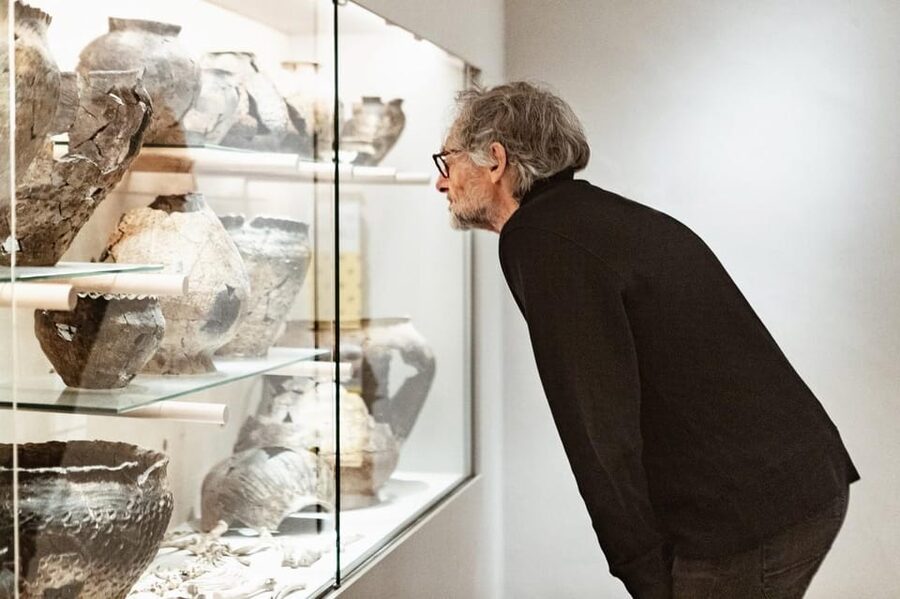
I would recommend this museum to you if you like regional history presented through real objects. It is especially suitable if you enjoy costume, jewellery, decorative arts, archaeology, or maritime subjects.
Families with different interests may also find enough variety to keep everyone moving. One person can focus on naval history, another on clothing and design, and another on objects from overseas. The lack of a guide means you can split up briefly and regroup without following a fixed tour.
It is less suited to you if you want a single famous masterpiece or a short, tightly scripted attraction. The museum’s appeal comes from connections between many types of objects. You need to bring a little patience.
Repeat visitors may have a good reason to return because the fashion exhibitions change. A first visit gives you the main story. A later visit can focus more closely on costume, jewellery, or a new temporary display.
Should you book this Middelburg museum ticket?
Book it if you want a thoughtful look at Zeeland through local objects, naval scenes, regional dress, jewellery, and international connections. The $19 price is fair for a full-day admission, particularly if you take time with the core exhibition and changing displays.
Think twice if your schedule is tight, you need a guide, or you are visiting mainly for one specific floor. Check what is open first, travel without a large bag, and reserve a museum wheelchair early if needed.
The Zeeuws Museum is at its best when you let the collection lead you from big naval events to small personal objects. It gives you a clearer feel for Zeeland than a quick list of sights can, and it does so at your own pace.
FAQ
Where is the Zeeuws Museum located?
The Zeeuws Museum is in Middelburg, in the Zeeland region of the Netherlands.
How much does admission cost?
The listed price is $19 per person.
How long is the ticket valid?
The entry ticket is valid for one day.
Is a guide included?
No. The ticket includes entry only, and a guide is not included.
What can I see inside the museum?
You can see archaeological finds, naval battle scenes from the Eighty Years’ War, regional costume and jewellery, porcelain, silver, and objects brought home from abroad by Zeelanders.
Is the museum wheelchair accessible?
Yes. Wheelchair access is available for wheelchairs with a maximum turning circle of 150 centimeters.
Can I borrow a wheelchair?
Yes. Wheelchairs can be borrowed free of charge, but you need to reserve one in advance.
Are mobility scooters and bags allowed?
Mobility scooters and bags are not allowed.
Just added around Holland
- Private sightseeing tour to Bruges and chocolate from Amsterdam★ 5.0 · 11 reviews
- Amsterdam: Rijksmuseum (Private Tour & Priority Access)★ 5.0 · 27 reviews
- Amsterdam: Private Romantic Evening Canal Cruise + Bubbles/Snacks★ 5.0 · 46 reviews
- Amsterdam Private Shopping Experience★ 5.0 · 7 reviews
- Rijksmuseum Amsterdam Private Guided Tour★ 5.0 · 57 reviews
- Amsterdam Rijksmuseum PRIVATE TOUR with a Local Private Guide★ 5.0 · 159 reviews
- Private One way Transfer Amsterdam Airport to Amsterdam★ 3.5 · 42 reviews
- Private Rijksmuseum Tour- The Dutch Masters, Rembrandt & Vermeer★ 5.0 · 54 reviews
Museums, compared.
Moco Museum Amsterdam Entrance Tickets with Banksy & More
Read our review →


Amsterdam’s Weirdest Museum: Believe It or Not!
Read our review →
Browse the lists this tour appears in