
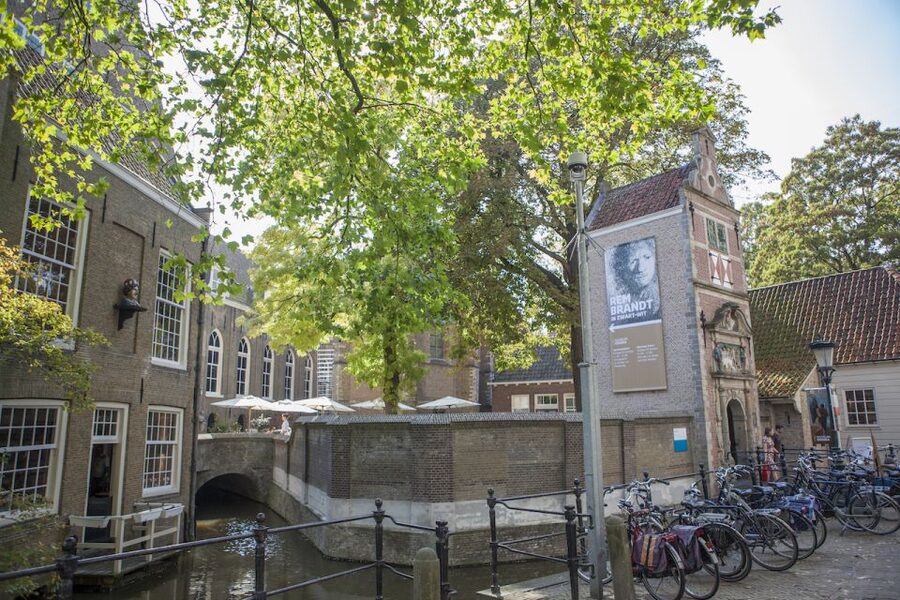
Reviewed · MUSEUMS
Gouda: Museum Gouda Entry Ticket
Museum Gouda packs six centuries of local life into a former 14th-century guest house. Its best moments are not just paintings on walls, but surviving altar pieces, civic portraits, pottery, and a large model that lets you see Gouda as it looked in 1562.
I especially like the rare religious art that escaped the 16th-century iconoclasm, and the interactive city maquette, which gives the collection a clear sense of place. The main drawback is that the museum may feel less rewarding if you need a guide or audio commentary, since neither is included.
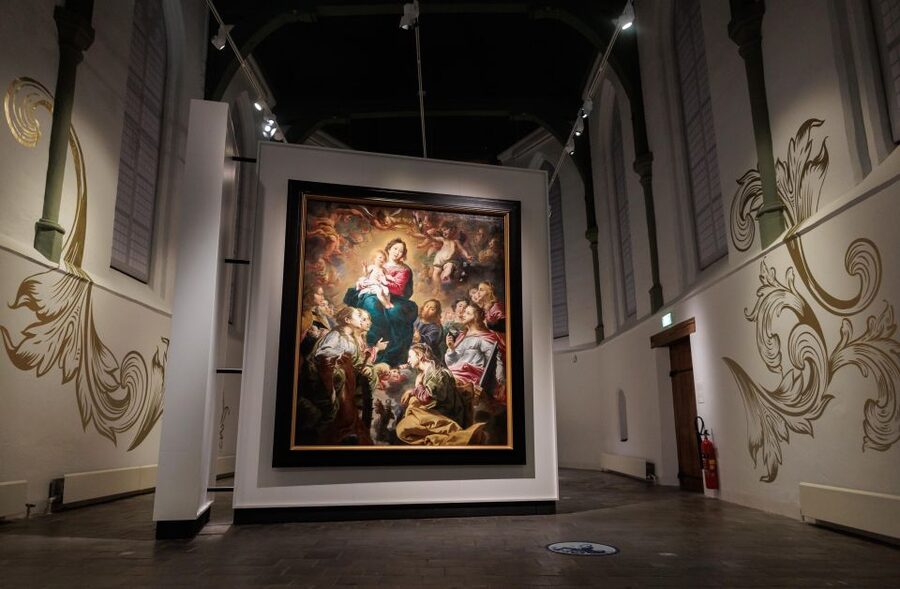
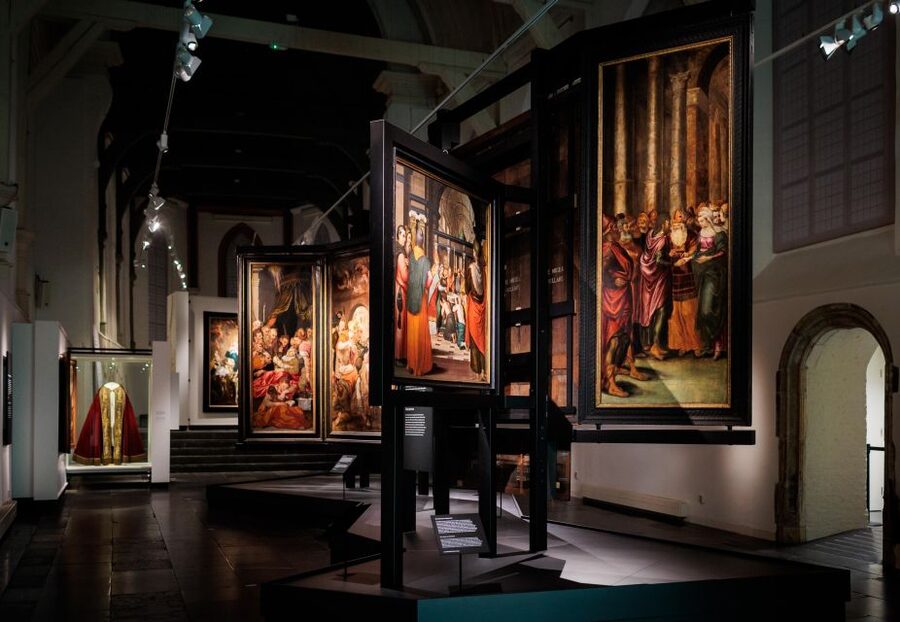
- See altar paintings that survived the iconoclasm: These are among the museum’s most important historic works.
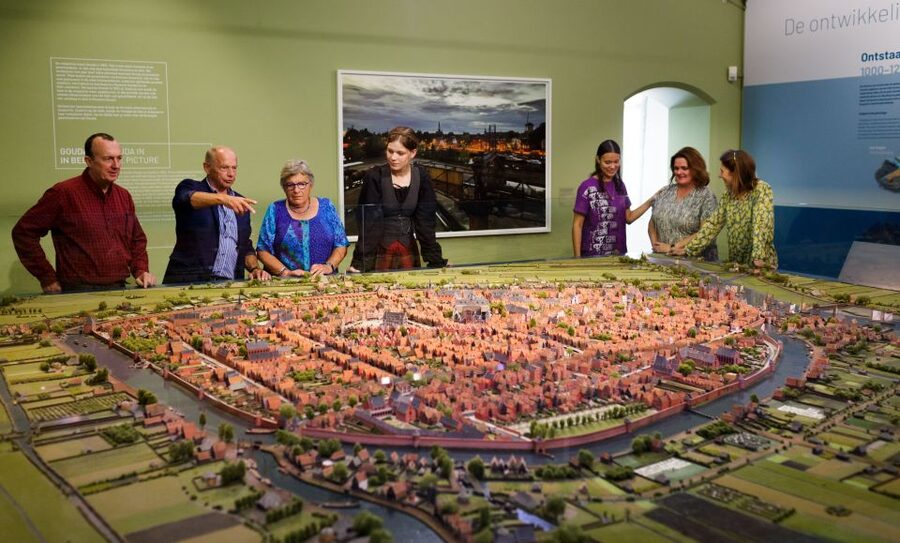
- Study Gouda in 1562: A large interactive maquette shows the city before modern development changed its shape.
- Meet Ferdinand Bol and Isaac Israels: Their work broadens the visit beyond local objects.
- Trace Gouda’s pottery tradition: Gouds plateel explains how decorative ceramics helped put the city on the map.
- Compare civic and religious art: Militia portraits and altar pieces show two very different sides of old Gouda.
- Allow time for temporary exhibitions: The ticket also gives you access to changing displays.
A 14th-century doorway into Gouda’s past
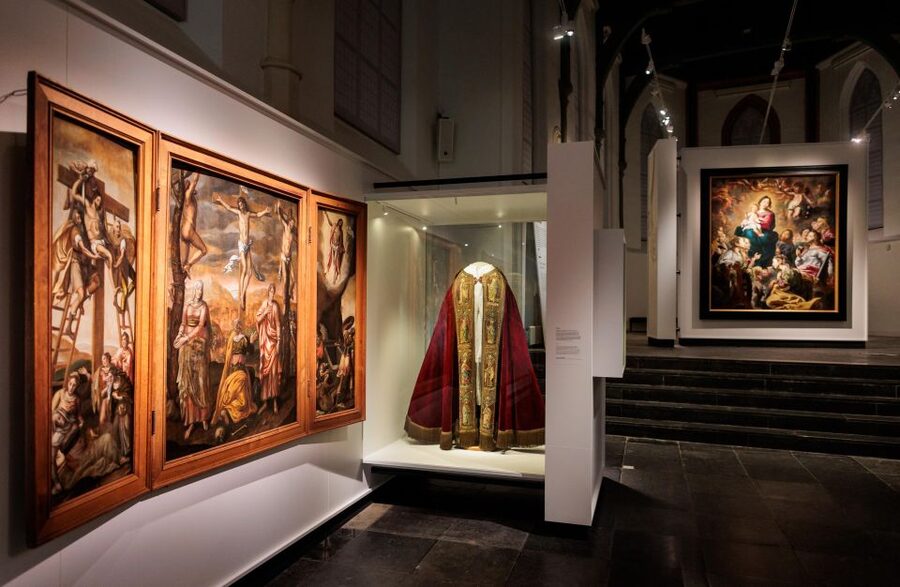
Museum Gouda is housed in a former guest house dating from the 14th century. That setting matters. You are not entering a giant modern gallery built to separate art from daily life. You are moving through an old Gouda building while looking at objects that explain how the city worked, worshipped, traded, and presented itself.
The collection covers roughly 600 years, from the 16th through the 20th century. That long time span gives you a useful local story. Instead of seeing one narrow school of painting, you can follow Gouda through religious art, public identity, fine art, clay pipes, and decorative ceramics.
The museum works best if you give yourself time to look for connections. A religious panel tells you about worship and the violence of the Reformation. A militia group portrait shows how civic organizations wanted to be remembered. Gouda pottery points to industry, fashion, and commercial success.
The ticket costs $19 per person and is valid for one day. For a museum centered on several centuries of art and city life, that is a fair price if you plan to spend a solid part of your day inside. It is less compelling if you want only a quick look at one famous painting.
The altar pieces that escaped the iconoclasm
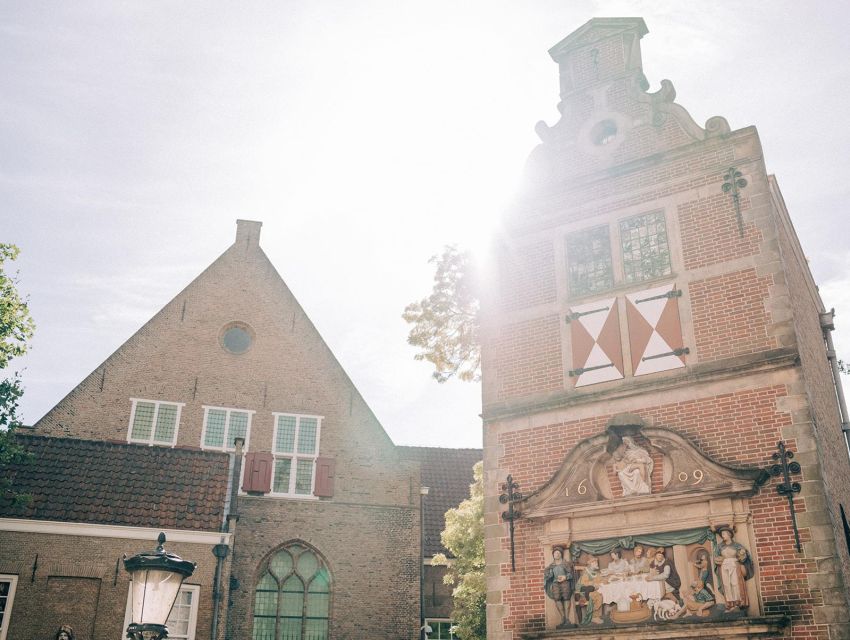
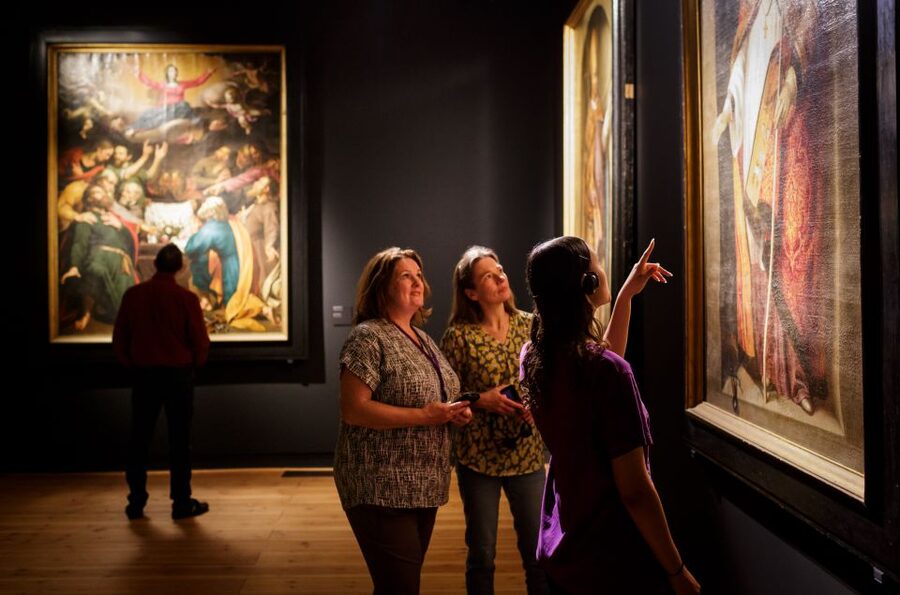
Start with the 16th-century religious works. During the iconoclasm that swept through the Netherlands, many church artworks were destroyed or damaged. The pieces preserved at Museum Gouda are valuable partly because they are survivors.
You will find altar paintings, including a 16th-century triptych. These works are more than examples of old painting technique. They show the kind of art once made for religious spaces, where an image could teach, inspire, and shape public worship.
The survival story adds weight to the viewing. You are not simply judging color or composition. You are looking at objects that passed through a period of religious upheaval and changing ideas about what belonged in churches.
If you are used to Dutch museums built around household names, this section may require more patience. The supplied information does not promise a full audio tour, and one French-language response specifically found the lack of a guide and audio guide disappointing. I would bring your own context by reading the labels carefully and taking time with the works rather than rushing from room to room.
More Museum Tickets in South Holland:
- Amsterdam: Van Gogh Museum Ticket
★ 4.7 · 52,054 reviews - Moco Museum Amsterdam Entrance Tickets with Banksy & More
★ 4.4 · 10,088 reviews - Amsterdam: The Upside Down Museum Entrance Ticket
★ 4.4 · 9,506 reviews
Gouda in 1562, built as a city model
The large interactive maquette showing Gouda in 1562 is one of the museum’s clearest teaching tools. It gives you a bird’s-eye view of the city at a precise moment in the past.
This is useful because old paintings and objects can feel detached from their original setting. The maquette puts them back into a city. You can study Gouda as an organized place, then return to the galleries with a better idea of the world behind the objects.
The model is also a good change of pace. After looking closely at paintings, you can shift to a physical representation of streets and buildings. Families and anyone who likes maps may find it especially helpful, but adults interested in urban history should not skip it.
The description identifies the maquette as interactive, though it does not specify exactly how every feature works. Expect a hands-on city display rather than a simple static model. Give it enough time to understand what you are seeing instead of treating it as a quick photo stop.
From civic guards to public pride
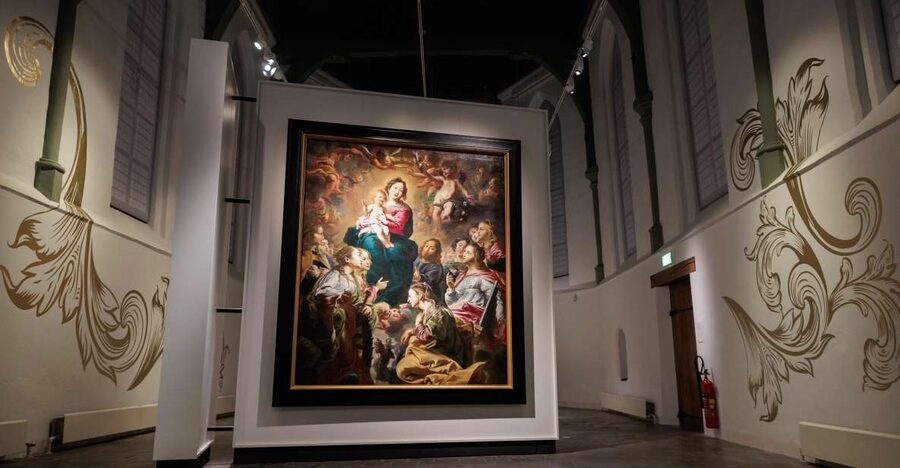
The 17th-century civic guard pieces and militia group portraits show Gouda from a public, civic angle. These paintings are tied to organizations that helped define the city’s identity and social order.
Group portraits can look formal at first. Their value comes from the details. Look at how people are arranged, how they present themselves, and how much importance is given to being seen together. These are records of civic pride as much as they are paintings.
Placed beside the altar pieces, they create a useful contrast. The religious works speak to belief and worship. The militia paintings speak to public duty, membership, and status. Together, they show that Gouda’s past was made up of more than churches and trade.
The collection also includes works from the 19th century, including French and Dutch art. This gives the visit a wider frame. You can move from local civic life into changing artistic tastes and see how the museum’s story continues beyond the early modern period.
Ferdinand Bol, Isaac Israels, and the broader collection
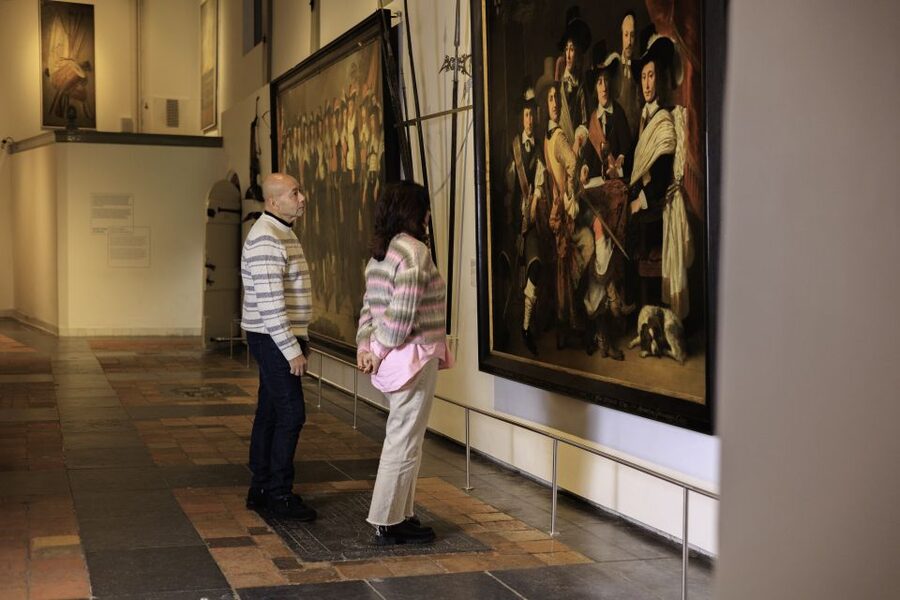
The collection includes works by Ferdinand Bol and Isaac Israels, two names that give the museum reach beyond purely local material. Bol is associated with the Dutch 17th-century painting tradition, while Israels represents a later period of Dutch art.
The supplied information also highlights works connected with Vermeer and Rembrandt as memorable points of interest. Since the museum’s displays and temporary shows can change, check the current presentation if one of those artists is a major reason for your visit.
This is where your expectations matter. Museum Gouda is not presented as a single-artist museum or a place built around one blockbuster masterpiece. Its appeal comes from the way different kinds of art sit within a city story.
I like that approach. You get more than a famous name followed by a quick exit. You get a local collection with links to larger Dutch art movements. Still, if your main goal is a long list of canonical masterpieces, this may not replace the country’s major national museums.
A few more South Holland half-days worth comparing
- Gouda: Gouda Cheese Experience Entry Ticket
★ 4.6 · 578 reviews - Keukenhof: Flower Fields Small-Group Cultural Bike Tour
★ 4.8 · 254 reviews - Gouda: Syrup Waffle Factory Ticket with a Waffle
★ 4.5 · 202 reviews - Dordrecht: City Canal Cruise
★ 4.6 · 179 reviews
Gouds plateel and the pottery that built a reputation
The pottery section explains a different side of Gouda. Gouds plateel, the city’s decorative pottery, became an important part of its public identity. The pieces help show how art, craft, design, and commerce can overlap.
Pottery is easy to underestimate when a museum also has paintings and altar pieces. Do not rush through it. Decorative ceramics can reveal changing tastes in color, pattern, and form, while also showing how a city turned local production into a recognizable name.
This section is especially useful for anyone interested in design or applied art. You can compare the careful planning of a ceramic object with the storytelling of a painting. The collection also includes Gouda clay pipes, adding another local product to the display.
The pottery gives the museum a more complete picture of Gouda. The city was not only a backdrop for artists or a place with old churches. It also had makers, workshops, products, and a commercial identity.
Temporary exhibitions add a reason to return
Alongside the permanent collection, Museum Gouda presents temporary exhibitions. These displays can change the feel of a visit, so it is worth checking what is showing when you plan your day.
A temporary exhibition may give you a focused subject after the broad sweep of the permanent galleries. It can also introduce works that are not part of the museum’s core story. If you have already seen the main collection, a new exhibition may make a return visit worthwhile.
The permanent displays are the safer reason to book because their main themes are clearly established: altar paintings, civic art, Dutch and French works, pottery, clay pipes, and Gouda’s city model. Treat the temporary exhibition as a useful extra, not the only reason to pay for entry unless you have confirmed its current subject.
How much time should you allow?
The ticket is valid for one day, but no fixed visit duration is provided. That flexibility is useful. You can fit the museum into a day of sightseeing in Gouda without being tied to a short guided slot.
I would plan enough time to see the main collection without hurrying. The 1562 maquette, altar pieces, militia portraits, later paintings, pottery, and temporary exhibitions each ask you to look in a different way. A rushed visit would turn the museum into a checklist.
The best order is simple: begin with the city model if you want context, then visit the historic religious and civic works, and finish with the later art and pottery. You can also reverse that order if the model is busy when you arrive.
There is no food or drink included, and parking is not included either. Plan those separately. The ticket covers museum entry only.
Who will get the most from this museum?
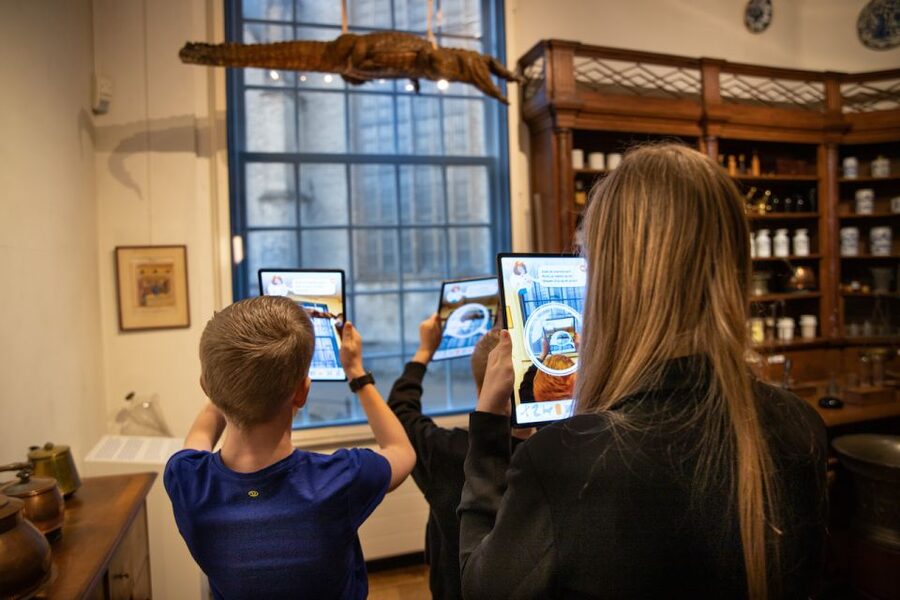
I would recommend Museum Gouda to you if you enjoy local museums that explain a city through many types of objects. It suits people interested in Dutch art, religious history, civic life, urban development, pottery, and historical buildings.
Families may appreciate the interactive maquette, especially if younger visitors need something spatial and hands-on between paintings. Art lovers will find named artists and several distinct periods, but should come expecting a city museum rather than a major national collection.
It may be less suitable if you want a guided tour in English. English and Dutch are the stated languages for the host or greeter, but the available information does not include a named guide or promise live commentary. The lack of an audio guide is a real consideration if you prefer detailed explanations delivered as you walk.
The museum is wheelchair accessible, which makes it a practical choice for many visitors. The listing does not provide further details about entrances, lifts, or gallery access, so contact the museum directly if you need specific arrangements.
Booking, flexibility, and practical value
At $19, this is a moderate museum ticket for a full day of access. The value improves if you care about Gouda itself, rather than using the museum only as a general art stop.
You can reserve now and pay later, which helps if your schedule is still moving. Free cancellation is available up to 24 hours before the visit for a full refund. Those terms are useful when your Dutch itinerary includes several cities and changing weather or transport plans.
The ticket does not include food, drinks, or parking. The experience provider is Museum Gouda itself. English and Dutch are listed for the host or greeter, but the museum does not promise a personal guide with the standard entry ticket.
One caution: the rating is based on only 12 reviews, so I would not treat the number alone as a final verdict. The available feedback ranges from strong praise for the art and memorable displays to a clear complaint about the absence of guide material. That tells you exactly how to decide: book if you are comfortable exploring largely at your own pace, and hesitate if interpretation is the main reason you visit museums.
Should you book Museum Gouda?
Book this ticket if you want to understand Gouda through its art, buildings, civic traditions, and local crafts. The surviving altar paintings, 1562 city model, militia portraits, named Dutch artists, and Gouds plateel give you several strong reasons to visit.
I would be more cautious if you need an audio guide or a fully led tour. You may find the labels sufficient, but the lack of included audio commentary can make some works harder to understand.
For most visitors spending a day in Gouda, Museum Gouda is a sensible cultural stop. It offers more than a quick look at ceramics or a few old paintings. It gives you a way to see how a Dutch city changed over 600 years, one object at a time.
FAQ
Where is Museum Gouda located?
Museum Gouda is in Gouda, in South Holland, Netherlands.
How much does the entry ticket cost?
The listed price is $19 per person.
How long is the ticket valid?
The ticket is valid for one day.
What does the ticket include?
It includes entry to Museum Gouda.
Are food and drinks included?
No. Food and drinks are not included.
Is parking included?
No. Parking is not included.
Can I cancel for a refund?
Yes. You can cancel up to 24 hours in advance for a full refund.
Is Museum Gouda wheelchair accessible?
Yes. The activity is listed as wheelchair accessible.
Just added around South Holland
- Dordrecht: Distillery Tour with Dutch Gin & Genever Tasting★ 4.5 · 13 reviews
- Lisse: Drive-it-Yourself History and Castle Audio Tour★ 4.8 · 9 reviews
- Lisse: Drive-it-Yourself Dutch Countryside GPS Audio Tour★ 4.8 · 7 reviews
- Lisse: Drive-it-Yourself Summer Flower GPS Audio Tour★ 5.0 · 7 reviews
- Lisse: Private Tulip Fields Tour with a Local Guide 1h Tour★ 5.0 · 8 reviews
- Hillegom: E-Scooter or E-Bike Rental in the Bulb Region★ 4.5 · 10 reviews
- Gouda: Entry Ticket to Church of St. John with Audioguide★ 4.5 · 48 reviews
- Gorinchem: Highlights Tour with local guide★ 4.6 · 6 reviews
Museums, compared.
Moco Museum Amsterdam Entrance Tickets with Banksy & More
Read our review →


Amsterdam’s Weirdest Museum: Believe It or Not!
Read our review →
Browse the lists this tour appears in