
Reviewed · HISTORICAL TOURS
Financial History Tour
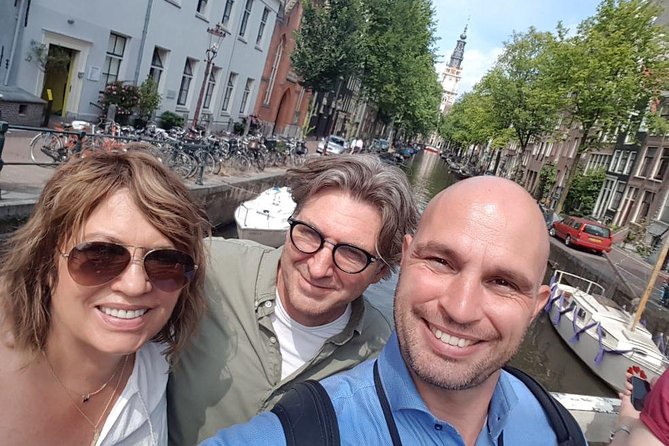
Amsterdam’s canals and grand old buildings make more sense when you follow the money. This private Financial History Tour links exchange buildings, merchant wealth, a former bank treasury, and Dutch Tulip Mania in a compact walk through central Amsterdam. Guide Tijs de Boer adds local context and practical tips along the way.
I like the small private group, which lets you ask questions and shape the discussion. I also like the unusual stops, especially the basement of Stadsarchief Amsterdam, where a former bank building reveals its old treasury space. The main drawback is that this is a walking tour with only about 10 minutes listed at each named stop, so it suits curious adults more than anyone wanting long museum visits.
- Amsterdam’s money story begins at Beurs van Berlage, one of the city’s historic exchange buildings near Dam Square.
- The former bank basement at Stadsarchief Amsterdam adds a rare look at the physical side of finance.
- Tulip Mania gets its own stop at Amsterdam’s floating flower market.
- A private format for up to 10 people makes the tour more flexible than a large group walk.
- The route lasts about 2 hours and 30 minutes and ends near Rokin, only about 500 meters from the starting point.
- The tour runs in English, with a mobile ticket and free cancellation up to 24 hours before the start.
Why Amsterdam’s money story belongs on a walking tour
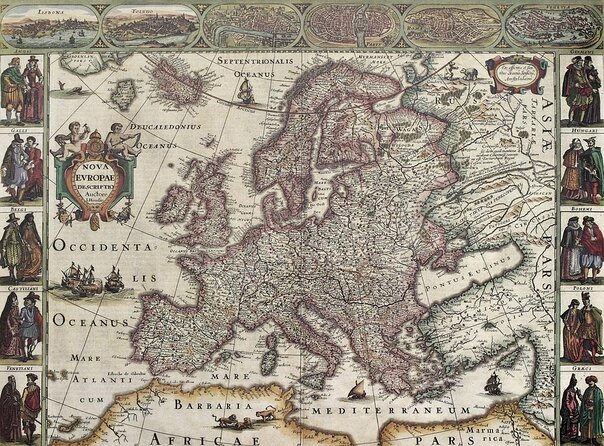
Amsterdam is often sold through canals, paintings, churches, and brown cafés. Those are good reasons to visit, but money explains why the city grew as it did and why certain buildings appeared around Dam Square. This tour uses finance as the thread connecting Amsterdam’s culture, architecture, merchants, and public life.
I like that the subject is specific. You are not simply being led from one famous sight to another while hearing a few dates. You are looking at how commerce shaped the city and how financial ideas affected Dutch society.
The route also gives you a different way to read central Amsterdam. An exchange building becomes more than an impressive facade. A basement becomes more than an old room. A flower market becomes the setting for one of Europe’s best-known economic bubbles.
The private setup matters here. Your group can include up to 10 people, and only your party takes part. That gives you more room to ask how merchants made their fortunes, why exchange buildings mattered, or what made Tulip Mania such a striking example of speculation.
Starting at Beurs van Berlage near Dam Square
The tour begins at Bistro Berlage, at Beursplein 1, 1012 JW Amsterdam. That puts you beside Beurs van Berlage, one of the exchange buildings constructed around Dam Square.
This is a smart place to begin because it introduces the central question of the walk: why did so much commercial activity gather here? The building is not treated as an isolated monument. Instead, it helps set up the financial story of Amsterdam and shows how trade needed places where deals could be made, information shared, and business organized.
The scheduled visit here lasts about 10 minutes, and admission is free. That short stop is useful for orientation, but you should not expect a long architectural tour or an extended visit inside the building based on the information available.
Bring your attention to the setting. The tour is about how Amsterdam’s financial heart developed, so the surrounding streets and buildings matter as much as the first stop itself. You will also have photo opportunities around one of the city’s most recognizable central areas.
More History Tours in Amsterdam
- Amsterdam Food and Cultural Tour with Tastings
★ 5.0 · 2,442 reviews - Amsterdam: Haunted History and Ghost Walking Tour
★ 4.5 · 488 reviews - Amsterdam High-End Dutch Food & History Tour – Up to 8 guests
★ 5.0 · 482 reviews
Finding Amsterdam’s financial heart around Dam Square
After the opening stop, the guide explains why this part of Amsterdam became the city’s historical and financial center. This is where the tour moves from one building to the larger forces that shaped the city.
I find this section especially useful for first-time visitors because it gives central Amsterdam a clear organizing idea. Instead of seeing Dam Square as just a place to cross on the way to somewhere else, you begin to connect it with commerce, merchants, exchange, and civic power.
The tour’s financial theme also helps explain the relationship between wealth and culture. The money made by Amsterdam’s merchants did not remain in trading accounts. It influenced the city’s buildings, institutions, and heritage. The guide’s task is to make those links understandable without turning the walk into a dry economics lesson.
Tijs de Boer is singled out as the guide for this experience, and the available feedback describes him as full of insights and local hints about Amsterdam. That makes him useful for more than the main subject. You can expect the conversation to include practical local suggestions as well as financial history.
Entering the old bank basement at Stadsarchief Amsterdam
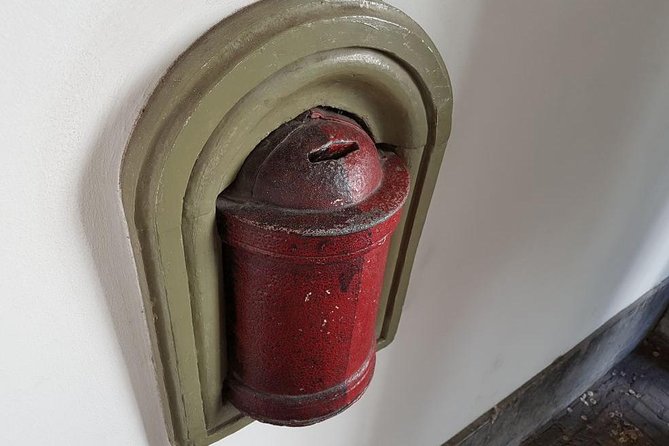
The second named stop is Stadsarchief Amsterdam, where you visit the basement of a 1920s bank building. The space now holds the treasury of the city archives, giving you a look at the sturdy, practical side of banking.
This is the tour’s most unusual stop. Amsterdam’s financial past can sound abstract when the discussion centers on merchants, markets, and bubbles. A former bank basement gives that story physical weight. You are seeing the kind of protected space built to hold valuable records and assets.
Admission is included, and the stop is scheduled for about 10 minutes. That timing tells you to expect a focused visit rather than a broad exploration of the archives. The attraction here is the specific room and the story attached to it, not a full afternoon in the archive collection.
The guide also addresses the people behind Amsterdam’s wealth. Who were the city’s rich merchants? How did they make their money? These questions keep the financial story connected to real lives and working systems.
I would pay attention to the difference between wealth as an idea and wealth as an institution. Merchants needed places to trade, store records, protect valuables, and manage risk. This basement helps make those practical needs visible.
Following the merchants who built Amsterdam’s wealth
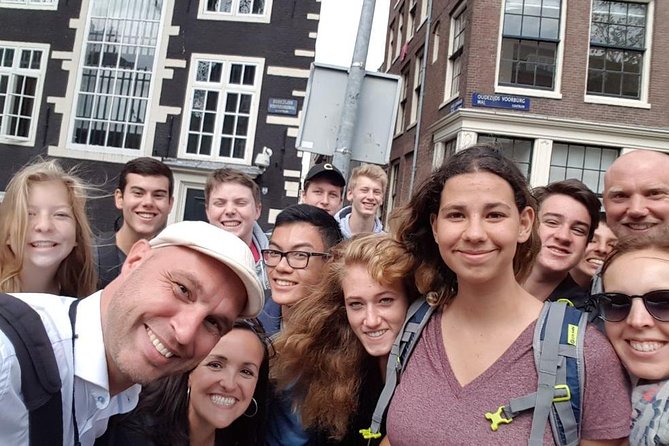
A strong history tour should not leave money floating above ordinary life. This one puts merchants at the center and asks how they built their fortunes.
The subject can be sensitive, since commercial wealth is never just about clever deals. Still, the supplied details keep the focus on financial innovation and the way money changed Amsterdam’s culture and heritage. That makes the discussion useful for anyone who wants more than a list of wealthy names.
I like this part because it gives you a way to question the city’s grand appearance. When you see imposing buildings and elegant public spaces, you can ask who paid for them and what trade made the money possible.
The format is also well suited to questions. In a large group, a subject like merchant finance can move quickly. In a private group, you can ask for clarification or follow a particular line of interest. The only limit is the fixed tour length. With two and a half hours covering several periods and subjects, the guide must keep the story moving.
Same base, a completely different sort of day:
- Amsterdam: Van Gogh Museum Ticket
★ 4.7 · 52,054 reviews - Amsterdam Classic Saloon Boat Cruise with Drinks and Cheese
★ 5.0 · 31,825 reviews - Amsterdam Luxury Canal Cruise + Unlimited Drinks & Bites option
★ 5.0 · 30,518 reviews - Amsterdam: Heineken Experience Ticket
★ 4.6 · 30,055 reviews
Tulip Mania at Amsterdam’s floating flower market
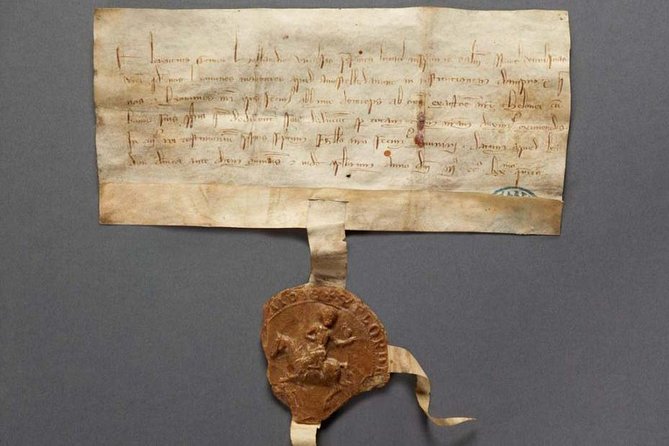
The tour then turns to one of the most famous episodes in Dutch economic history: Tulip Mania. The setting is Amsterdam’s floating flower market, where the guide explains how the first economic bubble was created.
This is a clever place to discuss speculation. Tulips are tied closely to Dutch identity and tourism, but the market also provides an easy way to talk about prices, desire, and financial risk. You get a familiar Amsterdam scene with a more complicated story underneath.
I would not treat this stop as a simple tale of foolish buyers. The point is to understand how an economic bubble forms and why people believe rising prices will continue. The market setting helps connect a famous historical episode with the way financial behavior still captures public attention.
This part should appeal even if you are not normally interested in banking. Tulip Mania is a human story as much as an economic one. It deals with ambition, fashion, confidence, and fear of missing out.
As with the other stops, the precise length of this section is not stated. The whole experience lasts about 2 hours and 30 minutes, so expect the market discussion to fit into a larger walking route rather than become a long standalone lecture.
What the private format adds
The tour costs $390.50 per group of up to 10 people. That is a serious price for a two-and-a-half-hour walk if you are traveling alone or as a couple. For a full group, however, the cost works out to about $39.05 per person before any separate booking costs, which makes the value much better.
The main thing you are paying for is not admission to several major attractions. One named stop is free, and admission to the archive basement is included. You are paying for a private guide, a focused route, and the ability to keep the conversation personal.
For a group of friends or family members already interested in Amsterdam’s past, that can be worthwhile. A public walking tour may cost less, but it may also move at a fixed pace with less chance to ask questions. Here, your group controls the conversation to a greater degree.
The private format also helps if your interests are specific. You might want more about the merchants, more about economic bubbles, or more about Amsterdam’s commercial center. The experience is designed to be flexible, though the supplied details do not promise a completely custom route or unlimited time at each stop.
Timing, walking, and practical planning
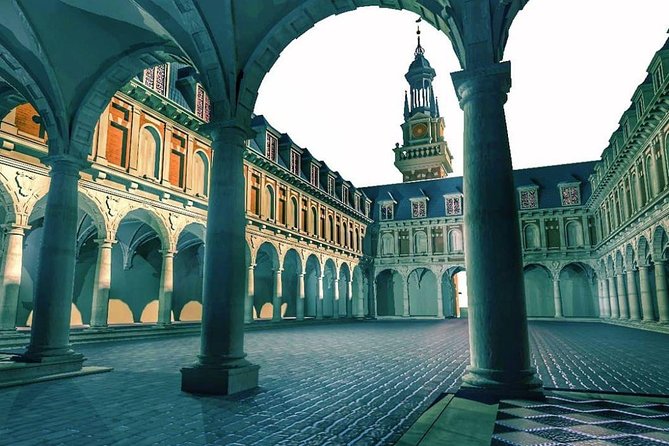
The tour lasts approximately 2 hours and 30 minutes. It starts at Bistro Berlage, Beursplein 1, and ends at Rokin 24HS. The endpoint is on the other side of Dam Square, about 500 meters from where you began.
That short distance between start and finish is helpful. You are not being sent far across the city at the end, and Rokin is near public transportation. The starting point is also close to central Amsterdam’s main sights and transport connections.
You should be comfortable walking and standing for a couple of hours. The experience calls for a moderate level of physical fitness. No special accessibility details are provided, so I would check directly before booking if you have mobility concerns.
The tour is offered in English and uses a mobile ticket. Confirmation arrives when you book. Since the experience is booked an average of 28 days ahead, I would plan early if your dates are fixed, especially because private tours have limited capacity.
The cancellation terms are friendly but strict near the start time. You can cancel for a full refund up to 24 hours before the experience begins. Cancellations or changes made less than 24 hours ahead are not accepted for a refund.
Who will get the most from this experience
I would choose this tour if you like cities explained through trade, architecture, and human decisions. It is a good fit for adults, couples, families with older children, and small groups who want a focused subject instead of a general introduction to Amsterdam.
It should also suit repeat visitors who have already seen the major canals and museums. The route offers a fresh question to carry through familiar streets: how did money shape what you are looking at?
You do not need to be an economist. Tulip Mania gives the tour a lively entry point, and the merchant stories keep the subject tied to people. Still, you should have some interest in history or finance. If you want a relaxed sightseeing walk with little explanation, this may feel too focused.
The experience is less suitable if you want extensive time inside museums or historic buildings. The named stops are brief, with about 10 minutes at Beurs van Berlage and about 10 minutes at Stadsarchief Amsterdam. The value comes from the guide’s explanation and the connections between places, not from long visits at each one.
My booking verdict for the Financial History Tour
I would book this tour for a small group that wants Amsterdam explained through commerce rather than only through art and canals. Tijs de Boer’s local tips and financial focus give the walk a clear personality, while the old exchange building, bank basement, and flower market create a varied route.
The strongest reason to book is the private format. Split among several people, the $390.50 group price becomes easier to justify, and you get a more personal discussion than a standard large-group walk. The full score from 16 reviews and a 100 percent recommendation rate also support the tour’s appeal, though the small number of ratings means I would still match it carefully to your interests.
Skip it if your priority is a low-cost overview, extensive museum time, or a tour with little walking. Book it if you want to understand why Amsterdam became a financial center, how merchant wealth affected the city, and why a flower market can help explain an economic bubble.
FAQ
How much does the Financial History Tour cost?
The tour costs $390.50 per group, with up to 10 people included.
How long does the tour last?
The tour lasts approximately 2 hours and 30 minutes.
What language is the tour offered in?
The tour is offered in English.
Where does the tour begin?
It begins at Bistro Berlage, Beursplein 1, 1012 JW Amsterdam, Netherlands.
Where does the tour end?
It ends at Rokin 24HS, 1012 KS Amsterdam, Netherlands. The endpoint is on the other side of Dam Square, about 500 meters from the starting point.
Is this a private tour?
Yes. Only your group participates, and the group can include up to 10 people.
What places are visited?
The tour includes Beurs van Berlage, Stadsarchief Amsterdam, and Amsterdam’s floating flower market, where Tulip Mania is discussed.
Is admission included?
Admission at Beurs van Berlage is free, and admission to Stadsarchief Amsterdam is included. No other admission details are provided.
Can I cancel for a full refund?
Yes. You can cancel at least 24 hours before the experience starts for a full refund. Cancellations or changes made less than 24 hours before the start are not accepted for a refund.
Just added around Amsterdam
- Private sightseeing tour to Bruges and chocolate from Amsterdam★ 5.0 · 11 reviews
- Amsterdam: Private Romantic Evening Canal Cruise + Bubbles/Snacks★ 5.0 · 46 reviews
- Amsterdam Private Shopping Experience★ 5.0 · 7 reviews
- Amsterdam: Rijksmuseum (Private Tour & Priority Access)★ 5.0 · 27 reviews
- Rijksmuseum Amsterdam Private Guided Tour★ 5.0 · 57 reviews
- Amsterdam Rijksmuseum PRIVATE TOUR with a Local Private Guide★ 5.0 · 159 reviews
- Private Photo Session in Amsterdam★ 5.0 · 15 reviews
- Private One way Transfer Amsterdam Airport to Amsterdam★ 3.5 · 42 reviews
Historical Tours, compared.

Amsterdam Food and Cultural Tour with Tastings
Read our review →
Kinderdijk UNESCO World Heritage Entry Ticket
Read our review →
Hop-on Hop-off Old-Fashioned Heritage Tram Tour
Read our review →

Amsterdam High-End Dutch Food & History Tour – Up to 8 guests
Read our review →
Cruise through the Historic City Center with Guide
Read our review →
Browse the lists this tour appears in