
Reviewed · MUSEUMS
Arnhem: Dutch Open Air Museum Entry Ticket
The best thing here is the chance to see the Netherlands as a lived-in place, not just a collection of pretty canals. Across 44 acres, you can walk through historic homes, farms, windmills, and workshops brought together from different parts of the country. I like the historic tram ride and the way traditional crafts turn old customs into something you can actually watch and understand. The one drawback is scale: with more than 100 buildings, a short visit will leave plenty unseen.
I also like that this works for a mixed-age group. Children have room to move, adults get useful context, and the Canon of the Netherlands adds a clear way to connect individual buildings with the country’s larger story. At $22 per person, the ticket is good value if you plan to stay for several hours, but less so if you only have time for a quick walk.
Key points to know before you go
- More than 100 historic buildings: See homes, farms, windmills, and workshops representing life across the Netherlands.
- A full day in 44 acres: Give yourself time to walk, pause, and choose which areas interest you most.
- Historic tram ride included: Use the tram as a practical way to get around and add a nostalgic touch to the visit.
- Traditional crafts in action: Watch craftspeople demonstrate old trades instead of only reading about them.
- Workshops cost extra: Hands-on activities can add to the visit, but they are not included in the entry price.
- Useful for many age groups: Families, culture lovers, and visitors wanting a broader view of Dutch life can all find something here.
A museum where the Netherlands becomes a place
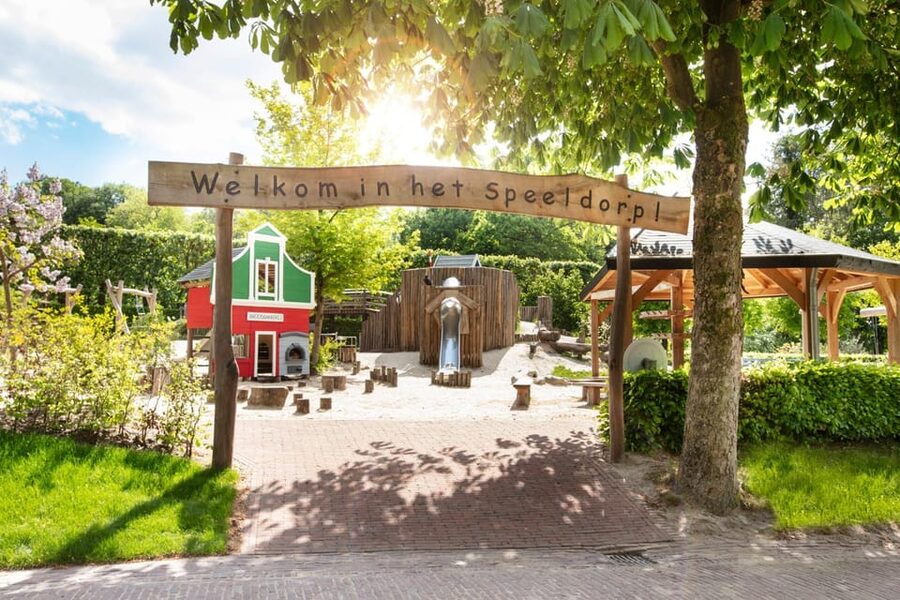
Arnhem’s Dutch Open Air Museum is not a standard museum with one building and a line of display cases. It is a large historical setting where buildings, streets, working trades, food, and transport help explain everyday Dutch life.
The collection covers more than 100 buildings, farms, windmills, and homes from across the Netherlands. That matters because Dutch history is not only about Amsterdam’s canals or famous paintings. It is also about farm work, household routines, local trades, village streets, and the practical ways people lived from one generation to the next.
You can walk from one setting to another and see how varied the country was. The experience is less about memorizing dates and more about noticing the details of ordinary life. A historic home can tell you about family routines. A farm can show the connection between food and work. A workshop can explain how an object was made before modern machinery changed the process.
I find this approach useful for first-time visitors. You get a broader picture of the Netherlands without needing to visit several separate towns or museums.
More Attraction Tickets in Gelderland
- Apeldoorn: Het Loo Palace Entry Ticket
★ 4.4 · 277 reviews - Kröller-Müller Museum Entrance Ticket
★ 4.4 · 241 reviews - Otterlo: De Hoge Veluwe National Park Entry Ticket
★ 4.5 · 97 reviews
Start with a plan for the 44-acre grounds
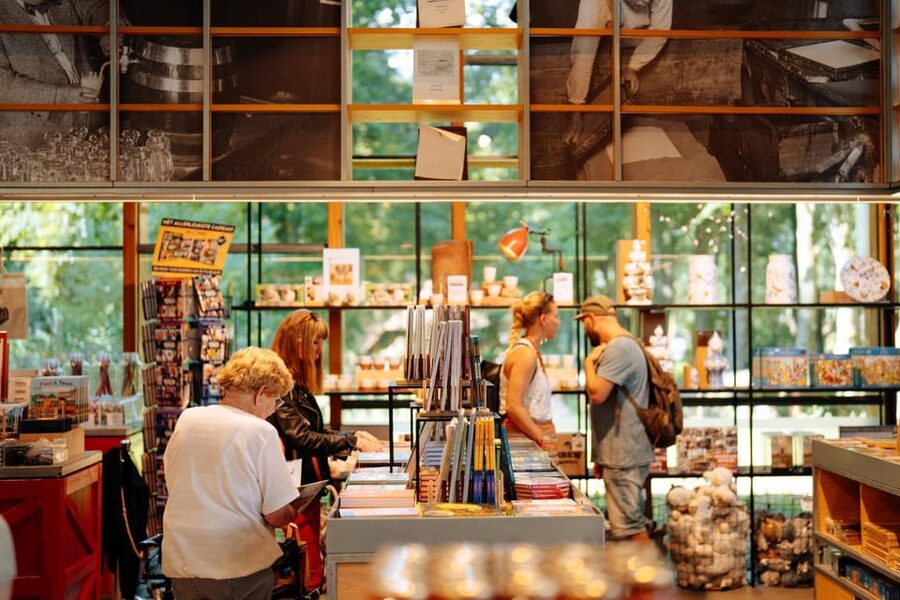
The museum’s size is both its strength and its main challenge. Forty-four acres gives the collection breathing room, but it also means you should not treat the visit like a one-hour indoor stop.
You can walk through the grounds, but the distance between areas makes planning worthwhile. The historic tram helps you cover more ground and gives your feet a break. I would use it early enough in the day to understand the layout, then return on foot to the buildings and demonstrations that interest you most.
Do not rush from one structure to the next simply to count buildings. The appeal is in stopping at a few places long enough to understand what they show. If you have children, allow extra time for pauses and changes of pace. If you are visiting mainly for architecture and history, choose fewer areas and read or watch the demonstrations carefully.
A full day is not required for everyone, but the ticket is valid for one day and the setting rewards a long visit. A short stay can still be worthwhile, though you should accept that you will only sample the museum.
Historic homes, farms, and windmills
The buildings are the heart of the visit. More than 100 historic structures create a picture of Dutch life across different places and periods. You are not simply looking at preserved objects. You are entering spaces designed to show how people lived and worked.
The homes give the museum its human scale. Instead of only hearing about social history, you can think about rooms, tools, household tasks, and the routines that shaped daily life. Farms add another side of the story, showing how work and home were closely linked.
Windmills bring an instantly recognizable Dutch image into the museum, but here they fit into a wider explanation of the country. You get a chance to see them as working parts of local life rather than as postcard scenery alone.
The museum brings these structures together from different parts of the Netherlands. That makes the visit especially useful if your trip does not include many smaller towns or rural areas. You can compare settings and get a sense of how local life varied around the country.
The drawback is that a large collection can feel selective rather than complete. No single visit will explain every period or region in equal detail. Think of it as a broad, walk-through introduction, with plenty of room to choose your own interests.
Traditional crafts you can watch
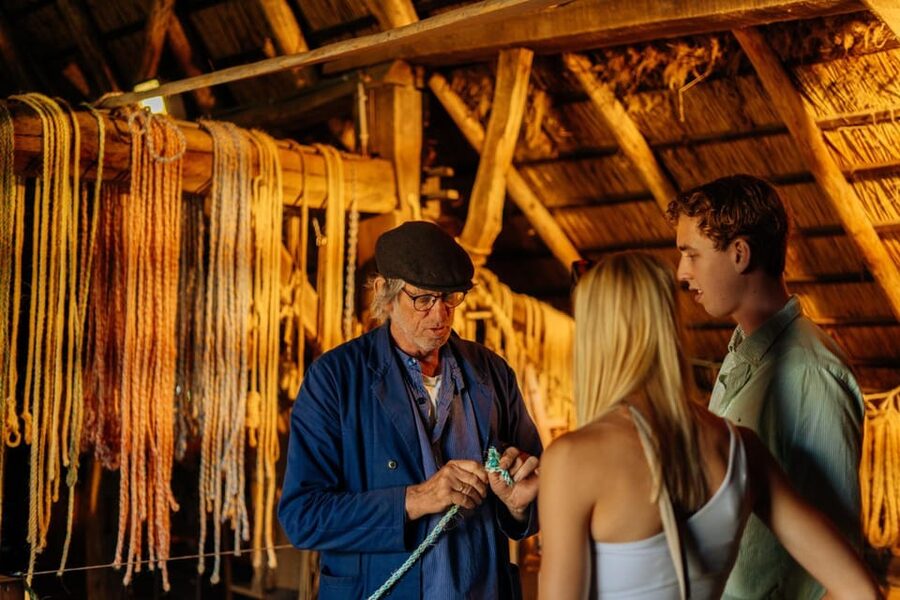
The working crafts add movement and sound to the historical displays. You may see craftspeople bringing traditional trades to life, which gives the old buildings a purpose beyond decoration.
This is one of the museum’s strongest features for families. A child may not want to read a long explanation about an old trade, but watching someone make or demonstrate something can make the idea easier to grasp. Adults benefit too, since the demonstrations connect tools, materials, and finished objects in a direct way.
The experience also helps explain how much skill everyday work once required. Objects that now seem simple could involve careful handwork and specialized knowledge. The museum turns that idea into something visible.
Optional workshops offer a more active version of this experience. They are not included with the entry ticket, so check the cost before signing up. If you want a quiet sightseeing day, you can skip them. If you prefer to learn by doing, the added expense may be worthwhile.
Because workshop details are not specified here, I would treat them as an optional extra rather than build your whole schedule around them.
More Museum Tickets in Gelderland:
- Oosterbeek: Airborne Museum Hartenstein Entry Ticket
★ 4.7 · 58 reviews - Garderen: Sandsculpture Exhibition Entry Ticket
★ 4.9 · 24 reviews - Amsterdam: Van Gogh Museum Ticket
★ 4.7 · 52,054 reviews - Moco Museum Amsterdam Entrance Tickets with Banksy & More
★ 4.4 · 10,088 reviews
Take the nostalgic tram
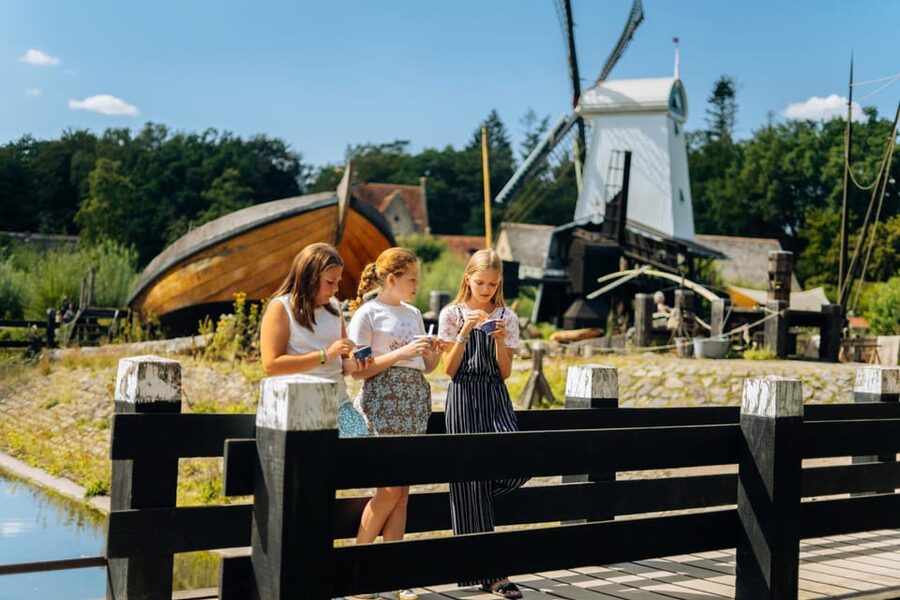
The historic tram is more than a pleasant extra. On a large site, it can help you manage your time and reduce the amount of walking between areas.
The ride also fits the museum’s purpose. It gives you a sense of older transport while carrying you through a collection built around earlier ways of life. The result is a better connection between the different parts of the grounds than you would get from walking past them all at speed.
I would use the tram to get oriented, then walk when you want to stop and explore. That way, you get both the practical benefit and the atmosphere.
The tram should not be treated as the whole attraction. It is one part of a much bigger visit, and the buildings and craft demonstrations deserve most of your attention. Still, it is particularly helpful if you have limited energy, are visiting with children, or want to save time for the Canon of the Netherlands.
The Canon of the Netherlands
The Canon of the Netherlands adds a more organized history lesson to the open-air setting. While the historic buildings focus on daily life, the Canon helps place Dutch events and themes into a wider national story.
This can be useful if you feel the museum’s many buildings are hard to connect. The grounds offer a lot to see, but a large collection can sometimes feel like a series of separate stops. A visit to the Canon gives you a clearer framework.
I would make time for it if you want more than architecture and atmosphere. It can also help children and first-time visitors understand how individual homes, farms, and crafts relate to the country as a whole.
The museum works best when you combine both approaches: walk through the physical settings, then use the broader historical material to connect what you have seen.
Food and the taste of everyday life
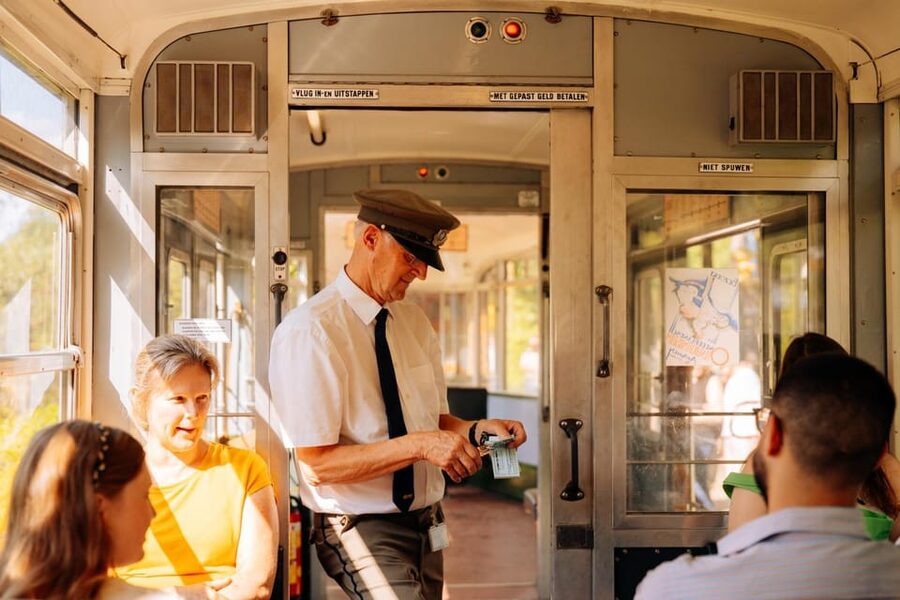
The experience includes the chance to taste Dutch specialties. Food is a useful way to understand history because it links national traditions with ordinary routines.
You may find that the food element is especially appealing after walking through the grounds. It gives you a break while keeping the focus on Dutch culture. It also adds a sensory detail that a building or text panel cannot provide on its own.
Specific dishes and dining arrangements are not given, so I would not plan the entire visit around a particular meal. Think of the food as part of the wider museum experience rather than a separate food tour.
Who will get the most from the ticket
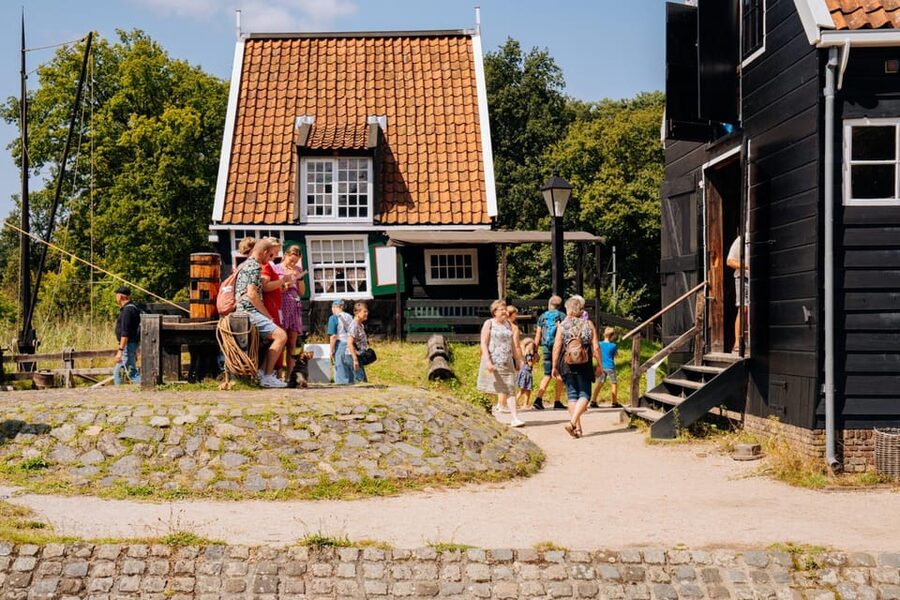
This is a good choice for families because the grounds provide space, the tram breaks up the walking, and the demonstrations offer something to watch. The museum also suits adults who want context for Dutch life beyond the major city sights.
Culture lovers will appreciate the range of buildings and the chance to see traditional work in action. The Canon of the Netherlands adds value for anyone who wants a stronger national history component.
I would be more cautious if your schedule is very tight. The museum is large, and the best value comes from spending several hours there. If you have only a little time in Arnhem, compare this with your other plans before booking.
The setting is wheelchair accessible, which makes the museum available to a wider range of visitors. Still, the grounds cover a large area, so you may want to plan around the tram and take the visit at a comfortable pace.
Is $22 a fair price?

At $22 per person, the ticket is reasonably priced for a full-day cultural attraction. You are paying for access to a large site, more than 100 buildings, historic transport, exhibitions, crafts, and the Canon of the Netherlands.
The value depends on how you use the day. If you arrive, take a quick look at a few buildings, and leave soon after, the price may feel high. If you explore several areas, ride the tram, watch demonstrations, and spend time with the exhibits, the cost becomes easier to justify.
Workshops are not included, so budget extra if a hands-on activity matters to you. The entry ticket itself gives you plenty to do without paying more, but workshop fees can change the shape of your visit.
Free cancellation up to 24 hours before the scheduled time adds useful flexibility. You can also reserve now and pay later, which helps if your itinerary is still changing.
Practical details for your visit
The museum is open all year and can be reached by car or public transport. English and Dutch support is available, and the host or greeter service is offered in those two languages.
The ticket is valid for one day. Check the available starting times when you book, since the exact time options are not listed here.
Wear comfortable shoes. This is a large outdoor setting, and you will get more from it if you can walk between buildings without hurrying. The tram helps, but it does not replace exploring on foot.
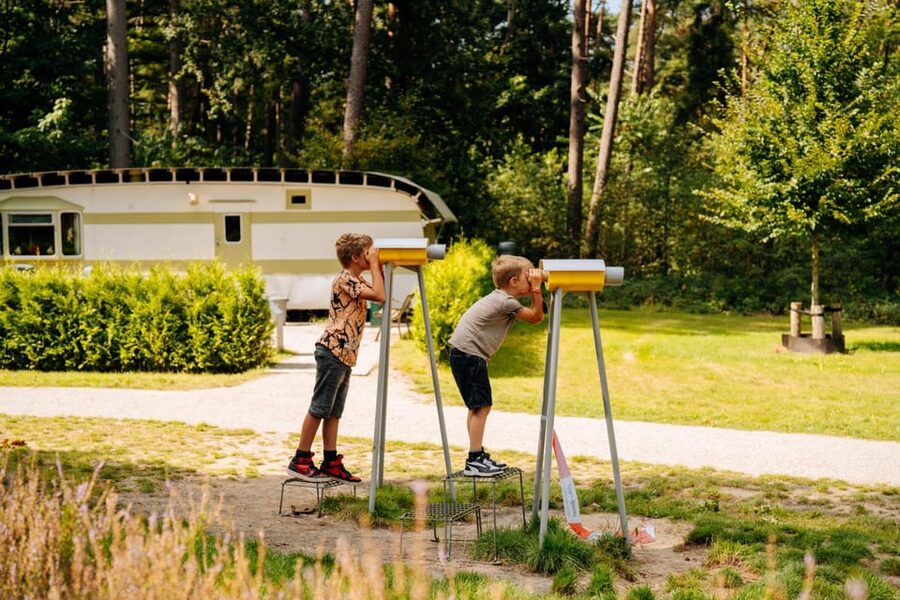
If you are visiting with children, keep the plan loose. Pick a few must-see areas, then allow time for crafts, food, the tram, and unexpected stops. Adults may prefer a more focused route built around the Canon, homes, farms, or windmills.
Should you book the Dutch Open Air Museum?
Book it if you want a full, physical look at Dutch life beyond the usual city highlights. The combination of historic buildings, working crafts, a tram ride, food, and national history gives you more variety than a standard museum visit.
I especially recommend it for families, culture lovers, and anyone with at least several hours in Arnhem. The $22 ticket offers good value when you use the grounds as a day-long visit.
Skip it if your schedule allows only a very brief stop, or if you prefer compact museums that can be seen in one steady circuit. The size is part of the appeal, but it also demands time.
FAQ
Where is the Dutch Open Air Museum located?
The museum is in Arnhem, in Gelderland, Netherlands.
How long is the ticket valid?
The entry ticket is valid for one day.
How much does entry cost?
The listed price is $22 per person.
What does the ticket include?
The ticket includes entry to the Netherlands Open Air Museum.
Is the historic tram ride included?
The experience includes access to a historic tram ride as part of the museum visit.
Are workshops included in the ticket?
No. Workshops are not included.
What can I see at the museum?
You can see more than 100 historic buildings, farms, windmills, workshops, and homes that depict Dutch history and daily life.
Can I visit the Canon of the Netherlands?
Yes. The Canon of the Netherlands is one of the museum’s attractions.
Is the museum wheelchair accessible?
Yes. The activity is listed as wheelchair accessible.
Can I cancel my booking?
Yes. You can cancel up to 24 hours in advance for a full refund. You can also reserve now and pay later.
Just added around Gelderland
- Otterlo: De Hoge Veluwe National Park Entry & E-bike★ 4.5 · 4 reviews
- Otterlo: E-chopper rental★ 4.5 · 4 reviews
- Appeltern: Flower Park Appeltern Entry Ticket★ 4.3 · 3 reviews
- 2,5 hour Battle of Arnhem Tour with Private Guide★ 5.0 · 16 reviews
- e-Scavenger hunt Arnhem: Explore the city at your own pace★ 4.0 · 19 reviews
- 2 hour Private E-Chopper Tour in Nijmegen★ 4.5 · 25 reviews
- Discover Nijmegen with an Outside Escape city game tour!★ 4.5 · 19 reviews
- e-Scavenger hunt Nijmegen: Explore the city at your own pace★ 4.5 · 25 reviews
Museums, compared.

Moco Museum Amsterdam Entrance Tickets with Banksy & More
Read our review →


Amsterdam’s Weirdest Museum: Believe It or Not!
Read our review →
Browse the lists this tour appears in