
Reviewed · MUSEUMS
Amsterdam: Once Upon a Time Clock Exhibition Ticket
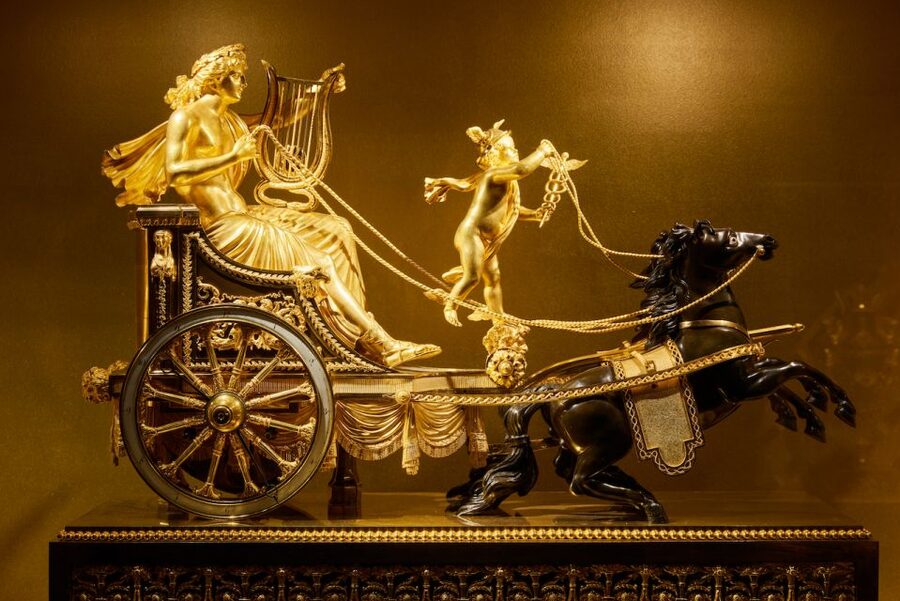
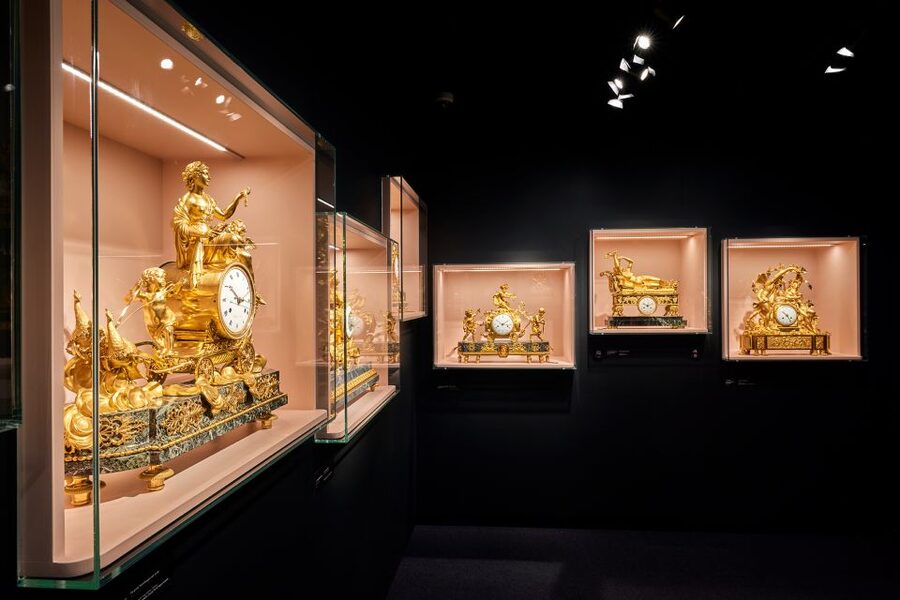
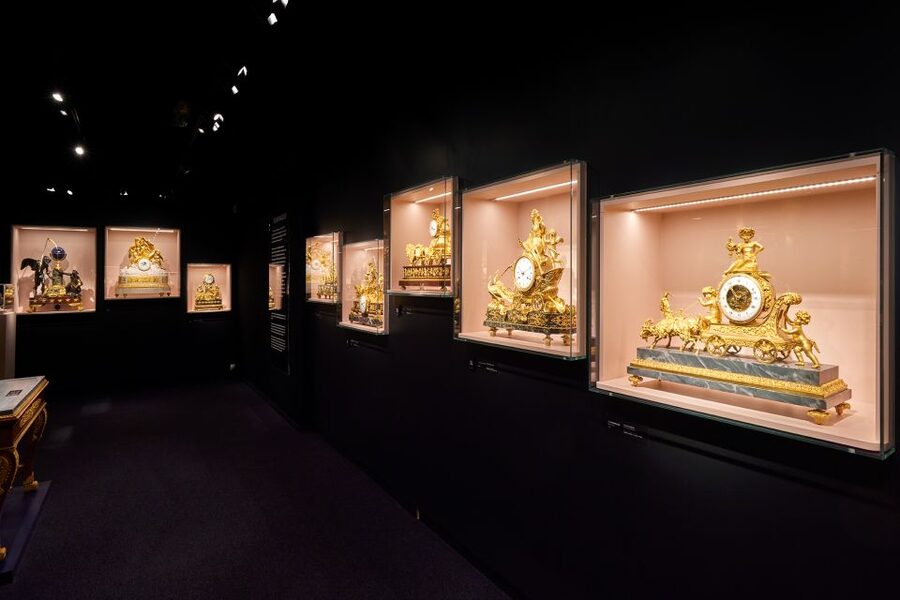
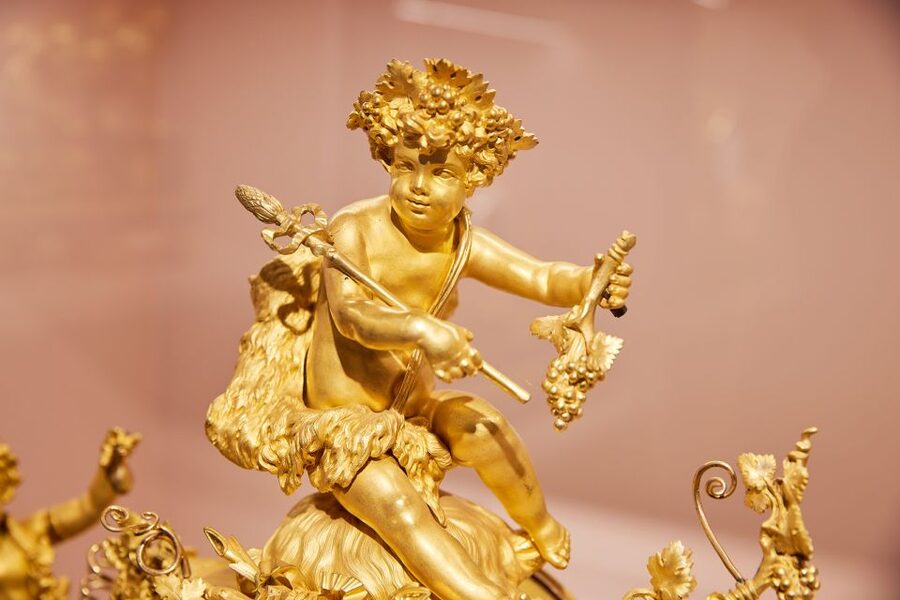
The Once Upon a Time exhibition turns timekeeping into theater. Inside Museumplein, you’ll see shining gilded-bronze clocks made by 19th-century French clockmakers, with cases that show fairy tales, ancient stories, animals, and scenes of rare beauty.
I like two things right away: the collection gives you more than a row of clocks, and the audio guide helps explain what each piece is trying to show. I also like the setting, since you can finish with a drink and a view across Amsterdam’s famous square.
The main drawback is practical. The entrance is between the Moco Museum and the Van Gogh Museum, but one visitor could not find it. The exhibition is also not suitable for wheelchair users or people with mobility impairments, so check access before booking.
Key points to know before you go
- Gilded-bronze clocks become works of art: These are decorative timepieces made to tell stories as well as time.
- French craftsmanship takes center stage: The exhibition focuses on brilliant clockmakers from 19th-century France.
- An audio guide adds useful context: Dutch, English, French, and German commentary is included with admission.
- Museumplein gives you an easy pairing: You can visit the exhibition alongside the Moco Museum or Van Gogh Museum.
- The café gives the visit a calm finish: Food and drinks cost extra, but the café has views over the square.
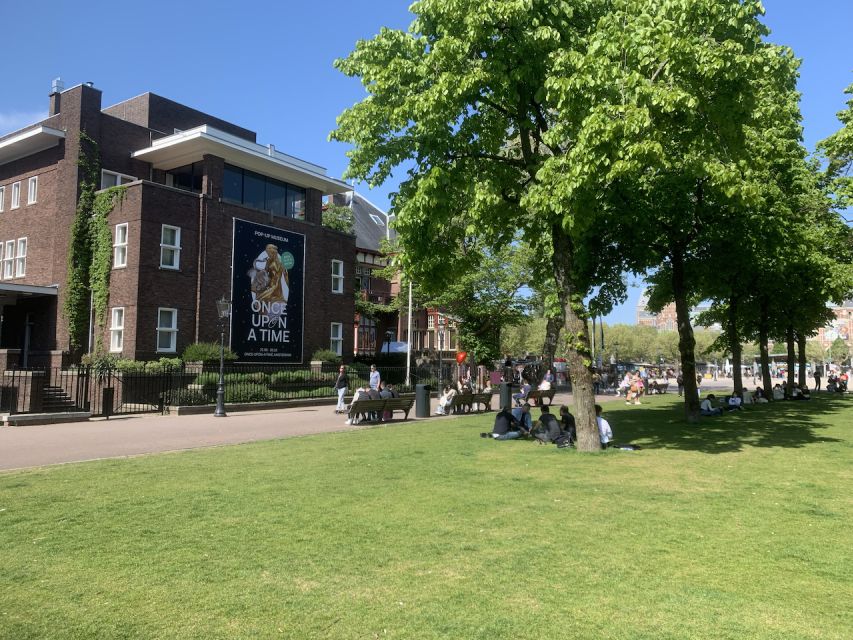
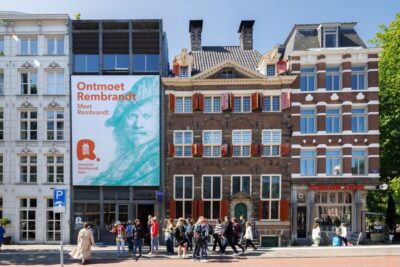
- Finding the entrance matters: Look for the building with the Once Upon a Time banner, between the Moco Museum and Van Gogh Museum.
A small exhibition with a theatrical idea
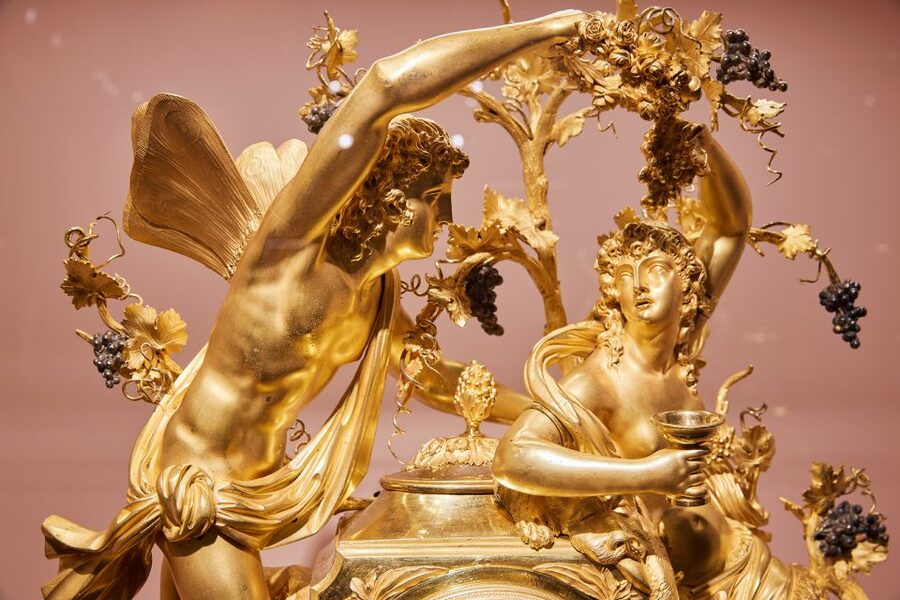
Many clock exhibitions can feel technical. You look at gears, cases, and hands, then move on. Once Upon a Time takes a different route. It presents clocks as small stages, where sculpted figures, animals, and decorative scenes give the object a story.
That idea makes the collection easier to enjoy if you are not a clock enthusiast. You do not need to know the difference between complicated movements or specialist styles to appreciate the main point: these objects were built to catch the eye. Their gilded-bronze surfaces shine, while the cases carry scenes drawn from antiquity, fairy tales, and the animal world.
I would think of this as an art exhibition with clocks at its center, not as a traditional museum about timekeeping. You come for the craft, the gold-toned display, and the stories shown in the cases. The fact that the clocks also measure time is almost secondary.
The exhibition is located in Amsterdam’s Museumplein, one of the city’s best-known museum areas. That makes it easy to combine with other attractions, but it also means you should pay close attention to the exact meeting point. The building is between the Moco Museum and the Van Gogh Museum, and the Once Upon a Time banner is your main sign.
More Attraction Tickets in Amsterdam
- Amsterdam: Van Gogh Museum Ticket
★ 4.7 · 52,054 reviews - Amsterdam: Heineken Experience Ticket
★ 4.6 · 30,055 reviews - Amsterdam: Rijksmuseum Entry Ticket
★ 4.7 · 25,535 reviews
Finding the entrance at Museumplein
The starting point is simple in theory: go to Museumplein and look for the building with the Once Upon a Time banner. In practice, the area has several major museums and a steady flow of people, so the entrance may not be obvious at first glance.
I would not rely on the general idea that the exhibition is somewhere near the Van Gogh Museum. Use the banner and the position between the Moco Museum and Van Gogh Museum as your guide. One visitor gave the entire experience the lowest rating because they could not find the place. That is a small piece of feedback, but it gives you an important tip: allow a few extra minutes to get your bearings.
There is no listed transfer or guided walk from another part of Amsterdam. You make your own way to the meeting point, then return there when the visit ends. The activity is valid for one day, with starting times shown when you check availability.
The location is useful for a museum day. You can plan this exhibition around the larger museums nearby, or use it as a shorter indoor stop between other Museumplein activities. The information provided does not specify the size of the exhibition, so I would avoid planning your entire day around a long visit. Think of it as a focused collection that can fit neatly into a wider Amsterdam itinerary.
What you see inside the clock collection
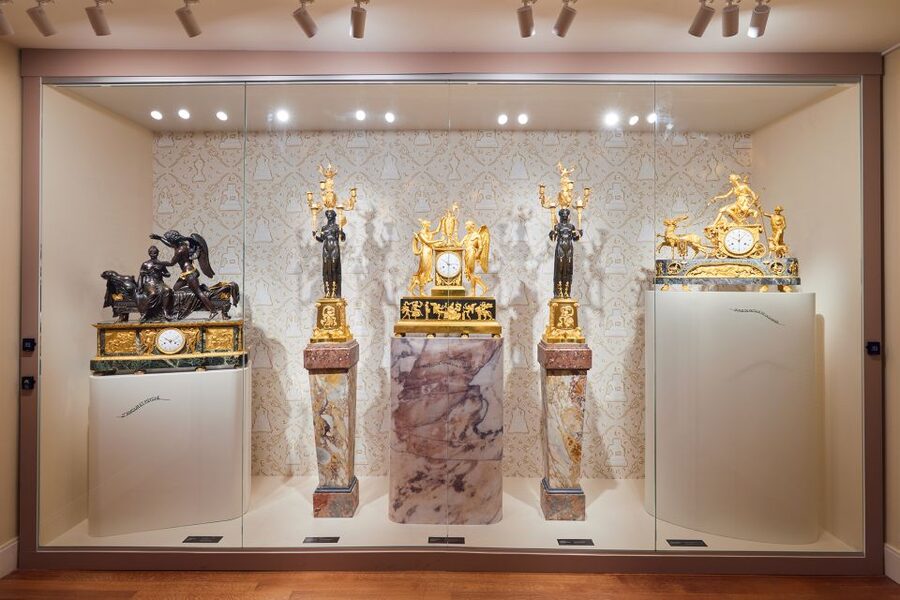
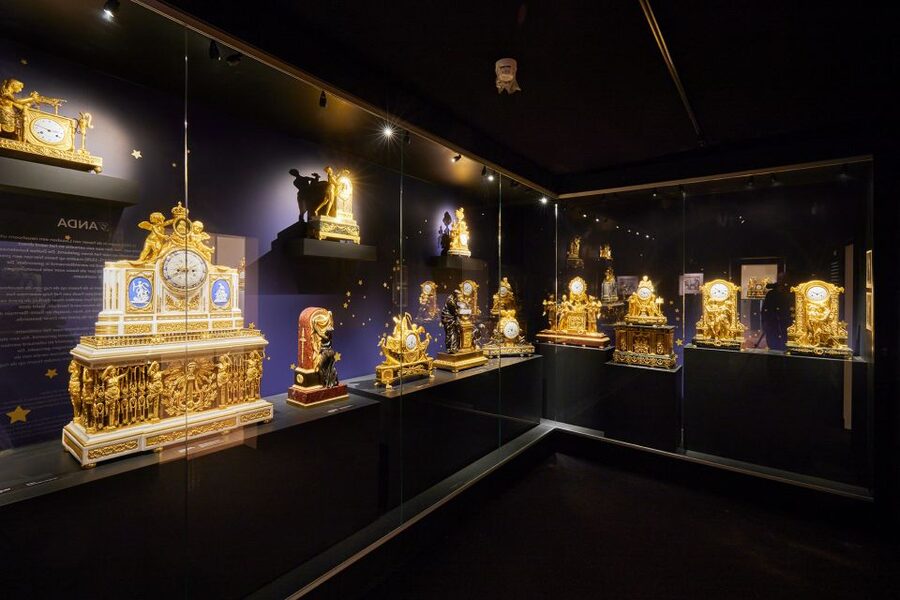
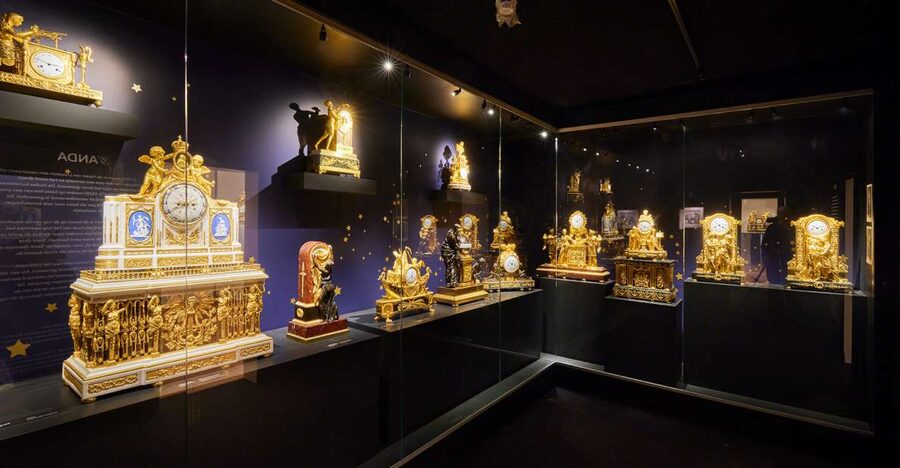
Once inside, you walk through rooms filled with finely made clocks. The key visual feature is the gilded bronze. Gold-colored surfaces catch the light and give the collection a formal, almost royal feel.
The cases are not plain boxes around mechanical objects. They depict tales of antiquity, rare animals, and scenes with a broad, almost storybook appeal. Look closely at the figures and decoration rather than only checking the clock face. The artwork around the timepiece is where much of the exhibition’s character lies.
The French makers of the 19th century were working in a period when clocks could serve as status objects as much as household tools. The description of the exhibition places strong emphasis on their craftsmanship, and that is the best way to approach what you see. Notice the care given to the figures, the surfaces, and the overall balance of each piece.
You might find that some clocks appeal to you more for their sculpture than for their mechanism. That is perfectly fine. The collection is designed to be looked at, and the audio guide helps connect the visual details to the stories represented.
Because the exhibition includes several displays, you can take your time rather than rush from one object to the next. There is no stated fixed tour length, so your pace is your own. If you enjoy decorative arts, you may want to pause for details. If you are visiting with someone who has little interest in clocks, the storytelling and unusual animal scenes may help keep the visit moving.
Why the audio guide matters
The ticket includes an audio guide in Dutch, English, French, or German. That is important here because the clocks are decorative and their meaning may not always be obvious from a quick look.
Use the guide to learn what the scenes represent and how the makers approached their work. Without that context, you can still admire the gold finish and craftsmanship, but some of the stories could pass by as general decoration. The audio adds a layer of interpretation without requiring a scheduled group tour.
The listed host or greeter languages are Dutch and English. The audio guide offers the wider choice of Dutch, English, French, and German. If you prefer listening to reading, or if you want more explanation than a label can provide, this inclusion adds real value to the ticket.
I would treat the audio guide as part of the main experience, not an optional extra. Start with a full look at each clock before listening. Then return your attention to the figures, animals, and decorative details mentioned in the commentary. That simple habit turns the visit from a quick glance at shiny objects into a closer look at how the story and the timepiece work together.
More Museum Tickets in Amsterdam
- Moco Museum Amsterdam Entrance Tickets with Banksy & More
★ 4.4 · 10,088 reviews - Amsterdam: The Upside Down Museum Entrance Ticket
★ 4.4 · 9,506 reviews - Amsterdam: Red Light Secrets Museum Entry Ticket
★ 4.2 · 5,722 reviews - Amsterdam’s Weirdest Museum: Believe It or Not!
★ 4.5 · 4,086 reviews
A good Museumplein pause at the café
After the gallery, you can use the museum café. Food and drinks are not included, so budget separately for a hot drink or snack. The café’s main benefit is the view over Museumplein.
That view gives the exhibition a pleasant ending. Instead of stepping straight back into the busy museum district, you can sit down and think about what you have seen. A café stop also helps if you are pairing this visit with a larger museum day and want a short rest without leaving the square.
I would not book the ticket because of the café alone. Its value comes from the combination of a compact art visit and a place to pause afterward. If you are already planning time around Museumplein, this makes the exhibition easier to fit into your day.
Is $19 a fair price?
At $19 per person, the ticket is not the cheapest short museum stop in Amsterdam. Its value depends on your interest in decorative art, clockmaking, and unusual historical objects.
The price includes admission and the audio guide, so you are not paying extra for the basic explanation of the collection. You also get access to the café, although anything you order there costs more. For someone who wants a focused indoor visit near the Van Gogh Museum and Moco Museum, the cost can make sense.
The value is weaker if you expect a large, traditional museum with many galleries or a full-day attraction. The available information does not give a precise visit length or the number of clocks on display. I would therefore compare it with the kind of stop you want: this is a specialized collection, not a broad survey of Amsterdam art.
A useful way to judge the ticket is to ask yourself three questions:
- Do gilded decorative objects interest you?
- Will you listen to the audio guide rather than rush through?
- Do you already plan to be at Museumplein?
If you answer yes to all three, $19 is easier to justify. If your priority is only Amsterdam’s major art museums, you may prefer to spend your time and budget elsewhere.
Who will enjoy this experience most?
I would recommend Once Upon a Time to people who like decorative arts, old craftsmanship, sculpture, and objects with a strong visual story. You do not need specialist knowledge about clocks. Curiosity is enough, especially since the audio guide explains the collection.
It can also suit couples or families looking for a shorter museum stop with something different from paintings. The scenes of animals, antiquity, and fairy tales give the display a wider appeal than a purely mechanical collection.
The experience may be less satisfying if you want a large interactive attraction, a live guide, or a detailed lesson in clock mechanics. The host or greeter speaks Dutch or English, but the main interpretation comes through the audio guide. You should also avoid booking if you use a wheelchair or have a mobility impairment, since the activity is specifically described as unsuitable for those needs.
The one very poor rating came from someone who could not find the place, while another rating called the experience excellent. The small number of ratings means I would not treat the average score of 3.4 as a final verdict. Instead, I would focus on the clear practical issue: find the correct bannered building before your starting time.
Booking flexibility and timing
The activity is valid for one day, and you select from available starting times. The booking terms allow you to cancel up to 24 hours before the visit for a full refund. You can also reserve now and pay later, which helps if your Amsterdam schedule is still changing.
That flexibility is useful in a city where weather, museum reservations, and long queues can alter your plans. Still, give yourself enough time to locate the entrance between the two larger museums. A flexible reservation does not remove the need to arrive prepared.
There is no stated fixed duration, so do not assume the ticket covers a full morning or afternoon. Plan it as a self-guided visit, then add time for the café if you want a slower finish. The exhibition ends back at the same meeting point.
Should you book Once Upon a Time?
Book it if you want a compact, distinctive stop at Museumplein and you enjoy clocks as art objects. The gilded-bronze cases, French craftsmanship, story scenes, and included audio guide give the visit a clear focus. The café and nearby museums make it easy to add to an existing day.
Skip it if you need wheelchair access, prefer a live guide, or want a large museum with hours of material. Also take the entrance seriously. Look for the Once Upon a Time banner between the Moco Museum and Van Gogh Museum, and allow time to find it.
For the right visitor, $19 buys a pleasant change of pace from Amsterdam’s major painting collections. You will not get a broad museum experience, but you will see timepieces designed to tell stories as carefully as they tell time.
FAQ
Where is the Once Upon a Time exhibition?
It is in Amsterdam’s Museumplein area, in the building with the Once Upon a Time banner between the Moco Museum and the Van Gogh Museum.
What does the ticket include?
The ticket includes entry to the Once Upon a Time exhibition, an audio guide, and access to the museum café.
Is food included in the ticket?
No. Food and drinks at the café cost extra.
Which languages are available for the audio guide?
The audio guide is available in Dutch, English, French, and German.
Which languages are spoken by the host or greeter?
The host or greeter languages are Dutch and English.
How long is the ticket valid?
The activity is valid for one day. Starting times depend on availability when you book.
Can I cancel the booking?
Yes. You can cancel up to 24 hours in advance for a full refund.
Can I reserve now and pay later?
Yes. The activity allows you to reserve your spot and pay later.
Is the exhibition wheelchair accessible?
No. The activity is listed as unsuitable for wheelchair users and people with mobility impairments.
Just added around Amsterdam
- Private sightseeing tour to Bruges and chocolate from Amsterdam★ 5.0 · 11 reviews
- Amsterdam: Rijksmuseum (Private Tour & Priority Access)★ 5.0 · 27 reviews
- Amsterdam: Private Romantic Evening Canal Cruise + Bubbles/Snacks★ 5.0 · 46 reviews
- Amsterdam Private Shopping Experience★ 5.0 · 7 reviews
- Rijksmuseum Amsterdam Private Guided Tour★ 5.0 · 57 reviews
- Amsterdam Rijksmuseum PRIVATE TOUR with a Local Private Guide★ 5.0 · 159 reviews
- Private Photo Session in Amsterdam★ 5.0 · 15 reviews
- Private One way Transfer Amsterdam Airport to Amsterdam★ 3.5 · 42 reviews
Museums, compared.
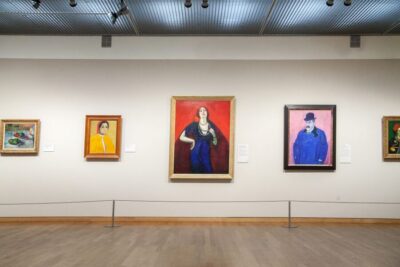
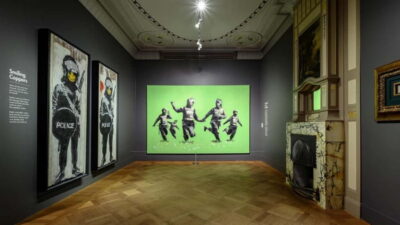
Moco Museum Amsterdam Entrance Tickets with Banksy & More
Read our review →


Amsterdam’s Weirdest Museum: Believe It or Not!
Read our review →

Browse the lists this tour appears in