Reviewed · AMSTERDAM TOURS
Amsterdam: Make your cheese next to De Hallen
Making cheese from two ordinary cartons of supermarket milk is the clever heart of this Amsterdam workshop. At De Kaasserie, near De Hallen, you learn both acid and rennet coagulation, then turn each method into a fresh cheese you can take home.
I like the small group of no more than 10 and the clear, hands-on format. I also like that the lesson does not stop at tasting: you leave with rennet, calcium, a cheese cloth, and recipes so you can keep working at home. The main consideration is the $135 price, which is a serious outlay for three hours and two fresh cheeses.
Key points to know before you book
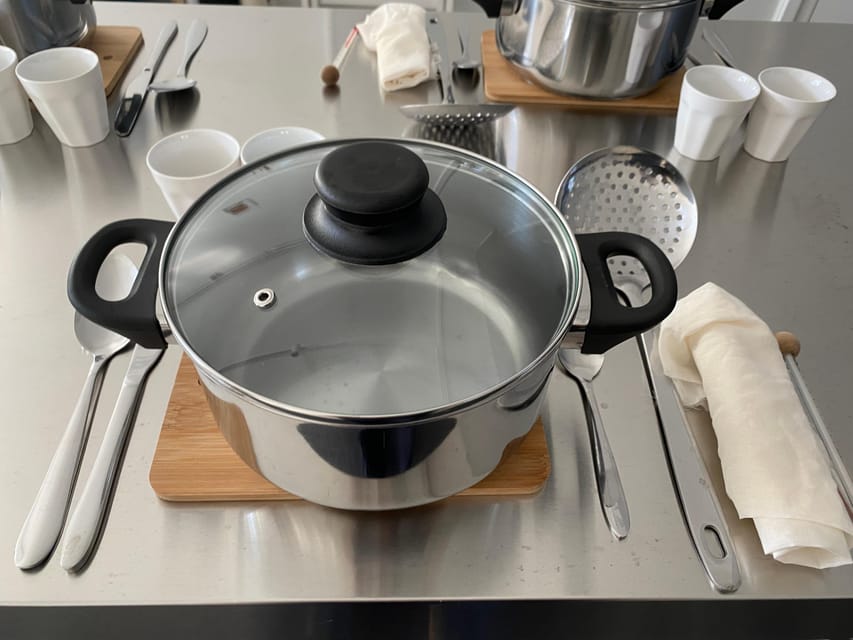
- Two cartons, two methods: You use one liter of supermarket milk for an acid-coagulated cheese and another liter for a rennet-coagulated cheese.
- Paula leads the session: The workshop begins with a short presentation and introductions before the practical work starts.
- A first step toward aged cheese: Rennet is the method used for aged cheese, so this class gives you a useful foundation for more advanced recipes.
- You can season your own batch: Herbs and spices are available for personal experiments.
- Take-home supplies are included: Your package includes two cheeses, a cheese cloth, rennet, calcium, and recipes sent by email.
- Plan around the restrictions: The class is for ages 16 to 95 and is not suitable for people with lactose intolerance.
Starting at De Kaasserie near De Hallen
This experience begins at De Kaasserie, close to De Hallen in Amsterdam. The exact meeting point can vary with the option you book, so check your confirmation rather than relying only on the general area.
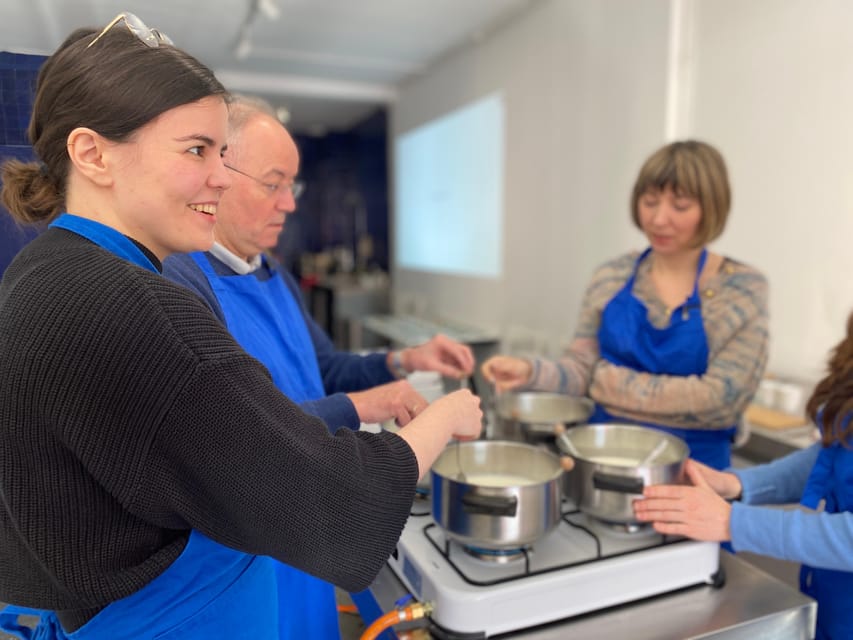
The first part is a short presentation about De Kaasserie and the workshop. You also introduce yourself to the group. That simple opening matters in a practical class: you learn who is at your table, what the session will cover, and how the three hours will be used.
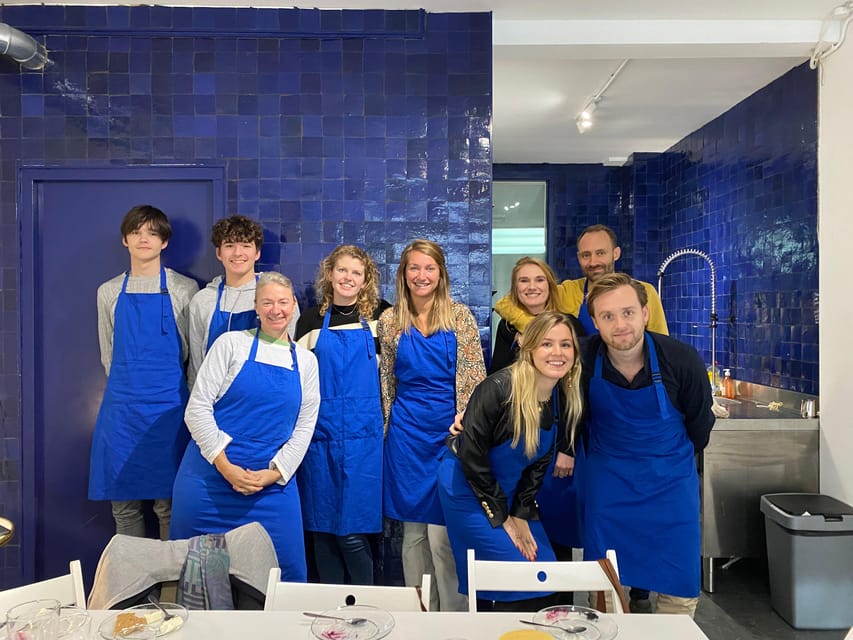
Paula leads the workshop, and the available teaching languages are English, Spanish, French, and Dutch. One recent session included a group of the right size for the work, with everyone able to take part in the introductions and cheese making. With a maximum of 10 people, this should feel more like a class than a large demonstration.
The setting is near De Hallen, making this easy to pair with time in that part of Amsterdam. Still, the cheese session itself is the main event. Do not book it expecting a broad neighborhood tour or a food crawl. You are there to learn a craft at a measured pace.
A few more Amsterdam half-days worth comparing
- Amsterdam: Van Gogh Museum Ticket
★ 4.7 · 52,054 reviews - Amsterdam Classic Saloon Boat Cruise with Drinks and Cheese
★ 5.0 · 31,825 reviews - Amsterdam Luxury Canal Cruise + Unlimited Drinks & Bites option
★ 5.0 · 30,518 reviews
Understanding acid and rennet coagulation
The most useful lesson is the difference between the two ways milk can form curds. You learn the basic principles of acid coagulation and rennet coagulation, then use each method yourself.
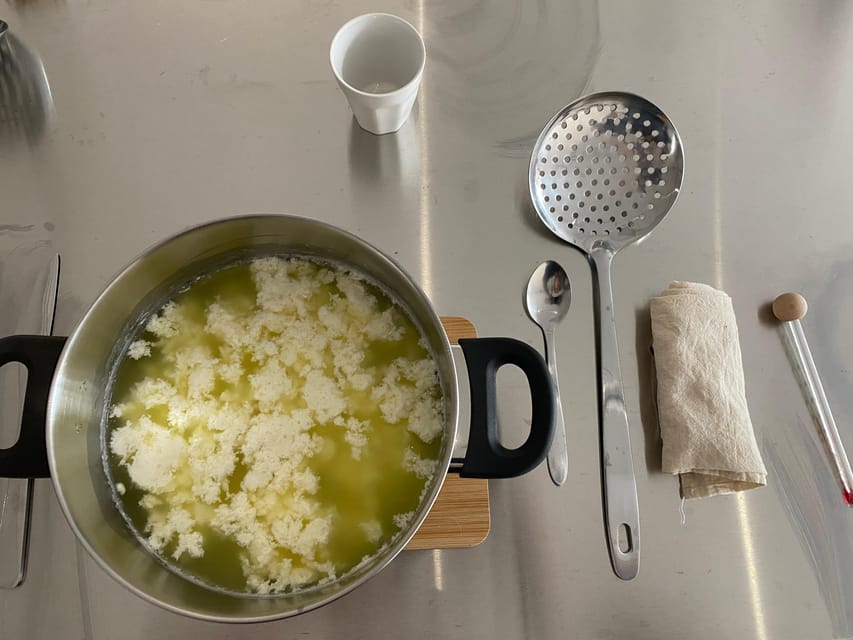
For the first cheese, you work with one liter of supermarket milk and the acid method. For the second, you use another liter and rennet. This makes the science easy to grasp because the comparison happens during one class, with the same basic ingredient and two different processes.
The class focuses on fresh cheeses. That is important when setting expectations. You are not leaving with a mature wheel of farmhouse cheese that has spent weeks or months aging. You are learning the first practical steps and tasting cheeses that can be made within the workshop format.
Rennet deserves special attention. It is the method used in aged cheese production, so learning it with a fresh cheese gives you a starting point for longer recipes at home. The workshop does not turn you into an expert cheesemaker in three hours, but it gives you a working idea of how the method begins and what you might try next.
I like this approach because it keeps the lesson useful. You are not only told how cheese works. You make one cheese with each method and can compare the results.
Turning two liters of milk into two cheeses
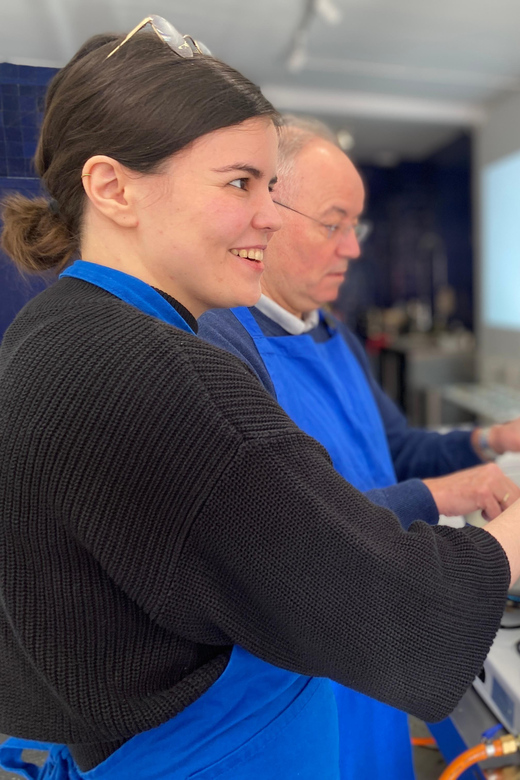
The hands-on part begins with two one-liter portions of supermarket milk. One carton becomes an acid-coagulated cheese, and the other becomes a rennet-coagulated cheese. The result is two pieces of fresh cheese.
You also get to experiment with herbs and spices. This gives the class a personal element without making the process too complicated. You can think about the flavor you prefer and see how a plain fresh cheese changes when you add seasoning.
The activity is well suited to people who enjoy making things with their hands. You measure, follow the method, and watch the milk change. The basic materials are not exotic, which is part of the appeal. You can see that cheesemaking is not limited to specialist farms or professional kitchens.
At the same time, you should be comfortable with a little uncertainty. A craft class is not the same as buying a finished product. Your cheese may reflect how you season it and how closely you follow the process. That is the point, but it also means the workshop is better for curious learners than for anyone seeking a polished tasting alone.
The two cheeses are yours to take home. The class also provides a cheese cloth, rennet, calcium, and recipes by email. Those extras make the session more useful after you leave, especially if you want to repeat the process instead of treating the activity as a one-time novelty.
Tasting fresh and pressed homemade cheeses
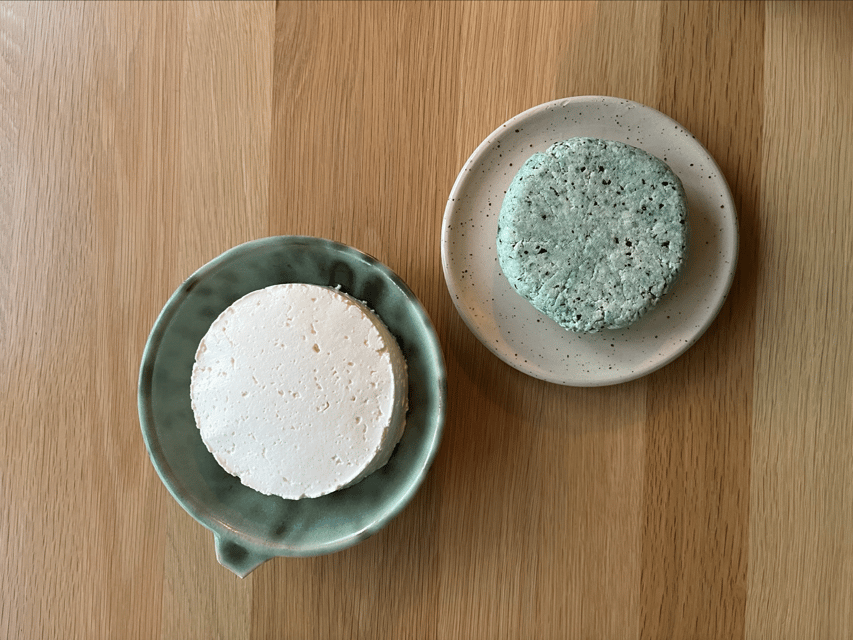
Once your own cheeses are ready, the group finishes with a tasting of homemade cheeses. The tasting includes fresh and pressed varieties, giving you a chance to compare styles beyond the two cheeses you make during the session.
This part helps connect the simple classroom process with the wider world of cheese. You can taste how texture and preparation differ, then think about what you would like to attempt at home.
The tasting is included, but coffee and alcoholic drinks are not. Tea is included with the introduction to De Kaasserie. If you want a coffee or a drink, plan to buy it separately, but do not assume it is part of the workshop.
The tasting also gives the class a pleasant finish. You have spent time learning the process, and then you get to sit down with finished cheese. It is a practical reward rather than a long formal tasting session.
Same base, a completely different sort of day:
- Amsterdam: Heineken Experience Ticket
★ 4.6 · 30,055 reviews - Amsterdam: Rijksmuseum Entry Ticket
★ 4.7 · 25,535 reviews - Amsterdam: Classic Boat Cruise with Optional Cheese & Wine
★ 4.6 · 22,925 reviews - Amsterdam: Evening Cruise with Optional Wine and Snacks
★ 4.4 · 19,696 reviews
What the three hours feel like
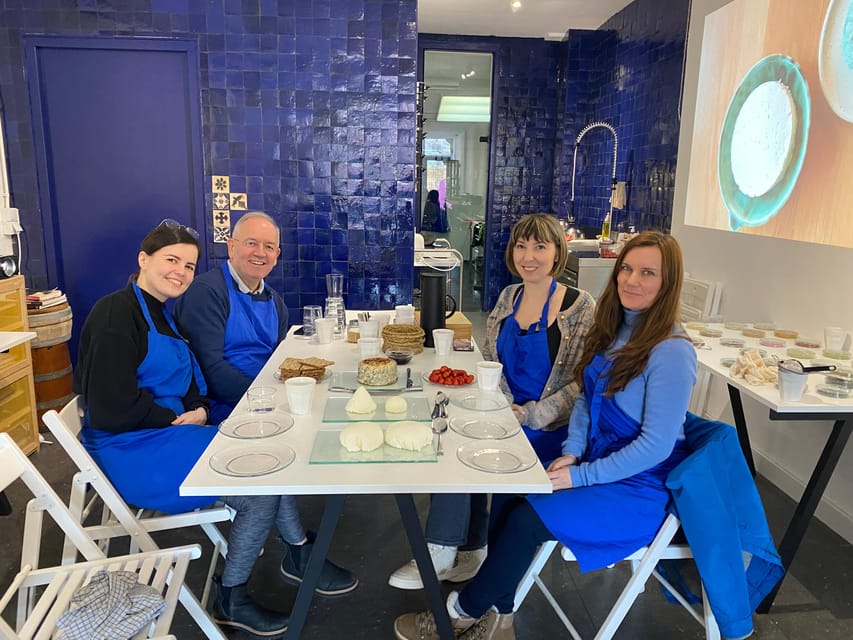
The full activity lasts three hours. That is enough time for an introduction, the two cheesemaking methods, seasoning experiments, and the final tasting.
The schedule has a good balance between explanation and doing. The opening presentation gives you the basic terms, but most of the value comes from using the methods yourself. If you prefer a fast attraction with constant movement, this may feel slow. If you want to understand a process and repeat it later, the pace makes sense.
A small group is especially useful here. With no more than 10 participants, you have a better chance to follow the demonstration and ask about your own batch. One recent participant specifically appreciated the short slide presentation, group introductions, and the manageable group size.
Teaching is available in English, Spanish, French, and Dutch. That makes the class accessible to a wider range of visitors, though you should select the language you need when booking.
Is $135 a fair price?
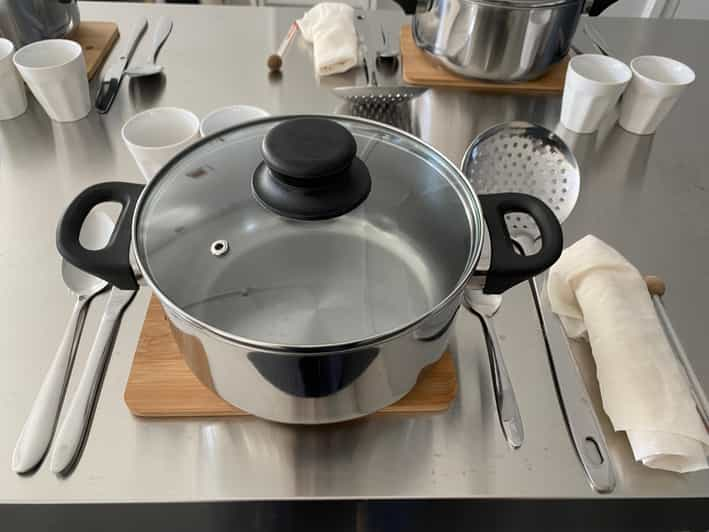
At $135 per person, this is not a budget food activity. The price needs to be judged against what you receive: three hours of instruction, two cheese-making projects, a homemade cheese tasting, tea, the ingredients used in the workshop, two cheeses to take home, a cheese cloth, rennet, calcium, and recipes by email.
If you value a class you can continue at home, the package has a stronger case. Rennet and calcium are not just souvenirs. They let you repeat the method, and the recipes give you a reference after the details of the lesson begin to fade.
If you are mainly looking for a quick tasting near De Hallen, the cost may feel high. You could find less expensive ways to eat cheese in Amsterdam. This class earns its price through instruction and participation, not through the amount of cheese placed in front of you.
I would see it as a craft workshop with food at the center, rather than a meal or a standard tasting. The right comparison is another small-group class, not a cheese shop visit.
Who will enjoy this class most?
I would recommend it to adults and older teenagers who like food, practical skills, and small group activities. It is a good choice if you want something more active than sightseeing and prefer to return home with a new project to try.
It also suits people who already enjoy cooking. The recipes and take-home supplies give you a reason to continue, and the rennet method can lead toward more advanced aged cheeses.
This may not be right for you if you have lactose intolerance. It is also not suitable for children under 16 or people over 95, according to the stated restrictions.
You should also consider your interest level. The class is not designed only for professional cooks. Beginners are welcome in spirit, but you need to be willing to listen, follow a process, and accept that homemade cheese is part lesson and part experiment.
What recent sessions tell you about the teaching
The clearest praise goes to Paula, who led the workshop in the reported sessions. One participant described her as personable and said she explained the subject well, while another called the session one of their best cheese-making experiences.
The comments also point to the teaching structure. You begin with a short slide presentation, introduce yourself, and then make two cheeses. That sequence gives the class a clear shape and helps prevent the opening explanation from becoming too technical.
A German participant summed up the experience simply as a great experience. The limited number of comments means you should not treat the perfect rating as a guarantee for every group, but the same themes appear across the feedback: Paula, the manageable group size, and the fun of making two kinds of cheese.
For me, the most useful sign is that the praise focuses on the activity itself, not just the setting. People enjoyed learning and making the cheese. That is what you should book this for.
Practical booking advice for Amsterdam
The activity offers free cancellation up to 24 hours before the start time, and you can reserve now and pay later. Starting times depend on availability, so check the schedule before building the rest of your day around De Hallen.
Give yourself enough time to reach the meeting point. The general location is near De Hallen, but the exact point may vary by the option booked. Bring your booking details and wear clothes you do not mind using during a hands-on food class, although no specific clothing requirement is provided.
The class is offered in English, Spanish, French, and Dutch. Confirm your preferred language when you make the reservation.
Your cheeses are part of the take-home package. Since the workshop produces fresh cheeses, think about how you will carry them after class and avoid planning a long, warm detour before returning to your accommodation. The activity details do not state special transport or storage arrangements, so asking the provider if you have a long day planned afterward is sensible.
Should you book De Kaasserie?
Book this experience if you want to learn a real food craft, work in a small group, and leave with the equipment and recipes to keep going. The comparison between acid and rennet coagulation is especially useful, and the rennet lesson gives you a first step toward making aged cheese later.
Skip it if you only want a low-cost tasting, do not eat dairy, or prefer a fully polished culinary show with no practical work. At $135, the value depends on your interest in making cheese again at home.
For the right person, this is a memorable Amsterdam activity because the souvenir is not only the cheese. It is the ability to try the process yourself after the city break is over.
FAQ
Where does the cheese-making workshop take place?
The workshop takes place at De Kaasserie near De Hallen in Amsterdam. The exact meeting point may vary depending on the option booked, so check the booking details.
How long does the activity last?
The workshop lasts three hours.
How many people are in the group?
The activity is limited to 10 participants.
Which languages does the instructor speak?
Instruction is available in English, Spanish, French, and Dutch.
What kinds of cheese will I make?
You will make two fresh cheeses. One uses acid coagulation and the other uses rennet coagulation.
What can I take home?
You take home your two cheeses, a cheese cloth, rennet, calcium, and recipes sent by email.
Is the workshop suitable for children or people with lactose intolerance?
The activity is not suitable for children under 16 or people with lactose intolerance. It is also not suitable for people over 95.
Just added around Amsterdam
- Private full-day customizable tour of the Netherlands from Amsterdam★ 5.0 · 9 reviews
- Amsterdam Essence in German: 90-minute waterway trip★ 5.0 · 11 reviews
- Private Daytrip Giethoorn and Windmills of Zaanse Schans from Amsterdam★ 5.0 · 4 reviews
- Bruges Private Custom Tour from Amsterdam★ 4.5 · 13 reviews
- Private Day Tour: Rotterdam and The Hague. English or Spanish★ 4.5 · 20 reviews
- Private day trip to Bruges from Amsterdam★ 5.0 · 6 reviews
- Private day trip to the Dutch castles from Amsterdam★ 5.0 · 10 reviews
- Amsterdam private tour to windmills, cheese farm and villages★ 5.0 · 262 reviews
Amsterdam Tours, compared.
Amsterdam Classic Saloon Boat Cruise with Drinks and Cheese
Read our review →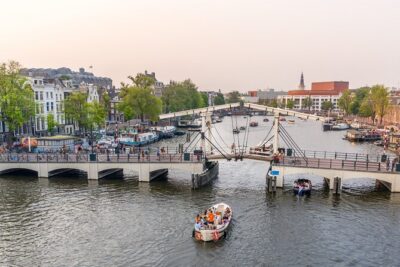
Amsterdam Luxury Canal Cruise + Unlimited Drinks & Bites option
Read our review →

Classic Boat Cruise with Optional Cheese & Wine
Read our review →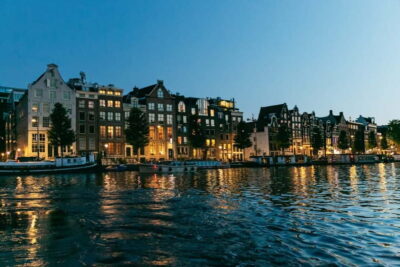
Evening Cruise with Optional Wine and Snacks
Read our review →