
Reviewed · MUSEUMS
Amsterdam: Canal House Museum ‘Willet-Holthuysen’ Ticket
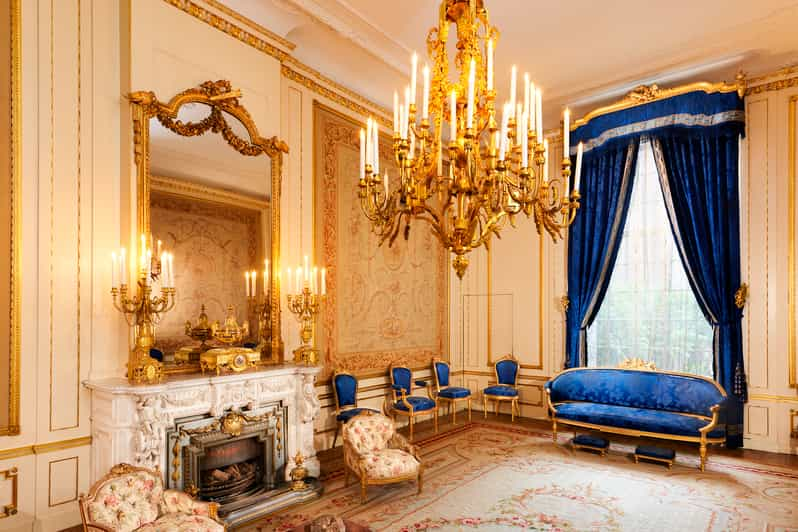
Amsterdam’s Museum Willet-Holthuysen lets you see the city’s grand canal architecture from the inside. You move through a 17th-century double canal house, from the Louis XVI ballroom and formal dining room to the basement kitchen where servants worked. It is a useful reminder that Amsterdam’s narrow canal façades can hide surprisingly large homes.
I like the way the visit combines a preserved family home with an art collection, rather than treating the building as an empty shell. I also like the freedom to use the audio guide at your own pace, choosing the rooms and objects that interest you most. The main consideration is that a temporary art installation can sometimes make the audio commentary harder to hear.
Key points to know before you go
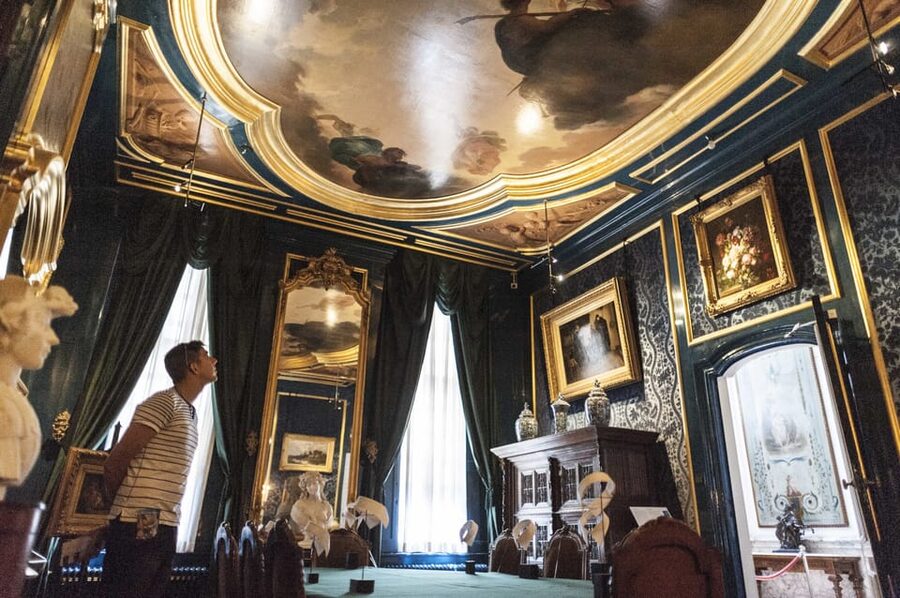
- A real canal house interior: See grand rooms, private salons, formal furniture, silver, ceramics, paintings, sculptures, and photographs in their original setting.
- A clear social contrast: The elegant upper rooms are followed by the basement kitchen and pantry, giving you a glimpse of life below stairs.
- A garden in the city center: The 18th-century French-style garden offers a quiet change from the busy Herengracht.
- Self-guided and flexible: The audio guide lets you move at your own speed and skip or expand the sections that interest you.
- Useful visitor facilities: Locker storage and clean toilets are available, according to visitor feedback.
- Check accessibility before booking: The experience is not suitable for wheelchair users.
Entering the Willet-Holthuysen house on Herengracht
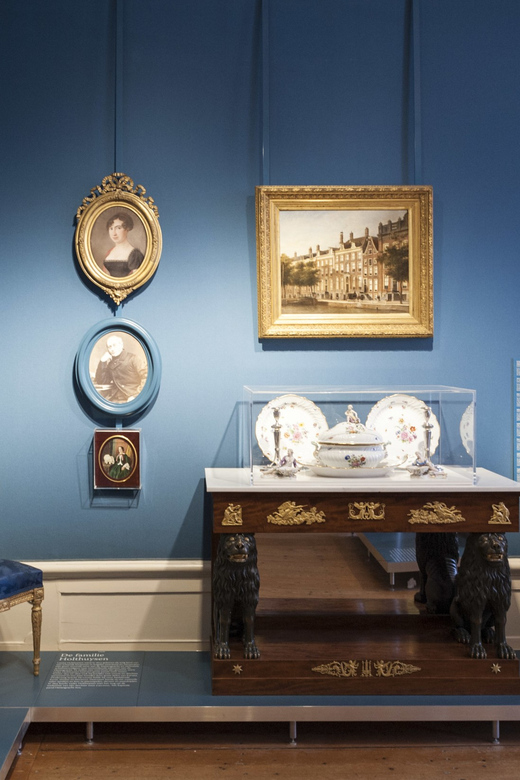
The museum is at Herengracht 605, one of Amsterdam’s grand canal addresses. From the street, the building gives you only part of the story. The important point of this visit is what happens after you pass through the entrance: you get to walk through a wealthy household rather than simply look at a façade from the pavement.
The house is a grand double canal house, a type of property built for money, status, and entertaining. Its size helps explain why Amsterdam’s canal belt can feel deceptive. The streetside buildings are often tall and narrow, but behind the frontage you may find several connected rooms, stairways, service areas, and a garden.
The home came to the city in 1895, when Mrs. Willet left it and the collection of her late husband, Abraham, to Amsterdam. That arrangement gives the museum its unusual character. It is not only a display of furniture and paintings. It also preserves the setting in which the family lived and received visitors.
You should plan on a calm, self-guided visit rather than a fast march from one famous object to another. The ticket is valid for one day, and the format allows you to spend more time in the rooms that catch your eye.
More Attraction Tickets in Amsterdam
- Amsterdam: Van Gogh Museum Ticket
★ 4.7 · 52,054 reviews - Amsterdam: Heineken Experience Ticket
★ 4.6 · 30,055 reviews - Amsterdam: Rijksmuseum Entry Ticket
★ 4.7 · 25,535 reviews
The Louis XVI ballroom and formal entertaining rooms
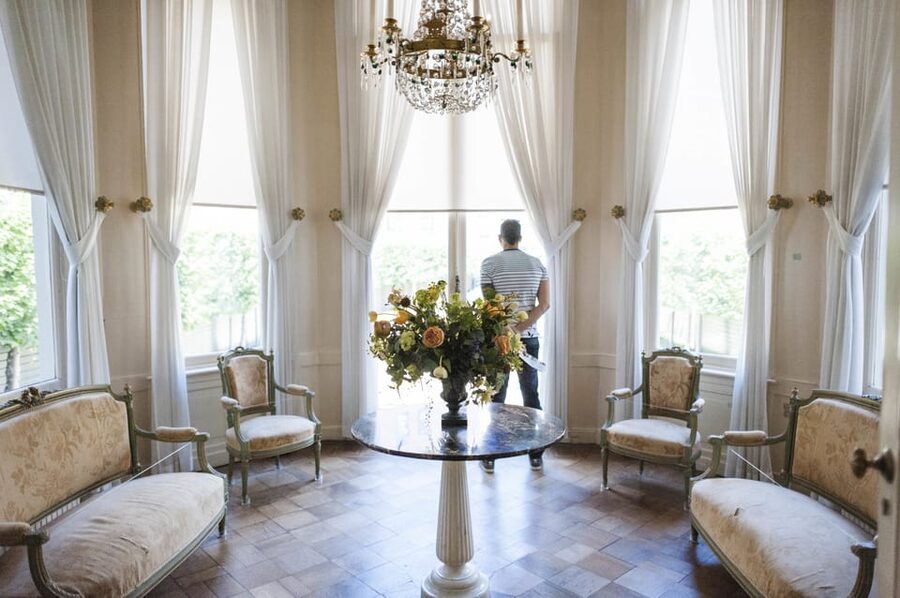
Begin on the first floor, where the ballroom makes the strongest first impression. It is decorated in the Louis XVI style, with the formal order and ornament you would expect in a room designed to impress. This is the place to consider how the Willets used the house socially, not just how the objects look in a display case.
The ballroom works best when you take time to look around the whole room. Notice how the furniture, decoration, paintings, and proportions work together. In a modern museum gallery, an individual chair or painting may seem separate from its surroundings. Here, the room explains the purpose of the object.
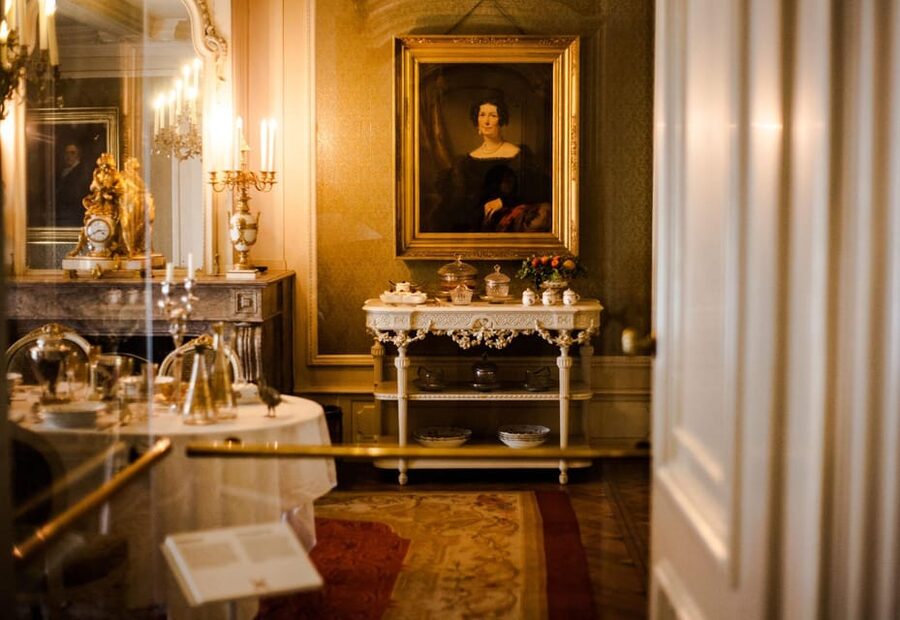
From the ballroom, the route continues toward the dining room and the salons belonging to the master and mistress of the house. These rooms make the visit more personal. A dining room suggests formal meals and careful presentation, while private salons show how a wealthy couple might divide domestic life between public entertaining and quieter time.
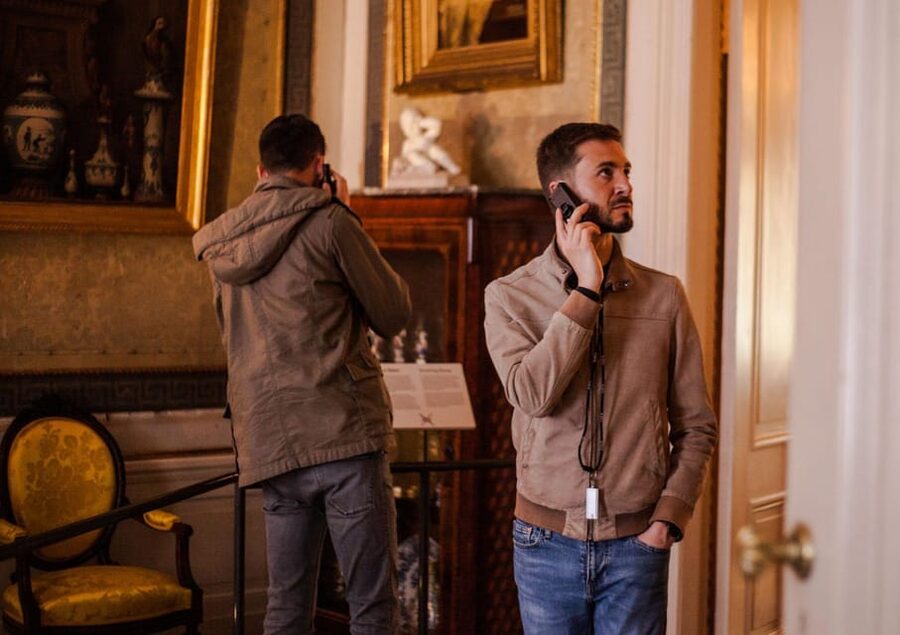
The audio guide is helpful here because it gives context without forcing you to follow a guide at a fixed speed. You can listen to the sections that explain a room, then pause to examine a piece of furniture or a painting. Spanish, English, Dutch, French, German, Italian, and Russian are available for the audio guide.
The host or greeter languages are Dutch and English. That is useful at the entrance, while the wider audio selection makes the museum easier to enjoy if English is not your preferred listening language.
Abraham Willet’s collection in its original setting
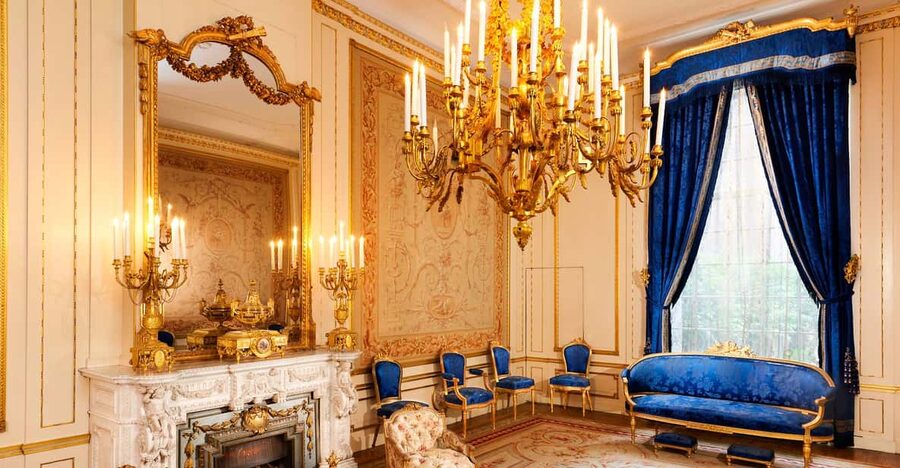
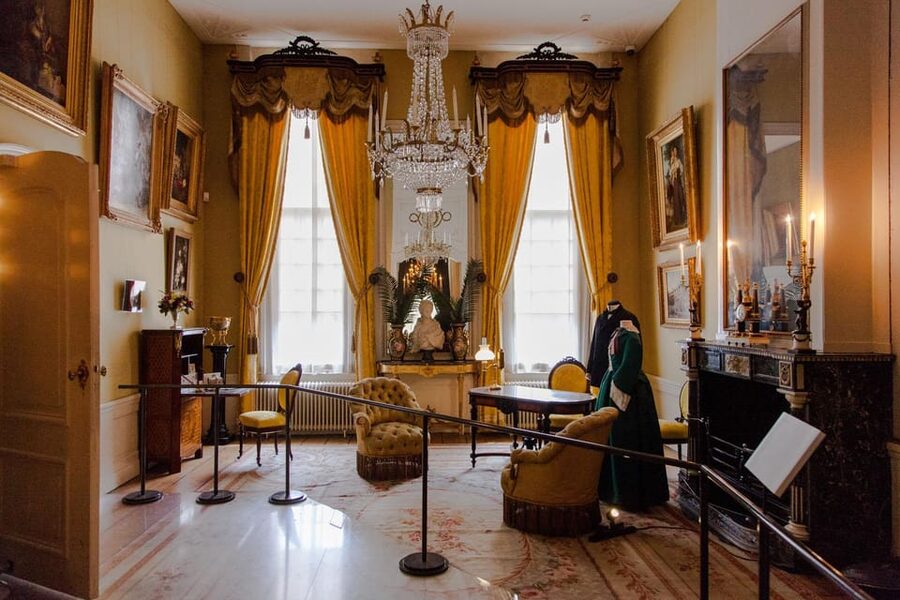
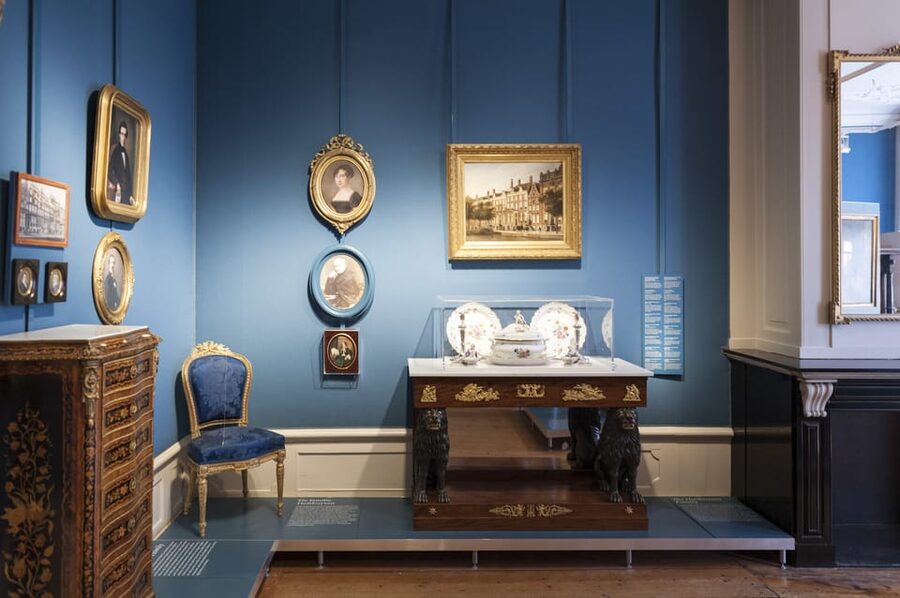
Abraham Willet’s collection includes antique furniture, silver, ceramics, sculptures, paintings, and photographs. The variety matters because it gives you several ways into the story. You might be drawn to a painting, but the furniture and tableware show how art was part of everyday surroundings for this household.
I find the in-situ arrangement more revealing than a plain list of objects. A silver piece in a formal room says something about dining and display. A painting surrounded by period furniture gives you a better sense of how the owners saw their collection, rather than how a modern museum has chosen to isolate it.
The museum is also useful for readers who want more than a grand-room experience. The Willets’ wealth is obvious in the decoration, but the house does not stop at polished surfaces. The route eventually takes you below the main rooms, where the practical work of the household becomes easier to imagine.
Allow yourself time for the objects that do not immediately demand attention. Visitors have described the audio tour as educational and easy to follow at a personal pace. Information points along the self-guided route add another layer, so you are not dependent on the audio for every detail.
The basement kitchen and pantry change the picture
The kitchen and pantry are among the most valuable parts of the visit. Upstairs, you see rooms made for comfort, ceremony, and display. Downstairs, you get clues about the servants who kept that polished household running.
The contrast is simple but effective. A grand ballroom can tell you that a family had money. A basement kitchen helps you consider the labor required to prepare meals, maintain rooms, and support formal entertaining.
You should not expect a full reconstruction of every servant’s daily task, since the available information does not promise that. But the basement spaces do shift your attention away from the owners and toward the people working behind the scenes.
For me, this is why the museum works better than a quick look at an ornate canal house. You see both ends of the household system. The formal rooms show the public face of wealth, while the service areas point to the work that made that lifestyle possible.
More Museum Tickets in Amsterdam
- Moco Museum Amsterdam Entrance Tickets with Banksy & More
★ 4.4 · 10,088 reviews - Amsterdam: The Upside Down Museum Entrance Ticket
★ 4.4 · 9,506 reviews - Amsterdam: Red Light Secrets Museum Entry Ticket
★ 4.2 · 5,722 reviews - Amsterdam’s Weirdest Museum: Believe It or Not!
★ 4.5 · 4,086 reviews
The French-style garden behind the house
The garden is a welcome part of the visit, especially after the decorated interiors. It was laid out in the 18th-century French style and includes historic trees and plants. In a dense central district, that enclosed green space offers a pause without taking you away from the museum’s story.
Look at the garden as part of the house, not as a separate attraction. Its design reflects the owners’ taste and the way wealthy homes were planned. The garden gave the family a private outdoor setting, while the canal-side rooms handled social life and display.
The garden is described as carefully maintained, and it is one of the highlights I would not skip. It may not take as long to see as the interiors, but it changes the rhythm of the visit. After several rooms filled with furniture and art, the open space gives your eyes a rest.
The garden and gallery also help you understand how the Willets lived. The house was not simply a collection of rooms. It was a complete environment, with entertaining areas, private spaces, work areas, and a designed outdoor retreat.
The gallery and temporary exhibitions
The gallery adds a modern museum layer to the historic home. Temporary exhibitions can bring new subjects and displays into the building, giving you a reason to return if you have already seen the main rooms.
One recent exhibition was described as well designed and carefully connected to the house, but a different temporary installation also created a practical problem: its audio was loud enough to make the main audio guide difficult to hear in parts of the museum. This is worth keeping in mind if you rely heavily on spoken commentary.
The temporary display may be a bonus, but the historic interior remains the main reason to buy the ticket. I would treat the exhibition as an added feature rather than the basis for your decision, since the subject and presentation can change.
The mix of old rooms and new displays can work well when you want a museum visit that feels active rather than frozen in time. At the same time, the contrast may distract you if your main aim is quiet attention to the Willet house.
Audio guide, pace, and practical comfort
The audio guide is included in the ticket, which improves the value of the visit. It lets you move at your own pace, listen to selected stops, and spend longer with objects that interest you. You are not tied to a group schedule or a fixed commentary.
That freedom suits this kind of museum. The building rewards looking closely, and you may want more time in the ballroom than in the pantry, or the reverse. A self-guided format lets you make that choice.
Locker storage and clean toilets have also been noted as useful facilities. These are small details, but they matter when you are spending a day walking around Amsterdam and want to visit without carrying everything through the rooms.
There are a few limitations. Smoking is not allowed, and the experience is not suitable for wheelchair users. The information provided does not give detailed step-free access information, so anyone with mobility concerns should check directly before booking.
The ticket costs $18 per person. I consider that fair if you enjoy historic interiors, decorative arts, or smaller museums where you can move slowly. It is less compelling if you only want a quick canal view or prefer large museums with major-name masterpieces as the main focus.
The free cancellation option up to 24 hours before the visit and the reserve-now, pay-later choice make planning easier. You can hold your place without paying immediately, then change your plans within the stated cancellation period.
Who will enjoy Museum Willet-Holthuysen most
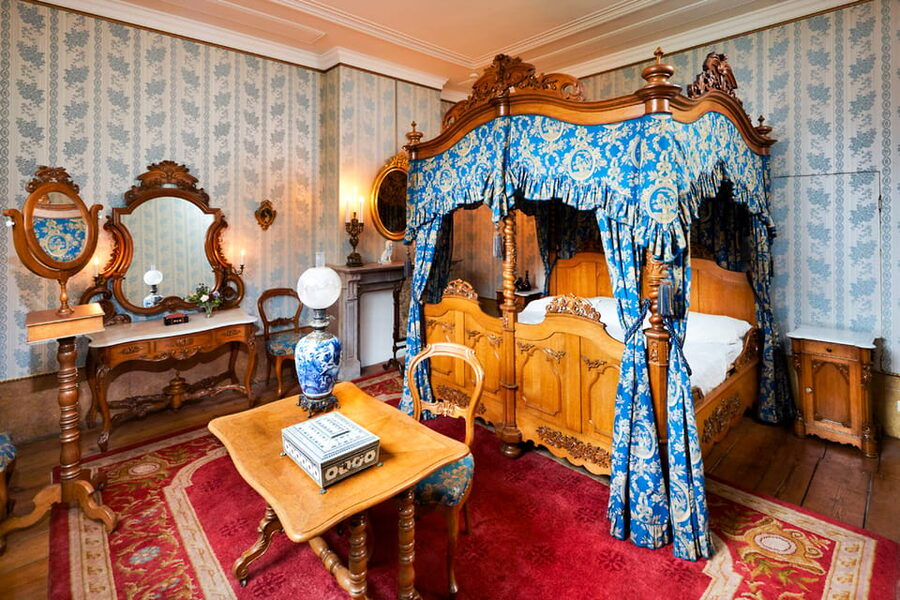
I would recommend this experience to you if you enjoy seeing how people lived, not only reading dates and looking at isolated objects. It suits anyone interested in Amsterdam’s canal houses, historic interiors, decorative arts, social history, or carefully designed gardens.
It is also a good choice for a quieter break between larger Amsterdam attractions. The museum is compact enough to visit without giving up a full day, but the one-day ticket validity leaves room to fit it around other plans.
Families with older children may find the contrast between the ballroom and basement kitchen useful. The house gives a clear visual explanation of wealth and domestic work, while the audio guide lets each person choose how much detail to hear.
Art-focused visitors will find plenty to examine in the paintings, sculptures, ceramics, silver, and photographs. Still, you should book this for the combination of collection and home. If you want a conventional gallery arranged by artist or period, this may feel less direct.
The main caution is accessibility. Since the museum is not suitable for wheelchair users, check your needs carefully before purchasing.
Should you book this canal house museum?
I would book Museum Willet-Holthuysen if you want to see the private side of Amsterdam’s grand canal belt. The strongest parts are the Louis XVI ballroom, the collection displayed in the home, the basement service spaces, and the French-style garden.
At $18, the ticket offers good value for a self-guided visit with an included audio guide, locker storage, and the freedom to set your own pace. Choose another attraction if you want a large-scale museum or a guided group tour with a named live guide.
For the best visit, take your time upstairs, do not skip the basement, and save a few quiet minutes for the garden. Also, if a temporary exhibition is running, ask about its audio volume before starting the main commentary.
FAQ
Where is Museum Willet-Holthuysen located?
The museum is at Herengracht 605 in Amsterdam, in North Holland, Netherlands.
What does the ticket include?
The ticket includes entrance to Museum Willet-Holthuysen and an audio guide.
How much does admission cost?
The listed price is $18 per person.
How long is the ticket valid?
The ticket is valid for one day. You should check availability for the available starting times.
Which languages are available for the audio guide?
The audio guide is available in Spanish, English, Dutch, French, German, Italian, and Russian.
What languages are spoken by the host or greeter?
The host or greeter languages are Dutch and English.
Can I cancel for a refund?
Yes. You can cancel up to 24 hours in advance for a full refund.
Is the museum suitable for wheelchair users?
No. The experience is listed as not suitable for wheelchair users.
Are food and drinks included?
No. Meals and drinks are not included.
Just added around Amsterdam
- Private full-day customizable tour of the Netherlands from Amsterdam★ 5.0 · 9 reviews
- Amsterdam Essence in German: 90-minute waterway trip★ 5.0 · 11 reviews
- Private Daytrip Giethoorn and Windmills of Zaanse Schans from Amsterdam★ 5.0 · 4 reviews
- Bruges Private Custom Tour from Amsterdam★ 4.5 · 13 reviews
- Private Day Tour: Rotterdam and The Hague. English or Spanish★ 4.5 · 20 reviews
- Private day trip to Bruges from Amsterdam★ 5.0 · 6 reviews
- Private day trip to the Dutch castles from Amsterdam★ 5.0 · 10 reviews
- Private Amsterdam City Highlights Bike Tour (PRIVATE GUIDE)★ 5.0 · 28 reviews
Museums, compared.

Moco Museum Amsterdam Entrance Tickets with Banksy & More
Read our review →


Amsterdam’s Weirdest Museum: Believe It or Not!
Read our review →
Browse the lists this tour appears in