Reviewed · AMSTERDAM TOURS
Amsterdam: Architektur Er-fahren
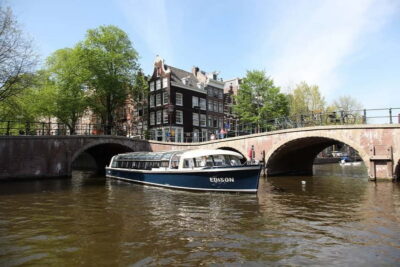
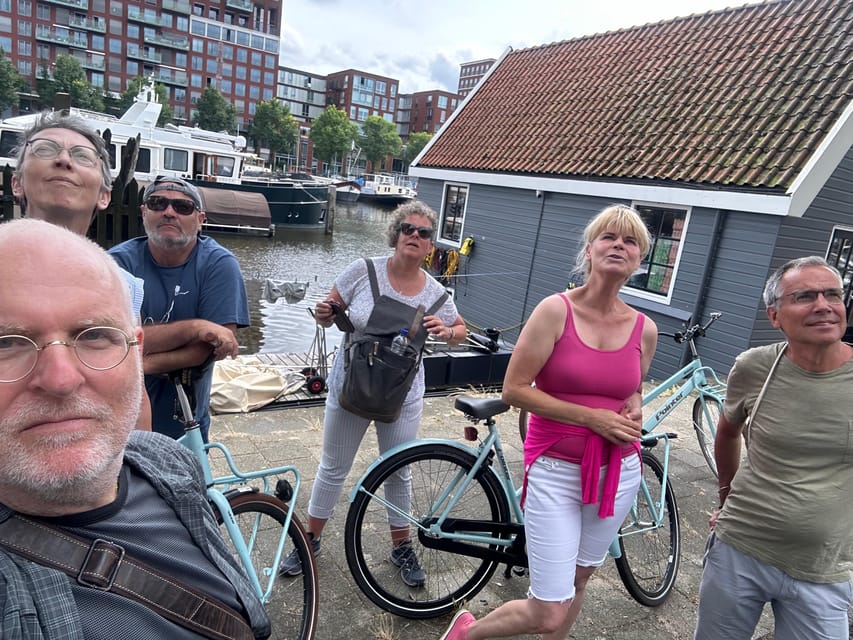
Amsterdam’s architecture makes the most sense from a bicycle. On this 2.5-hour German-language ride, you move from canal houses and old warehouses to the modern buildings around the IJ, seeing how water, weak soil, housing demand, and design have shaped the city. The tour has a compact limit of 10 people, which should make it easier to hear the guide and ask questions.
I like the way this tour links old Amsterdam with its newer districts, rather than treating architecture as a parade of pretty façades. I also like the practical focus on houseboats, social housing, luxury homes, and the engineering problems behind the city’s growth. The main drawback is simple: you must supply a functional bicycle, and the tour runs rain or shine.
The tour is especially useful if you want more than postcard views. It gives you a way to read buildings you pass later on your own, and it adds historical context and amusing stories about daily life in Amsterdam. The current rating is 5 out of 5 from 20 ratings, including praise for the enthusiastic explanation of Dutch life and the relationship between the country and its water.
Key points to know before you ride
- Architecture changes quickly along the route: You go from historic canals and warehouses to industrial buildings and recent design projects.
- The route begins at Beursplein: Meet near Damrak, looking for the guide with a black and white striped band around their neck.
- The IJ and Western Islands are central to the experience: These areas offer water views, houseboats, old working buildings, and newer residential design.
- The guide speaks German: The tour is designed for German-speaking participants and lasts about 2.5 hours.
- You bring the bicycle: Bike hire is not included, and rental prices are generally around €5 to €25.
- Small groups keep the tour personal: The group is limited to 10 people, but riders must be comfortable cycling in Amsterdam.
Why Amsterdam works best as an architecture bike tour
Amsterdam is easy to admire from a canal boat, but a bicycle gives you a closer look at how the city is put together. You can pause near buildings, compare one block with the next, and move from the old center toward areas where the city has had to invent new solutions.
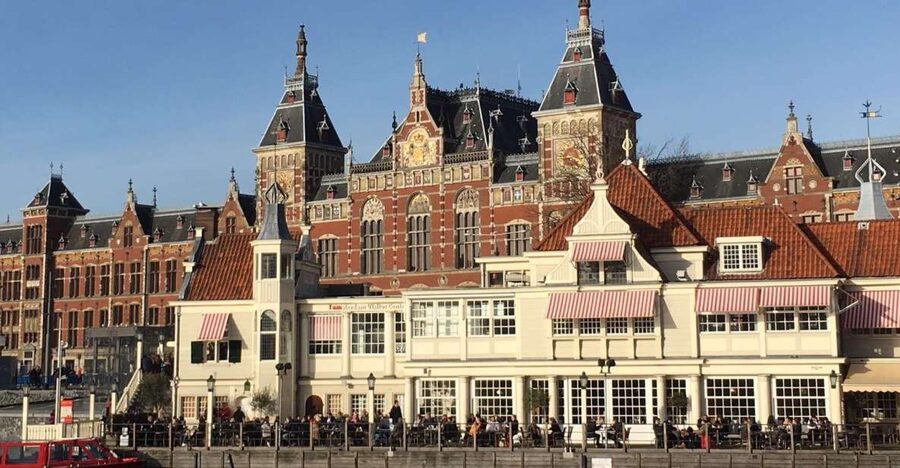
This route begins at Beursplein, close to Damrak and Amsterdam Central Station. From there, you ride toward the IJ, the broad waterway that helped make Amsterdam a major port and still shapes the city’s modern development.
The point is not just to collect attractive buildings. You learn why Amsterdam has had to build in difficult ground conditions, how water affects construction, and why the city needs both affordable housing and expensive new homes. Those pressures are visible in the buildings themselves.
I like this approach because it gives you a useful lens for the rest of your stay. After the tour, a canal house is no longer just a narrow old building. A new apartment block is no longer just a modern façade. You begin to ask what problem each building is trying to solve.
A few more Amsterdam half-days worth comparing
- Amsterdam: Van Gogh Museum Ticket
★ 4.7 · 52,054 reviews - Amsterdam Classic Saloon Boat Cruise with Drinks and Cheese
★ 5.0 · 31,825 reviews - Amsterdam Luxury Canal Cruise + Unlimited Drinks & Bites option
★ 5.0 · 30,518 reviews
From Beursplein to the IJ
Your meeting point is Beursplein, near Damrak. Look for the guide wearing a black and white striped band around the neck. This is a practical meeting point in the central city, but the streets around it can be busy, so arrive with enough time to find the guide and settle onto your bicycle.
The first part of the ride takes you toward the IJ and Amsterdam Central. This shift is important. You leave the familiar canal belt and head toward a wider, more open setting where the city’s old port activity meets newer construction.
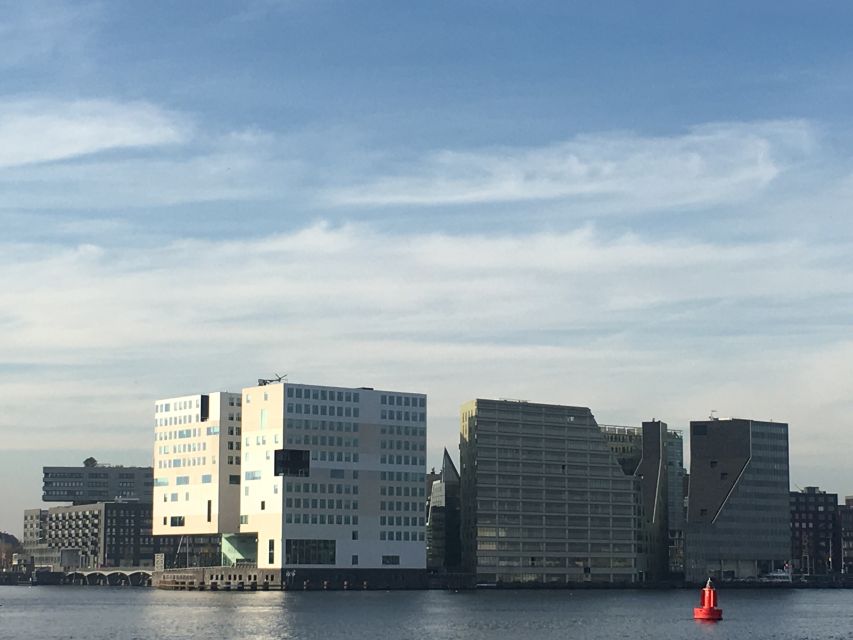
You can expect the guide to point out the contrast between historic warehouses and modern architecture. Amsterdam’s older buildings often reflect trade, storage, and the tight limits of building on narrow plots. Newer buildings respond to different needs, including more housing, larger floor plans, better use of waterfront land, and changing ideas about design.
The route is not built around entering famous interiors. Its value comes from seeing buildings in their urban setting. You can compare scale, materials, shape, and purpose while riding between them.
Water, weak soil, and the shape of the city
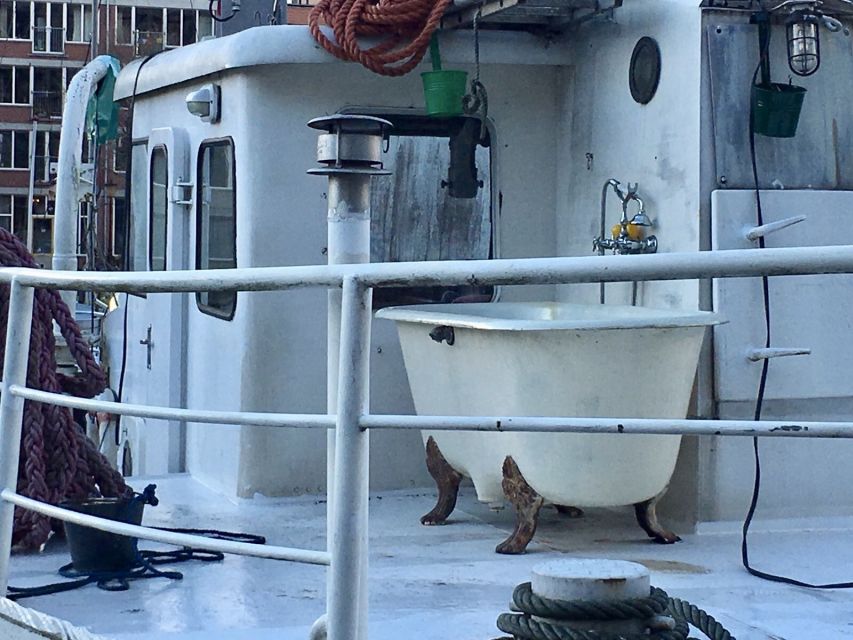
Amsterdam’s relationship with water is not decorative. It affects where and how the city can grow. The tour explains the challenge of building on land with difficult conditions, along with the need to manage water while adding homes for a growing population.
This is one of the strongest parts of the experience because it connects architecture to daily life. Social housing, luxury housing, houseboats, offices, and public spaces all compete for room. The resulting city is full of compromises, experiments, and practical choices.
You will hear about innovative answers in both function and design. The emphasis is not only on buildings that look unusual. It is also on how a structure works, how it fits its site, and how it responds to Amsterdam’s limited land.
A guide who can explain these points clearly can change the way you see the city. One German-language rating specifically praised the tour for showing how the information could be applied to other buildings seen later. That is a useful measure of value: you are not simply memorizing names and dates. You are learning a method for looking.
Houseboats and the human side of design
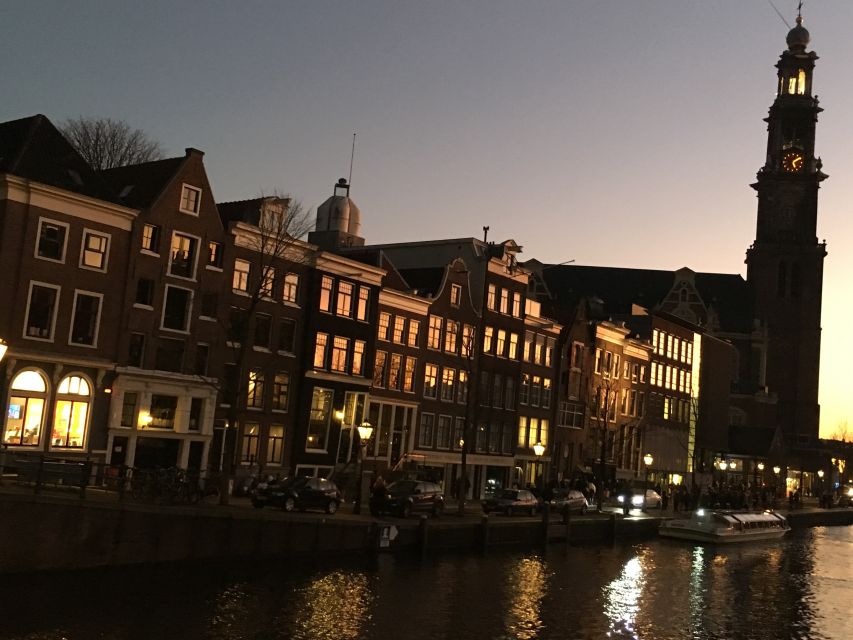
Houseboats are part of Amsterdam’s visual identity, but they also raise practical questions. They show how people use the water as living space and how housing in the city can take forms that would seem unusual elsewhere.
The tour includes views of houseboats and explains the broader relationship between Dutch life and water. A separate rating praised the guide’s enthusiasm when discussing both the Dutch people and the water, along with the humor woven into the tour.
That human touch matters. Architecture can become dry if every building is reduced to a date, architect, or construction material. Here, the subject also includes how people live, how housing choices reflect the city, and how the water is part of ordinary life rather than just scenery.
Do not expect a private tour of houseboats or a detailed study of their interiors. The information provided describes observation from the cycling route. Still, the combination of houseboats, waterways, and nearby buildings gives you a clear picture of how Amsterdam uses every available type of space.
Same base, a completely different sort of day:
- Amsterdam: Heineken Experience Ticket
★ 4.6 · 30,055 reviews - Amsterdam: Rijksmuseum Entry Ticket
★ 4.7 · 25,535 reviews - Amsterdam: Classic Boat Cruise with Optional Cheese & Wine
★ 4.6 · 22,925 reviews - Amsterdam: Evening Cruise with Optional Wine and Snacks
★ 4.4 · 19,696 reviews
The Western Islands: industry beside picturesque canals
The Amsterdam Western Islands add one of the most interesting contrasts on the route. You can see industrial architecture alongside quieter, more picturesque scenes. That change in mood is exactly what makes the area useful for an architecture tour.
Industrial buildings tend to reveal the working side of the city. Warehouses and utilitarian structures were made for storage, transport, and trade. They may not have the polished appearance of a new housing project, but they show what the city needed at an earlier stage.
The picturesque side of Amsterdam is more familiar: water, old façades, narrow streets, and houseboats. The tour places these images next to the industrial ones instead of treating them as separate versions of the city.
I find that contrast more useful than a route made only of beautiful buildings. It reminds you that Amsterdam was not created as a stage set. It grew through work, trade, housing needs, water management, and later redevelopment.
The Western Islands also help you understand how older areas can change meaning over time. A building once connected to industry may now sit near housing or public space. The tour’s focus on changing function gives you a better sense of how the city keeps adapting.
Modern projects and the pressure for more homes
As you continue, the route brings attention to newer architecture and award-winning development. The supplied information does not name particular projects, so you should not book this expecting a fixed list of famous buildings. Instead, expect the guide to explain selected examples along the route and place them in the wider story of Amsterdam’s growth.
The key question is how the city combines social housing and luxury housing. Amsterdam needs homes at different prices, yet new development can create tension over land, design, access, and character. Architecture becomes a record of those choices.
This is where the tour can be more useful than a standard city sightseeing ride. You are not only looking at what a building looks like. You are considering who it serves, how it uses a tight site, and why a new project may take the shape it does.
The tour also examines innovative solutions in design and function. You may notice unusual forms, careful use of waterfront sites, or buildings that respond to the limits of the ground beneath them. The guide’s job is to connect these visual details with the practical reasons behind them.
What the 2.5-hour format gives you
Two and a half hours is long enough to move beyond the central canal views without turning the ride into an exhausting full-day outing. You have time to see several types of architecture, hear the historical background, and return to the starting point.
The route begins and ends at the same general meeting point, so you do not need to arrange a separate way back. That is handy if you have a museum booking, dinner reservation, or another activity afterward.
The ride is also long enough for the guide to add general stories about Amsterdam and everyday life. One rating noted that the tour included a historical overview, while another highlighted the laughter and the guide’s enthusiasm. Those details suggest a tour that aims to be informative without becoming stiff.
Still, the pace depends on cycling conditions and the group. You should be comfortable riding for 2.5 hours, stopping and starting, and staying alert around other road users. This is not suitable for anyone who cannot ride a bicycle.
Bicycle requirements and weather planning
Bike hire is not included in the €46 price. You must bring your own bicycle or arrange one separately. The stated rental range is about €5 to €25, depending on the type of bike and the rental shop or hotel.
That extra cost affects the real value. For someone who already has a bicycle, €46 is a clear price for a small-group guided experience. If you need to rent, add the bike fee before comparing it with walking tours or other sightseeing options.
Your bicycle must be functional and roadworthy. This is important, not a minor formality. A poorly adjusted seat, weak brakes, or unreliable tires can make a city ride uncomfortable and distracting.
Wear comfortable clothes and shoes, carry water, and dress for the weather. The tour operates rain or shine, so a wet forecast should not surprise you. Amsterdam’s weather can change, and you will be outdoors for the full ride. If you dislike cycling in rain or wind, choose a dry day if your schedule allows.
Alcohol and drugs are not allowed, and anyone who is intoxicated cannot take part. Those rules are sensible for a bicycle tour in an active city.
Who will get the most from this tour
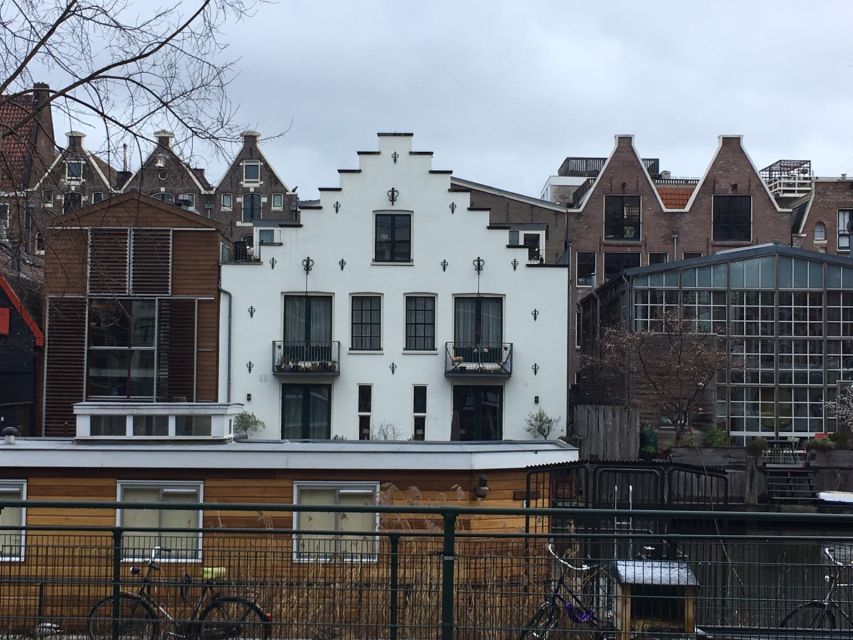
I would choose this tour for a visitor who has already seen the basic canal sights and wants to understand how Amsterdam works. It is also a strong first activity for someone who likes design, urban planning, housing, or the practical side of city growth.
The German-language format is a major reason to book. You receive the explanations, historical overview, and humor in German, rather than trying to follow technical points in a second language.
The small group limit of 10 people should suit anyone who prefers a quieter experience. It also gives you a better chance to ask about a building or idea that catches your eye.
This is less suitable if you want a fast ride with little commentary, a tour focused on Amsterdam’s most famous landmarks, or a fully provided bicycle. It also may not suit young children or adults who are not confident cyclists, though the available information does not specify a minimum age.
Is €46 a fair price?
At €46 per person, the tour offers value if architecture is a real interest rather than a side topic. You receive 2.5 hours with a live German-speaking guide, a route through several different parts of Amsterdam, and explanations that connect buildings to water, land, housing, and history.
The price is less attractive once you add bicycle hire, which can cost about €5 to €25. Even then, the small group and specialist theme may justify the total for someone who would otherwise spend time wandering without context.
I would not choose it solely because you want a cheap way to rent a bicycle. The bike is your responsibility, and the tour’s value comes from the guided interpretation. You are paying for the way the city is explained, not just for movement from one district to another.
Free cancellation up to 24 hours before the start and the option to reserve now and pay later make planning easier, especially when the weather may affect your enthusiasm for a long ride.
Should you book Amsterdam: Architektur Er-fahren?
Book it if you want to understand Amsterdam through buildings, water, and housing, and if you are happy to provide a reliable bicycle. The German-language guide, 10-person group limit, Western Islands route, and mix of old and new architecture give the experience a clear purpose.
Skip it if cycling is not comfortable for you, if rain would ruin your day, or if you are looking mainly for famous landmarks and photo stops. For the right rider, this is a practical way to see a less obvious side of Amsterdam and to keep using what you learn long after the ride ends.
FAQ
How long does the Amsterdam architecture bike tour last?
The tour lasts 2.5 hours and returns to the starting point near Beursplein.
What language is the tour in?
The live tour guide speaks German.
Where does the tour begin?
The meeting point is at Beursplein near Damrak. Look for the guide with a black and white striped band around their neck.
Is bicycle hire included in the price?
No. You must bring your own functional, roadworthy bicycle or hire one separately. Typical hire prices are around €5 to €25.
Does the tour run in bad weather?
Yes. The tour takes place rain or shine, so bring weather-appropriate clothing.
Can I cancel the booking?
You can cancel up to 24 hours in advance for a full refund. You can also reserve now and pay later.
Just added around Amsterdam
- Private full-day customizable tour of the Netherlands from Amsterdam★ 5.0 · 9 reviews
- Amsterdam Essence in German: 90-minute waterway trip★ 5.0 · 11 reviews
- Private Daytrip Giethoorn and Windmills of Zaanse Schans from Amsterdam★ 5.0 · 4 reviews
- Bruges Private Custom Tour from Amsterdam★ 4.5 · 13 reviews
- Private Day Tour: Rotterdam and The Hague. English or Spanish★ 4.5 · 20 reviews
- Private day trip to Bruges from Amsterdam★ 5.0 · 6 reviews
- Private day trip to the Dutch castles from Amsterdam★ 5.0 · 10 reviews
- Private Amsterdam City Highlights Bike Tour (PRIVATE GUIDE)★ 5.0 · 28 reviews
Amsterdam Tours, compared.

Amsterdam Classic Saloon Boat Cruise with Drinks and Cheese
Read our review →
Amsterdam Luxury Canal Cruise + Unlimited Drinks & Bites option
Read our review →


Classic Boat Cruise with Optional Cheese & Wine
Read our review →
Evening Cruise with Optional Wine and Snacks
Read our review →