
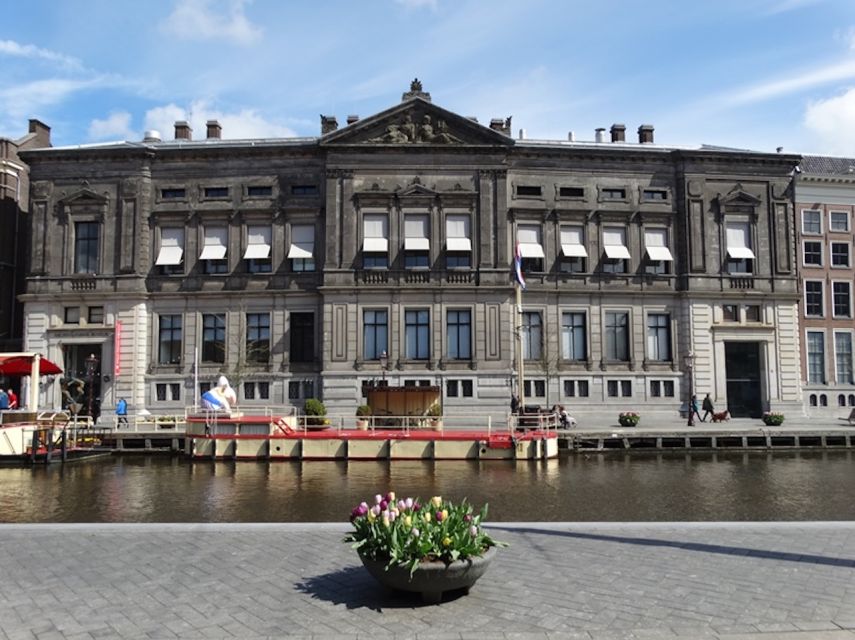
Reviewed · HISTORICAL TOURS
Amsterdam: Allard Pierson Heritage Collections Entry Ticket
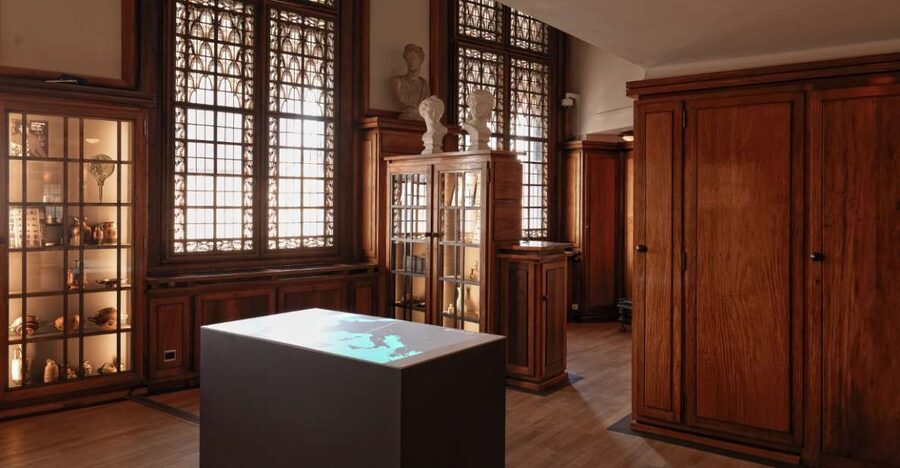
The most memorable part of the Allard Pierson is its range. In one visit, you can move from Egyptian hieroglyphs and Roman mummy portraits to medieval manuscripts, early printed books, 17th-century atlases, and plaster copies of famous Greek and Roman statues. I like that the museum connects these objects instead of treating them as isolated treasures.
I especially like the world-class map and atlas collection and the attic display of classical plaster casts. The museum also gives you a useful look at Amsterdam as a center of books, collecting, scholarship, and trade. The main drawback is focus: if you prefer one tightly themed museum, this broad mix may feel scattered.
- Roman mummy portraits: See faces painted almost 2,000 years ago, including loans from major international collections.
- Amsterdam’s book story: Follow the path from the origins of writing to medieval manuscripts and early industrial book production.
- Maps and atlases: Explore one of the largest collections of its kind in the world.
- Greek and Roman plaster casts: Visit the attic collection with an English audioguide.
- Ancient Egypt and Sudan: Study objects that show how writing, belief, art, and daily life developed.
- One-day flexibility: Your ticket includes permanent and temporary exhibitions, plus access to the café and museum shop.
A Museum Built Around Human Curiosity

The Allard Pierson is not simply a room of ancient objects. Its permanent presentation follows a larger idea: people have always wanted to record, explain, copy, collect, and preserve the world around them.
That makes the visit feel more like a long conversation across time. Writing leads to books. Books lead to maps and atlases. Ancient art leads to plaster casts, museums, and the modern habit of studying the past through collected objects.
You may begin with the earliest forms of writing, then encounter Assyrian merchants, theatre makers in Amsterdam, church history, zoology, and the growth of book production. Some subjects connect closely. Others feel like separate branches of a very large family tree.
This variety is the museum’s great strength and its main challenge. You will see more than you can fully absorb in one pass, so resist the urge to treat the ticket as a test. Pick the sections that matter most to you, then return to anything that catches your eye.
Egyptian and Sudanese Collections, From Signs to Portraits
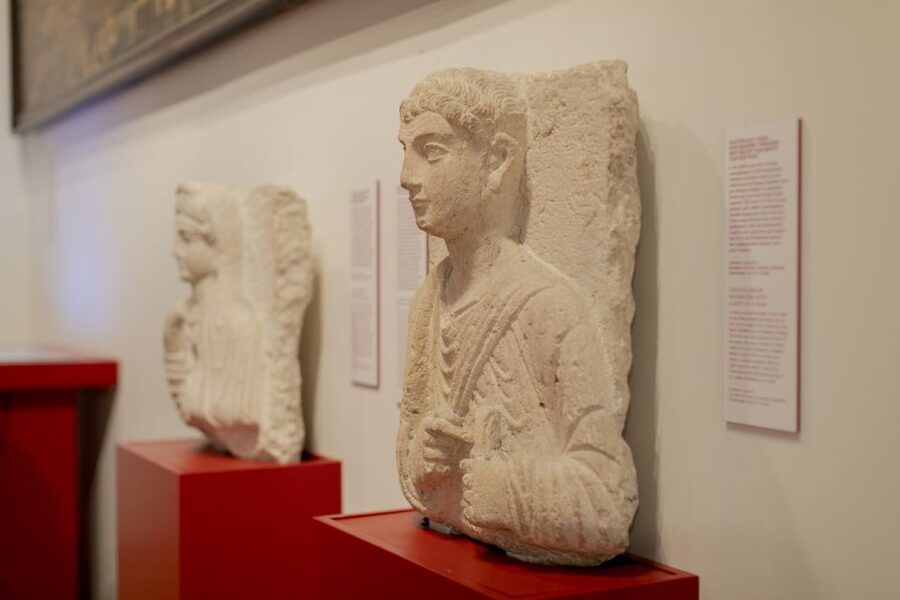
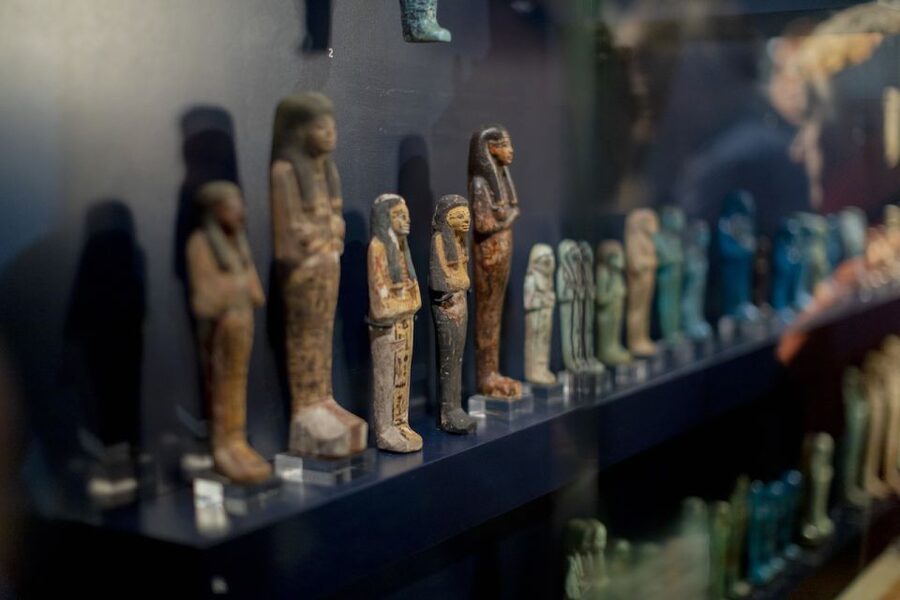
The Ancient Egyptian and Sudanese collections provide some of the museum’s clearest visual anchors. Hieroglyphs make writing feel physical and precise, not just an abstract system of symbols. Pottery, glass, and other objects add everyday texture to the picture.
The display also helps you think about how people wanted to be remembered. Egyptian objects can look formal at first glance, but the human concerns behind them are easy to recognize: identity, family, faith, status, and the hope of being known after death.
The temporary exhibition Face to Face: The People Behind Mummy Portraits gives that idea a sharper focus. It brings together about 38 portraits from collections around the world, including works from the Louvre and the J. Paul Getty Museum.
These paintings were made in Roman Egypt from the first to the fourth century AD. They were placed over the faces of mummified people, and many were found in the Fayum region, which is why they are also called Fayum portraits.
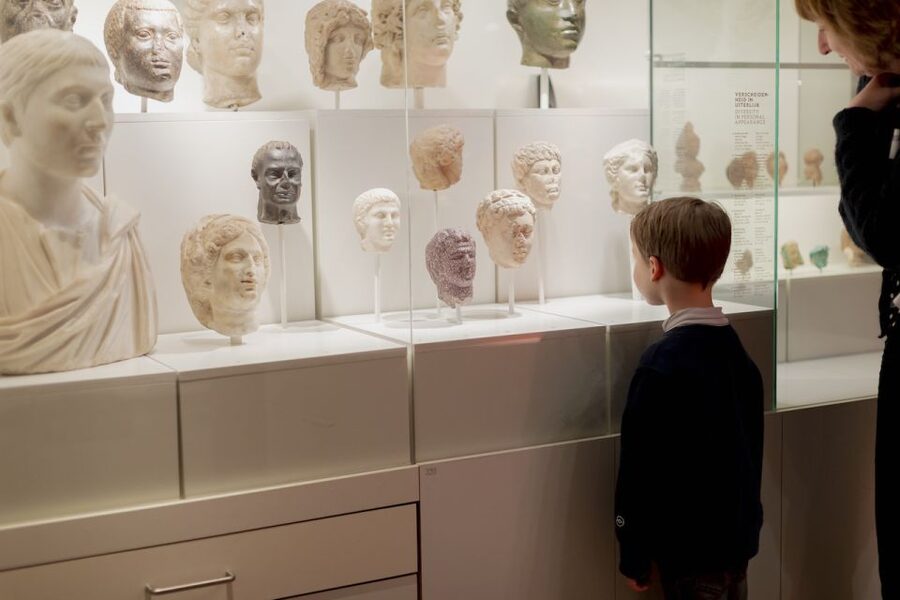
The power of the display comes from its directness. You are not looking only at a period style or a group of anonymous artifacts. You are looking at painted faces representing individuals who lived nearly 2,000 years ago.
The exhibition also considers the people connected with the portraits: artists, descendants, followers, collectors, archaeologists, and researchers. That wider view matters. It reminds you that every object has a life before the museum, a life after excavation, and a modern story shaped by study and collecting.
The exhibition dates provided for this presentation are 6 October through 25 February. Check the current dates before you book, since temporary displays change.
More Attraction Tickets in Amsterdam
- Amsterdam: Van Gogh Museum Ticket
★ 4.7 · 52,054 reviews - Amsterdam: Heineken Experience Ticket
★ 4.6 · 30,055 reviews - Amsterdam: Rijksmuseum Entry Ticket
★ 4.7 · 25,535 reviews
The Allard Pierson’s Story of Amsterdam Books
Amsterdam’s connection with books is one of the museum’s most appealing local subjects. Instead of presenting the city only through canals, paintings, and grand trading houses, the displays show Amsterdam as a place where ideas were written, printed, sold, stored, and passed along.
You can follow the book story from the origins of writing through medieval manuscripts and into early industrial book production. The objects make a useful point: books were never just containers for words. Their materials, decoration, printing methods, owners, and uses all tell you something about the society that produced them.
Medieval manuscripts invite close attention to handwriting and decoration. Later books show how production changed as printing became more organized. Cookbooks add a welcome everyday note. They bring the history of books down from churches and scholars to kitchens, households, and ordinary habits.
I would give this section time if you enjoy libraries, printing, language, or Amsterdam’s cultural past. If you are mainly interested in ancient Egypt, you can move through it more quickly and save your energy for the archaeological displays.
Maps and Atlases on a Grand Scale
The map and atlas collection is one of the strongest reasons to choose this museum. It is described as one of the largest in the world, and the material gives you a clear sense of how people once pictured the earth.
Old maps combine geography with belief, ambition, commerce, and artistic skill. An atlas may show what was known, what was guessed, and what someone hoped to control or sell. Looking closely, you can often think about who commissioned the map, who used it, and which parts of the world were still uncertain to its makers.
The 17th-century books and atlases also connect neatly with Amsterdam’s commercial and intellectual life. They are not only beautiful objects. They show how information moved through the city and how printed knowledge helped shape ideas about distant places.
This area rewards patience. A large map can look impressive from a distance, but the smaller details often carry the best stories. If you visit with children, maps can provide an easy starting point because they invite questions: What did people know? What did they get wrong? Why were some places drawn larger or more prominently than others?
The Attic Plaster Cast Collection
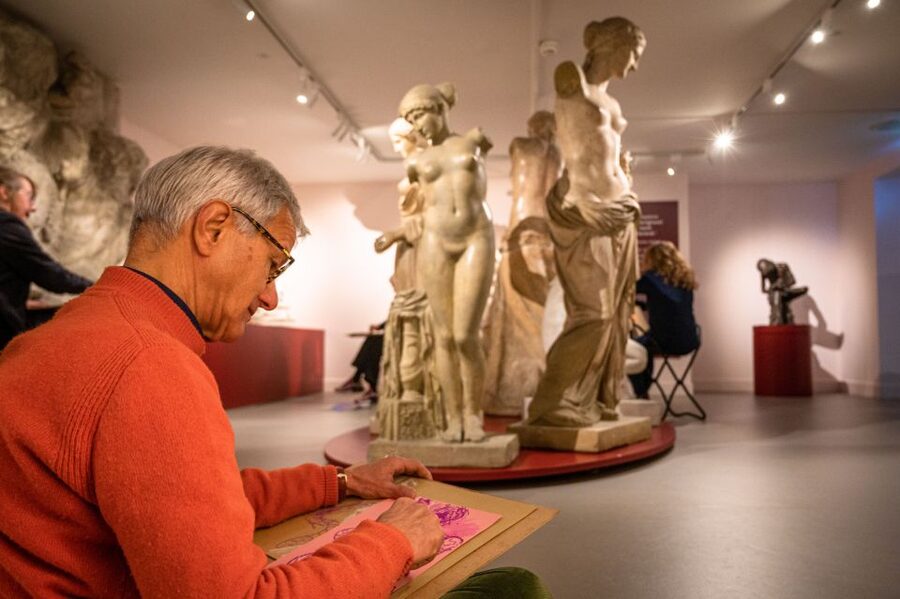
The attic plaster collection offers a very different experience from the fragile books and ancient objects. Here, you encounter plaster casts of famous classical statues from the Greek and Roman world.
A cast is not the original sculpture, of course. That is worth keeping in mind. But copies have their own value. They show how museums and schools once taught classical art, how famous statues were reproduced, and how later generations built their understanding of ancient Greece and Rome.
The attic setting adds character. It gives the collection a less formal feeling than a polished gallery of individual masterpieces. You can see a large body of classical forms together and compare poses, bodies, faces, and decorative details.
An audioguide is included for the plaster collection, and it is available in English. Use it here rather than rushing through. The guide can help explain why these casts were made and how to look at them as part of the history of collecting, not just as substitutes for originals.
This section will suit you best if you like sculpture, museum history, or the way older institutions taught art. If you only want original antiquities, the casts may not hold your attention for long.
More History Tours in Amsterdam
- Amsterdam Food and Cultural Tour with Tastings
★ 5.0 · 2,442 reviews - Amsterdam: Haunted History and Ghost Walking Tour
★ 4.5 · 488 reviews - Amsterdam High-End Dutch Food & History Tour – Up to 8 guests
★ 5.0 · 482 reviews - Amsterdam: Historic City Sightseeing Canal Cruise
★ 4.5 · 444 reviews
Ancient Glass, Greek Pottery, and Roman Life
The museum’s archaeological material includes Greek pottery and Roman glass, objects that bring ancient life down to a human scale. They are not only grand symbols or religious pieces. They reveal how people cooked, stored goods, drank, traded, decorated homes, and marked important occasions.
Roman glass is especially useful for seeing ancient technology through a small object. Greek pottery can carry painted scenes, patterns, and clues about storytelling. Together, these displays help bridge the gap between major historical events and the daily routines of people who left behind no written account.
The museum’s method works best when you compare objects. A single vase may be attractive, but a group can show changes in shape, decoration, and use. The same is true of glass and pottery across different periods.
Because the collections cover archaeology, church history, zoology, cartography, and book history, not every display will appeal to every person equally. That is normal here. Think of the museum as a place for sampling subjects rather than following one uninterrupted storyline.
How Much Time Should You Allow?
Your ticket is valid for one day, which gives you useful freedom. You do not need to race through the building to justify the admission price. You can plan a substantial visit, take a break at the café, and return to a section that deserves another look.
For a quick visit, choose two or three priorities:
- The Egyptian and Sudanese collections
- The mummy portrait exhibition, if it is running during your visit
- The book history displays
- The maps and atlases
- The attic plaster casts
For a fuller visit, move through the permanent presentation first, then spend extra time with your favorite subject. The temporary exhibition may attract the most attention, but the permanent displays provide the broader context that makes the objects more meaningful.
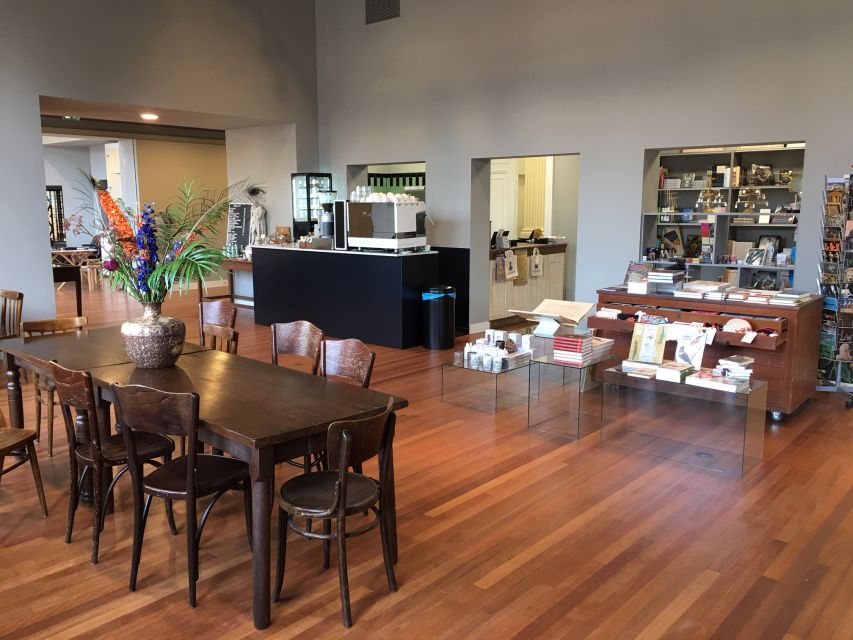
The café is useful if you want to pause without leaving the museum. The shop gives you another way to continue the visit, particularly if you like books, maps, museum publications, or cultural souvenirs.
There is no stated fixed tour length. The ticket is valid for one day, and you should check availability for the available starting times when booking.
Is the $18 Ticket Good Value?
At $18 per person, the ticket is fairly priced if you plan to spend several hours with the collections. You are paying for access to both the permanent and temporary exhibitions, not just one small gallery.
The value is strongest for people with wide interests. In one place, you can see ancient Egyptian and Sudanese material, Greek pottery, Roman glass, medieval manuscripts, major atlases, cookbooks, church-related objects, and classical plaster casts.
The value is less certain if you want a short, single-subject museum visit. Someone interested only in mummy portraits may find the temporary exhibition more focused than the rest of the museum. Someone interested only in modern Amsterdam may prefer a museum built around the city’s recent art or social history.
The booking terms also reduce some risk. You can cancel up to 24 hours in advance for a full refund, and the reserve-now, pay-later option lets you keep your plans flexible. These terms do not make the museum better, but they help when your Amsterdam schedule is still changing.
Access and Language Details
The experience is wheelchair accessible. The host or greeter language is English, and the additional language information provided is English.
The plaster collection has an English audioguide. No other audio languages are specified, so if you need a guide in another language, check before booking.
The ticket includes access to the museum shop and café. It does not list a guided tour, named guide, or live lecture, so you should expect a self-directed museum visit rather than a tour led through every room.
That format suits you if you like setting your own pace. It is less suitable if you want a guide to explain each object or keep you moving with a fixed route.
Who Will Enjoy This Museum Most?

I would recommend the Allard Pierson to you if you like museums that cross periods and subjects. It is a particularly good fit for readers, map lovers, students of archaeology, and anyone who enjoys asking how museums collect and explain the past.
Families can use the maps, statues, portraits, and writing systems as easy entry points. The museum also offers enough variety for different interests in the same group. One person can spend time with atlases while another studies Egyptian objects or classical casts.
It may be a weaker choice for you if you want a small, quiet museum with one clear theme. The range can feel uneven, and a short visit may leave you with the impression of having sampled many topics without fully following one.
The best approach is to arrive with a short plan, not a rigid one. Choose your must-see section, then let the unexpected objects earn your time.
Should You Book the Allard Pierson?
Book this ticket if you want a broad museum experience built around writing, collecting, archaeology, maps, books, and classical art. The Egyptian and Sudanese collections, the 38 mummy portraits in Face to Face, and the attic plaster casts give you several strong reasons to visit.
I would skip it only if your time is very tight or your interests are narrowly limited to one subject. For $18, the museum offers good value when you can give it a full morning or afternoon, especially while the mummy portrait exhibition is on display.
Bring curiosity, choose your priorities, and do not try to see every object with equal attention. That is the sensible way to enjoy this large and varied collection.
FAQ
Where is the Allard Pierson experience located?
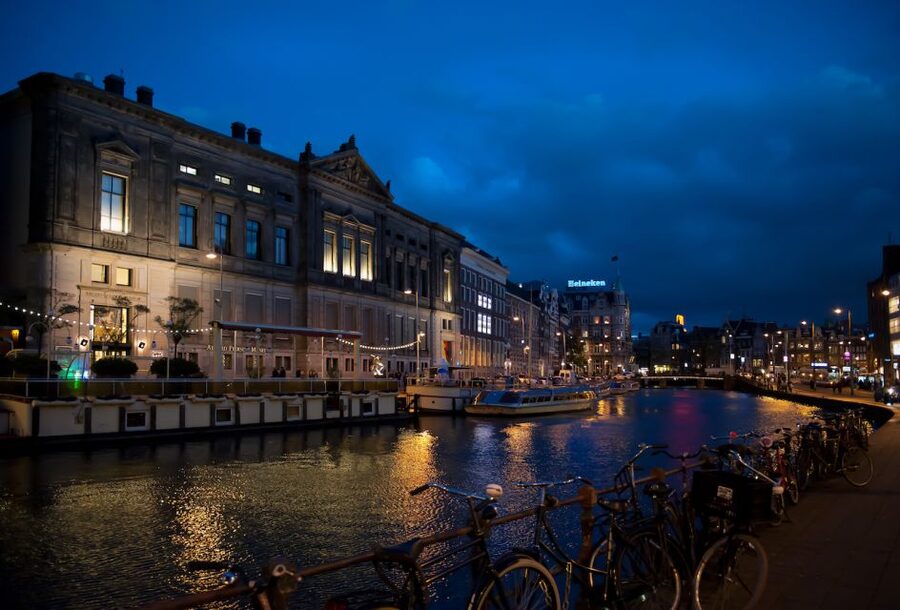
It is located in North Holland, Netherlands, in Amsterdam.
How much does admission cost?
The listed price is $18 per person.
How long is the ticket valid?
The ticket is valid for one day. Check availability for the available starting times.
What does the ticket include?
It includes entry to the museum, access to the permanent and temporary exhibitions, access to the museum shop and café, and an audioguide for the plaster collection.
Is the mummy portrait exhibition included?
Yes. The ticket includes the temporary exhibition Face to Face: The People Behind Mummy Portraits while it is on display.
What are mummy portraits?
They are portraits painted on wooden panels during the Roman period in Egypt, from the first to the fourth century AD. They were placed over the faces of mummified people and are also known as Fayum portraits.
Is an audioguide available?
Yes. An English audioguide is included for the plaster collection.
Is the museum wheelchair accessible?
Yes, the activity is listed as wheelchair accessible.
Can I cancel my booking?
Yes. You can cancel up to 24 hours in advance for a full refund. A reserve-now, pay-later option is also available.
Just added around Amsterdam
- Private sightseeing tour to Bruges and chocolate from Amsterdam★ 5.0 · 11 reviews
- Amsterdam: Rijksmuseum (Private Tour & Priority Access)★ 5.0 · 27 reviews
- Amsterdam: Private Romantic Evening Canal Cruise + Bubbles/Snacks★ 5.0 · 46 reviews
- Amsterdam Private Shopping Experience★ 5.0 · 7 reviews
- Rijksmuseum Amsterdam Private Guided Tour★ 5.0 · 57 reviews
- Amsterdam Rijksmuseum PRIVATE TOUR with a Local Private Guide★ 5.0 · 159 reviews
- Private Photo Session in Amsterdam★ 5.0 · 15 reviews
- Private One way Transfer Amsterdam Airport to Amsterdam★ 3.5 · 42 reviews
Historical Tours, compared.

Amsterdam Food and Cultural Tour with Tastings
Read our review →
Kinderdijk UNESCO World Heritage Entry Ticket
Read our review →
Hop-on Hop-off Old-Fashioned Heritage Tram Tour
Read our review →


Amsterdam High-End Dutch Food & History Tour – Up to 8 guests
Read our review →
Cruise through the Historic City Center with Guide
Read our review →
Browse the lists this tour appears in