
Reviewed · VAN GOGH MUSEUM TICKETS
Amsterdam: Van Gogh Museum Guided Tour with Entry
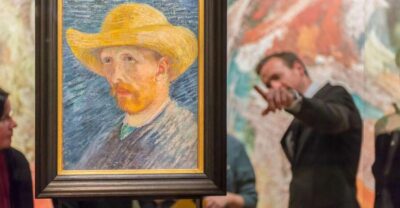
Van Gogh’s paintings are easy to recognize, but much harder to understand at a glance. This two-hour museum tour gives you a clear route through his artistic development, from his early admiration for Rembrandt and Millet to the restless color and brushwork of his later years. The guide also connects the paintings to Van Gogh’s family life, relationships, mental health, and artistic circle.
I like the preordered museum entry, which removes one important task from a busy Amsterdam day. I also like the way the guides, including highly praised art historians such as Nacho, Loli, Sophie, and Esthevan, have made room for questions, humor, and a few minutes to look at paintings on your own.
The main drawback is the crowd. At busy times, it can be hard to hear the guide, and two hours may feel tight if you want to study every painting closely. An audio system would help, and you should arrive ready to focus rather than wander at your own pace.
Key points at a glance
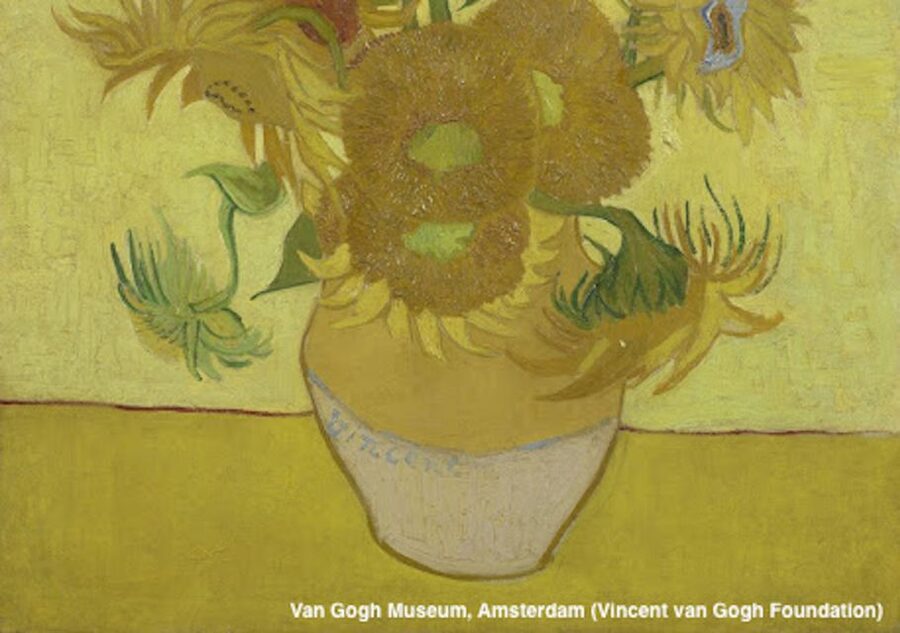
- Van Gogh’s full artistic story: Follow his development from early influences to his post-impressionist work.
- Entry included: Your museum admission is part of the tour, with a group meeting point at Paulus Potterstraat 7.
- Spanish or English guiding: The experience is offered with a live guide in Spanish or English.
- More than Van Gogh: See work connected to Gauguin and Toulouse-Lautrec, along with nineteenth-century artists such as Monet, Manet, Seurat, and Pissarro.
- Guides make the difference: Nacho, Loli, Sophie, Esthevan, and others have been praised for clear explanations, humor, and personal attention.
- Plan for crowds: Comfortable shoes matter, cameras are not allowed, and the meeting point is not the museum’s main ticket entrance.
Why this Van Gogh tour works
A museum devoted to one artist can be tricky. You may recognize the famous paintings, but the story between them can feel scattered. This tour gives you a framework, so each gallery has a purpose.
You begin with Van Gogh as a young man still finding his way. His early artistic interests were shaped by figures such as Rembrandt and Millet. That matters because his later work did not appear out of nowhere. The guide helps you see the changes in subject, color, line, and brushwork as part of a long search for a personal style.
As you move through the museum, the focus shifts from biography to technique and back again. You may hear how a painting’s surface was built, why a particular color combination matters, or how Van Gogh’s surroundings affected what he painted. The strongest guides do not treat the art as a string of dates. They connect the brushwork to the man making it.
That approach has been a major strength of this experience. Guides have been praised for explaining Van Gogh’s family setting, disappointments in relationships, mental health struggles, artistic influences, and the museum’s own story. You are not simply shown a painting and handed a fact. You are encouraged to consider how the personal and artistic pieces fit together.
More Museum Tickets in Amsterdam
- Amsterdam: Van Gogh Museum Ticket
★ 4.7 · 52,054 reviews - Moco Museum Amsterdam Entrance Tickets with Banksy & More
★ 4.4 · 10,088 reviews - Amsterdam: The Upside Down Museum Entrance Ticket
★ 4.4 · 9,506 reviews
Meeting your guide at Paulus Potterstraat 7
The meeting point is Paulus Potterstraat 7, at the Van Gogh Museum ticket sales point. Your guide is dressed in green to make the group easier to spot.
This detail deserves attention because the group entrance is not necessarily the museum’s main ticket entrance. One person had difficulty finding the guide at first, partly because the description suggested a green dress while the guide was simply wearing green. I would arrive early, stand near the stated ticket point, and look carefully for the green clothing rather than assuming you will be met at the most obvious museum door.
The location is practical for a museum day in Amsterdam’s Museum Quarter, but the start can feel a little uncertain if you are rushing. Have your booking details ready and confirm the language of your departure, especially if Spanish is important to you. The activity information lists Spanish and English live guides, while the tour description emphasizes a Spanish-speaking art specialist.
Once the group is together, the guide handles the museum entry. That is useful during busy periods, when securing admission can be one of the hardest parts of planning a visit. Your ticket is included, so you do not need to arrange a separate museum admission.
The first galleries: Van Gogh before the famous style
The early part of the visit gives you a needed reset. Many people arrive thinking mainly about swirling skies, bright sunflowers, and thick paint. The museum’s collection also shows a darker and more restrained Van Gogh, along with the stages that came before his best-known work.
The guide places his early paintings in relation to artists he admired, including Rembrandt and Millet. This makes the visit more useful for someone who does not know much about art. Instead of asking you to memorize labels, the guide explains what changed and why.
You might spend time looking at the handling of figures, the use of earthy colors, or the way the composition directs your eye. These are small observations, but they help you see development rather than simply rating each canvas as beautiful or strange.
This section is especially helpful for first-time museum visitors. One strong guide was praised for teaching the basics of art in a way that remained open to personal interpretation. That balance matters. You want enough explanation to understand the work, but not so much that the guide tells you exactly what you must think.
Van Gogh’s technique, influences, and personal story
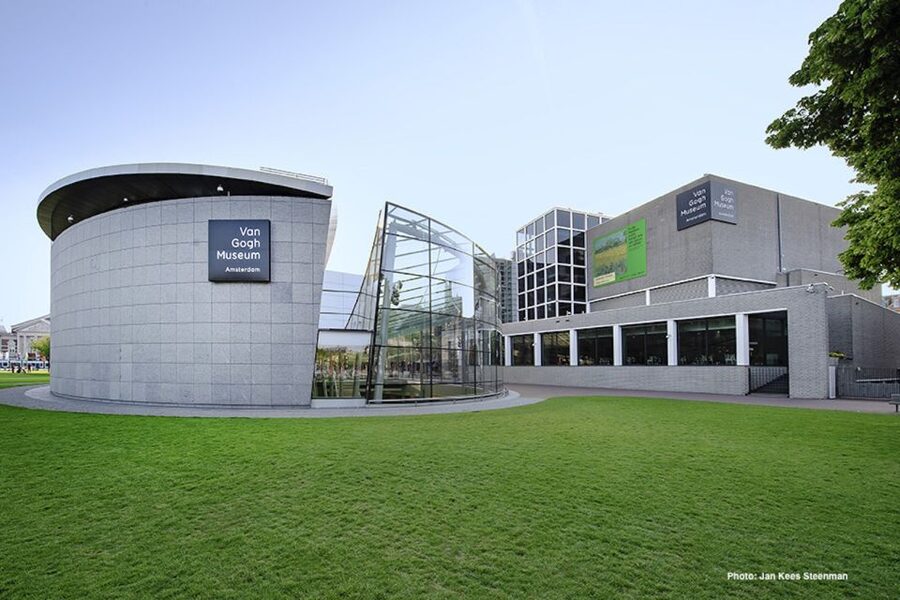
The middle of the tour brings together the parts that make Van Gogh so compelling: his changing technique, his emotional life, and the artistic setting around him.
Your guide examines details in the paintings that are easy to miss alone. You may be asked to consider the direction of the brushstrokes, the effect of contrasting colors, or the way a scene has been simplified. These details are not decoration. They show how Van Gogh moved away from the traditions he first admired.
The biography is handled as part of the art story. Guides explain the role of his family, especially the support and connection that helped preserve his work and shape the museum’s future. They also discuss relationships, disappointments, and mental health. The best version of this material avoids turning Van Gogh into a tragic character first and an artist second.
That distinction is important. Van Gogh’s struggles are often used to create a simple myth, but the museum allows you to see a working artist with changing ideas, influences, setbacks, and ambitions. The tour promises to separate truths and legends around his life, which gives the biography more value than a list of dramatic anecdotes.
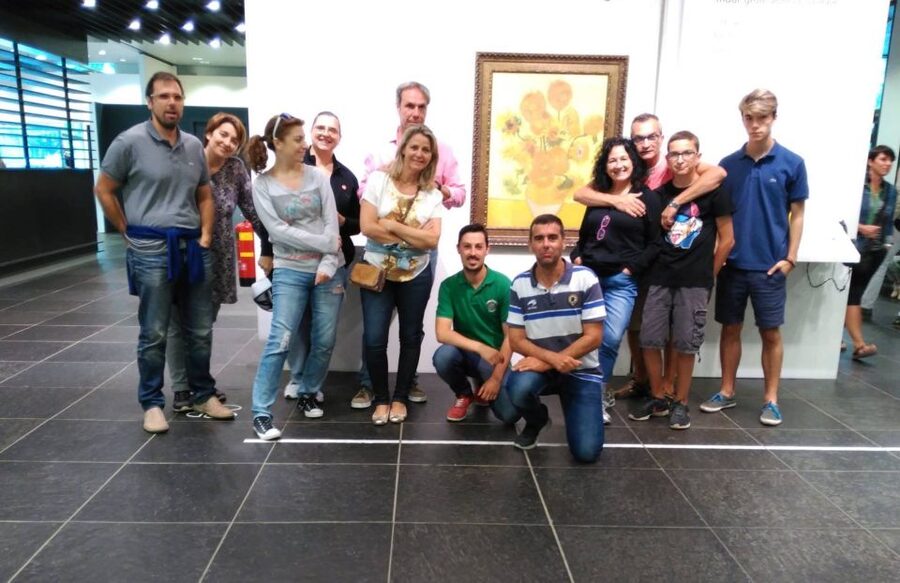
Nacho, in particular, has been praised for connecting Van Gogh’s paintings to the time and people around him. Other guides have been described as warm, funny, and careful with questions. Guide quality can vary by departure, but the experience clearly depends heavily on the person leading it.
More Van Gogh tickets and tours:
- Amsterdam: Van Gogh Museum Ticket and City Canal Cruise
★ 4.6 · 3,899 reviews - Amsterdam: Van Gogh Museum Ticket & Canal Cruise
★ 4.5 · 3,304 reviews - Van Gogh Museum Amsterdam Exclusive Tour w/ Reserved Entry
★ 5.0 · 1,760 reviews - Van Gogh Museum Tour Reserved Entry Semi Private
★ 5.0 · 1,437 reviews
The artists around Van Gogh
This is not only a Van Gogh display. The museum also includes work by artists from his circle and by other important nineteenth-century painters.
Gauguin and Toulouse-Lautrec appear as part of the artistic world connected to Van Gogh. Their presence helps you understand that he was not working in isolation. Artistic friendships, arguments, shared ideas, and competing styles all shaped the environment in which he painted.
The wider collection includes artists such as Claude Monet, Édouard Manet, Georges Seurat, and Camille Pissarro. You may not spend the same amount of time with each of them, but their work gives you a broader view of nineteenth-century painting.
I value this part of the visit because it stops the museum from becoming a single-artist shrine. You can compare approaches and see how Van Gogh’s work fits into, and then pushes beyond, the painting of his period. If you already know Van Gogh well, these surrounding artists may be one of the best reasons to take the guided route.
The limitation is time. A two-hour tour cannot give every artist equal attention. The guide must choose a route, and the group must keep moving. If a Gauguin or Seurat catches your eye, make a mental note to return after the tour if museum rules and closing time allow.
The final works and Van Gogh’s post-impressionist breakthrough
Later in the visit, the story reaches the paintings most people came to see. By this point, you have enough background to look at them with greater care.
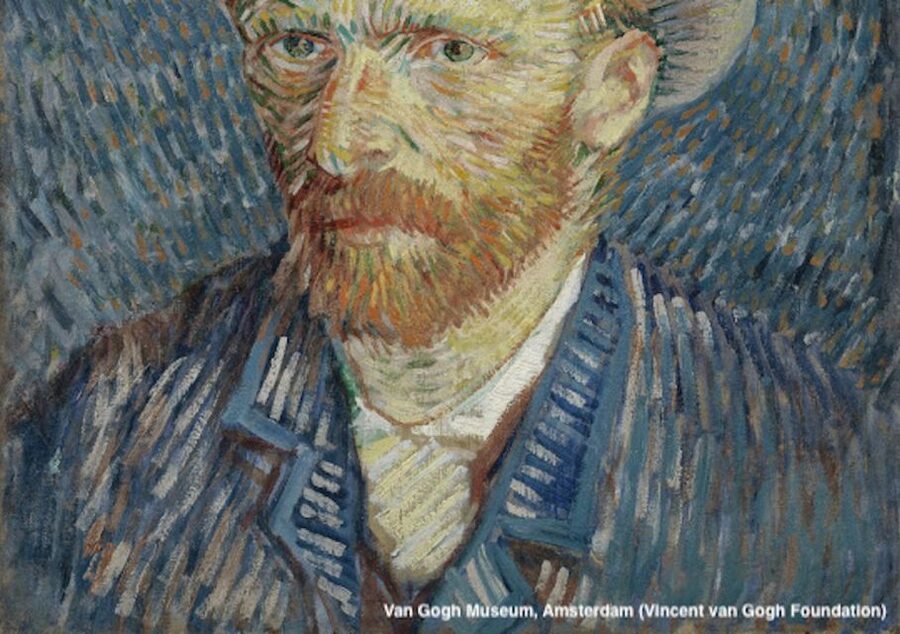
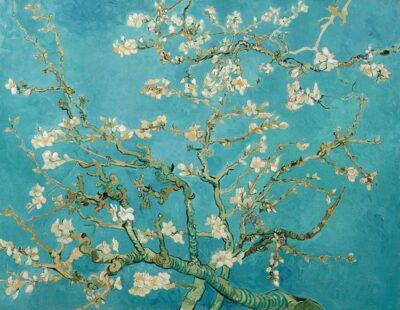
The guide explains how Van Gogh became a leading figure of post-impressionism. This is not just a label. It describes an artist who took some ideas from impressionism but pushed color, line, and emotional force in a more personal direction.
You will see a selection of his most significant works and trace the movement from observation toward expression. A field, portrait, interior, or night scene can become a study in rhythm and feeling. The guide’s job is to help you notice the choices without flattening the work into a single explanation.
Several people have appreciated being given time after a room to look again on their own. That is a good feature when it happens. A tour is most useful when the guide provides a foundation and then gets out of the way for a moment.
Still, do not expect unlimited time at each painting. The museum can be crowded, and one person found it difficult to return to works after the group had moved on. If a particular painting matters to you, tell the guide or remember its location so you can spend extra time there later.
What two hours feels like inside the museum
Two hours is long enough for a serious introduction, but it is not enough for a leisurely study of the entire museum.
The pace can feel comfortable when the group is moving through a selected route. Several guides have been praised for giving clear explanations while leaving room for questions and independent viewing. Some tours have even run longer than the advertised two hours, but you should not plan your day around extra time.
The museum’s popularity is the main practical challenge. In crowded rooms, voices can disappear under the general noise. One person specifically suggested that an audio system would have made the visit easier. Stay close to the guide, and do not hesitate to ask for a point to be repeated if you cannot hear.
Wear comfortable shoes. You will be standing and walking for much of the experience, and the visit can feel tiring even when the explanations are good. Cameras are not allowed, so do not plan to document the paintings with a camera during the tour. A phone may also be subject to museum rules, so follow the instructions given inside.
The museum building, cafe, temporary exhibitions, and shop
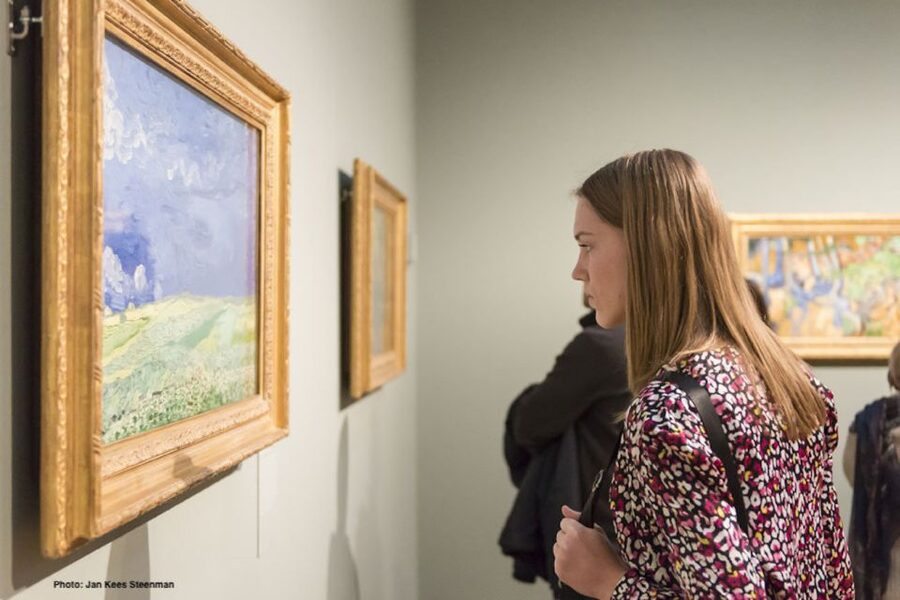
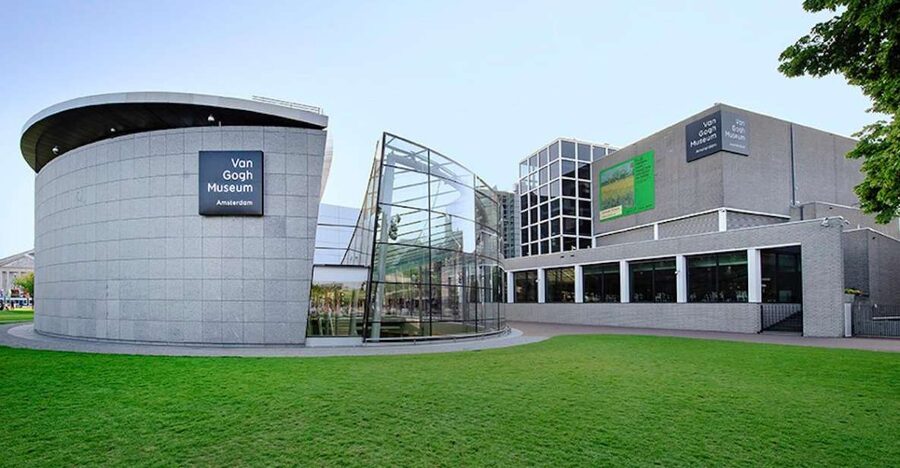
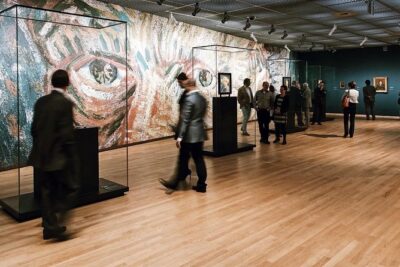
The museum itself is part of the experience. The building is designed for a large collection devoted to Van Gogh, while a newer wing opened in 2009 for temporary exhibitions connected to the artist, his work, and his period.
The temporary exhibition area can add useful context, but the exact display changes. Treat it as a possible bonus, not a guaranteed part of the guided route. Your guide’s main focus is Van Gogh and the permanent collection.
The museum also has a cafe and a shop. The cafe offers a place to pause after the tour, while the shop carries Van Gogh-related souvenirs. One practical warning: the shop may close before your tour finishes. If you want a particular book or keepsake, ask about closing time early rather than assuming you can browse at the end.
Because the tour ends inside or near the museum experience, you may want to plan a little flexibility afterward. That gives you a chance to revisit a painting, visit the shop, or sit down before continuing through Amsterdam.
Is $69 a fair price?
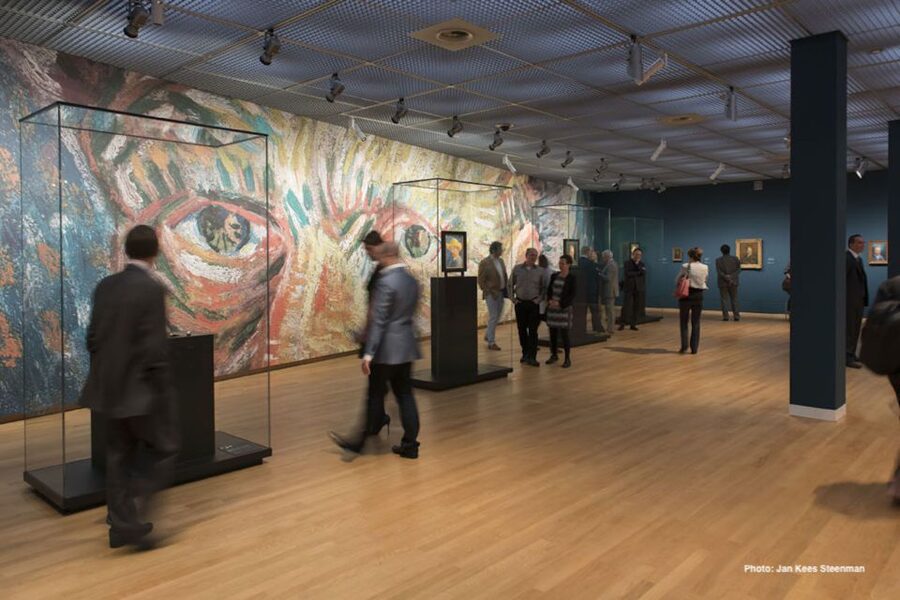
At $69 per person, this is not the cheapest way to enter the museum. You are paying for more than admission, though. The price includes the museum ticket, a two-hour guided route, and an art expert who can explain technique, biography, influences, and context.
For a first visit, I think the cost can make sense. The museum holds the world’s largest collection of Van Gogh’s work, and a good guide helps you use your limited time well. You avoid planning your own route and gain explanations that a simple visit may not provide.
The value is strongest if you are new to art museums, traveling with family, or want the personal story explained alongside the paintings. It is also useful if museum entry is difficult to secure separately.
The price is less appealing if you prefer complete independence, want to read every label, or already know Van Gogh’s work well. You may feel rushed when a painting deserves another ten minutes. In that case, a guided introduction followed by independent time would be ideal, but the available tour length may not guarantee that arrangement.
The free cancellation window is up to 24 hours before the tour, and you can reserve now and pay later. Bookings must be made before 18:00 on the day before the tour, so leave yourself enough time to decide.
Who should book this experience?
I would choose this tour for a first-time Van Gogh Museum visit, particularly if you want the paintings explained in Spanish. It suits anyone who likes a clear story, personal context, and the chance to ask questions.
It is also a good fit for people who find art museums intimidating. The guides have been praised for making the material friendly, funny, and easy to follow without reducing it to trivia.
Families and mixed-interest groups may benefit too. The stories and visual details give non-specialists something to hold onto, while the surrounding artists and technique offer more substance for people already interested in art.
I would think twice if you dislike group tours or need long, quiet periods in front of individual works. Crowds can make the guide hard to hear, and two hours may pass quickly.
Should you book the Van Gogh Museum guided tour?
Book it if you want a strong introduction to Van Gogh, prefer Spanish or English live guiding, and value a planned route with museum entry included. The best part is the human explanation: guides such as Nacho, Loli, Sophie, and Esthevan have brought humor, feeling, and useful art context to the visit.
Skip it if your priority is total freedom or a slow, solitary museum visit. The practical compromise is simple: take the tour for the story and technique, then use any remaining museum time to return to the paintings that caught you. Arrive early at Paulus Potterstraat 7, look for green clothing, wear comfortable shoes, and keep your expectations realistic about crowds.
FAQ
How long is the Van Gogh Museum guided tour?
The tour lasts two hours. Some tours may run longer, but the scheduled duration is two hours.
What is included in the price?
Museum entrance fees, a guided tour, and an art expert are included.
Is the tour offered in Spanish?
Yes. The activity is offered with a live guide in Spanish or English. The tour description specifically presents a Spanish-speaking art-history guide.
Where do I meet the guide?
Meet at Paulus Potterstraat 7, at the Van Gogh Museum ticket sales point. The guide wears green clothing to be easier to identify.
Is the meeting point the museum’s main ticket entrance?
Not necessarily. The group entrance is separate from the main ticket entrance, so arrive early and look for the stated ticket sales point.
What will I see during the visit?
You will see a selection of Van Gogh’s important paintings, work showing his artistic development, and paintings by related artists such as Gauguin and Toulouse-Lautrec. The museum also includes work by Monet, Manet, Seurat, and Pissarro.
Can I take photographs inside?
Cameras are not allowed.
What should I bring?
Wear comfortable shoes. You should also book before 18:00 on the day before the tour, since new bookings are not accepted after that time.
Just added around Amsterdam
- Private sightseeing tour to Bruges and chocolate from Amsterdam★ 5.0 · 11 reviews
- Amsterdam: Rijksmuseum (Private Tour & Priority Access)★ 5.0 · 27 reviews
- Amsterdam: Private Romantic Evening Canal Cruise + Bubbles/Snacks★ 5.0 · 46 reviews
- Amsterdam Private Shopping Experience★ 5.0 · 7 reviews
- Rijksmuseum Amsterdam Private Guided Tour★ 5.0 · 57 reviews
- Amsterdam Rijksmuseum PRIVATE TOUR with a Local Private Guide★ 5.0 · 159 reviews
- Private Photo Session in Amsterdam★ 5.0 · 15 reviews
- Private One way Transfer Amsterdam Airport to Amsterdam★ 3.5 · 42 reviews
Van Gogh Museum Tickets, compared.
Van Gogh Museum Amsterdam Exclusive Tour w/ Reserved Entry
Read our review →
Van Gogh Museum Tour Reserved Entry Semi Private
Read our review →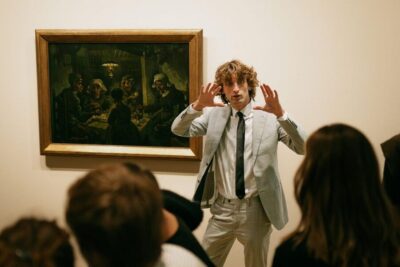
Combo Ticket: Van Gogh Museum Ticket and 1-Hour Canal Cruise
Read our review →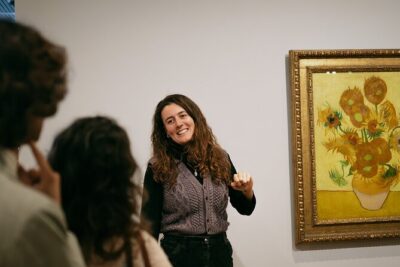
Van Gogh Museum Guided Tour & Entry Ticket (Max 6 ppl)
Read our review →Browse the lists this tour appears in