
Reviewed · ATTRACTION TICKETS IN AMSTERDAM
Amsterdam: Fabrique des Lumières Entry Ticket
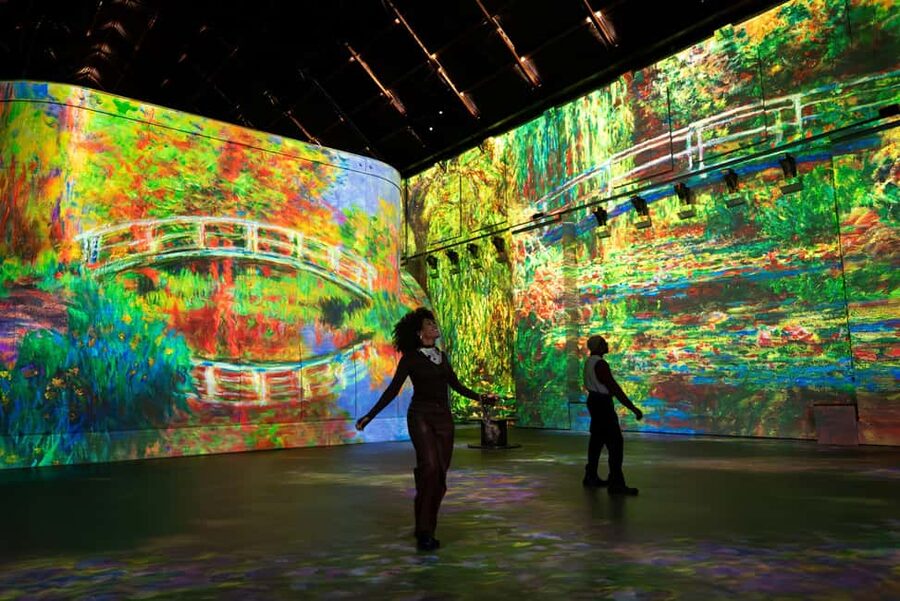
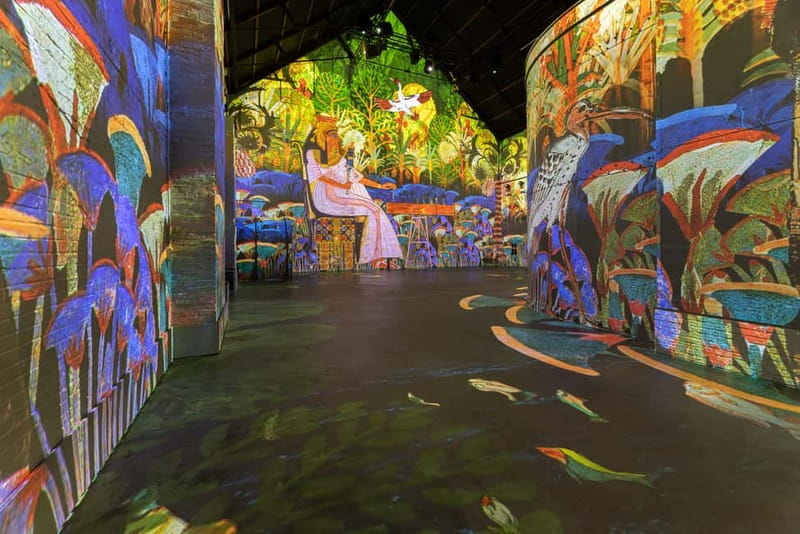
Ancient Egyptian temples, pharaohs, jewels, and painted reliefs spread across walls 17 meters high at Amsterdam’s Fabrique des Lumières. This is not a quiet gallery visit. It is a large-scale show of moving images, music, color, and light inside a former industrial space in Westergas park.
I like the excellent art-to-price ratio and the freedom to watch the program from several spots around the hall. I also like that the experience gives famous works a fresh setting, especially if you do not usually enjoy traditional museums. The main drawback is that the projections and music can feel intense, and the venue is not suitable for children under three or people with epilepsy.
Key points to know before you go
- Ancient Egypt takes center stage: The Kingdom of the Pharaohs follows pyramid builders, craftsmen, rulers, and religious beliefs through moving images and music.
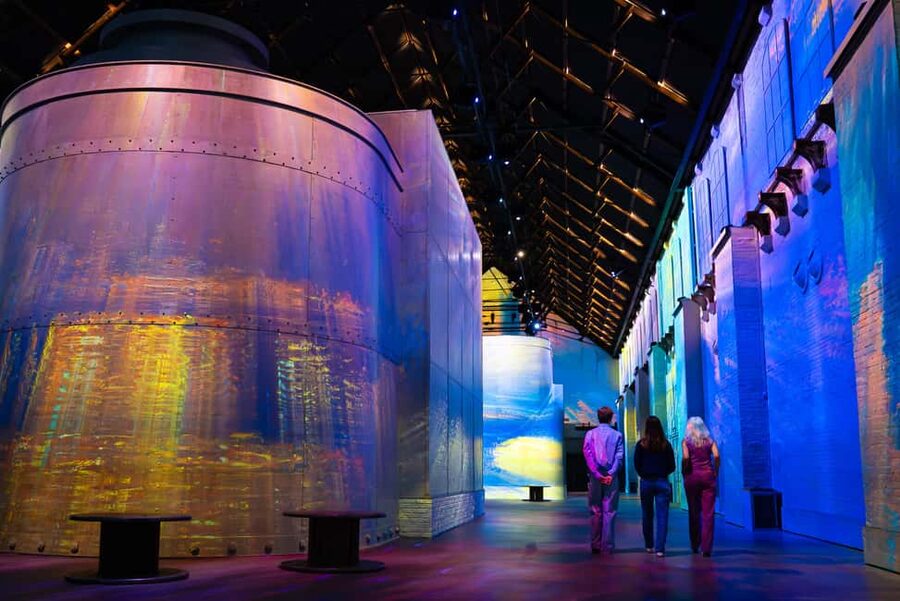
- A huge projection hall changes the experience: You see art across 3,800 square meters of walls, with some surfaces reaching 17 meters high.
- Three different programs are included: French Orientalist Painters and Foreign Nature provide very different moods after the Egypt presentation.
- Each program lasts about 40 minutes: You can stay longer and watch a favorite section again, which makes the $20 ticket good value.
- Westergas is easy to reach by public transport: The attraction fits well into a rainy-day plan or an afternoon away from Amsterdam’s busiest center.
- There are practical limits: Strollers, food, drinks, luggage, large bags, pets, and flash photography are not allowed.
Entering the 3,800-square-meter projection hall
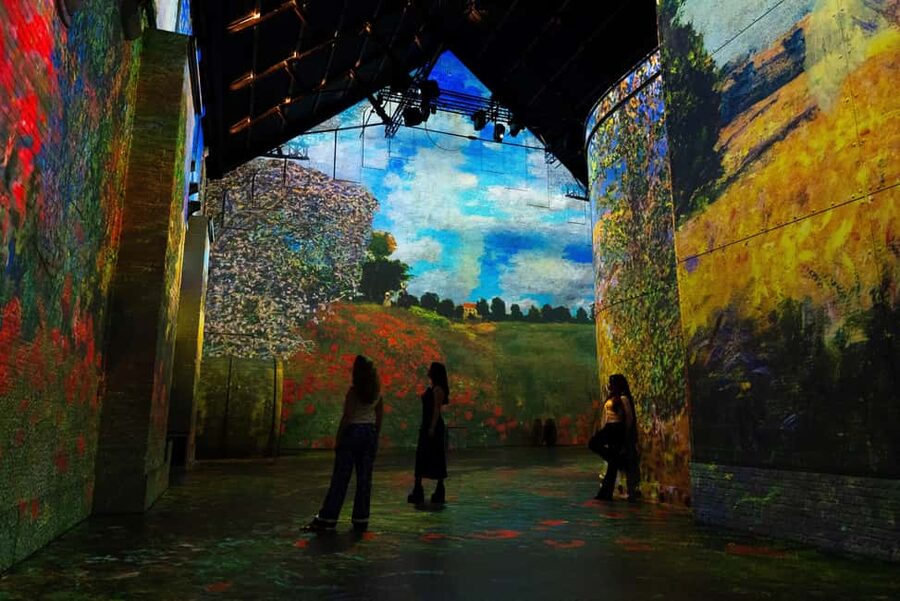
Fabrique des Lumières occupies a large industrial building in Westergas park. The scale matters. Instead of walking from one framed picture to another, you enter one open space where art covers the walls and floor around you.
Your timed ticket gets you past the ticket line and into the exhibition area. There is no guide, so you move through the presentation at your own pace. Lockers are included, useful because large bags and luggage cannot enter the display space.
I would arrive ready to walk around and change your viewpoint. You can watch from the main floor, find a quieter corner, or look for smaller spaces that offer a different angle. A balcony and a mirror room have also been noted as good places to see the projections in another way, though the exact setup can vary with the program.
The show is designed to run on a loop. That removes the pressure to catch every scene at the right moment. If you enter partway through, you can stay for the next cycle. It also means you can return to a section that caught your eye instead of treating the visit as a one-pass attraction.
More Attraction Tickets in Amsterdam
- Amsterdam: Van Gogh Museum Ticket
★ 4.7 · 52,054 reviews - Amsterdam: Heineken Experience Ticket
★ 4.6 · 30,055 reviews - Amsterdam: Rijksmuseum Entry Ticket
★ 4.7 · 25,535 reviews
The Kingdom of the Pharaohs and ancient Egypt
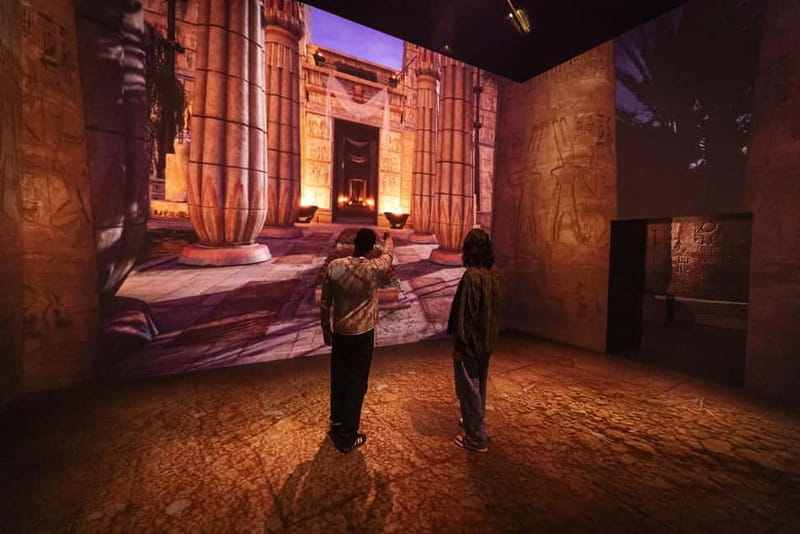
The main presentation, The Kingdom of the Pharaohs, carries you back to ancient Egypt through projected paintings, reliefs, statues, jewelry, monuments, and decorative details. The subject is familiar, but the format changes how you take it in.
A small museum object can be difficult to read at a distance. Here, a carved figure or painted detail can expand across an entire wall. Patterns move, monuments shift around the room, and images are joined to music. You get a broad sense of the visual world created by Egypt’s rulers, builders, and religious communities.
The presentation focuses on the people behind the monuments. You see the world of pyramid architects and highly skilled craftsmen who made art for pharaohs and deities. The story also points toward the afterlife, a central reason so much Egyptian art was created and preserved.
This is best understood as a visual introduction, not a detailed archaeology lesson. You will not receive a guide’s explanation of dates, excavations, or individual objects. If you want labels and precise museum context, the nearby traditional museums will serve you better. If you want to feel the scale and repeated symbols of Egyptian art, this format works very well.
The music shapes the visit as much as the images do. It can make the room feel calm in one moment and grand in the next. People who enjoy a quiet, contemplative setting may want to sit or stand still for a while rather than constantly take photos.
Flash photography is not allowed. That is a practical rule, but it also helps preserve the mood of the room. The darkness, changing color, and soundtrack are part of the presentation, not background decoration.
French Orientalist Painters in motion
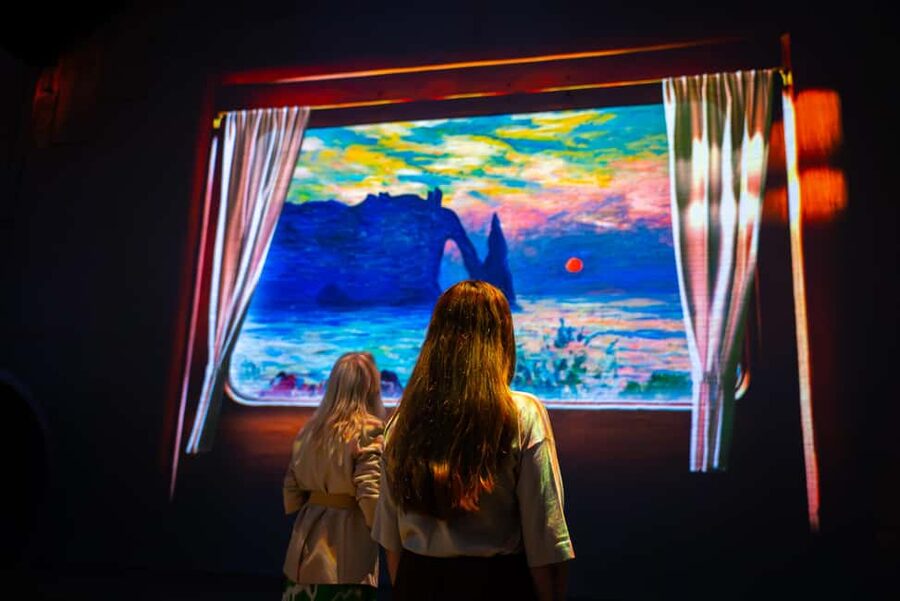
The second program turns to 19th-century French painters, including Ingres, Delacroix, and Gérôme. These artists looked toward Eastern countries as a new subject, often presenting places and customs through a Western and highly romanticized view.
The moving format brings out the drama of their color, clothing, architecture, and posed scenes. Large projections let you notice brushwork and composition in a different way from a standard gallery wall. The soundtrack adds a theatrical quality and helps connect separate paintings into one flowing presentation.
There is an important catch. Orientalist art can be beautiful while also relying on simplified or stereotyped ideas about the East. The show presents this art movement, but you should keep that historical limitation in mind. The visual pleasure is real, yet the pictures do not provide a neutral record of the places or people they depict.
I appreciate that this section can prompt a little more thought than a simple parade of pretty images. You can enjoy the color and movement while remembering that these paintings reflect the imagination and assumptions of 19th-century Western artists.
If you prefer Dutch art, check the current program before booking. The supplied program includes the three presentations above, while some past visits have featured Dutch masters and Van Gogh. Fabrique des Lumières changes its exhibitions, so the work shown on your date matters.
Foreign Nature turns mathematics into color
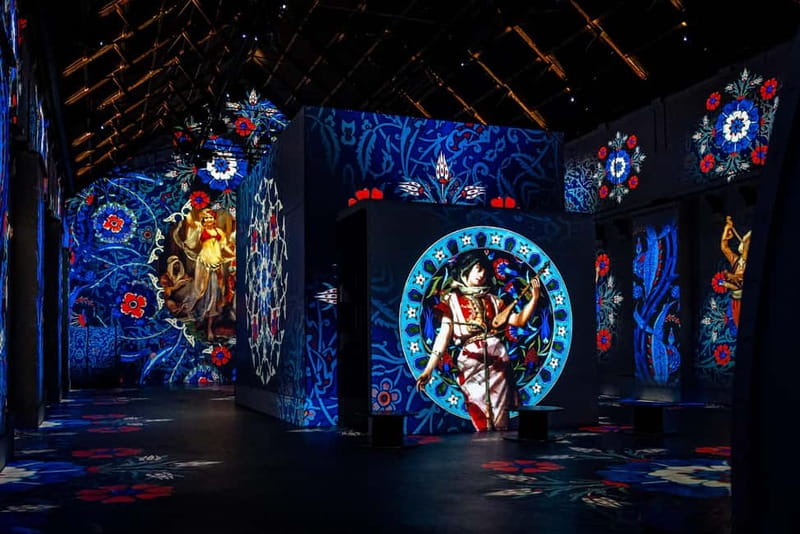
Foreign Nature is the most abstract part of the visit. Instead of projecting well-known paintings, it uses computer-generated fractals to build a strange world where mathematics and art meet.
You see repeating forms, shifting colors, and alien-looking spaces. There is no historical story to follow, so this section works more like a visual and musical pause after the Egyptian and Orientalist presentations.
I find this useful if you want the visit to move beyond famous names. You can simply watch the patterns form and change. It is also a good section for finding a place to sit, slow down, and take in the room without trying to identify every image.
The effect depends on your taste. If you came mainly for ancient Egypt or recognizable paintings, Foreign Nature may feel less substantial. If you enjoy abstract images and computer-made forms, it may be the most memorable part.
A few more Amsterdam half-days worth comparing
- Amsterdam Classic Saloon Boat Cruise with Drinks and Cheese
★ 5.0 · 31,825 reviews - Amsterdam Luxury Canal Cruise + Unlimited Drinks & Bites option
★ 5.0 · 30,518 reviews - Amsterdam: Classic Boat Cruise with Optional Cheese & Wine
★ 4.6 · 22,925 reviews - Amsterdam: Evening Cruise with Optional Wine and Snacks
★ 4.4 · 19,696 reviews
How long to plan and how to use the loop
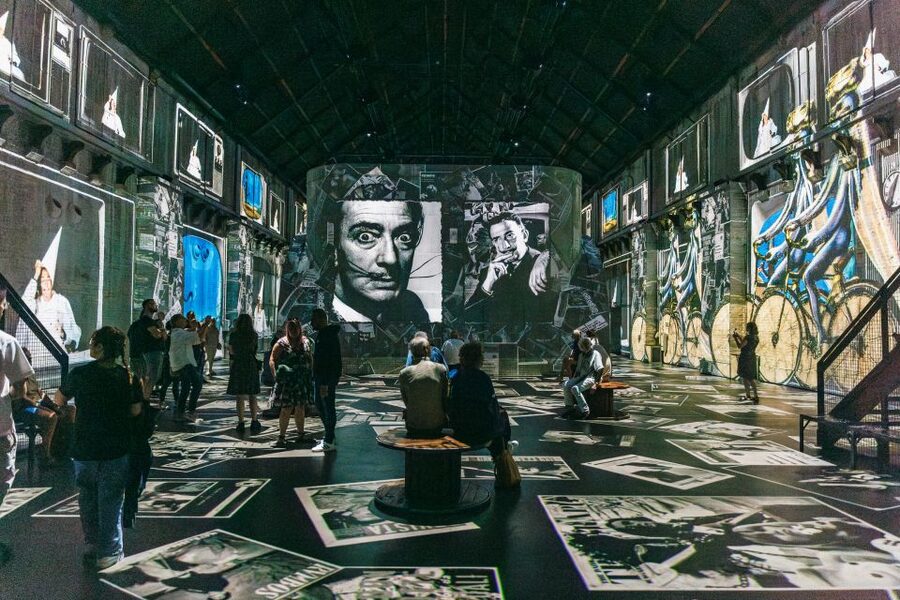
Each exhibition lasts about 40 minutes. Since several programs are offered, the full visit can take longer than the basic running time. You are allowed to stay and watch the presentations again, so you do not need to leave as soon as one cycle ends.
A short visit can work if you watch one program and move on. I would plan more time if you want to compare viewpoints, revisit a favorite section, or explore the smaller rooms. One visitor spent about two and a half hours at the attraction, which shows how easily the visit can expand when you stop treating it as a quick photo opportunity.
The loop is especially helpful for families and groups. People can arrive at different moments and still see the complete program. It also lets you avoid standing in one crowded spot for the whole show.
For the best personal experience, try at least two positions in the hall. Stand near the center for the full scale, then move toward an edge or smaller room for a more enclosed view. If a balcony or mirror room is open during your visit, use it for another perspective.
Why the music matters so much
The art projections are the main attraction, but the music supplies the emotional rhythm. Images do not simply appear as a slideshow. They expand, move, fade, and change in time with the soundtrack.
This combination explains why the visit feels different from a normal art gallery. You are not only looking at an object. You are watching a sequence unfold around you, with sound telling you when a scene feels peaceful, solemn, energetic, or dramatic.
The result can be powerful. It can also be a lot if you are sensitive to darkness, loud sound, fast movement, or flashing visual effects. The attraction specifically advises against visiting if you have epilepsy. I would also think carefully about bringing a very young child, since children under three are not considered suitable for the experience.
The show can be relaxing when you choose a place to sit and let it run. It can also feel like a digital theater. That range is part of its appeal, but you should not expect the quiet, low-stimulation pace of a conventional museum.
Who will get the most from this ticket
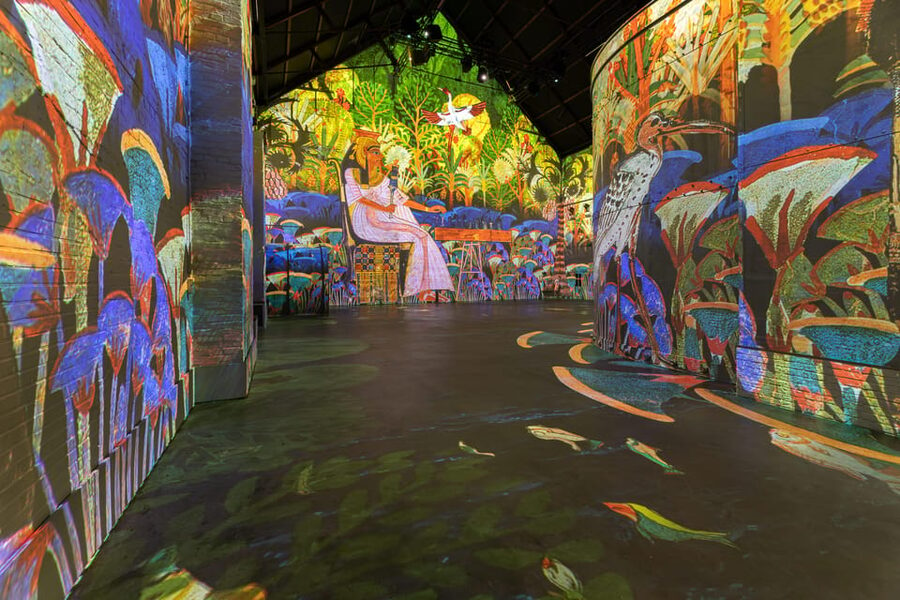
I would recommend Fabrique des Lumières to several kinds of visitors:
- You want an art experience that feels different from a standard museum.
- You have a rainy afternoon in Amsterdam and want an indoor attraction.
- You enjoy music, projections, and large-scale visual effects.
- You are curious about ancient Egypt but prefer a broad sensory introduction to detailed labels.
- You want to see famous art in a setting that is easy to share with friends or family.
- You like returning to a scene from several angles instead of moving through a fixed route.
It may not suit you if you want original paintings, an expert guide, or detailed written information beside each work. There is no guide included, and the focus is on the total audiovisual experience rather than close study of individual objects.
It is also not a good choice for people with epilepsy or children under three. Strollers are not allowed, and neither are food, drinks, pets other than assistance dogs, large bags, or luggage.
The $20 price and overall value

At $20 per person, I consider this a fair Amsterdam ticket, especially because you can stay longer than one 40-minute cycle. The value improves if you watch more than one presentation or view the same show from different areas.
You are paying for scale, technology, music, and the chance to see several art themes in one building. You are not paying for a personal explanation, a museum collection, or access to original works. That distinction helps set the right expectation.
The experience also has practical value. It is easy to reach by public transport in Westergas park, it is wheelchair accessible, and the timed entry helps you plan your day. A flexible booking option lets you reserve now and pay later, while cancellation is available up to 24 hours before the visit for a full refund.
For an art lover, the price is sensible if you treat the ticket as a show rather than a museum admission. For a casual visitor, it is still worthwhile if you enjoy visual effects and stay long enough to see the program from more than one position.
Practical tips for a smoother visit
Book a timed entry that fits your day, then allow time to reach Westergas park. Public transport makes the venue accessible, but the attraction itself is not in the middle of Amsterdam’s main museum district.
Wear something comfortable enough for standing or walking around. The presentation encourages movement, and you may want to change positions as the images travel around the walls.
Leave large bags and luggage elsewhere. Lockers are available, but the restrictions still matter. Do not bring food or drinks into the exhibition space, and keep flash photography turned off.
If you are visiting with friends, agree on a meeting point before the show starts. The dark hall and changing projections can make it easy to lose track of one another.
I would also resist the urge to film the entire program. A short photo or video may be useful as a reminder, but the full effect comes from looking up, listening, and allowing the images to move around you.
Should you book Fabrique des Lumières?
Book it if you want a modern, theatrical way to experience art and you have at least 40 minutes to spare in Amsterdam. The combination of ancient Egypt, French Orientalist painting, fractal animation, music, and enormous projections gives you more variety than a single themed show.
Skip it if your main goal is to study original artworks in silence or learn detailed facts from a guide. For everyone else, especially visitors who find regular museums tiring, this is one of Amsterdam’s more accessible and unusual cultural stops. At $20, the option to stay for repeat showings makes the ticket a good buy.
FAQ
Where is Fabrique des Lumières located?
Fabrique des Lumières is located in Westergas park in Amsterdam, in North Holland, Netherlands.
How much does the entry ticket cost?
The listed price is $20 per person.
How long does each exhibition last?
Each exhibition lasts approximately 40 minutes.
Can I stay and watch an exhibition again?
Yes. You can stay longer and watch the presentations again after the first cycle.
What exhibitions are included?
The program includes The Kingdom of the Pharaohs, French Orientalist Painters featuring Ingres, Delacroix, and Gérôme, and Foreign Nature.
Is the ticket timed?
Yes. The ticket provides timed entry, and you should check availability for the starting times offered on your date.
Is there a guide included?
No. A guide is not included with the ticket.
Is Fabrique des Lumières wheelchair accessible?
Yes. The venue is wheelchair accessible.
Are lockers available?
Yes. Lockers are included.
Can I bring a stroller, large bag, or luggage?
No. Baby strollers, luggage, and large bags are not allowed.
Is the experience suitable for young children?
Children under three are not considered suitable for the experience. Pets are not allowed, although assistance dogs are permitted.
Can I bring food or drinks?
No. Food and drinks are not allowed inside.
Can I cancel my booking?
Yes. You can cancel up to 24 hours in advance for a full refund.
Can I reserve now and pay later?
Yes. The booking option allows you to reserve your place and pay later.
Just added around Amsterdam
- Private sightseeing tour to Bruges and chocolate from Amsterdam★ 5.0 · 11 reviews
- Amsterdam: Rijksmuseum (Private Tour & Priority Access)★ 5.0 · 27 reviews
- Amsterdam: Private Romantic Evening Canal Cruise + Bubbles/Snacks★ 5.0 · 46 reviews
- Amsterdam Private Shopping Experience★ 5.0 · 7 reviews
- Rijksmuseum Amsterdam Private Guided Tour★ 5.0 · 57 reviews
- Amsterdam Rijksmuseum PRIVATE TOUR with a Local Private Guide★ 5.0 · 159 reviews
- Private Photo Session in Amsterdam★ 5.0 · 15 reviews
- Private One way Transfer Amsterdam Airport to Amsterdam★ 3.5 · 42 reviews
Attraction Tickets in Amsterdam, compared.



Keukenhof Ticket and Roundtrip Shuttle Transfer
Read our review →
Moco Museum Amsterdam Entrance Tickets with Banksy & More
Read our review →

Browse the lists this tour appears in