
Reviewed · REMBRANDT TOURS
2 Hour Making Rembrandt’s Traditional Oil Paints in Amsterdam
Rembrandt’s paintings can look almost magical, but the magic begins with plain materials: colored earth, powdered pigment, and oil. In this private Amsterdam workshop, you make your own oil paints from 14 natural pigments, then use them for a small painting of your own.
I like two things right away. First, this is not just a talk about Rembrandt. You handle the materials and mix the paint yourself. Second, the private format gives you personal guidance from Eric, whose lessons combine painting technique with stories about the Dutch master. The main drawback is the price, about $114.88 per person for roughly two hours, so it makes the most sense if you want a hands-on art experience rather than a quick museum stop.
Key points to know before booking
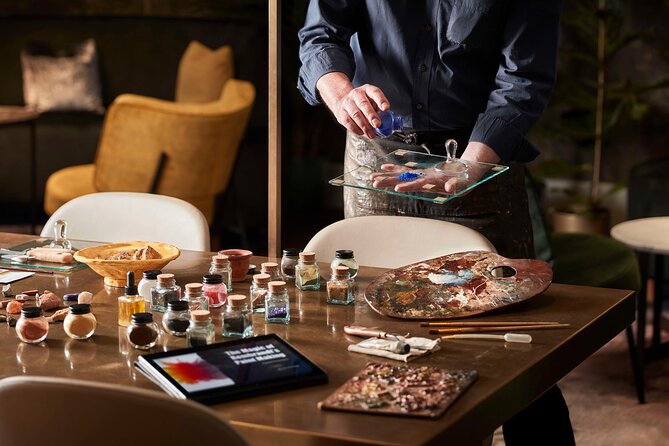
- You make the paint yourself: Mix natural pigments with linseed oil instead of simply watching a demonstration.
- Fourteen pigments open up many colors: The workshop shows how a limited set of materials can create a wide working palette.
- Eric leads the private class: Your group receives direct attention in an English-language session.
- You leave with a small painting: The final piece gives the workshop a practical finish and a personal souvenir.
- The location is central Amsterdam: Meet at Nieuwe Doelenstraat 24, near public transportation.
- The two-hour format is easy to fit in: Sessions run daily between 3:00 and 7:00 PM, subject to the available start time.
Why making paint changes the way you see Rembrandt
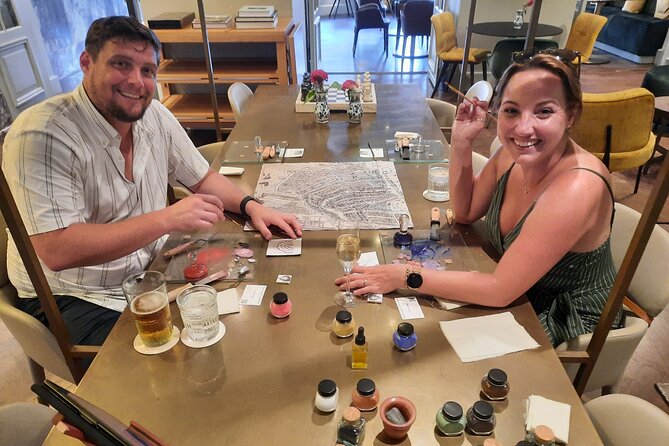
Most art workshops hand you prepared colors and get straight to painting. This one begins earlier, with the stuff that makes painting possible. You work with natural pigments and linseed oil, learning how the color on a canvas starts as a dry powder before it becomes smooth, workable paint.
That simple change in approach matters. When you mix your own paint, you see that historical painting was not only about a gifted hand. It also depended on materials, preparation, texture, and the way colors behaved under a brush. You gain a better sense of the work behind the finished image.
The workshop focuses on Rembrandt van Rijn and the techniques associated with his period. It does not promise that you will reproduce one of his major paintings in two hours, and that is a good thing. The realistic goal is smaller: understand a few principles, make paint in a traditional manner, and use it to create a mini masterpiece of your own.
More Rembrandt sites and tours:
- Amsterdam: Rembrandt House Museum Entrance Ticket
★ 4.7 · 3,385 reviews - Rembrandt House Museum Amsterdam Entrance Ticket
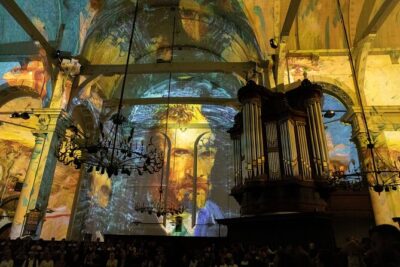
★ 4.5 · 355 reviews - Amsterdam: Van Gogh and Rembrandt Immersive Experience Entry
★ 4.2 · 334 reviews
Meeting Eric at Nieuwe Doelenstraat 24
The class begins at Nieuwe Doelenstraat 24, 1012 CZ Amsterdam, and finishes at the same place. The meeting point is near public transportation, which helps if you are fitting the workshop between other stops in central Amsterdam.
The activity is offered in English. Eric is the instructor named in the available information, and his role is more than simply showing you where to mix colors. He brings in Rembrandt’s story while guiding you through the practical work. That combination is important. You do not have to choose between a history lesson and a craft class.
The exact room setup and surrounding sights are not specified, so I would not book this expecting a formal museum visit or a tour of several Rembrandt locations. The value is inside the workshop itself. You arrive at the stated address, take part in the class, and return to the same meeting point when it ends.
The first stage: preparing traditional oil paints
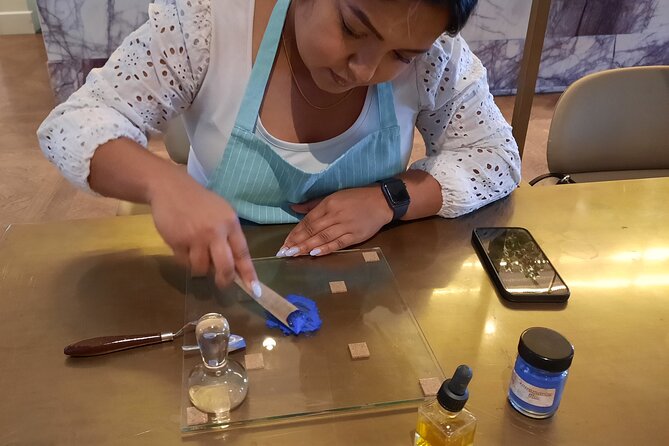
The hands-on work centers on mixing pigment and linseed oil. The dry pigment provides the color, while the oil turns it into paint that can be worked onto a surface. Under Eric’s direction, you learn how these ingredients come together in the style of earlier painters.
The appeal is tactile. You are not pressing a button or opening a tube. You are making decisions about color and consistency while learning what goes into a traditional oil paint. The process gives you a better feel for why handmade materials can behave differently from modern, ready-made supplies.
The available details do not specify the exact tools, quantities, or formula for each pigment, so you should not expect a full professional paint-making course. This is a compact introduction designed to fit into two hours. Still, the short format can work in your favor. You get the central idea without committing half a day to a technical workshop.
Fourteen natural pigments and a broad color palette
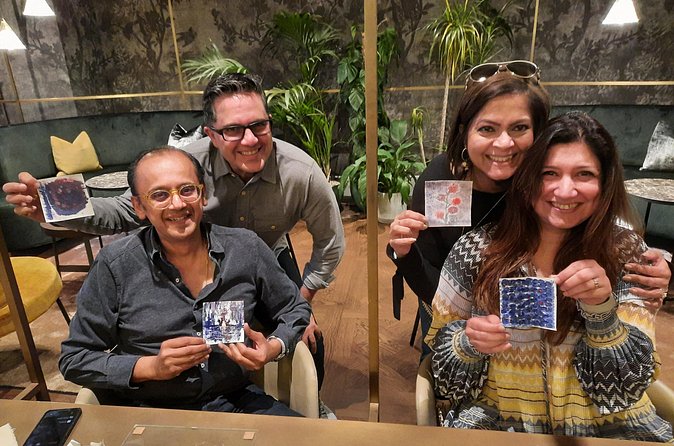
Fourteen natural pigments may sound like a limited selection beside the rows of tubes in a modern art shop. In practice, learning to combine a smaller group of colors can sharpen your eye. You begin to notice how a color is made instead of treating every shade as a separate product.
The class presents these pigments as a way to create an almost endless range of colors. That does not mean you will produce every possible shade in a single session. It means you will see how mixing expands what a small set of basic materials can do.
This is one of the strongest reasons to choose the experience over a standard painting class. The workshop links the color on the palette to the material beneath it. You are not only making an image. You are learning why the image can have the color, weight, and surface it does.
If you already paint, you may appreciate the material lesson most. If you are new to painting, the class gives you a clear starting point without requiring advanced skill. The information says most people can participate, which makes this a fairly approachable activity, though working with oil paint still requires patience and attention.
A few more Amsterdam half-days worth comparing
- Amsterdam: 2-Hour Canal Cruise incl. Drinks & Dutch Snacks
★ 5.0 · 594 reviews - Amsterdam 2-hour Private Canal Cruise with Live Guide and Drinks
★ 5.0 · 296 reviews - Amsterdam 2-Hour Evening Cruise With Live Guide and Bar
★ 5.0 · 134 reviews - Amsterdam: 2-Hour Sightseeing Tour by Rickshaw
★ 4.7 · 81 reviews
Learning from Rembrandt without trying to copy him
The workshop uses Rembrandt as its central reference. You learn about his style and techniques while making your own materials, so the historical information has a practical purpose.
That context can change how you look at his work later. Instead of seeing only the finished colors and dramatic effects, you may think about how the paint was mixed, how thickly it might have been applied, and how a painter’s materials shaped the final image. One especially useful part of the experience is the connection between history and action. Eric explains the period while you are doing the work, not after the fact.
The class is best understood as Rembrandt-inspired, not as a chance to recreate his entire method in exact detail. A two-hour workshop cannot cover every part of his practice. It can, however, give you a concrete feel for one important part of the process: making and using oil paint.
Painting your small piece
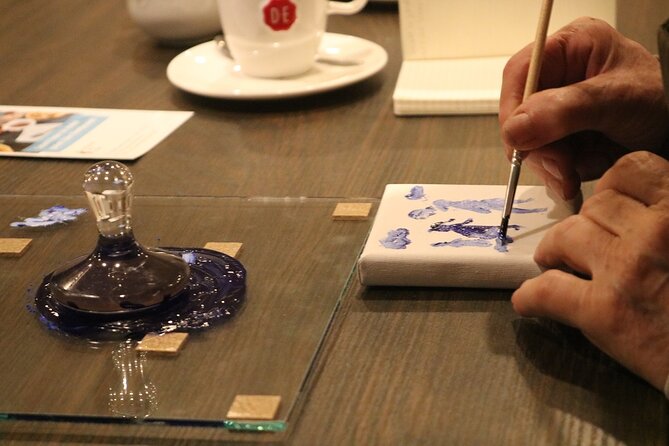
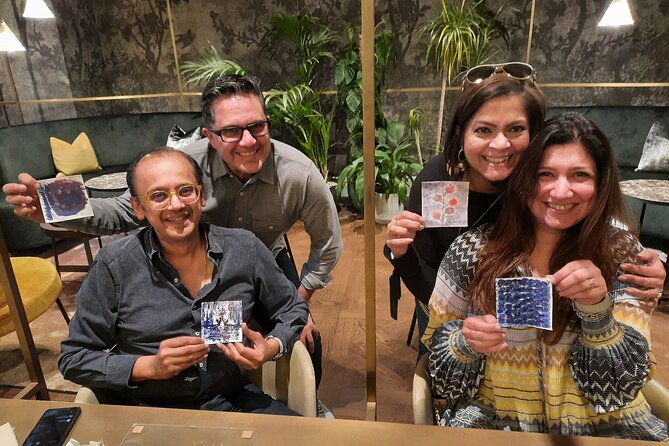
After preparing your colors, you use them to create a small painting. This final stage keeps the workshop from feeling like a chemistry demonstration. You get to see how your handmade paint works as part of an image.
The project is described as a mini masterpiece, but keep your expectations sensible. The point is not to produce a gallery-ready Rembrandt. The point is to apply what you have learned and leave with something personal that connects to the activity.
I like this format for a short Amsterdam visit because the finished piece gives the experience a physical memory. A photo of a historic painting can blur into the rest of a trip. A small work made with your own paint has a different weight. It reminds you not only of Rembrandt, but also of the mixing, the colors, and the decisions you made during the class.
The available information does not specify the subject, size, or drying arrangements for the piece. If you need to pack it immediately or carry it safely on a flight, ask about that before booking.
Why the private format matters
This is a private activity, meaning only your group takes part. That is a useful advantage for an art class. You can ask questions without holding up a larger group, and Eric can give more direct help as you mix pigments and work on your painting.
A private class can also suit mixed-ability groups. One person may already know about oil painting while another is picking up a brush for the first time. Personal guidance makes it easier for each person to work at a comfortable pace.
There is a tradeoff. Private experiences often cost more per person than a large shared class. At about $114.88 per person, this is not a bargain activity for someone who simply wants to occupy an hour. You are paying for the small group, the instruction, the traditional materials, and the focused time with the instructor.
For a couple, family, or small group with a real interest in art, that price may feel reasonable. For a solo visitor comparing it with a free museum visit, it is a more serious purchase. The key question is whether you want to look at Rembrandt or spend time making something connected to his practice.
Fitting the 3:00 to 7:00 PM window into your day
The experience runs daily from 3:00 PM to 7:00 PM, with the class lasting about two hours. That gives you an afternoon or early evening option after morning sightseeing.
A later start can be useful in Amsterdam. You can visit another attraction first, have lunch, and then head to Nieuwe Doelenstraat 24 for the workshop. Still, do not treat the full four-hour opening window as a drop-in period. The activity itself has a planned start time, and your booking confirmation will provide the relevant details.
Because the class ends where it begins, you can plan your next stop from the same central area. The workshop does not include a separate transfer or a second destination. That keeps the logistics simple, especially if you are building a packed day around public transportation.
The experience is booked, on average, about 45 days ahead. That is a useful planning signal. If this is important to your Amsterdam schedule, reserve early rather than assuming you can find a place at the last minute.
Is $114.88 good value?
The cost looks high beside a normal museum ticket, but it covers a different kind of afternoon. You are paying for a private English-language class, direct instruction, natural pigments, paint-making, and a small finished work.
The strongest value comes from participation. If you want to understand how historical oil paint was made, the activity offers something a museum label cannot. You learn through your hands, and the process may make the art you see afterward more meaningful.
The value is weaker if you are mainly interested in Rembrandt’s biography, major paintings, or Amsterdam sightseeing. The available information does not include museum admission, a city walk, or a visit to a Rembrandt collection. You should choose this for the workshop, not as a replacement for seeing his art in a museum.
A private class also gives you more attention than a large group lesson. That matters when you are learning a process with several steps. If your group enjoys making things and asking questions, the cost is easier to justify.
Who will enjoy this workshop most?
I would point this experience toward:
- Art lovers who want to understand materials, not only admire finished paintings.
- First-time painters looking for a guided and manageable introduction to oil paint.
- Couples and small groups who prefer a private activity with personal instruction.
- Short-stay visitors who need a focused two-hour activity.
- Families with older children or teens, provided everyone is comfortable taking part in an art class.
- Repeat Amsterdam visitors who have already seen the major sights and want a more hands-on experience.
It may not suit you if you want a broad tour of Amsterdam, a long studio session, or a formal lesson in advanced oil-painting technique. The class is short and centered on one idea: make traditional paint, learn about Rembrandt, and use the result in a small artwork.
Service animals are allowed, and most people can participate. The activity is near public transportation, which helps with access, though the available information does not give details about the room, seating, or specific mobility arrangements.
Booking, cancellation, and practical planning
You receive confirmation at the time of booking, and the activity is offered with a mobile ticket. Keep the meeting address handy: Nieuwe Doelenstraat 24, 1012 CZ Amsterdam.
Free cancellation is available if you cancel at least 24 hours before the start time. Cancellations or changes made less than 24 hours before the start are not accepted for a refund, and the cut-off follows local Amsterdam time.
Since the class is often booked well in advance, I would choose your date before your schedule fills up. The afternoon timing is easy to use, but leave enough time to reach the meeting point without rushing. Mixing paint and learning a new process is more enjoyable when you arrive calm and ready to work.
Should you book the Rembrandt paint-making workshop?
Book it if you want an active art experience with a clear historical link. The combination of 14 natural pigments, linseed oil, Eric’s personal instruction, and a small painting makes this more distinctive than a basic painting class.
Skip it if your main goal is to see original Rembrandt paintings or to keep your Amsterdam spending low. For the right person, $114.88 buys a memorable, private lesson and a handmade souvenir. For everyone else, a museum visit may offer better value.
My practical advice is simple: if the idea of making your own paint sounds as interesting as looking at the finished art, reserve this early. That is where the workshop earns its place in your itinerary.
FAQ
How long does the Rembrandt paint-making experience last?
The workshop lasts approximately two hours.
Where does the activity start?
It starts at Nieuwe Doelenstraat 24, 1012 CZ Amsterdam, Netherlands.
Where does the activity end?
The activity ends back at the meeting point.
What time is the workshop available?
The experience is offered Monday through Sunday between 3:00 PM and 7:00 PM during the stated operating period.
Is the workshop offered in English?
Yes. The activity is offered in English.
Is this a private activity?
Yes. Only your group participates in the private class.
What will I make during the workshop?
You will make handmade oil paints using 14 natural pigments and linseed oil, then create a small painting with them.
Is public transportation available near the meeting point?
Yes. The meeting point is near public transportation.
Can I cancel for a full refund?
Yes, if you cancel at least 24 hours before the experience start time. Cancellations or changes made less than 24 hours before the start are not accepted for a refund.
Just added around Amsterdam
- Private sightseeing tour to Bruges and chocolate from Amsterdam★ 5.0 · 11 reviews
- Amsterdam: Rijksmuseum (Private Tour & Priority Access)★ 5.0 · 27 reviews
- Amsterdam: Private Romantic Evening Canal Cruise + Bubbles/Snacks★ 5.0 · 46 reviews
- Amsterdam Private Shopping Experience★ 5.0 · 7 reviews
- Rijksmuseum Amsterdam Private Guided Tour★ 5.0 · 57 reviews
- Amsterdam Rijksmuseum PRIVATE TOUR with a Local Private Guide★ 5.0 · 159 reviews
- Private Photo Session in Amsterdam★ 5.0 · 15 reviews
- Private One way Transfer Amsterdam Airport to Amsterdam★ 3.5 · 42 reviews
Rembrandt Tours, compared.
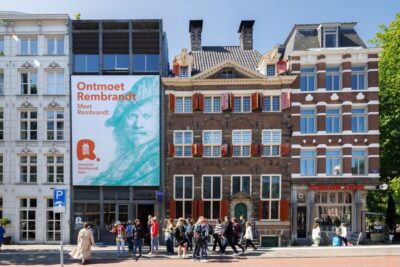
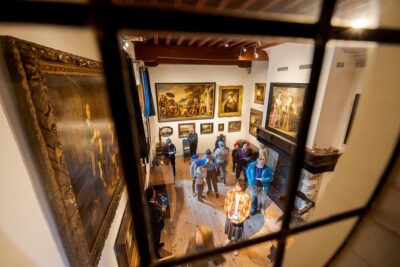
Rembrandt House Museum Amsterdam Entrance Ticket
Read our review →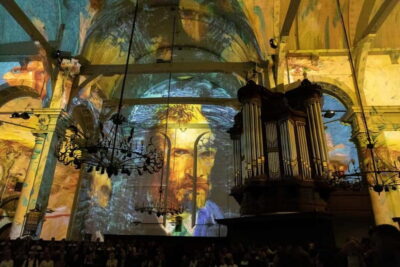
Van Gogh and Rembrandt Immersive Experience Entry
Read our review →
Private Rijksmuseum Tour- The Dutch Masters, Rembrandt & Vermeer
Read our review →
Leiden Tour with Live guide and Visit to Rembrandt’s First Studio
Read our review →
Van Gogh and Rembrandt Immersive Experience Entry Amsterdam
Read our review →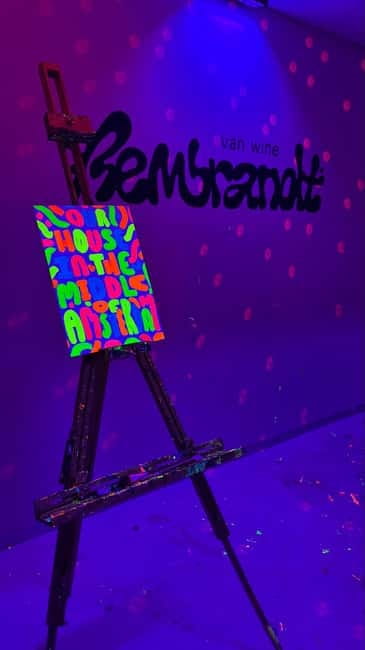
Browse the lists this tour appears in