
Reviewed · HISTORICAL TOURS
LGBTQI+ History Tour of Amsterdam
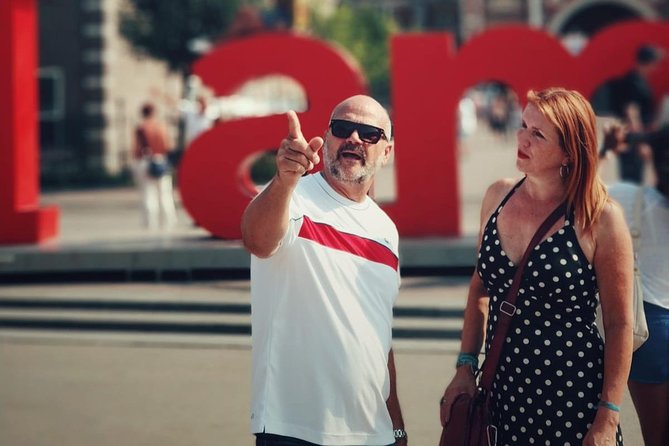
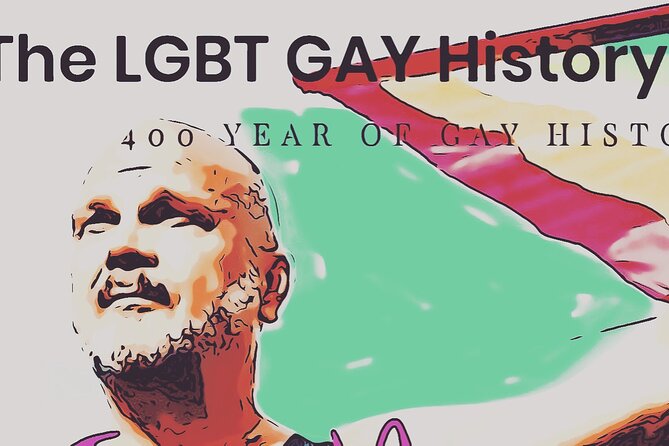
Amsterdam’s LGBTQI+ story comes alive on this two-hour walk with Henk, a gay Amsterdammer who lived through the early years of the modern gay movement. The route links memorials, canals, old bars, royal buildings, and streets where LGBTQI+ life took shape.
I like the small maximum of 15 people, which gives you room to ask questions. I also like the way Henk mixes city history with personal memories, Dutch poetry, humor, and difficult subjects such as wartime persecution and the AIDS crisis. The main consideration is that this is a walking tour with no museum admission included, so bring good shoes and expect a serious, sometimes emotional afternoon.
Key points to know before booking
- A personal guide: Henk brings firsthand experience of Amsterdam’s gay movement, not just dates and names.
- A memorial at the start: The Gay Monument sets a thoughtful tone and explains why Amsterdam built the world’s first monument of its kind.
- A central city route: You walk from Westermarkt through Dam Square, the Red Light District, Chinatown, and the Zeedijk.
- A historic final stop: The walk ends at Café ’t Mandje, associated with Bet van Beeren and Amsterdam’s early lesbian bar culture.
- A compact group: With no more than 15 people, questions and conversation are part of the experience.
- A good value at $42.33: The price covers a two-hour guided walk, but not drinks, water, or entry to the Royal Palace.
Why this walk shows Amsterdam from a different angle
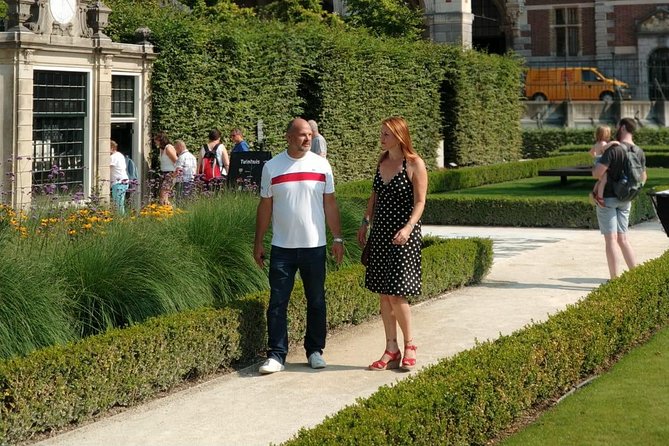
Amsterdam is often introduced through canals, grand merchants’ houses, museums, and coffee shops. This tour uses many of those same streets but asks different questions. Who could meet safely here? Which places offered room for LGBTQI+ people to find one another? How did law, religion, war, art, politics, and ordinary city life shape acceptance?
That makes the walk useful even if you already know central Amsterdam. You are not simply being shown famous buildings. You are being asked to see them through the lives of people who were often left out of standard city stories.
The route is especially effective because it connects public symbols with everyday places. You begin at a memorial, pass through the civic heart of the city, cross the Red Light District, and finish at a bar with a direct link to lesbian history. The physical distance is modest, but the subject reaches across several centuries.
Henk is the key part of that design. He brings personal experience from the beginning of Amsterdam’s modern gay movement, along with stories about people and events that may not appear on a standard sightseeing route. His style, based on the available description of the experience, combines facts with personal anecdotes, humor, Dutch poetry, and plenty of time for questions.
You should expect a tour with feeling. The subject includes courage and progress, but also discrimination, war, loss, and the AIDS epidemic. Henk’s warmth and humor help keep the walk human rather than academic, though some sections may be moving.
More History Tours in Amsterdam
- Amsterdam Food and Cultural Tour with Tastings
★ 5.0 · 2,442 reviews - Amsterdam: Haunted History and Ghost Walking Tour
★ 4.5 · 488 reviews - Amsterdam High-End Dutch Food & History Tour – Up to 8 guests
★ 5.0 · 482 reviews
Westermarkt and the Gay Monument
The meeting point is Westermarkt 2L, near the Gay Monument. The tour starts at 11:00 a.m., and this first stop receives about 30 minutes, making it the longest single stop on the route.
The monument honors LGBTQI+ people who suffered in the past, those facing hardship today, and those who will live in the future. Henk explains how the Netherlands came to have the first monument in the world dedicated to gay victims.
This is a strong opening because it gives the walk a clear purpose. You are not beginning with a list of dates or a general introduction to Amsterdam. You start with memory, public recognition, and the question of who gets remembered.
Expect the subject to include painful chapters. The tour does not avoid difficult points in LGBTQI+ history, and the material may be emotional, especially when Henk discusses the AIDS crisis and the loss of loved ones. That honesty is one of the tour’s strengths, but you should not book this expecting two hours of light entertainment.
The monument is also a practical place to begin. Westermarkt is in the central canal belt, so the route can move naturally toward Dam Square. Wear shoes that are comfortable on paved city streets, and bring water since refreshments are not provided.
Canal houses and Amsterdam’s city plan
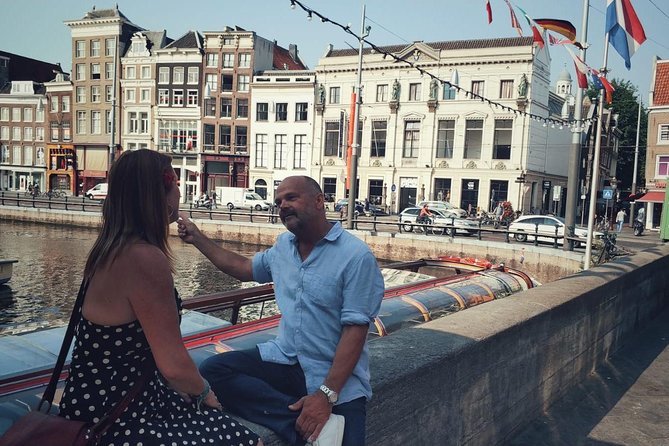
From Westermarkt, you walk beside canals toward Dam Square, passing 17th-century houses. Henk explains how Amsterdam’s canal layout became an early example of city planning.
This part gives you useful setting before the tour reaches its more specific LGBTQI+ stories. Amsterdam’s old center can look like a collection of handsome façades, but the canals and streets were planned as part of a larger urban system. The walk helps you connect the physical city with the social life that developed inside it.
The route is not designed as a fast march between attractions. The group moves through the center while Henk layers Amsterdam’s general past with LGBTQI+ history. That makes the experience a good choice for someone who wants a city walk, not just a themed talk at one location.
Still, the central streets can be crowded, and you will be walking through areas used by cyclists, cars, and pedestrians. Stay close enough to hear Henk and leave room for the group to move together. A small group helps here, especially compared with a large tour where questions can be hard to manage.
Dam Square and the Royal Palace
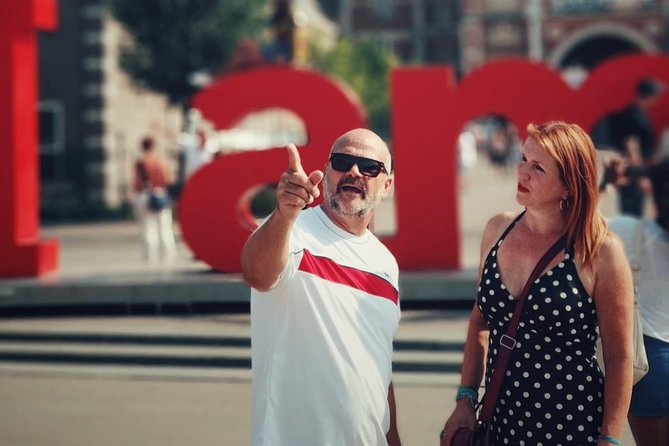
The next major area is Dam Square, the city’s central public space. You spend about 10 minutes hearing about the square, its past, and its LGBTQI+ connections.
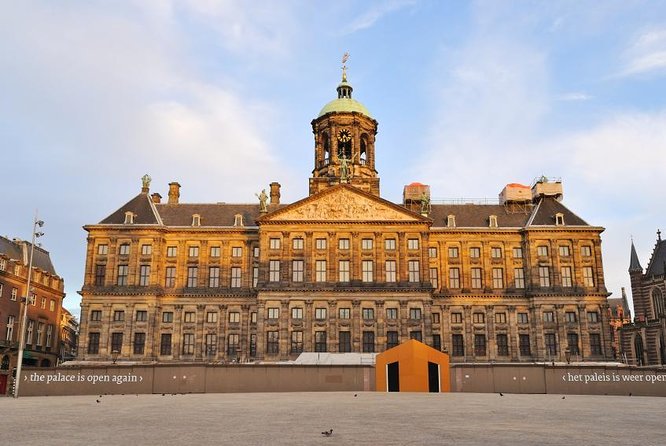
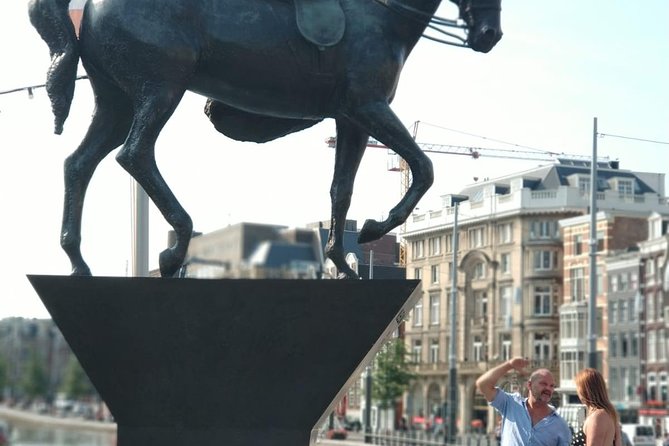
The nearby Royal Palace receives about 15 minutes of attention. Henk explains how the palace began and what it has to do with gay life in the 17th century. You do not go inside during this tour, and palace admission is not included.
That limit is worth understanding before you book. If you want an interior visit, you will need to return separately. The palace can still be a useful stop from outside because Henk uses it to show that LGBTQI+ history is not limited to bars, clubs, or modern pride events. It also touches the city’s political and social establishment.
Dam Square can feel noisy and busy, so this is a place where the guide’s voice and group position matter. The stop is short, and the tour keeps moving rather than turning into a long architectural lecture.
I like this balance. You get enough context to understand why the square and palace matter, but the walk does not spend the whole morning on one building. The focus stays on how public Amsterdam and private LGBTQI+ life overlapped.
Same base, a completely different sort of day:
- Amsterdam: Van Gogh Museum Ticket
★ 4.7 · 52,054 reviews - Amsterdam Classic Saloon Boat Cruise with Drinks and Cheese
★ 5.0 · 31,825 reviews - Amsterdam Luxury Canal Cruise + Unlimited Drinks & Bites option
★ 5.0 · 30,518 reviews - Amsterdam: Heineken Experience Ticket
★ 4.6 · 30,055 reviews
The Red Light District and Amsterdam’s leather street
The route continues through the Red Light District, including the area known as Amsterdam’s leather street. Henk can provide more detail about the district if you are interested.
This portion is likely to appeal most to people who want direct discussion rather than a polished version of the city. Amsterdam’s center has long included spaces tied to sex, nightlife, and nontraditional social life. The tour uses that setting to discuss the LGBTQI+ places and communities connected with it.
The amount of detail can depend on your questions and the group’s interests. That is a plus if you want to ask about the leather scene or the Red Light District, but it also means the exact emphasis may vary from one outing to another.
You should also keep normal city awareness here. It is a public neighborhood, not a private museum, and the tour passes through working streets. Listen to Henk’s explanation, respect the area, and avoid treating people or businesses as photo subjects.
This section adds texture to the walk because it deals with places where LGBTQI+ history was lived rather than officially commemorated. It also helps explain why Amsterdam’s reputation for sexual openness developed alongside more complicated realities.
Chinatown and the road to Café ’t Mandje
The final part takes you through Amsterdam’s Chinatown and toward the Zeedijk. This area was once considered one of the roughest streets in Amsterdam, and Henk explains its connection to LGBTQI+ life.
You hear about the oldest gay bar in Amsterdam and about why German soldiers were not allowed in this part of the city during the Second World War. These details show how one neighborhood could hold several layers of social, political, and wartime history.
The walk ends at Café ’t Mandje, at Zeedijk 63. The bar is associated with Bet van Beeren, an important figure in Amsterdam’s lesbian bar history. One part of the experience may include seeing the bar and learning about its place in the city’s LGBTQI+ past. The available details also indicate that the guide has helped visitors meet the newer owner.
Ending at a bar is a smart choice. The tour begins with a memorial and finishes with a place connected to everyday community life. It leaves you with something more tangible than a final date or policy change: a historic meeting place in the middle of the city.
The end point is convenient. Zeedijk is within walking distance of Amsterdam Central Station, so you can continue sightseeing, find lunch, or return to your accommodation without arranging a taxi.
Henk’s style and the value of a small group
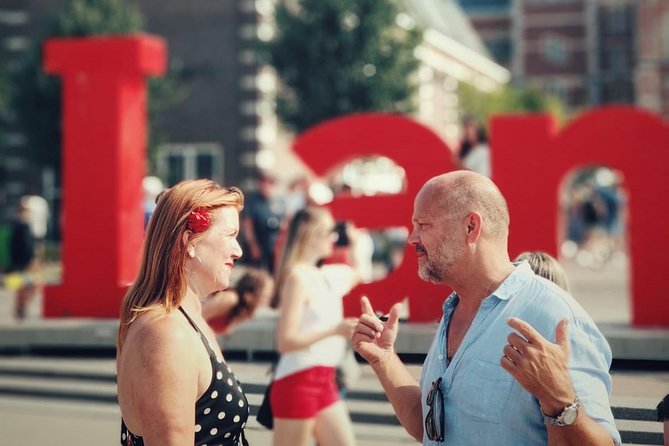
Henk is not presented as a distant lecturer. His appeal comes from the mix of lived experience, historical research, humor, empathy, and conversation. He has been described as a warm guide who connects art, literature, politics, and city history to the evolution of gay rights in the Netherlands.
That combination matters. LGBTQI+ history can become a string of dates and legal milestones. Henk’s approach gives those changes a human scale, including the people who pushed for recognition and the communities that created safe places for one another.
The small-group limit of 15 is another real advantage. You can ask about the Red Light District, the leather street, the old bars, or the meaning of a monument without trying to catch a guide’s attention from the back of a crowd.
The guide has also offered practical suggestions for places to visit after the walk. That can help you shape the rest of your Amsterdam stay around the subject instead of treating the tour as an isolated two-hour activity.
The tone is likely to shift. There is humor and warmth, but the walk also addresses loss, wartime pressure, and the AIDS crisis. I would choose this tour early in a stay if you want its perspective to inform the rest of your time in Amsterdam.
Price, timing, and what you receive
At $42.33 per person, the tour costs more than a casual self-guided walk but less than many longer specialty excursions. You are paying for two hours with a guide who brings personal experience and a focused subject, not for transport, meals, or attraction entry.
That price is fair if you value interpretation and conversation. The route covers several important parts of central Amsterdam, but its real worth comes from Henk’s stories and context. Without a guide, you could walk past the Gay Monument, Dam Square, and Café ’t Mandje without understanding how they connect.
You should bring your own water and wear walking shoes. The tour is offered in English, uses a mobile ticket, and allows service animals. Most people can participate, though you should be comfortable walking through the city for about two hours.
The experience normally requires good weather. If poor weather cancels it, you are offered another date or a full refund. A minimum group size is also required, and the tour can be canceled if that number is not reached.
Cancellation is free up to 24 hours before the 11:00 a.m. start time. Changes or cancellations inside that window are not accepted and are not refunded.
Who should book this Amsterdam LGBTQI+ history tour
I would choose this walk if you want a focused look at Amsterdam’s LGBTQI+ past and prefer a personal guide to a recorded audio tour. It suits LGBTQI+ visitors, curious first-time visitors, and straight allies who want to understand the city with more care.
It is also a good option after you have seen the standard canals and major museums. The route uses familiar central sights but gives them a new meaning.
You may want to skip it if you dislike walking, want extensive time inside the Royal Palace, or prefer a light sightseeing tour with little discussion of difficult history. You should also allow for the possibility that the subject becomes emotional.
Straight allies are warmly welcome. The experience is framed as a history walk for anyone interested in the people, places, and political changes that shaped LGBTQI+ life in Amsterdam.
Should you book it?
Book this tour if you want stories, context, and a human guide, rather than a checklist of sights. Henk’s personal connection to Amsterdam’s gay movement gives the walk an authenticity that a generic city tour cannot easily match.
The best reason to go is the route’s structure: you begin with remembrance at the Gay Monument, pass through the civic center and nightlife districts, and finish at Café ’t Mandje. At $42.33, that is good value for a two-hour experience, provided you come prepared to walk, listen, and engage with serious subjects as well as lighter moments.
FAQ
How long is the LGBTQI+ History Tour of Amsterdam?
The tour lasts approximately two hours.
What time does the tour start?
It starts at 11:00 a.m.
Where does the tour begin?
The meeting point is Westermarkt 2L, 1016 DW Amsterdam, near the Gay Monument.
Where does the tour finish?
The tour ends at Café ’t Mandje, Zeedijk 63, 1012 AS Amsterdam. The end point is within walking distance of Amsterdam Central Station.
Is admission to the Royal Palace included?
No. The tour discusses the Royal Palace from outside, but you do not visit the interior and admission is not included.
What is the cancellation policy?
You can cancel at least 24 hours before the start time for a full refund. Cancellations or changes made less than 24 hours before the tour are not accepted or refunded.
Just added around Amsterdam
- Private sightseeing tour to Bruges and chocolate from Amsterdam★ 5.0 · 11 reviews
- Amsterdam: Rijksmuseum (Private Tour & Priority Access)★ 5.0 · 27 reviews
- Amsterdam: Private Romantic Evening Canal Cruise + Bubbles/Snacks★ 5.0 · 46 reviews
- Amsterdam Private Shopping Experience★ 5.0 · 7 reviews
- Rijksmuseum Amsterdam Private Guided Tour★ 5.0 · 57 reviews
- Amsterdam Rijksmuseum PRIVATE TOUR with a Local Private Guide★ 5.0 · 159 reviews
- Private Photo Session in Amsterdam★ 5.0 · 15 reviews
- Private One way Transfer Amsterdam Airport to Amsterdam★ 3.5 · 42 reviews
Historical Tours, compared.

Amsterdam Food and Cultural Tour with Tastings
Read our review →
Kinderdijk UNESCO World Heritage Entry Ticket
Read our review →
Hop-on Hop-off Old-Fashioned Heritage Tram Tour
Read our review →

Amsterdam High-End Dutch Food & History Tour – Up to 8 guests
Read our review →
Cruise through the Historic City Center with Guide
Read our review →
Browse the lists this tour appears in