
Reviewed · STROOPWAFEL & PANCAKE TASTINGS
Learn to Make Dutch Pancakes in a Beautiful Amsterdam Canal House
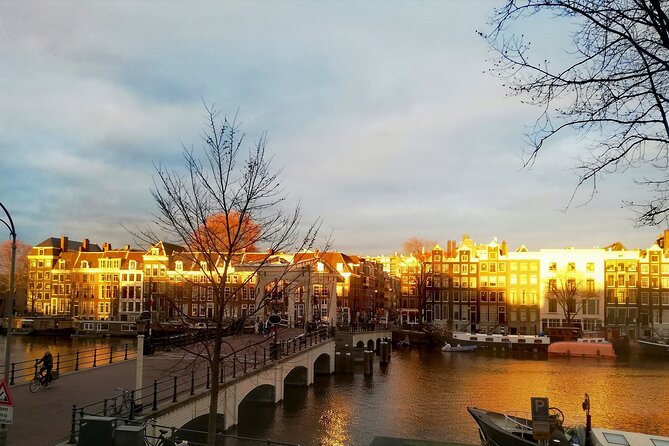
Amsterdam’s pancake tradition gets a personal introduction in Fusina’s canal house beside the Amstel. You’ll make one sweet apple pancake and one savory bacon pancake, learning how Dutch pancakes sit between French crepes and American pancakes. I like the intimate group size and the chance to hear about Dutch food and daily life from a local host.
I also like the setting: you’re welcomed into a real home with canal views, not a cooking studio built for tourists. The main caution is portion size. Some people feel the class produces too little food for the price, and the home setting may surprise you if you expect an individual cooking station or a full meal.
Key points at a glance
- Fusina’s canal-side home: Cook and eat in a private Amsterdam residence overlooking the Amstel.
- Two pancake styles: Prepare a sweet apple pancake and a savory bacon pancake from scratch.
- Dutch tasting plate: Try farmers cheese with appelstroop, soused herring with pickles and onions, and homemade apple pie.
- Small group format: The activity is listed for a maximum of seven people, with some descriptions stating up to eight.
- Family-friendly participation: Children and first-time cooks can help mix, cook, and flip the pancakes.
- Important value note: You may share the pancakes rather than receive a full pancake per person.
Pancakes in a real Amsterdam canal house
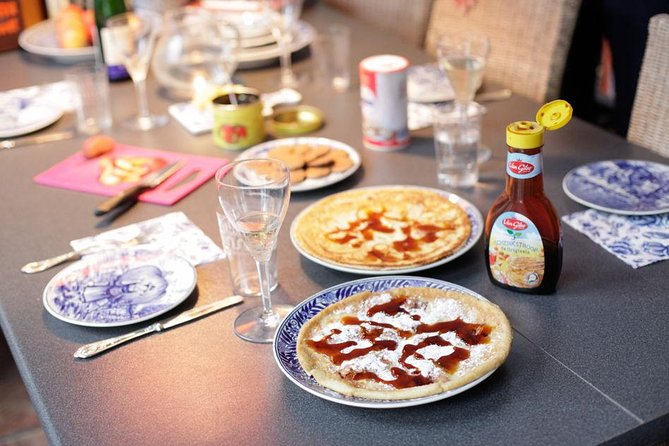
This is not a standard cooking school with rows of burners and a printed lesson plan. It is a social meal in Fusina’s home, with cooking folded into a morning visit.
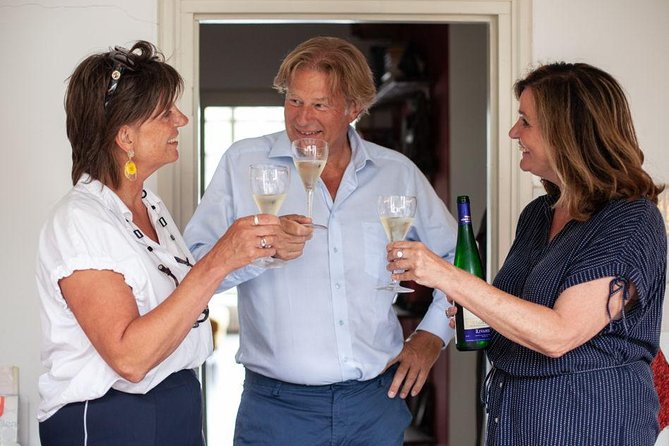
That difference shapes the whole experience. You enter a canal house, sit in a decorated living room or home kitchen area, and spend time talking before and during the cooking. Fusina shares stories about Amsterdam, local food, her family, and the area around the Amstel. The setting gives the class a strong sense of place, especially if you have already visited the main museums and want something more personal.
I like this approach because the food is only half the point. The other half is seeing how a local host welcomes people into her home. Several parts of the visit are described as relaxed and unhurried, which matters in a city where many sightseeing stops can feel tightly scheduled.
Still, you should know exactly what you are booking. This is a home-based cooking activity, not a professional culinary workshop. You may not have your own work surface, apron, or separate pan. One particularly important detail is that the group may prepare only two pancakes altogether, then share them. That can be fun for a tasting-style visit, but disappointing if you expect to cook and eat a full serving yourself.
More stroopwafel and pancake stops:
- Amsterdam: Traditional Dutch Syrup Waffle Making Workshop
★ 4.8 · 4,093 reviews - Amsterdam: River Cruise With All-You-Can-Eat Dutch Pancakes
★ 4.4 · 1,504 reviews - Amsterdam Traditional Dutch Syrup Waffle Making Workshop
★ 5.0 · 960 reviews
Meeting Fusina beside the Amstel
The activity begins at 11:00 a.m. in the 1017 area of Amsterdam and lasts about two hours. The full street address is supplied on your confirmation voucher, so read the instructions carefully before leaving your hotel.
Finding a private canal home can take more attention than finding a museum or restaurant. The meeting information has caused confusion for some people, especially when they relied only on a general meeting description rather than the full instructions. My advice is simple: read the entire reminder message, copy the exact address, and allow extra time to walk along the Amstel.
Arriving late is especially awkward here. This is a small gathering in someone’s home, so there is no large reception desk or tour group to track down. You want to be at the door before the 11:00 start, not searching the canal while the introductions and first tasting are already underway.
The small group size is a real advantage. The activity is listed for a maximum of seven people, although another description gives eight as the limit. Either way, this is much smaller than a typical city food tour. You have a better chance to speak with Fusina, ask questions, and take a turn at the stove.
Cheese, appelstroop, and Dutch herring
The meal begins with a pair of distinctly Dutch starters. First comes farmers cheese with appelstroop, a sweet apple syrup. The combination is simple and very Dutch: salty, firm cheese with a fruit-based sweetness. If you like Gouda-style cheese, this may be one of the most useful tastes to remember when you later shop in an Amsterdam market or grocery store.
The second starter is herring with pickles and onions. Dutch soused herring is often called Dutch sashimi because of its soft texture and clean, salty flavor. It is a classic street food, but tasting it in a home setting gives Fusina room to explain how it fits into local eating habits.
These starters help make the class more than a pancake demonstration. You are sampling several familiar Dutch foods before the main cooking begins. That is useful for first-time visitors who want cultural context along with lunch.
The herring is not for everyone. Its texture and flavor can be a hurdle if you are not used to cured fish. You can still enjoy the cheese and pancakes, but mention allergies or dietary limits before the activity. The booking information specifically asks you to communicate food restrictions, and that is particularly important in a shared meal built around dairy, fish, wheat, and meat.
Making the apple and bacon pancakes
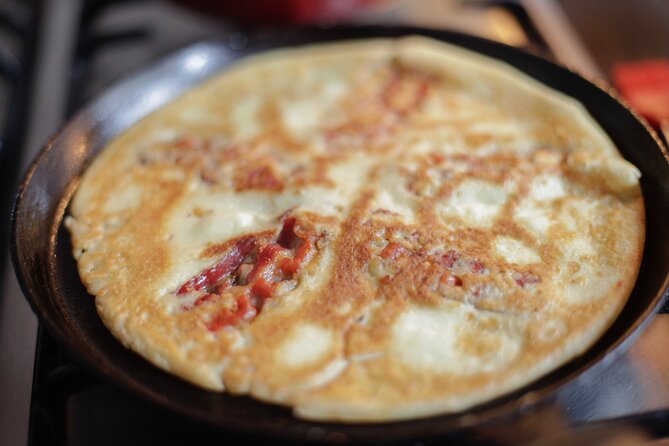
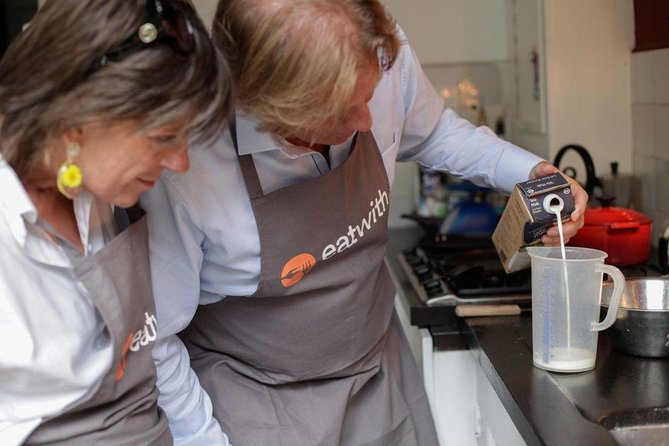
The central activity is preparing Dutch pancakes from scratch. Dutch pannenkoeken are thinner than American pancakes but thicker than French crepes. They are broad, flexible, and suited to both sweet and savory toppings.
You will work on two versions:
- Apple pancake, with sliced apple for a sweet finish
- Bacon pancake, for a salty, savory main course
The hands-on part includes mixing, adding ingredients, cooking, and flipping. That last step is often the most entertaining. The small group format lets people take turns, and it is suitable for children and adults who do not usually cook.
You do not need to arrive as an experienced cook. The appeal is learning a straightforward local dish you can repeat at home. The recipe is also practical for home kitchens because it does not depend on elaborate equipment or rare ingredients.
There is one limitation to keep in mind. The cooking can be more collaborative than individual. You may help make a pancake that everyone shares rather than prepare a separate full portion for yourself. Some people find that social and amusing. Others, especially those comparing the cost with a full cooking school, may feel the food output is too small.
That distinction matters more than the pancake recipe itself. If your main goal is to learn a technique and meet a local host, the format makes sense. If your main goal is a substantial lunch or a detailed, technical cooking lesson, you may want a different class.
A few more Amsterdam half-days worth comparing
- Amsterdam: Van Gogh Museum Ticket
★ 4.7 · 52,054 reviews - Amsterdam Classic Saloon Boat Cruise with Drinks and Cheese
★ 5.0 · 31,825 reviews - Amsterdam Luxury Canal Cruise + Unlimited Drinks & Bites option
★ 5.0 · 30,518 reviews - Amsterdam: Heineken Experience Ticket
★ 4.6 · 30,055 reviews
Apple pie from Fusina’s grandmother
After the pancakes, you can expect homemade apple pie based on Fusina’s grandmother’s recipe. It is called appleschnitt in the sample menu, and it gives the meal a warm family touch.
The apple pie is not just another dessert on a menu. It fits the character of the visit, where family stories and home cooking are part of the conversation. Combined with the cheese, herring, and pancakes, it creates a small tour of Dutch flavors without sending you from one restaurant to another.
Drinks are included as well. Coffee and tea are part of the morning, along with a glass of wine and other offered beverages. One negative account raised concern about being judged for asking for wine early in the day, while most descriptions present the food and hospitality as welcoming. I would treat this as a reminder that home-hosted activities depend heavily on personal chemistry and the tone of the day.
What the canal-house setting adds
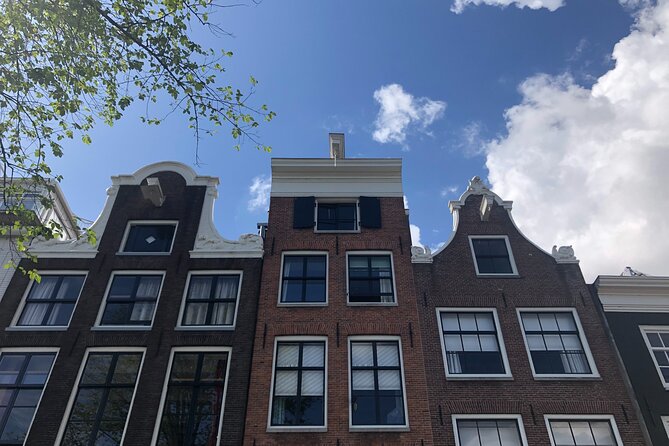
The house itself is one of the strongest reasons to book. You see Amsterdam through a domestic setting, with canal views and traditional blue-and-white dishes used during the meal. That gives the visit a sense of everyday life that a restaurant dining room cannot quite reproduce.
The atmosphere has been especially well received by families. Teenagers have been able to help with the baking and flipping, and parents have appreciated the relaxed chance to share a local activity together. For children, the lesson offers a clear reward: mix something, cook it, flip it, and eat it.
Couples and solo visitors can also fit easily into the format. You may meet people from other countries around the table, which adds a social element without requiring a full-day group tour. The class has been described as a good opening activity for an Amsterdam visit because it introduces food, history, and local conversation in one morning.
The home setting also brings tradeoffs. Antiques and household furnishings require care, and the cooking area may feel less polished than a purpose-built studio. There may be no aprons, despite photos suggesting otherwise. Go in expecting a host’s home, not a staged cooking venue, and the experience will be easier to judge fairly.
Is $108.47 a fair price?
At $108.47 per person, this is not a cheap way to eat pancakes. The price covers about two hours, the cooking class, cheese, herring, pancakes, apple pie, coffee, tea, and wine. It also covers the personal setting and the time Fusina spends hosting a small group in her home.
The value depends on what you want to take away. I think the price is easier to justify if you care about local contact, home hospitality, and a small group. You are paying for conversation and access to a private home as much as for ingredients.
The value is harder to defend if you measure the activity by food quantity or formal instruction. Some people have received only a fraction of a pancake, while others describe successfully making two pancakes and enjoying a generous selection of Dutch treats. The descriptions are not perfectly consistent, so ask yourself how important a full meal is.
For comparison, a pancake restaurant will cost less and give you more food. A professional cooking class may give you more individual practice. This activity offers something different: a compact cultural visit with a recipe attached.
Who should book this morning activity?
I would recommend it most strongly to:
- Families wanting an easy, hands-on activity
- Couples looking for a personal alternative to standard sightseeing
- First-time cooks who want a simple Dutch recipe
- People interested in home life, local customs, and conversation
- Repeat visitors who have already seen Amsterdam’s major sights
- Food lovers who enjoy tasting small portions of several local specialties
I would be more cautious if you need strict dietary control, want a formal culinary curriculum, or expect a full lunch. Herring, cheese, bacon, wheat, and dairy all appear in the meal, so food restrictions need to be communicated before arrival.
I would also think twice if you dislike entering private homes or prefer a polished commercial setting. The charm here comes from the informal format, and that same informality can feel disorganized or too personal for some people.
Practical booking advice before you go
The activity is offered in English and includes a mobile ticket. Confirmation is provided at booking, with the complete address under the before-you-go information. Save that address where you can reach it without an internet connection, and read every instruction rather than relying on the general area.
The booking pattern suggests that people reserve this experience well ahead, with an average lead time of about 56 days. If the 11:00 a.m. start suits your schedule, booking early is sensible, especially for a small group.
Free cancellation is available until 24 hours before the local start time. Cancellations or changes inside that window are not accepted for a refund. That policy is worth noting because a private home visit cannot easily replace a last-minute cancellation.
Should you book the Dutch pancake experience?
Book it if you want a friendly home visit with food, stories, and a little cooking. Fusina’s canal house, the Amstel views, the cheese with appelstroop, the herring, and the chance to flip a pancake give the morning a clear local character.
Do not book it expecting a large lunch or a professional cooking-school setup. The amount of food and the level of hands-on cooking may feel modest for the price, and one poor host interaction can affect a home-based activity more than it would affect a standard restaurant meal.
For the right person, this is a memorable way to spend two hours in Amsterdam. Go for the welcome, the setting, and the cultural exchange. Think of the pancakes as the tasty centerpiece, not the entire value of the visit.
FAQ
How long does the Dutch pancake activity last?
The activity lasts approximately two hours.
What time does it start?
The start time is 11:00 a.m.
Where does the activity take place?
It takes place in a beautiful canal house in Amsterdam, near the Amstel River. The full address appears on your confirmation voucher under the before-you-go section.
How many people can join?
The activity is listed with a maximum of seven people. Another description gives a maximum of eight, so the exact group limit may vary slightly by booking information.
What food is included?
The sample menu includes farmers cheese with appelstroop, herring with pickles and onions, a sweet apple pancake, a savory bacon pancake, and homemade appleschnitt. Coffee, tea, and a glass of wine are also included.
Is the activity suitable for families?
Yes. It is described as family-friendly, and children can take part in preparing and flipping the pancakes.
Can I cancel for a full refund?
Yes, if you cancel at least 24 hours before the experience start time. Cancellations or changes made less than 24 hours before the start are not eligible for a refund.
Just added around Amsterdam
- Private sightseeing tour to Bruges and chocolate from Amsterdam★ 5.0 · 11 reviews
- Amsterdam: Rijksmuseum (Private Tour & Priority Access)★ 5.0 · 27 reviews
- Amsterdam: Private Romantic Evening Canal Cruise + Bubbles/Snacks★ 5.0 · 46 reviews
- Amsterdam Private Shopping Experience★ 5.0 · 7 reviews
- Rijksmuseum Amsterdam Private Guided Tour★ 5.0 · 57 reviews
- Amsterdam Rijksmuseum PRIVATE TOUR with a Local Private Guide★ 5.0 · 159 reviews
- Private Photo Session in Amsterdam★ 5.0 · 15 reviews
- Private One way Transfer Amsterdam Airport to Amsterdam★ 3.5 · 42 reviews
Stroopwafel & Pancake Tastings, compared.
Traditional Dutch Syrup Waffle Making Workshop
Read our review →
River Cruise With All-You-Can-Eat Dutch Pancakes
Read our review →Amsterdam Traditional Dutch Syrup Waffle Making Workshop
Read our review →
River Cruise with All-You-Can-Eat Dutch Pancakes
Read our review →
Browse the lists this tour appears in