
Reviewed · RIJKSMUSEUM TICKETS
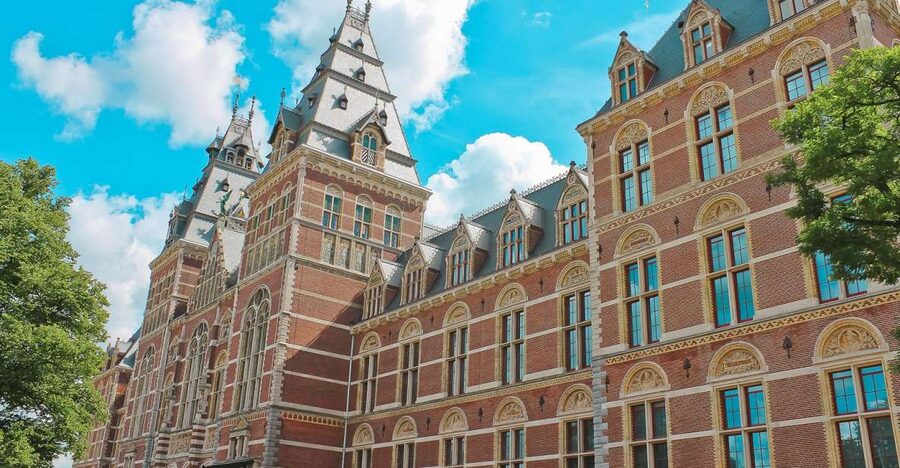
Amsterdam: Rijksmuseum Private Tour
The best part of this private Rijksmuseum tour is that it turns famous paintings into readable stories. You will see The Night Watch, works by Vermeer and Frans Hals, and learn why 17th-century Dutch art moved away from kings and myths toward merchants, families, streets, and ordinary life. I like the guide’s focus on both painting technique and hidden meaning, and I like that the tour can adjust to your interests. The main drawback is simple: two hours can feel short in a crowded museum, especially if your guide has another appointment afterward.
I also like the private format. Rolf has led many of these visits, and past groups describe him as warm, energetic, and good at drawing children and older family members into the conversation. You meet inside the museum, not outside, so you must first get through the entrance on your own and locate the meeting point.
Key points at a glance
- Two hours with a private guide: The small format gives you room to ask questions and shape the visit around your interests.
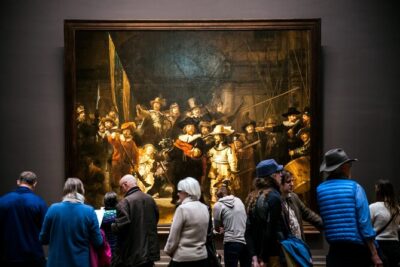
- The Night Watch in the Honorary Gallery: Rembrandt’s large civic painting is the main event, with useful context about its composition and technique.
- Dutch art explained as visual communication: You will learn how a painting could teach, amuse, warn, or comment on society.
- Major names in one focused visit: Rembrandt, Vermeer, Frans Hals, and other Dutch and Flemish painters receive attention.
- Good for mixed-age groups: Guides have kept teenagers, children, adults, and an 80-year-old visitor engaged.
- Bring your own museum ticket: Admission is not included, and the meeting point is inside the building.
Why this Rijksmuseum visit works better than wandering alone
The Rijksmuseum is not a small collection you can absorb in a quick look around. Its galleries cover centuries, and the Dutch masterpieces are spread through a large building. You can easily walk past a painting by Vermeer or Frans Hals without knowing why it matters, or spend too long reading labels while missing the larger story.
A private guide gives you a clear route through the museum. Instead of trying to see everything, you focus on how Dutch painting changed during the 17th century. That focus matters because the art is not simply a parade of handsome portraits and dramatic scenes. It reflects a society with growing trade, wealth, civic pride, and a large market for pictures in private homes.
The guide explains that a painting served a wider purpose for many people at the time. With limited schooling and no television, pictures could teach a lesson, deliver a joke, or make a point about good and bad behavior. Once you understand that, a quiet interior scene or a cheerful gathering begins to carry more weight.
I find this especially useful if you are new to art museums. You do not need a background in painting. The discussion starts with what you can see, then builds toward composition, brushwork, symbolism, and social context.
More Rijksmuseum entry options:
- Amsterdam: Rijksmuseum Entry Ticket
★ 4.7 · 25,535 reviews - Amsterdam: City Canal Cruise and Rijksmuseum
★ 4.5 · 2,129 reviews - Rijksmuseum Amsterdam Small-Group Tour with Private Upgrade
★ 4.5 · 1,547 reviews
Starting inside the Rijksmuseum
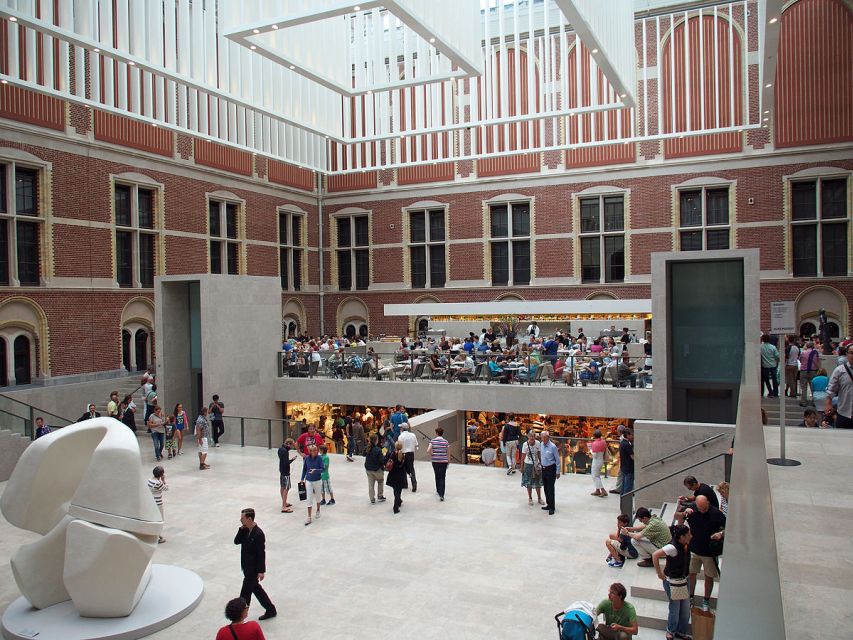
The meeting point is inside the museum. After you make your way through the entrance, look for the round information counter. The meeting point is about 10 meters to the right, marked by a small sign.
This arrangement is practical, but it can be confusing if you expect someone to meet you outside. Give yourself enough time to enter, orient yourself, and find the sign. One past family group specifically wished the meeting location had been explained more clearly in advance, so read the instructions carefully before you arrive.
The entrance ticket is not part of the tour price. The private guide is included, but you must arrange museum admission separately. An Amsterdam Card may help if you plan to visit several museums and use public transport. The information provided for this tour says the card includes access to unlimited museums and transport, including train service from the airport to the city center and trams around town. Check the current card terms and Rijksmuseum entry rules before relying on it.
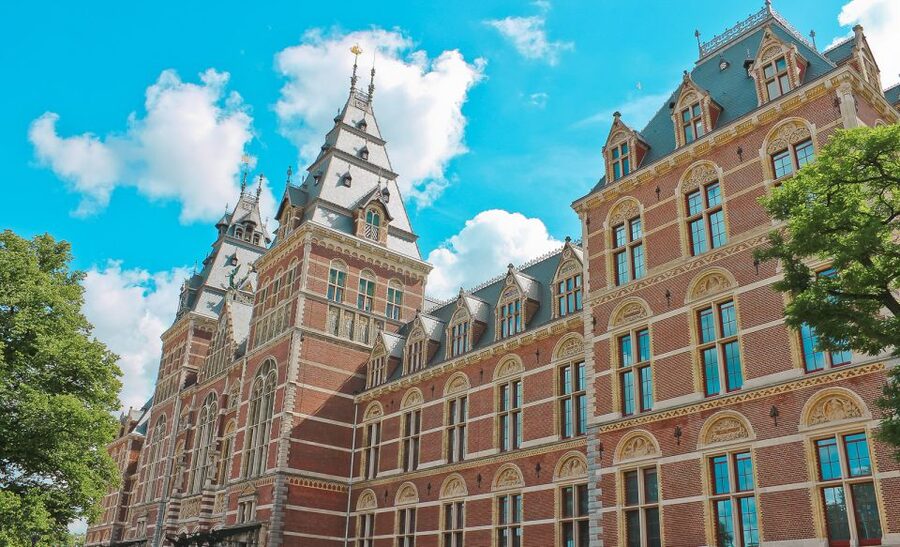
Once you meet your guide, the visit can begin with the building and museum itself. A past tour included an introduction to the Rijksmuseum’s architecture and history before moving into the art. That is a sensible opening because the building sets the mood and gives you a basic map of what you are about to see.
The Dutch Masters and the move toward daily life
The central lesson is the difference between older European art and the new direction taken by Flemish and Dutch painters. Medieval and earlier works often placed religious figures, rulers, myths, and grand historical subjects at the center. Dutch painters continued to produce those kinds of pictures, but they also paid close attention to ordinary people and familiar settings.
That change tells you something about the buyers. In the Dutch Republic, art was not reserved only for palaces and churches. Many prosperous citizens wanted paintings for their homes. Artists responded with portraits, still lifes, domestic interiors, landscapes, group scenes, and pictures of work and leisure.
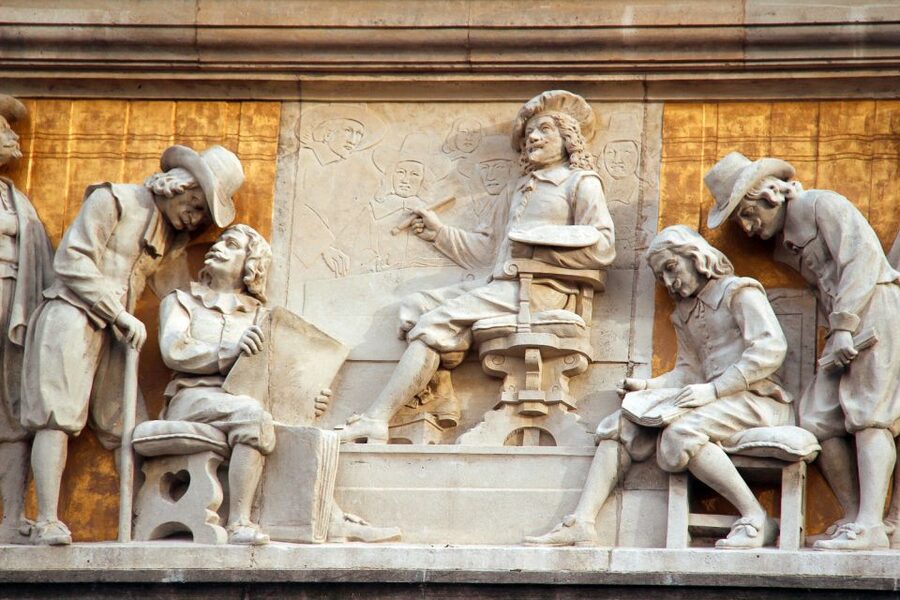
Your guide can help you read these pictures as a person in the 17th century might have read them. A spotless room may suggest order and virtue. A half-finished meal may hint at passing time. A gesture, object, or expression may carry a warning or joke that is easy to miss today.
The best part is that the guide does not leave you with a list of dates. The explanation connects painting choices to daily life. You learn why a scene feels intimate, why a group portrait needed careful arrangement, and why the artists made their subjects feel closer to ordinary people than earlier painters often had.
Rembrandt and The Night Watch
The visit to the Honorary Gallery builds toward Rembrandt’s The Night Watch. This is the painting most people expect to see, and it deserves time rather than a hurried glance.
The scene shows a civic guard company, but it is not arranged like a stiff row of formal portraits. Rembrandt gives the group movement, depth, and different levels of attention. The guide can point out how the composition directs your eye and how light helps separate important figures from the surrounding action.
You will also hear about the technical choices behind the picture. The tour is designed to explain how Rembrandt and other Dutch painters handled light, paint, texture, and composition. Those details give you a practical way to look. Instead of saying only that a painting is famous, you can ask what your eye is being led toward and why.
The gallery can be busy. One April visit became crowded, and the final part felt rushed because the guide had another tour later that day. That is an important limit of a two-hour appointment. You may get a strong overview, but you will not have unlimited time at every major work.
If The Night Watch is your top priority, tell the guide at the start. A private visit lets you signal what matters most, although the exact route may still depend on museum conditions and available time.
A few more Amsterdam half-days worth comparing
- Amsterdam: Van Gogh Museum Ticket
★ 4.7 · 52,054 reviews - Amsterdam Classic Saloon Boat Cruise with Drinks and Cheese
★ 5.0 · 31,825 reviews - Amsterdam Luxury Canal Cruise + Unlimited Drinks & Bites option
★ 5.0 · 30,518 reviews - Amsterdam: Heineken Experience Ticket
★ 4.6 · 30,055 reviews
Vermeer, Frans Hals, and close looking
Vermeer’s paintings offer a different lesson from Rembrandt’s large public drama. His interiors often appear calm and simple, yet they are carefully controlled. Light, distance, objects, and a person’s small action all contribute to the mood.
A guide can help you notice how Vermeer makes an ordinary room feel carefully ordered. The value here is not just seeing a celebrated name. It is learning how a painter can create a complete scene from a small number of quiet details.
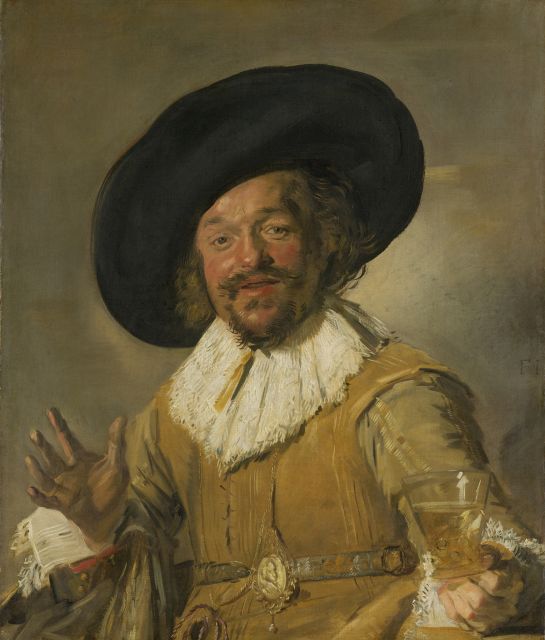
Frans Hals brings another kind of energy. His portraits can feel direct and lively, with expressions and brushwork that keep the people from looking frozen. Comparing Hals with Rembrandt and Vermeer helps you see that Dutch painting was not one single style. The artists shared a period and market, but each handled faces, light, movement, and personality differently.
The tour also includes other works as time allows. Because the visit is private, you can tell the guide what catches your eye, what you already know, or what you would rather skip. One group had its route adjusted around personal interests, which is a major advantage over a fixed group walk.
A tour that works for families and mixed interests
Art tours can lose younger visitors fast if every stop becomes a lecture. This one has a better chance because the guide asks questions. You may be invited to say what you notice, compare two paintings, or explain what you like or dislike about an artist’s style.
That approach makes the tour active without turning it into a school lesson. A family with children aged 11 and 12 found the visit engaging, and another group said teenage boys enjoyed it. The guide uses current-day comparisons and humor to make the paintings easier to grasp.
It also works for adults with different levels of interest. One family included an 80-year-old visitor, and the guide arranged a wheelchair to make the visit more comfortable. The Rijksmuseum is wheelchair accessible, and this experience is listed as accessible, but it is still wise to discuss mobility needs when arranging the visit.
The private setup helps here. Your group does not have to match the pace or interests of strangers. If one person wants more detail about technique and another wants social history, the guide can shift the balance.
How much value do you get for $235?
The price is $235 per group of up to two people. The guide is private, but admission is extra. For two people, that is a considerable museum add-on, especially once you include entry tickets.
The value improves if you care about seeing the major Dutch painters with an organized explanation. A private guide can save you from spending hours moving through the museum without knowing which galleries deserve your limited time. You are also paying for conversation, questions, and a route shaped around your group.
For a couple with a strong interest in art, the cost can make sense. It is less attractive if you prefer to wander slowly, read every label, or return to the same painting several times. The two-hour limit favors a focused highlights visit, not a full museum day.
For a family of four, the listed price is still per group up to two, so confirm the booking conditions before assuming the same rate applies to everyone in your party. The information provided gives the group limit as two, and you should not treat the price as an automatic family rate.
Timing, language, and practical planning
The experience is valid for one day, with starting times based on availability. The tour itself lasts two hours. That makes it easy to fit into a day of sightseeing, but you should avoid scheduling another fixed activity immediately afterward.
The guide language options are Dutch, English, and German. Rolf is the guide most often associated with this experience, but he may not be available for every booking. One family had Isabel as a substitute and found her friendly, engaging, and well prepared, so the quality of the visit does not rest on one named guide alone.
You can cancel up to 24 hours in advance for a full refund, and you can reserve now while paying later. Those terms are useful if your Amsterdam schedule is still changing.
For the smoothest start, I would do three things:
- Arrange or confirm your Rijksmuseum entry before the tour.
- Allow time to get inside and locate the round information counter and nearby meeting-point sign.
- Tell the guide which artists or subjects matter most to you.
The last point is worth taking seriously. Two hours passes quickly, and a private tour gives you more benefit when the guide knows your priorities from the beginning.
Who should book this Rijksmuseum tour?
I would recommend it to first-time Rijksmuseum visitors who want structure without joining a large group. It is also a good match for couples, families, and anyone who wants Dutch painting explained in plain language rather than through a stream of dates and names.
You will get the most from it if you enjoy asking questions and looking closely at a few major works. The tour is less suitable if your goal is to cover every room, spend a long time with one painting, or visit entirely at your own pace.
The strongest reasons to book are the private format, the guide’s ability to adjust the route, and the clear link between art and everyday Dutch life. The main cautions are the separate museum admission, the inside-only meeting point, and the possibility that a crowded day or a tight guide schedule may make the final section feel rushed.
Should you book it?
Book this tour if you want The Night Watch, Vermeer, Frans Hals, and Dutch Golden Age painting to make sense rather than simply appear on a checklist. It is especially useful for families and visitors who do not normally feel at home in art museums.
Skip it if you prefer an unhurried solo visit or already know the Rijksmuseum well. For everyone else, $235 for up to two people is a serious spend, but the focused route and personal discussion can make the museum far more rewarding than wandering without a plan.
FAQ
How long does the Rijksmuseum private tour last?
The guided visit lasts two hours. The booking is valid for one day, with starting times depending on availability.
Is the Rijksmuseum entrance ticket included?
No. The entrance ticket is not included in the tour price. You must make your way into the museum before meeting the guide.
Where do I meet the guide?
Meet the guide inside the Rijksmuseum. After entering, find the round information counter. The meeting point is about 10 meters to its right, marked by a small sign.
Who may guide the tour?
Rolf is the guide most closely associated with the experience. Another guide may lead the visit if he is unavailable. Isabel has also led the tour as a substitute.
What languages are available?
The tour is available in Dutch, English, and German.
Is the tour private?
Yes. It is offered for a private group, with the listed price covering up to two people.
What paintings and artists will I see?
The tour focuses on Dutch Masters of the 17th century. It includes The Night Watch by Rembrandt and works by Rembrandt, Vermeer, Frans Hals, and other Dutch and Flemish artists.
Is the tour wheelchair accessible?
Yes. The experience is listed as wheelchair accessible. A guide has also arranged a wheelchair for an older visitor during a past visit.
Can I cancel the booking?
Yes. You can cancel up to 24 hours in advance for a full refund. You can also reserve now and pay later.
Just added around Amsterdam
- Private sightseeing tour to Bruges and chocolate from Amsterdam★ 5.0 · 11 reviews
- Amsterdam: Rijksmuseum (Private Tour & Priority Access)★ 5.0 · 27 reviews
- Amsterdam: Private Romantic Evening Canal Cruise + Bubbles/Snacks★ 5.0 · 46 reviews
- Amsterdam Private Shopping Experience★ 5.0 · 7 reviews
- Rijksmuseum Amsterdam Private Guided Tour★ 5.0 · 57 reviews
- Amsterdam Rijksmuseum PRIVATE TOUR with a Local Private Guide★ 5.0 · 159 reviews
- Private Photo Session in Amsterdam★ 5.0 · 15 reviews
- Private One way Transfer Amsterdam Airport to Amsterdam★ 3.5 · 42 reviews
Rijksmuseum Tickets, compared.
Rijksmuseum Amsterdam Small-Group Tour with Private Upgrade
Read our review →
Rijksmuseum Entry Ticket and Canal Cruise Combo
Read our review →
Rijksmuseum Amsterdam Exclusive Guided Tour w/ Reserved Entry
Read our review →
Van Gogh & Rijksmuseum w/ Reserved Entry Semi-Private 8ppl Max
Read our review →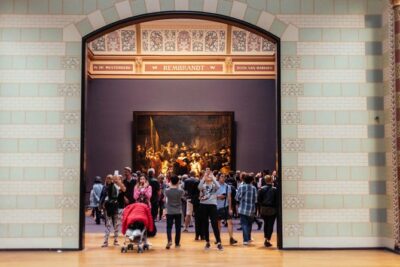
Amsterdam Rijksmuseum PRIVATE TOUR with a Local Private Guide
Read our review →Browse the lists this tour appears in