
Reviewed · MUSEUMS
Rotterdam: National Museum of Photography Entrance Ticket
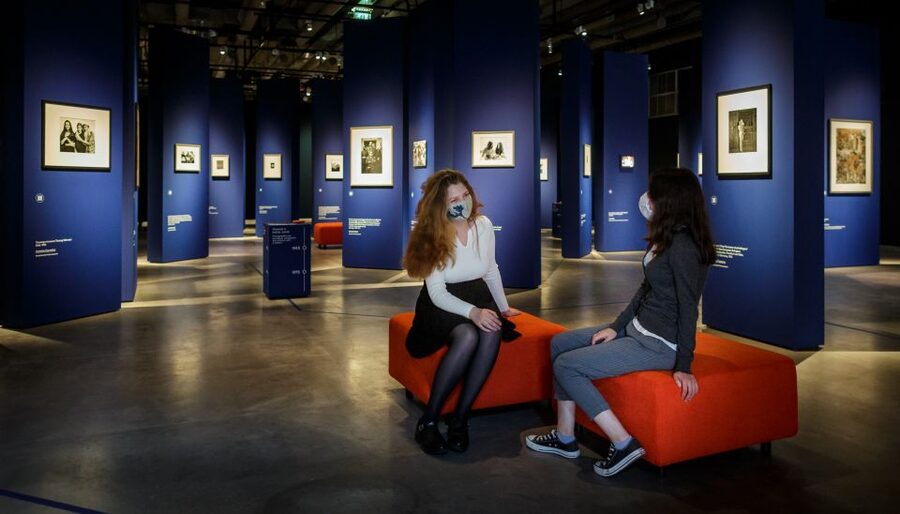
The National Museum of Photography gives you a clear way to follow 180 years of Dutch photography, from the first technical experiments to contemporary work. Its permanent Gallery of Honour presents 99 important images, while changing exhibitions bring in major photographers and current subjects.
I like the mix of big-picture history and personal stories, and I like that the museum holds more than six million photographs and objects from 175 archives. The main caution is language: some exhibition material may be in Dutch or another language, so English-speaking visitors should check what translation support is available before relying on every caption.
Key points to know before you go
- See 99 landmark photographs: The Gallery of Honour follows Dutch photography from 1842 through modern technological change.
- Expect changing displays: The museum presents five to seven temporary exhibitions each year, along with two consecutive series.
- Use the museum app: Download the application for a self-guided audio experience and additional exhibition information.
- Explore more than a display of framed prints: The collection includes over six million photographs, objects, and archives from 175 Dutch photographers.
- Plan for a flexible visit: Your $18 ticket is valid for one day, with entrance to the permanent gallery and temporary exhibitions.
- Know the language limits: Audio support is available in Dutch and English, but not every exhibition text is guaranteed to be translated.
Start with Dutch photography in the Gallery of Honour
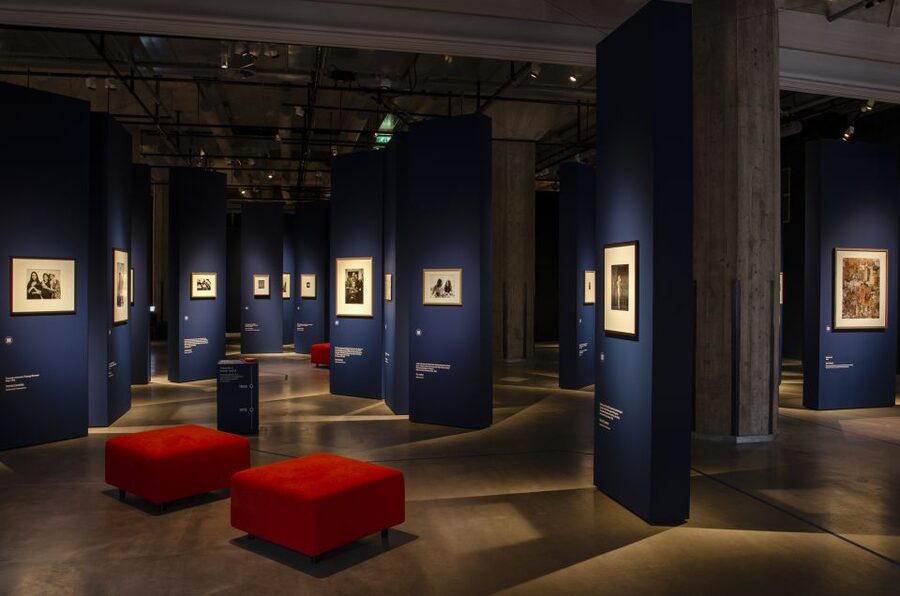
The best place to get your bearings is the Gallery of Honour of Dutch Photography. Its 99 selected works tell a national story through pictures, beginning with photography’s arrival in the Netherlands in 1842 and continuing into the present.
This is not just a room of famous images. The gallery is arranged around the changes that shaped the medium: new cameras, new printing methods, different ways of recording daily life, and the shift from traditional photographs to more experimental and digital work.
I like this approach because you do not need to arrive as a photography expert. The gallery gives you a basic timeline, then lets you look closely at individual photographs. You can ask how the image was made, what it records, and why it mattered at the time.
The selection also helps you see Dutch photography as more than a record of pretty places. Photography can preserve family life, social change, public events, private memories, and the way people understand their country. That makes this section useful for history-minded visitors as well as people who enjoy cameras and visual art.
Give the Gallery of Honour enough time to work as a sequence. If you hurry past the first rooms to reach the temporary exhibitions, you may miss the museum’s main argument: photography changes as technology changes, but it remains a way for people to document their lives and shape public memory.
More Attraction Tickets in Rotterdam
- Rotterdam: Rotterdam Zoo Blijdorp Entry Ticket
★ 4.6 · 2,754 reviews - Rotterdam: Euromast Lookout Tower Ticket
★ 4.4 · 2,549 reviews - Rotterdam: Kinderdijk UNESCO World Heritage Entry Ticket
★ 4.6 · 1,477 reviews
Six million photographs, objects, and 175 archives
The museum’s collection includes more than six million photographs and objects, held in 175 archives connected with Dutch photographers. You will not see all of that material during one visit, of course. The important point is that the museum functions as a place of preservation as well as exhibition.
That preservation work gives the museum a wider purpose. Photographs can fade, deteriorate, lose their captions, or become separated from the people and events they record. By keeping archives together, the museum protects a large part of the Netherlands’ visual record for future study and display.
The collection covers photography in many forms. You can expect documented images, experimental work, contemporary photography, and material that helps explain how pictures were produced and stored. The result is less like a single narrow art show and more like a tour through the life of the medium.
I find the archive angle especially valuable if you have already seen a few photography exhibitions and want more context. You are not only looking at finished images. You are also considering the work required to preserve them and the reasons certain images continue to matter.
The museum connects this Dutch collection with an international context. That means the displays can raise broader questions about technology, memory, identity, and who gets represented in photographs. The experience is strongest when you take time to read and think, rather than treating each room as a quick photo stop.
Temporary exhibitions bring different subjects to the visit
Alongside the permanent Gallery of Honour, the museum presents five to seven changing exhibitions each year. It also features two consecutive series, so the temporary program can alter the character of your visit from one date to another.
Major Dutch photographers associated with the museum’s exhibition program include Ed van der Elsken and Johan van der Keuken. Their presence gives you a sense of the level and variety of photography the museum presents, although the exact exhibition schedule depends on when you visit.
This changing program is a strong reason to return. A first visit may focus on one photographer or social subject, while a later visit may put experimental techniques or new contemporary work at the center.
You should check the current exhibitions before booking if a particular artist or theme matters to you. The $18 entrance price includes both the permanent gallery and temporary exhibitions, so the value improves when at least one current show interests you.
The temporary rooms may also be where language becomes most important. One exhibition about Turkish women who moved to the Netherlands used captions or subtitles in Turkish and Dutch, without full English support. If you read only English, you could still look at the photographs, but you may miss much of the personal and historical explanation.
That is a real consideration, not a minor detail. Photography can communicate across languages, but documentary work often depends on names, dates, interviews, and captions. Use the English audio guide or application when available, and do not assume every temporary display will offer the same level of translation.
An app-led visit, with English and Dutch audio
The museum asks you to download its application for a self-guided audio tour. Audio support is available in English and Dutch, and exhibition guides may also be available.
This setup gives you control over the pace. You can listen closely to selected works, move more quickly through familiar material, or pause when an image catches your attention. There is no fixed group schedule and no need to keep up with a guide.
The app is particularly useful in the Gallery of Honour, where the story moves across many decades. A photograph may look simple until you understand its technique or place in Dutch photographic development. The audio can help connect those details without requiring you to read every wall panel.
I would download the app when you arrive and allow a few minutes to get it working before starting the main galleries. The activity information says the app and exhibition guides are included if available, so treat them as helpful museum resources rather than something to build your entire visit around.
If you prefer a quiet, independent museum visit, this format should suit you. If you want a live guide who answers questions or adjusts the explanation to your interests, this is not that kind of experience. You receive a ticket and self-guided tools, not a personal tour.
More Photo Shoots in Rotterdam:
- Rotterdam: Capture the most Photogenic Spots with a Local
★ 5.0 · 3 reviews - Amsterdam: Private Photoshoot for Couple, Family, or Solo
★ 4.9 · 251 reviews - Amsterdam Canal, Tulip, Windmill Photoshoot | Custom Request
★ 5.0 · 147 reviews - Amsterdam: Foam Photography Museum Admission Ticket
★ 4.2 · 141 reviews
From family photographs to experimental work
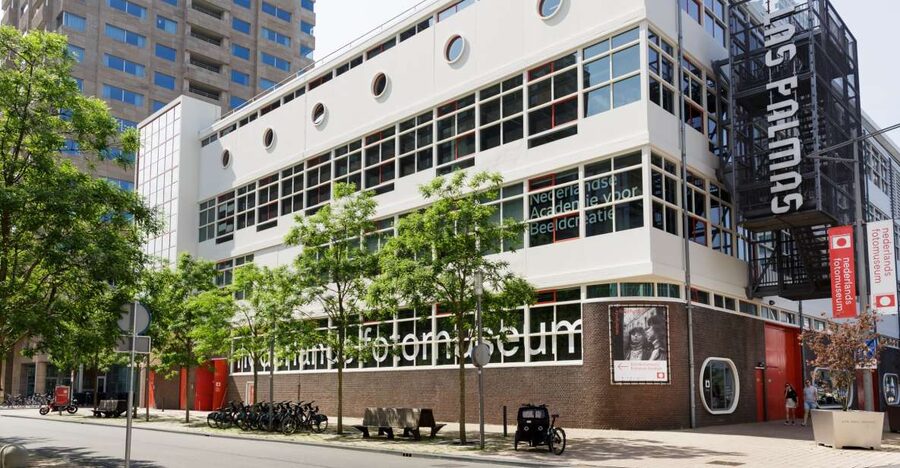
The museum’s subject matter ranges from documented photographs to experimental and contemporary work. That broad span can make the visit feel varied, but it can also make some sections less immediately accessible.
Documentary photographs often provide the easiest entry point. You can start with what is visible: people, places, family life, work, or public events. From there, the accompanying text or audio can explain the circumstances behind the image.
Experimental photography asks you to slow down. The point may not be a clear subject or a familiar scene. Instead, the photograph may test the limits of the camera, printing, composition, or technology. You might not like every piece, but the section helps explain why photography is an art form and not only a method of recording facts.
The contemporary material brings the story up to today. This is useful because the museum does not treat photography as a finished invention from the nineteenth century. It shows how new tools and new habits keep changing the way people make and understand images.
I would visit with an open mind and accept that not every room will suit your taste. A museum that includes six million objects cannot reduce photography to one neat style. Some parts may feel direct and emotional, while others ask for more patience and interpretation.
The stories behind the images matter
The most memorable part of a photograph is not always its subject. Sometimes it is the story of who took it, who appears in it, how it was preserved, or what changed after the picture was made.
The museum’s archive focus helps bring those questions forward. A family photograph may look ordinary until you understand its connection to migration, identity, or a particular period in Dutch society. A technical experiment may look strange until you see how it fits into the development of photographic practice.
One display focused on Turkish women who moved to the Netherlands. The subject offers a valuable view of Dutch society and migration, but the language support can affect how much of the story you receive. Captions in Turkish and Dutch may leave English-only visitors with less context than they expect.
That example is worth keeping in mind when deciding how to spend your time. If you mainly want to look at images, language may be less of a barrier. If you want to understand every personal story and historical detail, use the English audio options and check whether the current exhibition provides translated material.
Is the $18 ticket good value?
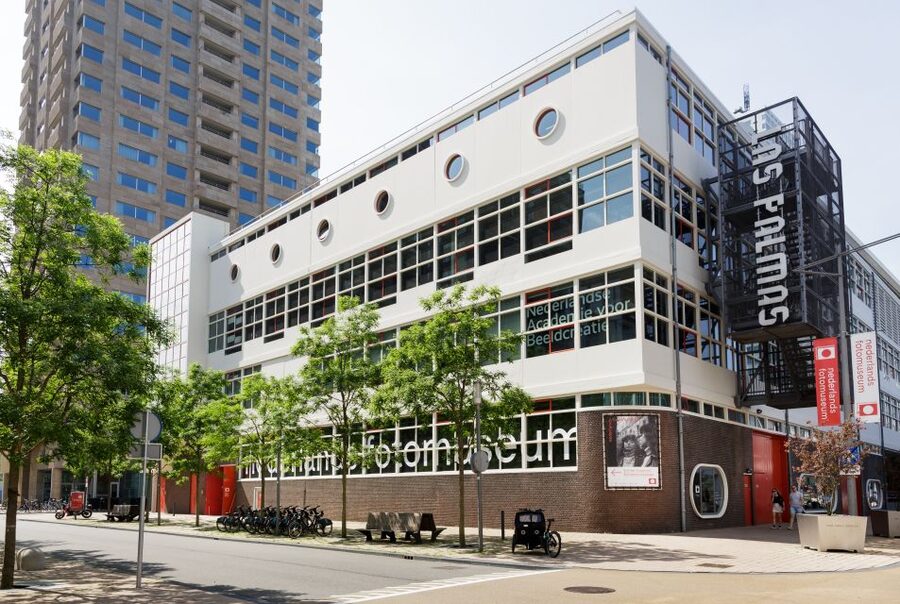
At $18 per person, the ticket is reasonably priced if you plan to see both the permanent and temporary displays. You are not paying for a short photo opportunity. You receive access to a permanent gallery, current exhibitions, and the museum’s wider presentation of Dutch photographic heritage for one day.
The value depends on your interest. Photography fans can spend time comparing techniques, periods, and photographers. History buffs can follow changes in Dutch society through images. Visitors who want a quick attraction with dramatic architecture or a live performance may find the museum less rewarding.
The one-day validity gives you useful flexibility, although the exact starting times and availability should be checked when booking. Since food and drinks are not included, plan to handle those separately. The ticket covers museum entry, not refreshments.
I would call it good value for anyone who enjoys looking closely and reading around an image. It is less compelling if you only have a short time in Rotterdam and need an attraction that can be understood in a few minutes.
The free cancellation option up to 24 hours before the visit and reserve-now, pay-later choice also reduce the risk of fitting this into a changing schedule. Those policies are useful for planning, but the main value still comes from the quality and relevance of the exhibitions showing on your date.
Who will enjoy this museum most?
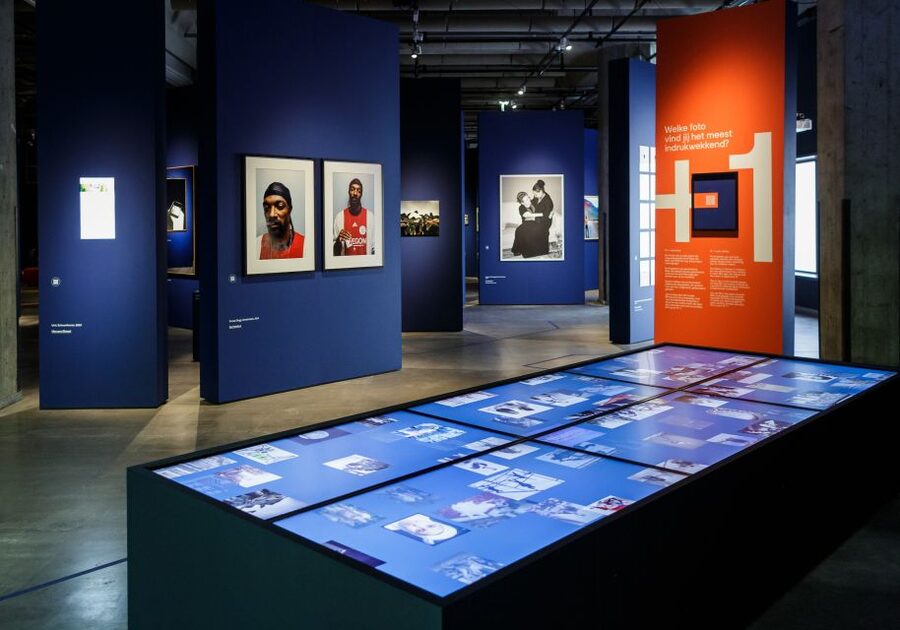
This experience suits several kinds of visitors:
- Photography enthusiasts who want to follow Dutch work from 1842 to the present.
- History-minded visitors who prefer personal images and archives to broad textbook displays.
- Art lovers who enjoy moving between documentary, experimental, and contemporary photography.
- Visitors who want a self-guided museum experience in English or Dutch.
- Families or mixed-interest groups, if everyone is comfortable with a visual museum that may require reading and reflection.
It may be less suitable for someone who wants a live guide, a tightly timed tour, or guaranteed English captions in every exhibition. It also may not be the best choice if you dislike modern or experimental art and prefer only traditional photography.
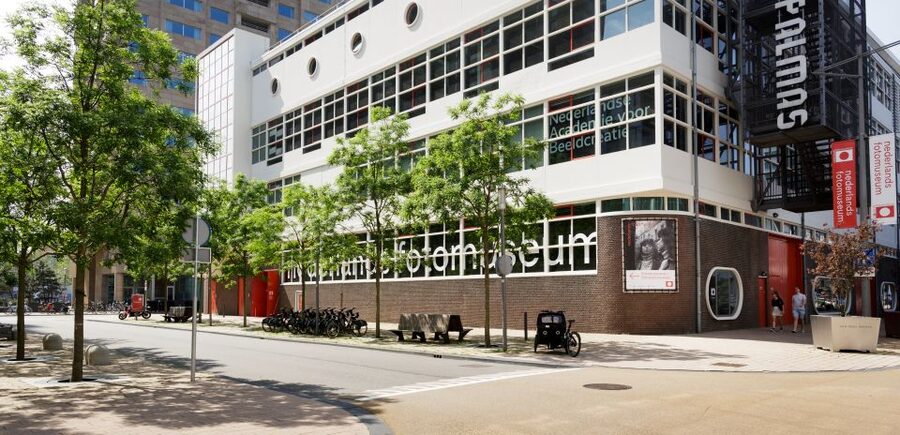
Wheelchair users can access the museum, which makes the visit practical for people who need step-free museum facilities. The experience provider is the Nederlands Fotomuseum, and hosts or greeters speak Dutch and English.
Practical tips for getting more from your visit
Check the temporary exhibition schedule before you reserve. The permanent Gallery of Honour will be there, but the changing displays can determine whether the ticket feels like a strong value for your particular interests.
Download or open the application at the start of the visit. English audio can fill in some of the background that may not appear in every caption, especially in displays built around personal stories.
Begin with the Gallery of Honour if you want a clear structure. It gives you the timeline needed to make sense of later rooms, including experimental and contemporary work.
Do not rush through images that seem ordinary. Family photographs, migration stories, and documentary records can carry the strongest human details, even when they lack the visual drama of a famous art photograph.
Allow extra patience for language differences. The museum provides Dutch and English audio, but an exhibition may still include original-language captions or subtitles. If a particular story matters to you, ask what English support is available.
Should you book the Nederlands Fotomuseum?
Book this $18 ticket if you want a thoughtful, self-guided look at Dutch photography and you have time for more than a quick gallery visit. The 99 works in the Gallery of Honour provide a useful permanent foundation, while the changing exhibitions keep the experience tied to current subjects and major Dutch photographers.
I would be more cautious if you need every caption in English or want a live guide. Some displays may rely on Dutch and another language, and the app cannot replace a guide who answers personal questions.
For photography lovers, Dutch history enthusiasts, and visitors who enjoy archives, the museum offers solid value. Go for the long view of photography, not just a handful of famous pictures, and use the audio tools to get the most from the stories behind the images.
FAQ
How long is the ticket valid?
The ticket is valid for one day. Starting times and availability should be checked when booking.
What does the entrance ticket include?
It includes entrance to the permanent Gallery of Honour and rotating temporary exhibitions. The application and exhibition guides are included if available.
Is an audio guide available in English?
Yes. Audio support is available in English and Dutch. The museum application can also be used for a self-guided audio tour.
Is the museum wheelchair accessible?
Yes, the experience is listed as wheelchair accessible.
Are food and drinks included?
No. Food and drinks are not included in the ticket.
Can I cancel my booking?
Yes. You can cancel up to 24 hours in advance for a full refund. Reserve-now, pay-later booking is also available.
More Museum Tickets in Rotterdam
- Amsterdam: Van Gogh Museum Ticket
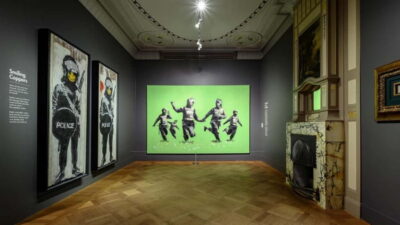
★ 4.7 · 52,054 reviews - Moco Museum Amsterdam Entrance Tickets with Banksy & More
★ 4.4 · 10,088 reviews - Amsterdam: The Upside Down Museum Entrance Ticket
★ 4.4 · 9,506 reviews - Amsterdam: Red Light Secrets Museum Entry Ticket
★ 4.2 · 5,722 reviews
Just added around Rotterdam
- The Netherlands: WW2 Private Day Trip★ 5.0 · 4 reviews
- Rotterdam: Guided Food Tour★ 4.4 · 16 reviews
- Rotterdam: UNESCO Van Nelle Factory Guided Tour★ 4.5 · 94 reviews
- Rotterdam: Trompenburg Botanical Gardens Entry Ticket★ 4.1 · 77 reviews
- Rotterdam: Summer Cocktail Cruise★ 4.7 · 18 reviews
- Rotterdam: Summer Evening Cruise with Live Entertainment★ 4.8 · 5 reviews
- Rotterdam: Pub Cruise with Drinks and Bites★ 3.8 · 16 reviews
- Rotterdam: Private Tour with a Local★ 4.7 · 47 reviews
Museums, compared.
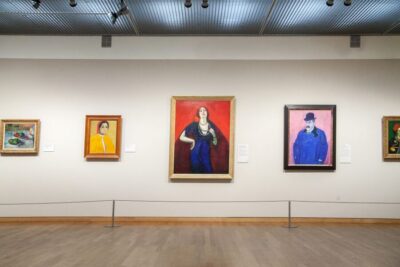
Moco Museum Amsterdam Entrance Tickets with Banksy & More
Read our review →
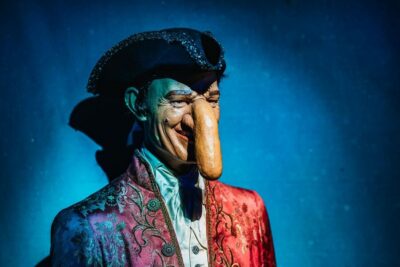
Amsterdam’s Weirdest Museum: Believe It or Not!
Read our review →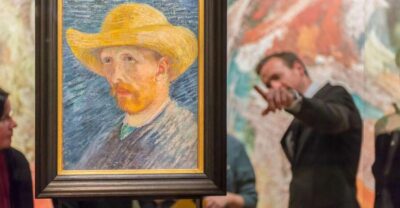
Browse the lists this tour appears in