
Reviewed · LEIDEN TOURS
Leiden: Hortus Botanicus Entry Ticket
Leiden’s Hortus Botanicus gives you a rare mix of botanical science and quiet garden wandering. Founded in 1590, it is the Netherlands’ oldest botanical garden, and its collections range from Southeast Asian orchids to carnivorous plants and century-old trees.
I like the freedom to spend a quick 90 minutes here or linger longer, and I like the changing displays through the year. Spring brings flowering bulbs, while summer may bring Victoria amazonica and Chinese lotus blooms. The main consideration is that food and drinks cost extra, and the visit is self-guided rather than a formal tour.
Key points
- 1590 origins: Visit the garden where the first tulips in Europe were grown.
- Tropical collections: See orchids and other plants from Southeast Asia in warm glasshouses.
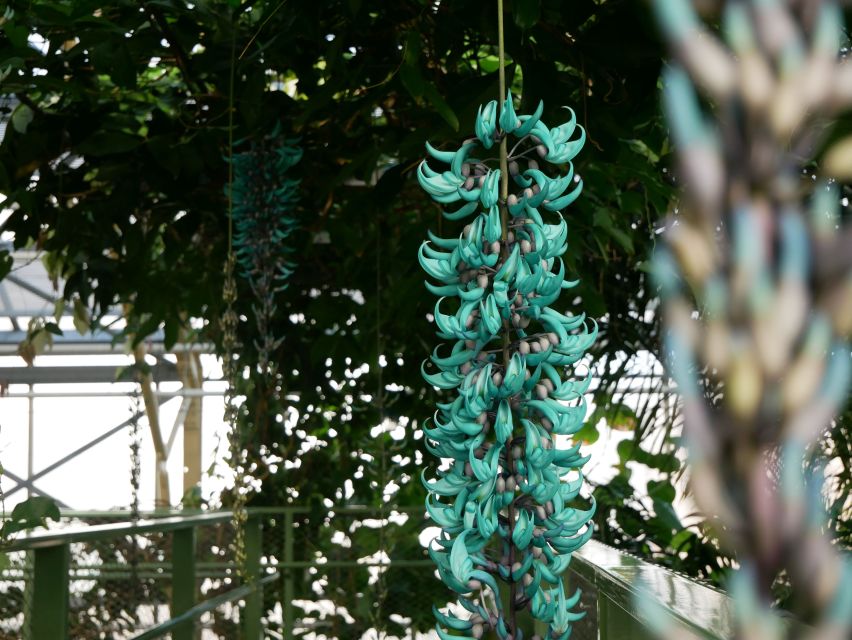
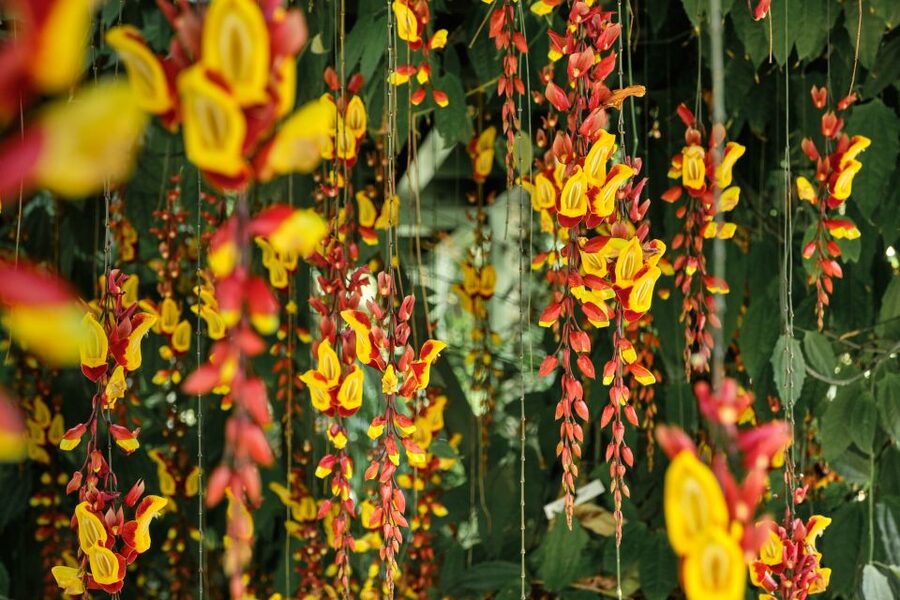
- Seasonal highlights: Look for jadevine in March and April, Victoria amazonica from June to September, and Chinese lotus in July.
- Historic trees: Walk among nearly 30 notable trees, with some more than 100 years old.
- Flexible visit: The ticket is valid for one day, and most people can see the main collections in about 90 minutes.
- Practical access: Dutch and English assistance is available, and the garden is wheelchair accessible.
Why Hortus Botanicus Leiden is worth your time
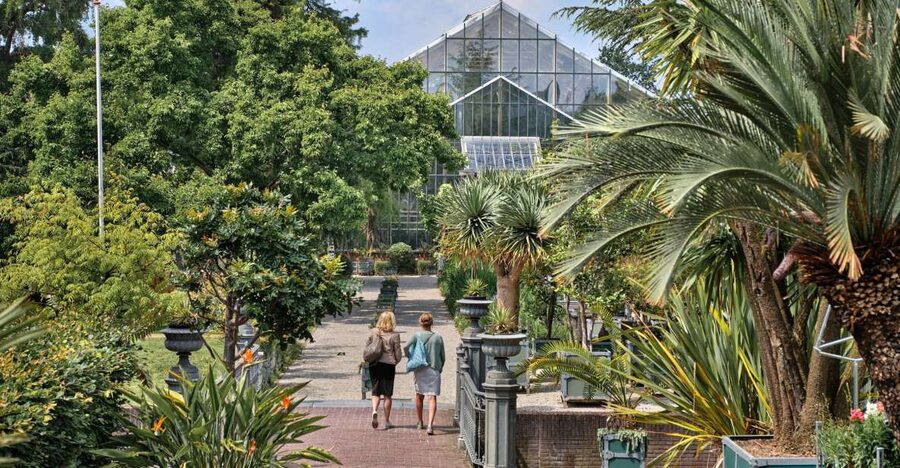
Leiden is a university city with plenty of museums and historic streets, so it is easy to treat Hortus Botanicus as a quick add-on. That would undersell it. The garden gives you a calm change of pace, with indoor and outdoor areas that work in different weather and seasons.
The appeal is not just the age of the place. You can see living plants gathered from many parts of the world, then connect them with the garden’s long role in plant exchange and study. The setting also rewards slow looking. A tropical orchid may take only a few seconds to notice, while an ancient tree reveals its character gradually.
Your ticket costs about $13 per person. That is a reasonable price if you want a relaxed activity with no fixed group schedule, especially if you already plan to spend time in central Leiden. The value depends on your interest in plants. If you prefer major landmarks, you may find the garden quieter and less dramatic than a museum. If you enjoy gardens, greenhouses, or seasonal flowers, the admission earns its keep.
A few more Leiden half-days worth comparing
- Leiden: Guided City Canal Cruise
★ 4.6 · 724 reviews - Leiden: Cruise through the Historic City Center with Guide
★ 4.6 · 445 reviews - Leiden: Windmill and Countryside Cruise near Keukenhof
★ 4.3 · 179 reviews
Entering the 1590 garden at your own pace
After exchanging your ticket at the front gate, you can begin without waiting for a scheduled guide. There is no named guide leading the visit, but Dutch and English assistance is available. This format suits you if you prefer to pause for photographs, read at your own speed, or skip plants that do not catch your eye.
Plan on about an hour and a half for a solid visit. You can move faster if you only want the main highlights, or stay longer in the glasshouses and outdoor gardens. Since the ticket is valid for one day, you have flexibility around the rest of your Leiden plans.
The garden combines several distinct areas rather than offering one long uniform path. That helps keep the visit interesting. You move from historical plantings to modern glasshouse displays, Japanese design, tropical specimens, and seasonal beds.
The Front Garden and the first European tulips
Begin with the Front Garden, where the older identity of Hortus Botanicus is easiest to sense. This is the place to connect the present-day plant collections with the garden’s founding in 1590.
The tulip connection gives the site special importance. The first tulips in Europe were grown here, so the garden is part of the plant’s early European story. Visit in spring if you want the best chance of seeing flowering bulbs and a seasonal display that fits the garden’s past.
You should not expect a large tulip festival based on the information provided. The draw is the setting and the connection to early cultivation, not a promise of one particular bloom display on every visit. For the fullest experience, time your visit with spring flowering.
The Clusius Garden and its historical character
The Clusius Garden is another important stop. It helps show how plant collections can serve both beauty and study. The area is named in connection with the garden’s early botanical tradition, and it gives you a more structured, historical garden experience than the tropical glasshouses.
This is a good place to slow down rather than rush from one famous plant to the next. Look at the arrangement of the beds and consider how unusual plants once made their way into European gardens. The garden’s long story is best understood through these smaller sections, not through a single large display.
If your interest is mainly in exotic plants, you may spend less time here. Still, skipping it would remove an important part of what makes Hortus Botanicus different from an ordinary public park.
More Attraction Tickets in Leiden:
- Warmond: Windmill Cruise and Keukenhof Entry Ticket
★ 4.5 · 133 reviews - Noordwijk: Space Expo Entry Ticket
★ 4.4 · 63 reviews - Amsterdam: Van Gogh Museum Ticket
★ 4.7 · 52,054 reviews - Amsterdam: Heineken Experience Ticket
★ 4.6 · 30,055 reviews
The Japanese Garden and plant exchange with Japan
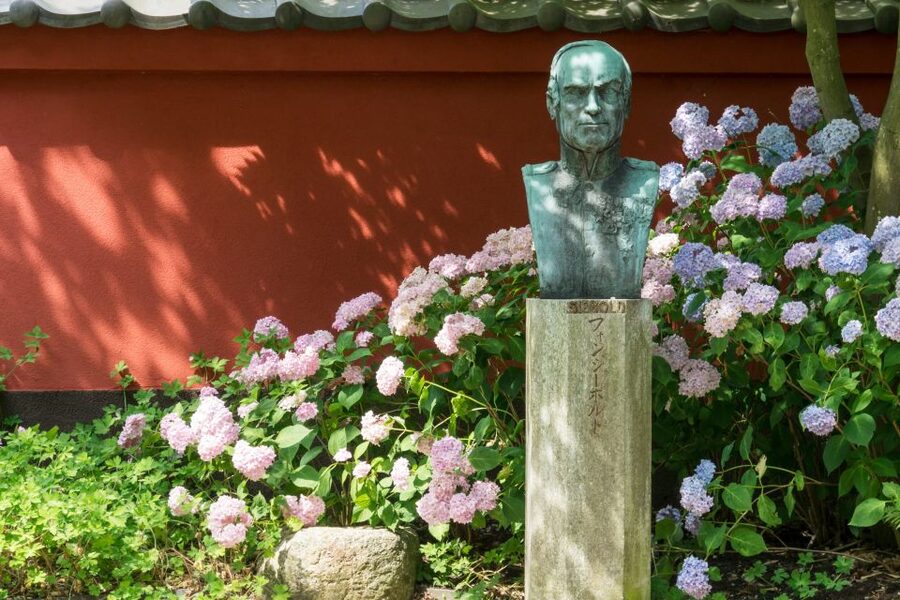
The Japanese Garden offers a change in mood and planting style. Here, you can see the historical exchange of plants between Japan and the Netherlands reflected in the garden itself.
This section is useful for more than photographs. It shows that botanical gardens are shaped by travel, trade, collecting, and the careful movement of plants between countries. You get a sense of those links without needing to join a lecture or scheduled walk.
Give this area a little quiet time. The garden works best when you stop treating the visit as a checklist. Walk, look closely, and notice how different the Japanese Garden feels from the tropical collections and formal beds elsewhere on the grounds.
Glasshouses filled with Southeast Asian plants
The glasshouses are likely to be the most exciting section for many visitors. The collection focuses largely on plants from Southeast Asia, so you can expect a tropical atmosphere that contrasts with Leiden’s outdoor setting.
Rare tropical orchids are a major reason to visit. Orchids can be easy to miss in a large outdoor garden, but the glasshouse setting places them where you can see their unusual forms more clearly. The collection also includes other tropical plants, helping create the feeling of a warm, humid growing environment.
The glasshouse is particularly useful on a cool or wet day. You are not dependent on perfect weather to enjoy the visit. At the same time, the warm indoor setting may not appeal to everyone, especially if you prefer outdoor gardens and open air.
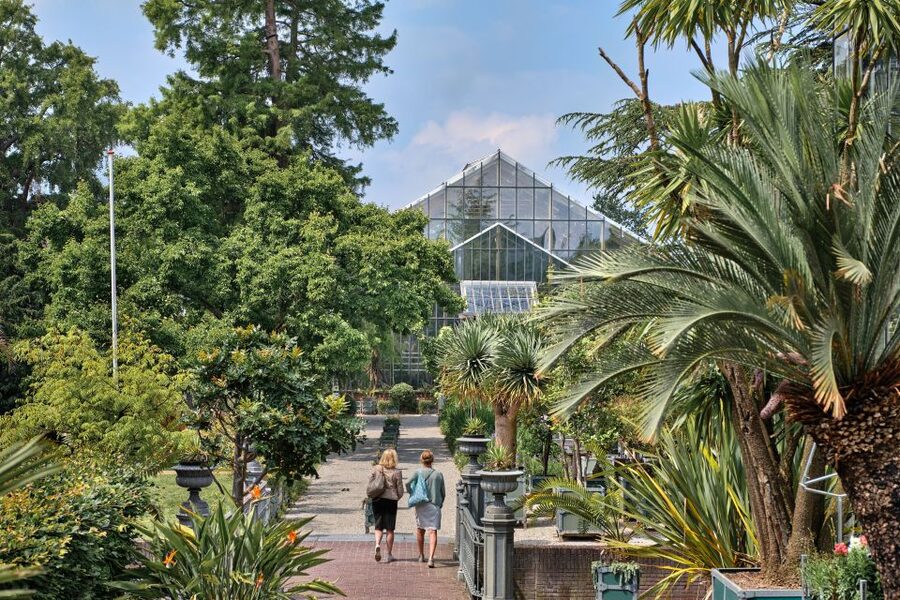
The recently built glasshouse adds a more modern element to the older grounds. This contrast works well: historic trees and gardens outside, controlled tropical displays inside. It also means the visit has enough variety to suit both serious plant enthusiasts and people who simply want an attractive break from city sightseeing.
Carnivorous plants and unusual specimens
The carnivorous plant collection gives the garden a playful edge. These plants catch attention quickly because their survival methods are so different from the flowers and trees around them.
You can expect to see a dedicated collection rather than a single novelty specimen. It is a good stop for families, curious first-time garden visitors, and anyone who enjoys plants that look slightly strange. The collection also adds scientific interest without requiring specialist knowledge.
Take your time here if you enjoy close-up details. Carnivorous plants are often small or delicate compared with the garden’s trees, so a quick walk past may not reveal much. The experience rewards observation more than speed.
Seasonal plants to time your visit around
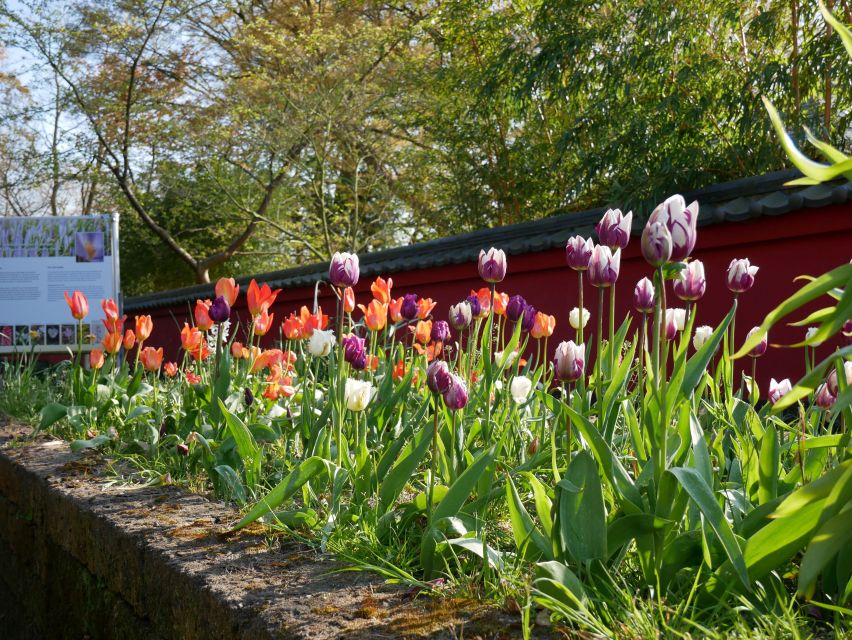
Hortus Botanicus changes through the year, and the seasonal plants listed for the garden give you a reason to return at different times.
- Jadevine: Usually flowering in March and April. This is a strong reason to visit in early spring if you want something beyond ordinary bulbs.
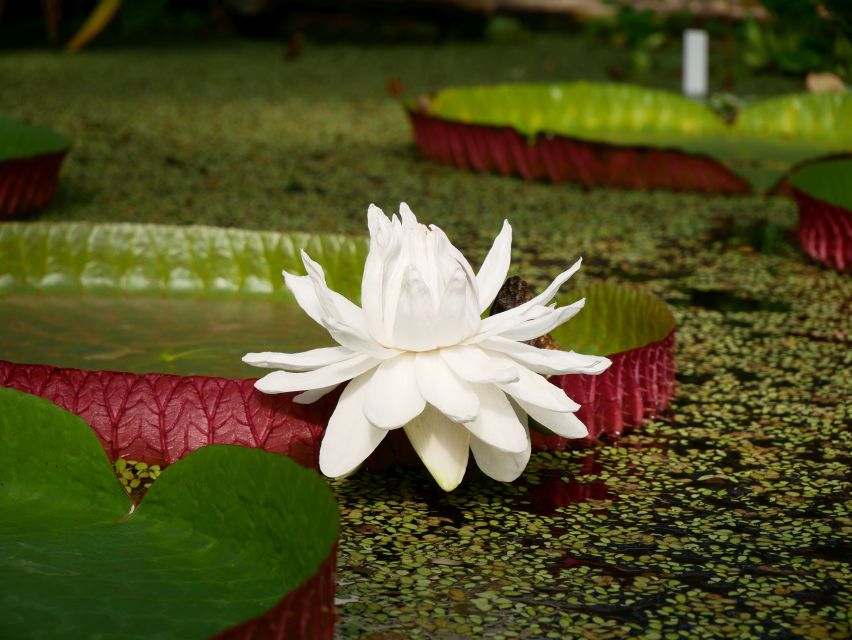
- Victoria amazonica: Usually flowering from June through September. This giant water lily is one of the garden’s major summer attractions.
- Chinese lotus: Usually flowering in July. A midsummer visit gives you the best chance to see this seasonal favorite.
These dates are useful guides, not guarantees. Blooming depends on growing conditions, so you should treat them as likely windows rather than fixed appointments.
Spring offers flowering bulbs and a fresh outdoor display. Autumn brings colorful foliage and a pleasant walk beneath the older monumental trees. Summer gives you the best chance of seeing the tropical water plants in flower. A winter visit can still work, especially if you prefer glasshouses, but the outdoor areas may feel less rewarding.
Nearly 30 mature trees in the outdoor garden
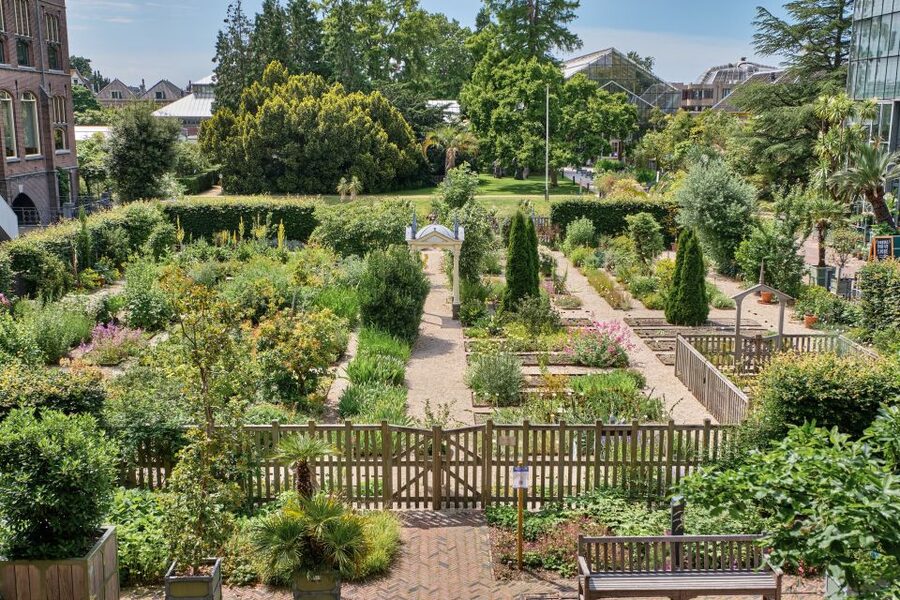
The garden contains almost 30 notable trees, with some more than a century old. They give the outdoor paths a sense of scale that smaller botanical displays cannot provide.
I like this part of the visit because it slows you down. Tropical orchids and carnivorous plants ask you to look closely, while old trees encourage you to look up and take in the space around you. In autumn, the colored leaves add another reason to walk the grounds at an easy pace.
The trees are also a reminder that a botanical garden is not only a collection of small, labeled plants. Mature specimens shape the atmosphere and make the garden feel established. If you are visiting with someone who is less interested in plant details, the trees and paths may be the part they enjoy most.
A practical 90-minute route
For a visit of about an hour and a half, I would use this order:
- Start at the Front Garden and take in the site’s 1590 origins.
- Continue to the Clusius Garden for the historical garden section.
- Visit the Japanese Garden and consider the Netherlands-Japan plant exchange.
- Spend the most time in the glasshouses, especially around the tropical orchids.
- See the carnivorous plant collection.
- Finish outdoors among the older trees and any seasonal flowers in bloom.
This route is only a suggestion. If the weather is poor, begin indoors. If you visit during spring or autumn, you may want to spend more time outside first.
Keep your schedule reasonably open. The ticket is valid for one day, but the usual visit length is short enough to combine with other Leiden plans. You can visit before or after museums, historic streets, or a meal in the city without giving up an entire day.
Food, drinks, and the end of your visit
Food and drinks are not included in the admission price. The garden has a Grand Café, so you can stop there if you want a drink or something to eat, but budget separately for it.
There is also a souvenir shop. It is an easy final stop if you want a small reminder of the garden or a plant-related item. Neither the café nor the shop is the main reason to buy the ticket, but both make it easier to finish the visit without rushing away.
Who will enjoy this garden most
I would recommend Hortus Botanicus Leiden to you if you like:
- Botanical gardens and greenhouses
- Tropical orchids and unusual plants
- Quiet outdoor walks
- Historic gardens with a scientific purpose
- Seasonal flowers and mature trees
- Flexible, self-guided sightseeing
It is also a good choice for a mixed group. A plant enthusiast can spend time with the collections, while someone less interested in botany can enjoy the paths, Japanese Garden, tropical setting, and old trees.
You may want to skip it if your schedule is extremely tight or if gardens are not part of your interests. The visit does not include a formal guide, special transportation, food, or a structured performance. Its value comes from wandering among the collections at your own pace.
The garden is wheelchair accessible, which is important if you need step-free access. The available host or greeter support is in Dutch and English.
Should you buy the $13 ticket?
Yes, if you want an easy, flexible Leiden activity with real botanical variety. The combination of a 1590 foundation, Southeast Asian plants, tropical orchids, carnivorous specimens, Japanese plant links, and ancient trees gives the ticket more substance than a simple park admission.
I would especially choose it in spring for flowering bulbs, in summer for the Victoria amazonica and Chinese lotus possibilities, or in autumn for the mature trees and seasonal color. The main limitation is that you guide yourself, so you need to bring your own curiosity and allow time to look closely.
At $13, it is a sensible purchase for garden lovers and a pleasant change from indoor sightseeing. Book it if you want a calm hour and a half with plants from around the world. Skip it only if you need a highly structured tour or have no interest in gardens.
FAQ
How much does entry to Hortus Botanicus Leiden cost?
The entry ticket costs $13 per person.
How long is the visit?
The recommended visit takes about one and a half hours. Your ticket is valid for one day, so you can explore at your own pace.
Is the garden guided?
The visit is self-guided. Dutch and English host or greeter assistance is available.
What languages are available?
Dutch and English are available for the experience.
Is Hortus Botanicus Leiden wheelchair accessible?
Yes, the botanical garden is wheelchair accessible.
Are food and drinks included?
No. Food and drinks are not included in the entry ticket. The garden has a Grand Café where you can purchase refreshments.
Just added around Leiden
- Leiden: Paddleboard Rental to Explore Leiden’s Canals★ 4.4 · 5 reviews
- Historical Leiden: Private Walking Tour with a Local Guide★ 4.8 · 5 reviews
- Leiden Tour with Live guide and Visit to Rembrandt’s First Studio★ 5.0 · 29 reviews
- Discover Leiden with a self-guided Outside Escape city game tour!★ 5.0 · 16 reviews
- e-Scavenger hunt Leiden: Explore the city at your own pace★ 4.0 · 19 reviews
- 90 minutes Self-Guided Walking tour with puzzles in Leiden★ 4.0 · 15 reviews
- Warmond: Windmill Cruise and Keukenhof Entry Ticket★ 4.5 · 133 reviews
- From Katwijk: Kaag Lakes Cruise★ 4.6 · 31 reviews
Leiden Tours, compared.

Cruise through the Historic City Center with Guide
Read our review →

Warmond: Windmill Cruise and Keukenhof Entry Ticket
Read our review →


Leiden Tour with Live guide and Visit to Rembrandt’s First Studio
Read our review →Browse the lists this tour appears in